
Introduction
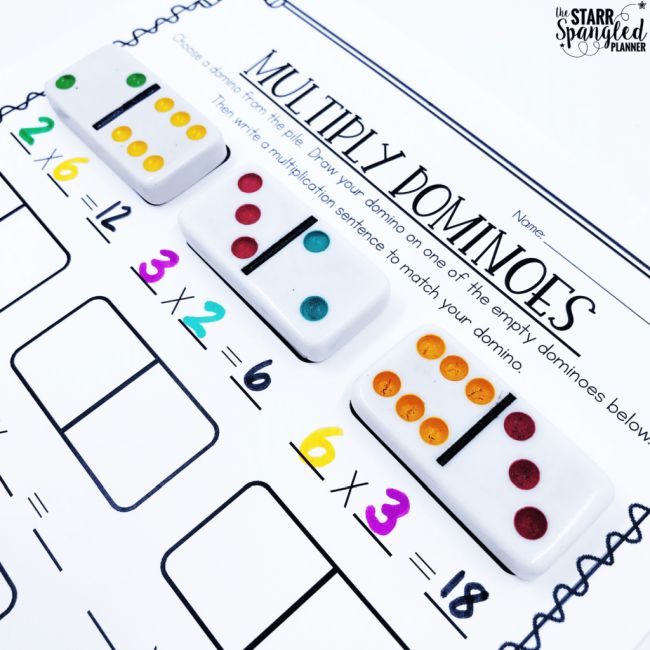
Teaching multiplication can be a challenging and repetitive task, especially when students struggle to grasp the concept. That’s why incorporating a creative hands-on multiplication lesson plan can help students engage, understand, and retain the vital skill of multiplication. In this article, we will outline a fun and interactive method to teach multiplication with a unique hands-on activity.
Objective
The objective of this hands-on lesson plan is to provide students with an engaging and tactile method to learn multiplication. By using physical manipulatives and visualization, students will grasp multiplication concepts more easily and be able to apply them independently.
Materials Needed
– A1-sized grid paper (large enough for students to work on)
– Different colored square tiles or counters (each color representing a different number)
– Dry-erase markers
– Whiteboard or chart paper for displaying completed example
Procedure
1. Begin the lesson with a brief introduction on what multiplication is and its importance in everyday life.
2. Present an example problem: Let’s say you want to find out how many tiles are needed for the floor of a 4×6 room. Show two sets of square tiles—one with four tiles and one with six—arranged in rows and columns. Use different colors to represent the numbers for easy visualization.
3. Ask the students how many total tiles there are without counting them one by one. Explain that they can use multiplication as a shortcut method to find the answer.
4. Introduce the physical manipulatives (colored square tiles) and A1-sized grid paper; have them placed at stations around the room for students to work comfortably.
5. Group students into pairs or small teams and assign each group a different multiplication problem to solve using the colored square tiles (e.g., 3×5 or 2×8). Encourage collaboration and discussion within groups.
6. Instruct each group to place the appropriate number of colored tiles on the grid paper, keeping in mind different colors for each number. Ensure they arrange these tiles in rows and columns that represent their multiplication problem.
7. Once all groups have completed their multiplication using the tiles, use dry-erase markers to show the equation and solution for each individual group’s assignment on a whiteboard/chart paper.
8. Have groups check their answers against the displayed solutions to ensure understanding and accuracy.
9. Lastly, engage in a group discussion about the strategies they have used, their experiences with the hands-on approach, and the benefits of understanding multiplication conceptually.
Conclusion
By utilizing this creative, hands-on multiplication lesson plan, teachers enable students to visualize and physically manipulate numbers during multiplication. This approach not only helps with conceptual understanding but also promotes active learning and teamwork in the classroom. Give it a try and watch your students evolve into confident problem solvers who excel at multiplication!