
Introduction
The transition from the foundation stage to key stage one (KS1) marks a significant milestone in a child’s educational journey. As children progress from an early learning environment focused on play-based activities to more structured learning experiences, it can be both an exciting and challenging time for them, as well as their parents and educators. This article explores the importance of understanding and supporting this crucial transition period to ensure a positive, smooth, and successful shift into KS1.
Characteristics of the Foundation Stage and Key Stage 1
To better comprehend how we can guide children through this transformation, it is essential to understand the primary differences between these two stages in educational development.
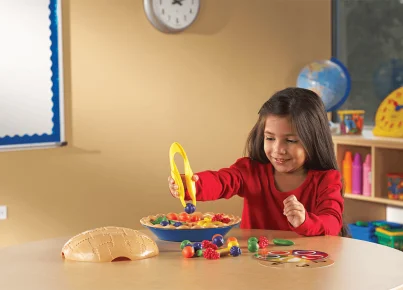
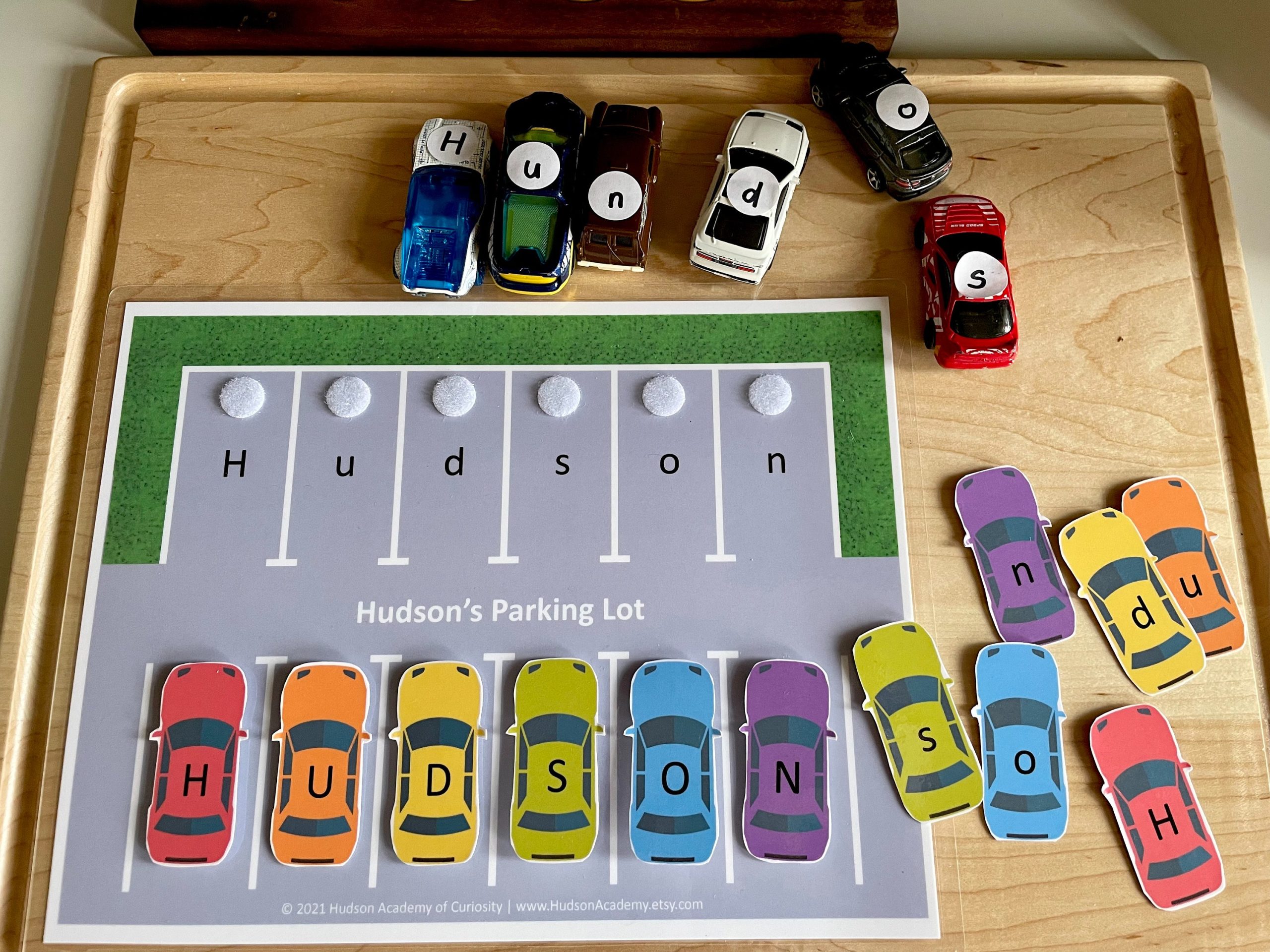
Firstly, the foundation stage – consisting of nursery and reception classes – has a distinct focus on fostering young children’s social skills, emotional development, creativity, and independence. The curriculum is play-based, offering a multitude of practical activities that encourage self-expression and hands-on exploration. These experiences help lay the groundwork for a solid educational foundation while also building self-esteem and resilience.
In contrast, key stage one encompasses years 1 and 2 when students shift toward more structured learning. While some interactive and play-based approaches may continue during this stage, there is greater emphasis on conventions like reading, writing, maths, science, art, physical education (PE), history and geography. As such, KS1 may seem notably different for children moving from the informal methods of foundation stage learning.
Supporting Smooth Transition
Now that we’ve understood the primary differences between these two phases, we must deliberate on practical strategies educators and parents can employ to facilitate a seamless transition.
1. Building Relationships: Open communication between reception teachers and year one teachers is vital in ensuring continuity of learning for each child. Sharing information about a child’s progress through detailed observations and assessments enables incoming teachers to better adapt their lessons to cater to the unique needs of new students.
2. Encouraging Independence: Fostering independence in the foundation stage enables children to cultivate and enhance their problem-solving skills as they step into key stage one. Simple tasks such as putting on coats, looking after their belongings, and taking turns can go a long way in preparing children for a more structured environment.
3. Familiarising with Key Stage 1 Routine: School visits, in which nursery and reception students observe or participate in KS1 activities, can help familiarise children with new routines. This exposure can improve their confidence and reassure them about the forthcoming changes.
4. Gradual Shift toward Formal Learning: Reception teachers can introduce more structured sessions during the summer term to ease children into the expectations of KS1. Similarly, year one teachers can commence their term with some play-based activities before progressively moving towards more disciplined learning methods.
5. Parent Support: Parents must be informed about these transitions well in advance to prepare themselves and their children for the shift. Educators can provide guidance via meetings, newsletters or workshops, focusing on curricula shifts and other essential aspects of key stage one learning.
Conclusion
The transition from foundation stage to key stage 1 is a critical milestone in every child’s educational journey. By understanding the differences between these stages, nurturing independence, fostering communication between educators, gradually introducing more structured learning experiences and ensuring adequate parental support, we can create an encouraging environment for children to flourish as they embark upon this exciting new phase of their education.