
Introduction:
Preschool is a crucial time for young children to explore the world around them through play. Encouraging their creativity, problem-solving, and teamwork skills can help lay the foundation for success in science, technology, engineering, and mathematics (STEM) fields. With that in mind, here are 20 fun building activities designed to foster the skills of future architects and engineers.
1. Straw and Pipe cleaner structures – Provide your child with straws and pipe cleaners to create unique structures while exercising fine motor skills and spatial awareness.
2. Cardboard creations – Turn old cardboard boxes into a limitless playground by encouraging your child to design buildings, ramps, or vehicles.
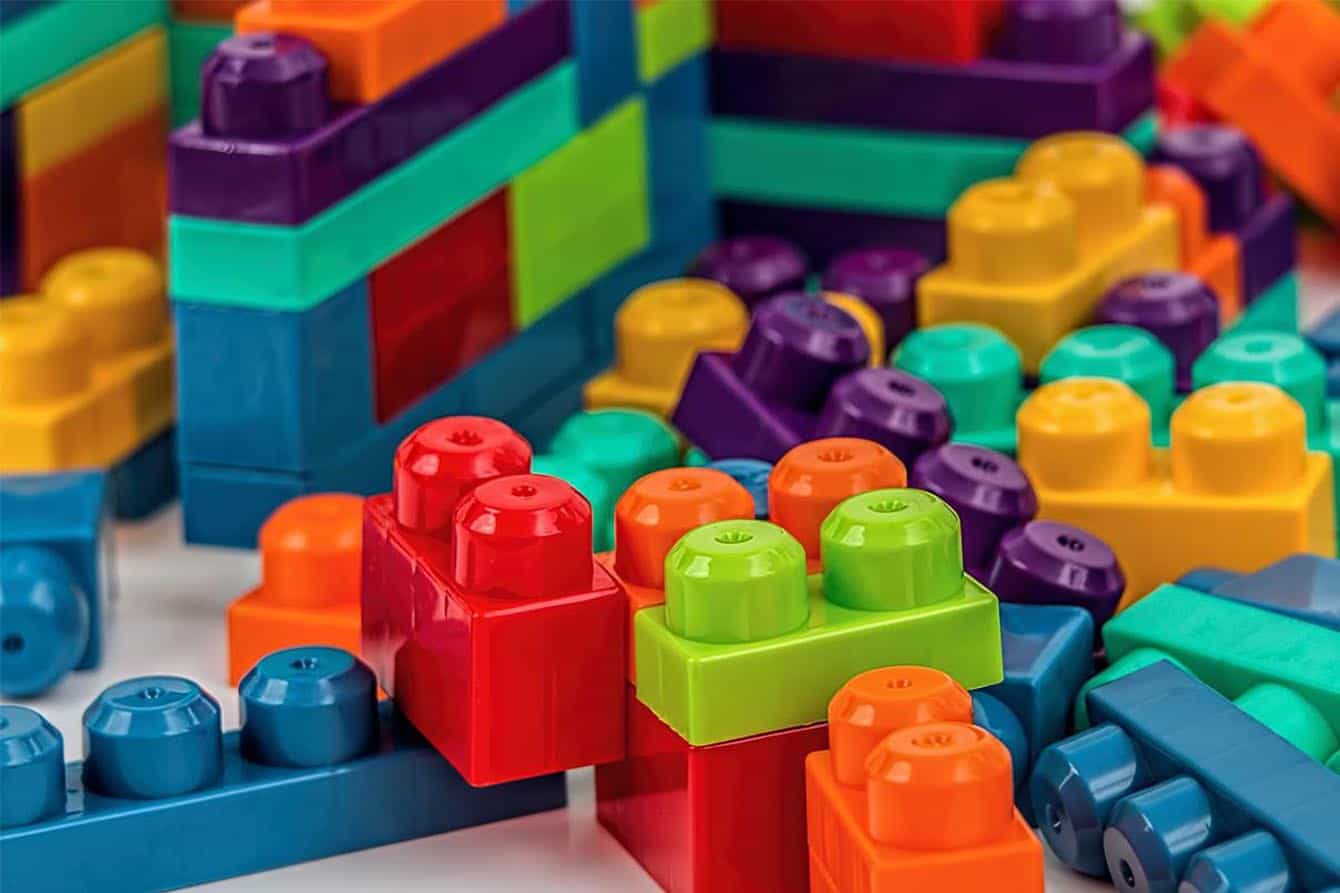
3. LEGO Towers – Using LEGO blocks, challenge your preschooler to build tall towers while teaching essential structural principles.
4. Newspaper fort – Build a fort using newspaper rods and tape as an eco-friendly activity that promotes teamwork and creativity.
5. Popsicle stick bridges – Teach basic engineering concepts by building popsicle stick bridges and testing their strength with toy cars or action figures.
6. Playdough sculptures – Create 3D sculptures from playdough to enhance fine motor skills and hand-eye coordination.
7. Tinker trays – Fill trays with random household items like paper clips, rubber bands, or buttons for open-ended experimentation.
8. Magnet block constructions – Utilize magnet blocks to build unique geometric designs while incorporating lessons about magnetism.
9. Origami shapes – Introduce the art of paper folding as a way to teach geometry and spatial reasoning.
10. Giant Jenga – Enhance balance and dexterity with an oversized Jenga game that requires careful planning and execution.
11. Balancing elements game – Balance various objects on a homemade teeter-totter to demonstrate weight distribution concepts
12. Marble runs – Create elaborate marble runs using household items like cardboard tubes or PVC pipes to promote critical thinking.
13. Toothpick and marshmallow structures – Combine toothpicks and marshmallows to create geometric structures that teach stability and balance principles.
14. Blindfold block building – Encourage teamwork and communication with a blindfolded block building game where one player provides the vision and the other follows instructions.
15. Soft block sculptures – Use soft, foam blocks for an indoor building activity that emphasizes size and shape differentiation.
16. Water tower challenge – Construct a water tower from everyday items, testing its ability to hold and distribute water evenly.
17. Rainbow cup stacking – Teach color recognition and spatial problem-solving through stacking colored cups in a variety of patterns.
18. Ice block construction – Freeze colored water in ice cube trays, then use the icy shapes for a sensory building activity on a hot day.
19. Homemade wind tunnel – Design and build a homemade wind tunnel to experiment with aerodynamics using lightweight materials like paper, plastic bags, and feathers.
20. Nature walk architecture – Collect sticks, leaves, or stones during a nature walk and use them to create natural sculptures back at home.
Conclusion:
Building activities are an excellent way for preschoolers to develop foundational STEM skills while having fun in the process. By engaging in these activities, children will strengthen cognitive abilities, improve fine motor skills, and foster creativity. Future architects and engineers are sure to benefit from exploring these 20 engaging building activities during their preschool years!