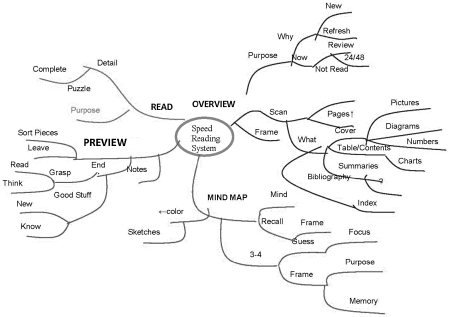

Introduction:
Mind mapping is a visual note-taking technique that helps individuals to better organize their thoughts and ideas. Through the use of symbols, images, colors, and concise words or phrases, individuals can make connections between concepts, identify relationships, and foster creativity. Invented by British author Tony Buzan in the 1970s, mind mapping has gained popularity across various fields, including business, education, and personal development.
The Benefits of Mind Mapping:
1. Enhance Creativity: Mind mapping aids in stimulating the imagination and fostering creative thinking. By starting with a central topic and branching out with related ideas, individuals can discover new perspectives and unique solutions.
2. Increase Memory Retention: Visual associations in mind maps help individuals to retain more information compared to linear note-taking methods. Colors, symbols, and images make it easier for the brain to recall concepts and facts.
3. Improve Organization: Mind maps enable categorization of ideas under different branches, allowing for better organization of thoughts. This helps in breaking down complex information into smaller, more manageable parts for easy understanding.
4. Boost Productivity: As mind maps are created quickly and efficiently with minimal distractions, individuals can save time while brainstorming and put their focus on the task at hand.
5. Effective Communication: Mind maps can be used as effective communication tools in presentations or during group discussions by providing clear visual representations of complex information.
Creating a Mind Map:
Step 1 – Identify the Central Theme: Start your mind map with a central idea or topic. Write your central idea in the middle of a blank page and circle it.
Step 2 – Add Main Branches: From the central topic, create branches representing main subtopics or categories related to your central theme. Use lines to connect them to the center.
Step 3 – Add Sub-branches: Continue creating branches that link to subcategories or specific ideas within each main branch. Use different colors, images, or symbols to distinguish between themes and topics.
Step 4 – Review and Revise: Once the initial mind map is created, review and revise the structure and connections between branches. This may involve rearranging ideas, adding more elements, or eliminating unnecessary information.
Conclusion:
Mind mapping is an efficient and versatile technique that can help individuals to better grasp complex information, stimulate creative thinking, and improve communication skills. By taking advantage of the brain’s natural preference for visual stimuli, mind mapping offers an innovative way to unlock your brain’s potential and maximize your intellectual capabilities.