
Introduction
Fine motor skills are the subtle movements that involve the coordination of small muscles and hand-eye synchronization. Developing fine motor skills in children is crucial, as they contribute to essential functions such as writing, buttoning clothes, handling utensils, and various other daily tasks. Engaging in fun and creative activities will not only improve these abilities in children but also foster their cognitive and emotional growth. Here are some entertaining activities to help develop fine motor skills.
1. Stringing Beads
Stringing small beads onto a thread or pipe cleaner is an entertaining way for children to refine their fine motor skills. This activity strengthens little fingers and promotes hand-eye coordination when selecting specific beads for their creations.
2. Play Dough
Manipulating play dough offers endless opportunities for developing fine motor skills as kids pinch, stretch, roll, and cut the dough. Encourage children to create shapes, letters, or sculptures while building their muscle strength and dexterity.
3. Scissor Practice
Teaching children how to use scissors safely can significantly improve their bilateral coordination and the precision of their hand movements. Have them start by cutting simple shapes from paper or play dough before progressing to more complex patterns.
4. Jigsaw Puzzles
Assembling puzzles are an excellent way to engage children’s cognitive and problem-solving skills while improving their hand-eye coordination. Choose age-appropriate puzzles that provide a reasonable challenge without overwhelming them.
5. Sticker Collages
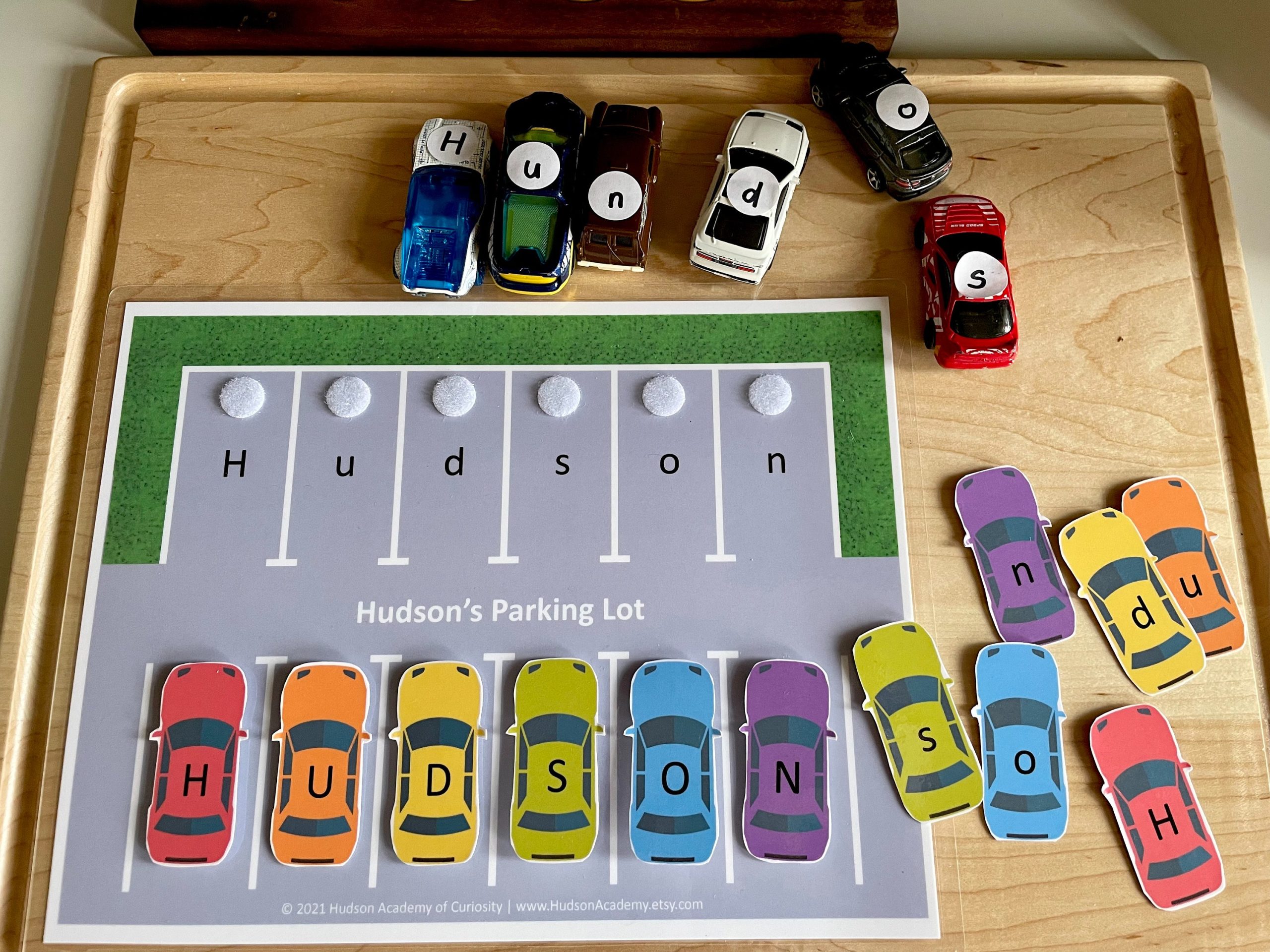
Peeling stickers off sheets can be surprisingly beneficial for fine motor skill development. Create collages by having children layout various shapes, sizes, and textures of stickers on paper or cardstock – a fantastic way to encourage creativity while honing these skills.
6. Lego Building
Legos and other building block toys provide ample opportunity for developing fine motor skills with every connection made between pieces. Encourage imaginative play by setting challenges or suggesting themed structures they can create.
7. Coloring and Drawing
Artistic expression is essential for children’s development, both emotionally and cognitively. Provide an array of coloring implements, such as crayons, colored pencils, markers, or paint, to stimulate creativity while refining their fine motor skills.
8. Finger Painting
Finger painting is not only messy fun but an effective activity for strengthening finger control and hand-eye coordination. Engage children in this sensory experience by guiding them to create different shapes, letters, or images on their canvas.
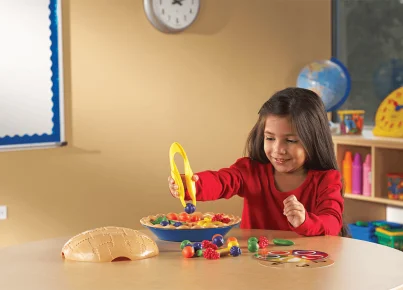
9. Tweezer Transfer
This simple but engaging activity involves using tweezers or small tongs to transfer items like pompoms, beans, or small toys from one container to another. It promotes concentration, hand-eye coordination, and fine motor skill development.
10. Lacing Cards
Using lacing cards is another great activity that encourages precision in hand movements as kids string shoelaces or yarn through the holes in cards. Have children practice weaving intricate patterns while improving their focus and motor skills.
Conclusion
Incorporating these enjoyable and creative activities into a child’s daily routine will significantly enhance their fine motor skill development, promoting independence and success in everyday tasks. Remember to choose age-appropriate activities and provide plenty of variety to keep them engaged and motivated over time.