
“`html
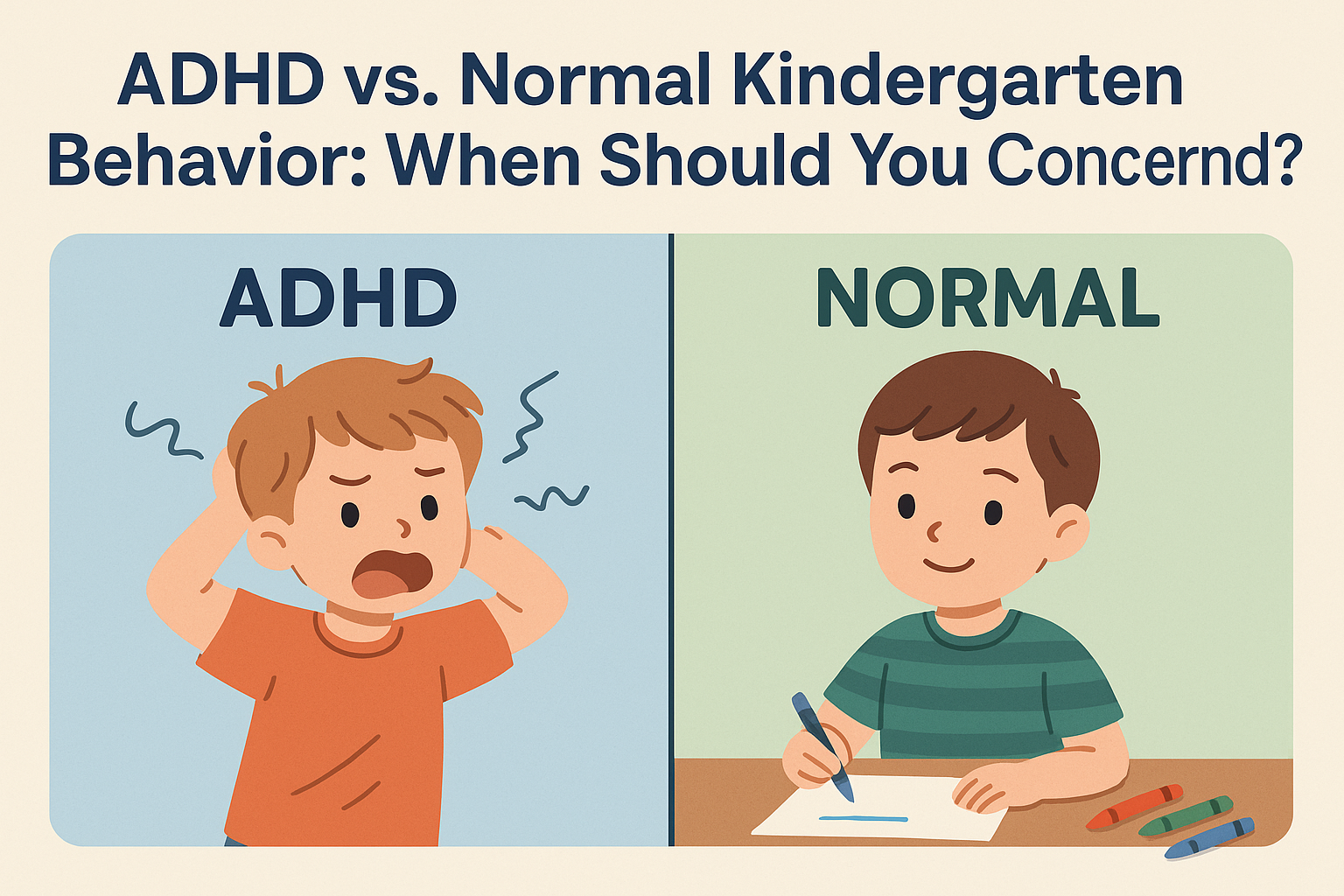
The world of kindergarten is a whirlwind of activity, excitement, and learning. For many children, it’s a time of joy and exploration. However, amid the laughter and playing, some parents may find themselves worried about their child’s behavior. Understanding ADHD in kindergarten can be challenging, especially when distinguishing between typical childhood antics and signs of attention-deficit/hyperactivity disorder (ADHD). Knowing when to be concerned is crucial in ensuring your child receives the support they need.
1. Understanding ADHD: The Basics
Attention-deficit/hyperactivity disorder (ADHD) is a neurodevelopmental disorder that impacts how children focus, control impulses, and manage their activities. The Centers for Disease Control and Prevention (CDC) estimates that ADHD affects approximately 6.1 million children in the United States, revealing a significant portion of the population that may require understanding and support in educational settings.
ADHD can manifest in different ways, primarily falling into two categories: inattentive and hyperactive-impulsive. Children with the inattentive type may struggle with following instructions, staying organized, or paying attention during lessons. On the other hand, those exhibiting hyperactive-impulsive behaviors might fidget, interrupt conversations, or act without considering the consequences. Recognizing which type your child may exhibit can help in understanding their needs better.
2. Typical Kindergarten Behavior
Kindergarten is often characterized by active learning environments where children are encouraged to explore and engage with their peers. This age group is known for high energy levels, short attention spans, and a natural curiosity that can sometimes result in disruptive behavior. It’s essential to understand that variations in behavior are a normal part of child development.
Common behaviors in kindergarten include fidgeting, difficulty waiting for their turn, and spontaneous outbursts of laughter or excitement. While these behaviors can sometimes align with ADHD symptoms, they do not necessarily indicate a disorder. It’s crucial to distinguish between normal developmental behavior and signs that may require further investigation. For instance, if your child can settle down after a brief period or is easily redirected by a teacher, it’s more likely typical behavior rather than a red flag for ADHD.
3. Key Signs of ADHD in Kindergarten
Identifying ADHD during the kindergarten years can be challenging, as many symptoms overlap with typical childhood behaviors. However, there are specific key signs that may indicate ADHD. These include:
- Inattention: Frequent daydreaming, difficulty following directions, and a tendency to lose items can signal inattention.
- Hyperactivity: Constantly moving, running around in inappropriate situations, or being unable to sit still are indicators of hyperactive behavior.
- Impulsivity: Interrupting others, blurting out answers before questions are completed, or difficulty waiting for their turn can be signs of impulsivity.
If a child consistently exhibits several of these behaviors across different settings (home, school, and social gatherings), it may be time to consult a professional. ADHD in kindergarten often shows up in a variety of settings, as it is not limited to just one environment.
4. When to Be Concerned
So, when should you genuinely start to worry about your child’s behavior? If you observe that your child’s difficulties with attention, impulse control, or hyperactivity significantly disrupt their ability to learn or interact with peers, it may be a cause for concern. According to experts, consistent symptoms over six months that appear in more than one setting could warrant a discussion with your child’s teacher and a healthcare professional.
Additionally, if your child’s behavior leads to substantial academic or social impairment—such as struggling to make friends, an inability to complete assignments, or frequent disciplinary actions at school—these are clear signals that further assessment may be needed. The sooner these challenges are addressed, the better the potential outcomes for your child. (See: CDC ADHD facts and statistics.)
5. Getting a Diagnosis
If you suspect your child may have ADHD, the next step is obtaining a diagnosis. This process often involves a comprehensive evaluation that includes input from parents, teachers, and healthcare professionals. Tools like behavior rating scales and direct observations can provide insight into your child’s behavior across different environments.
According to the American Academy of Pediatrics, a diagnosis should only be made by a qualified professional. This might include a pediatrician, psychologist, or psychiatrist who specializes in childhood disorders. They will rule out other potential causes of your child’s behavior, ensuring that ADHD is indeed the primary concern. Early diagnosis and intervention can lead to better management of symptoms, paving the way for more successful learning experiences.
6. Strategies for Support and Management
Once a diagnosis is confirmed, numerous strategies can help manage ADHD in kindergarten effectively. Educational interventions are often the first line of support, including accommodations in the classroom, such as seating arrangements that minimize distractions or providing additional time for tasks.
Behavioral therapy is another valuable tool. This approach can help children develop coping strategies, improve social skills, and better manage their impulses. Parent training programs are also available, helping caregivers learn effective strategies for supporting children with ADHD at home. Additionally, open communication with teachers about your child’s needs can foster a collaborative approach to managing ADHD.
7. The Role of Parents and Educators
Parents and educators play a vital role in identifying and supporting children with ADHD in kindergarten. Parents are often the first to notice any concerns and should feel empowered to communicate their observations with teachers and healthcare professionals. Regular communication can help ensure that everyone is on the same page regarding the child’s needs.
Educators can implement strategies tailored to the child’s strengths and challenges. Creating a structured classroom environment with routines can benefit children with ADHD significantly. Furthermore, teachers can provide positive reinforcement and visible schedules to help children stay focused and organized throughout the day.
8. Promoting Awareness and Understanding
Raising awareness about ADHD in kindergarten is essential for fostering a supportive environment for affected children. Misunderstandings about ADHD can lead to stigma, making it even more challenging for children to thrive in school settings. By educating oneself and others about the disorder, parents and educators can create an inclusive atmosphere that celebrates different learning styles and behaviors.
Local community resources, online forums, and educational workshops can help dispel myths and provide support. Encouraging open dialogue about ADHD can foster understanding and empathy among peers, which is crucial for social development. Remember, children with ADHD can thrive with the right support, understanding, and encouragement.
9. Your Child’s Future: Hope and Potential
It’s important to remember that a diagnosis of ADHD does not define your child. With early intervention and ongoing support, children with ADHD can lead fulfilling, successful lives. Many individuals with ADHD have unique strengths, such as creativity, high energy, and problem-solving skills that can be harnessed positively.
As you navigate the complexities of ADHD in kindergarten, remember to celebrate your child’s accomplishments, no matter how small. Building their self-esteem and resilience is essential, as it sets the foundation for their future. By being proactive and informed, you can help your child thrive academically and socially, ensuring they have the best possible experience in their early years of education. (See: NIMH ADHD statistics and information.)
10. Statistics on ADHD in Kindergarten
Understanding the prevalence and characteristics of ADHD can provide additional insights. According to the CDC, boys are diagnosed with ADHD approximately three times more often than girls. In kindergarten, these differences often manifest: boys may display more hyperactive symptoms, while girls may be more likely to show inattentive behaviors, leading to underdiagnosis in females.
Additionally, studies have shown that ADHD can significantly impact academic performance. Research indicates that children with ADHD are at a higher risk of being retained in kindergarten compared to their peers without the disorder. This retention can contribute to long-term academic challenges, making early intervention even more critical.
11. Strategies for Parents: At Home and Beyond
As a parent, you can create an environment at home that supports your child with ADHD. This might include establishing clear routines, setting specific times for homework, and breaking tasks into smaller, manageable steps. Visual aids, like charts or checklists, can also help reinforce these routines.
Engaging your child in physical activities can also be beneficial. Regular exercise has been shown to help improve focus and reduce impulsivity in children with ADHD. Activities like swimming, soccer, or even just playing in the park can help channel energy positively.
12. Common Misconceptions about ADHD
There are several misconceptions about ADHD that can affect how children are perceived and treated in school. One common myth is that ADHD is simply a lack of discipline or poor parenting. In reality, ADHD is a neurological condition that requires understanding and support, not blame.
Another misconception is that all children with ADHD are hyperactive. Many children with ADHD are primarily inattentive and may not display the classic hyperactive symptoms. This can lead to them being overlooked or misdiagnosed, which can hinder their development and academic success.
13. Frequently Asked Questions
What are the first signs of ADHD in kindergarten?
First signs can include difficulty following instructions, excessive fidgeting, or trouble staying seated. These behaviors should be observed in multiple settings, such as home and school, to consider them a potential indicator of ADHD.
How can I help my child with ADHD succeed in school?
Establishing a routine, working closely with teachers, and using positive reinforcement can help. Regular communication with educators and utilizing school resources can also provide support.
Are there specific teaching methods that work best for children with ADHD?
Hands-on activities, visual aids, and frequent breaks can be effective. Interactive lessons that incorporate movement can help keep children engaged and focused. (See: Research on ADHD in children.)
How do I talk to my child about their ADHD?
It’s best to approach the topic positively and age-appropriately. Emphasize that ADHD is just one part of who they are and that many people with ADHD achieve great things. Encouraging open dialogue can help your child feel understood and supported.
Can ADHD improve over time?
Many children with ADHD see changes in their symptoms as they grow. While some may outgrow hyperactive symptoms, others might continue to face challenges into adulthood. Early intervention and support play a significant role in managing symptoms effectively.
14. Long-Term Impacts of ADHD Diagnosis
The effects of an ADHD diagnosis can extend well beyond kindergarten. Research suggests that children diagnosed with ADHD are at a higher risk for challenges later in life, including academic underachievement, low self-esteem, and difficulties in social situations. Understanding these potential long-term impacts can help parents and educators provide the necessary support throughout a child’s educational journey.
For example, children with ADHD may struggle with time management and organization as they progress into higher grades, resulting in lower grades and increased frustration. Parents should be aware that these challenges can lead to feelings of inadequacy and discouragement. Therefore, fostering resilience and self-advocacy from an early age is vital.
15. Community Resources and Support Groups
Connecting with local community resources and support groups can provide additional help for families navigating the complexities of ADHD. Organizations such as CHADD (Children and Adults with Attention-Deficit/Hyperactivity Disorder) offer valuable resources, including local chapters, educational materials, and online forums where parents can share experiences and strategies. These connections can reduce feelings of isolation and provide practical advice on managing ADHD.
Support groups can also be beneficial for children. Social skills groups specifically designed for children with ADHD allow them to practice interactions in a structured environment, enhancing their ability to form friendships and navigate social settings. Such experiences can empower children and help them develop essential skills for future success.
“`
Trending Now
Frequently Asked Questions
What are the signs of ADHD in kindergarteners?
Signs of ADHD in kindergarteners include difficulty following instructions, staying organized, and paying attention during lessons. Children may also exhibit hyperactive behaviors like fidgeting, interrupting conversations, or acting impulsively without considering consequences. Recognizing these signs is crucial for parents to understand their child's needs.
How can I tell if my child's behavior is normal?
Typical kindergarten behavior often includes high energy levels, short attention spans, and natural curiosity. Variations in behavior, such as fidgeting and difficulty waiting for their turn, are normal as children explore and engage with their peers. Understanding these behaviors can help differentiate between typical development and potential concerns.
When should I be concerned about my child's behavior?
You should be concerned if your child's behavior consistently disrupts their learning or social interactions. For example, if they struggle to follow instructions, have difficulty focusing, or display impulsive behaviors that interfere with their daily activities, it may be time to seek guidance from a professional.
What is the difference between ADHD and normal behavior?
ADHD is a neurodevelopmental disorder characterized by persistent patterns of inattention and hyperactivity-impulsivity that significantly impact a child's functioning. In contrast, normal behavior in kindergarteners includes occasional impulsiveness and high energy, which are typical at this developmental stage and do not hinder their learning or social interactions.
How common is ADHD in children?
ADHD affects approximately 6.1 million children in the United States, making it a common neurodevelopmental disorder. This prevalence highlights the importance of understanding ADHD and recognizing its symptoms to provide appropriate support for affected children in educational settings.
What did we miss? Let us know in the comments and join the conversation.