

“`html
When you think about the evolving landscape of parenting, you probably consider things like screen time, educational apps, or maybe even the latest sleep training methods. What you might not immediately jump to is a significant uptick in marijuana use among parents. But a new study, published in the journal Addictive Behaviors, is certainly making us all sit up and take notice. The numbers are frankly quite startling, revealing a sharp rise in cannabis consumption among moms and dads across the U.S. over the last decade.
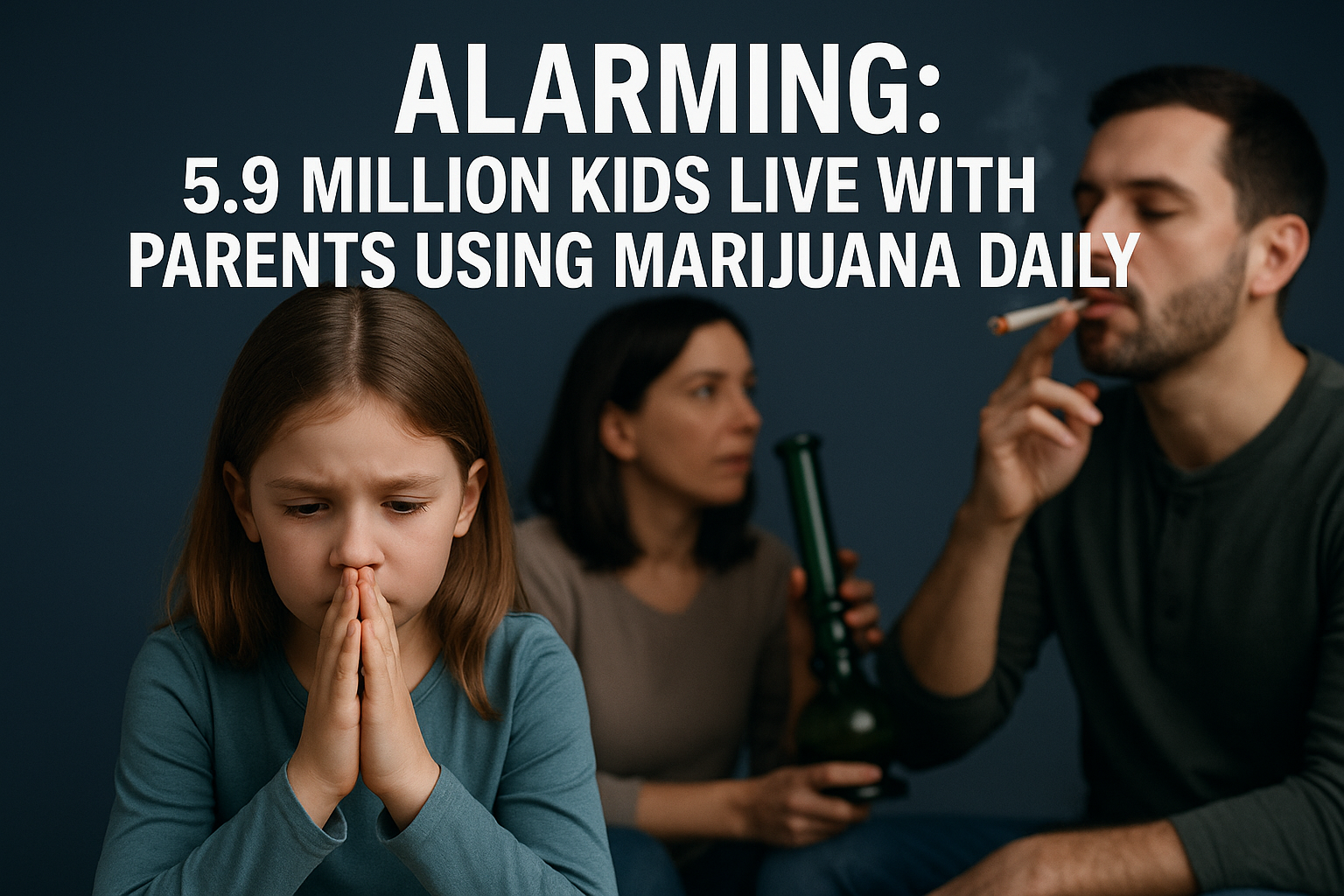
This isn’t just about a casual weekend indulgence; we’re talking about frequent, often daily, marijuana use among parents. The research indicates that by 2024, a staggering 5.9 million American children were living in homes where a parent used cannabis on most days. This isn’t just a statistical blip; it’s a profound shift with real implications for child safety, family dynamics, and the very fabric of how we define responsible parenting in an era of rapidly changing cannabis laws. It’s a conversation that’s long overdue, especially as the topic of marijuana use among parents gains viral traction, fueled by its controversial nature, the shifting legal landscape, and the deeply emotional territory of child welfare.
1. The Soaring Numbers: A Decade of Change
Let’s really dig into what these numbers mean. The study highlights a dramatic increase in marijuana use among parents, painting a picture of a trend that has steadily climbed over the past ten years. It’s not a sudden spike, but a consistent upward trajectory that has now reached a point where it’s impossible to ignore. We’re seeing more parents, from all walks of life, incorporating cannabis into their daily or near-daily routines. This isn’t just about personal choice anymore; when millions of children are involved, it becomes a public health and safety discussion.
Specifically, the research found that 8% of parents reported using cannabis on most days by 2024. Think about that for a moment: one in every twelve parents is regularly using marijuana. Even more concerning is that 5.2% of parents admitted to daily use. These figures represent a significant segment of the parenting population, and they underscore how mainstream cannabis has become for many adults, even those with significant family responsibilities. The normalization of marijuana use among parents is happening before our eyes, and we need to understand its potential consequences.
2. Defining Cannabis Use Disorder: More Than Just Recreational
It’s crucial to differentiate between occasional, recreational use and something more problematic. The study doesn’t shy away from this distinction, revealing that a notable percentage of parents meet the criteria for cannabis use disorder (CUD). By 2024, 6.7% of parents were identified as having CUD. This isn’t just about enjoying cannabis; it implies a pattern of use that leads to clinically significant impairment or distress, often characterized by tolerance, withdrawal symptoms, and a failure to fulfill major role obligations at work, school, or home.
When a parent meets the criteria for CUD, it raises serious questions about their ability to consistently provide a safe, stable, and nurturing environment for their children. Are they fully present? Are their decision-making skills impaired? Is their focus on their children compromised by their need for cannabis? These aren’t easy questions, and they highlight the complex challenges that arise when frequent marijuana use among parents crosses the line into a disorder. It’s a critical point for policymakers and child welfare advocates to consider.
3. Child Safety Concerns: Secondhand Smoke and Impaired Parenting
The immediate and most tangible concern raised by these findings is child safety. Just like with tobacco, secondhand marijuana smoke is a real and present danger. Children, with their developing lungs and smaller bodies, are particularly vulnerable to the harmful effects of inhaling smoke, regardless of its source. Exposure to secondhand cannabis smoke can lead to respiratory issues, increased risk of infections, and potentially long-term health problems. This is a non-negotiable health risk that parents need to be fully aware of, even if they believe they are being discreet. (See: CDC on marijuana use trends.)
Beyond the smoke itself, there’s the broader issue of impaired parenting. While the effects of cannabis vary from person to person, frequent use can impact cognitive function, reaction time, and judgment. For parents, these are vital capacities needed for constant vigilance and responsive care. An impaired parent might be less attentive, slower to react to a child’s needs or emergencies, or simply less engaged in their child’s development. This isn’t to say all parents who use cannabis are neglectful, but it opens a critical dialogue about the potential for compromised care when frequent use becomes the norm.
4. The Evolving Legal Landscape and Societal Perception
One of the driving forces behind this increase in marijuana use among parents is undeniably the rapidly changing legal landscape. With more and more states legalizing cannabis for recreational and medicinal purposes, the societal perception of marijuana has shifted dramatically. What was once a taboo substance is now, in many places, available at licensed dispensaries, advertised openly, and discussed with increasing normalcy. This normalization, while a win for proponents of cannabis reform, also brings with it new responsibilities and complexities, especially for parents.
The ease of access and the diminished stigma mean that parents might feel more comfortable using cannabis openly, even at home. However, the legal status of marijuana doesn’t automatically equate to its safety or appropriateness in all contexts, particularly around children. It creates a disconnect: what’s legally permissible might not always align with best practices for child welfare. This evolving environment requires a nuanced conversation that goes beyond simple legality and delves into ethical parenting choices.
5. Family Dynamics: Openness vs. Secrecy
The presence of frequent marijuana use in a household can profoundly impact family dynamics. Some parents might choose to be open about their cannabis use, treating it like alcohol consumption. Others might try to keep it a secret from their children, leading to an atmosphere of furtiveness or inconsistency. Both approaches come with their own set of challenges. Openness requires careful age-appropriate explanations and boundary setting, while secrecy can breed distrust and confusion if children eventually discover the truth.
Consider the example set for children. When parents regularly use a substance, children observe and internalize those behaviors. What messages are being sent about coping mechanisms, relaxation, or adult responsibilities? These are not trivial questions. The study’s findings spark widespread discussion among parents and policymakers precisely because they touch upon these intricate aspects of family life, probing into how parental substance use shapes the environment in which children grow and develop.
6. The Need for Education and Support
Given the dramatic rise in marijuana use among parents, there’s an urgent need for targeted education and support programs. Many parents might not fully understand the potential risks associated with cannabis use around children, from secondhand smoke to impaired judgment. Providing clear, evidence-based information, without judgment, is a crucial first step. This education should cover not only the physical risks but also the psychological and developmental impacts on children.
Furthermore, parents who are struggling with frequent cannabis use or who meet the criteria for cannabis use disorder need accessible support systems. This could include counseling, therapy, or peer support groups specifically tailored to parents. Simply condemning the behavior isn’t productive; offering pathways to healthier coping strategies and responsible parenting is far more effective. It’s about empowering parents to make informed choices that prioritize their children’s well-being above all else. (See: NIH study on parental marijuana use.)
7. Policy Implications: Balancing Rights and Responsibilities
The findings from this study have significant implications for public policy. As states continue to grapple with cannabis legalization, there’s a growing need to address the intersection of parental rights and child welfare. Should there be stricter regulations on cannabis advertising that reaches parents? Are current child protective services guidelines adequate to address potential neglect stemming from cannabis use disorder?
Policymakers face the delicate task of balancing individual liberties – the right of adults to legally consume cannabis – with the paramount responsibility to protect children. This might involve funding more research into the long-term effects of parental cannabis use, developing public awareness campaigns, or even exploring new intervention strategies for families where cannabis use becomes problematic. It’s a complex issue without easy answers, demanding thoughtful consideration from all stakeholders.
8. The ‘Why Now?’: Understanding the Drivers of Increase
Why are we seeing this sharp increase in marijuana use among parents specifically now? Beyond the obvious factor of legalization, several other societal trends might be at play. Increased stress levels among parents, exacerbated by economic pressures, the pandemic, and the general demands of modern life, could be contributing factors. For some, cannabis might be perceived as a less harmful way to unwind or cope compared to alcohol or other substances.
There’s also the influence of popular culture and social media, which often portray cannabis use in a casual, even glamorous light, without always highlighting the potential downsides, especially for those with children. Understanding these underlying drivers is essential for developing effective strategies to address the concerns raised by the study. It’s not enough to just know the numbers; we need to understand the human stories behind them.
9. The Impact on Adolescent Development: A Precedent Set
Beyond the immediate safety concerns for young children, the rising trend of marijuana use among parents also raises questions about its long-term impact on adolescent development. Children are highly impressionable, and witnessing parental substance use can shape their own attitudes and behaviors toward drugs as they grow older. A parent’s casual cannabis use might inadvertently normalize it for their teenager, potentially leading to earlier experimentation or a more permissive attitude towards substance use.
Research consistently shows that early initiation of cannabis use in adolescents is associated with a higher risk of developing cannabis use disorder, poorer academic performance, and other mental health challenges. When parents use marijuana, they need to be mindful of the message they are sending to their older children. Are they creating an environment where responsible choices are modeled, or are they blurring the lines in a way that could lead to future struggles for their kids? This often overlooked aspect of parental cannabis use is crucial for a complete understanding of its societal implications. (See: AP News on cannabis legislation.)
10. Dispelling Misconceptions: What Parents Need to Know
A significant barrier to addressing problematic marijuana use among parents is the prevalence of misconceptions. Many parents believe cannabis is entirely harmless, especially compared to alcohol, or that its effects are so mild they won’t impact their parenting abilities. It’s important to clarify that while cannabis may have different risks than alcohol, it’s not without its own set of potential issues, particularly when used frequently.
For example, some might think that consuming edibles is safer than smoking around children because there’s no secondhand smoke. While this eliminates one risk, edibles can have delayed and unpredictable effects, potentially leading to a longer period of impairment. Education must focus on dispelling these myths with factual information about the varying potency of modern cannabis products, the duration of their effects, and the specific ways they can interfere with a parent’s capacity for vigilant, responsive care. Clear, unbiased information helps parents make truly informed decisions.
11. Moving Forward: A Call for Open Dialogue
Ultimately, the study on marijuana use among parents serves as a critical call to action for open, honest, and non-judgmental dialogue. As a society, we need to move beyond simplistic black-and-white views on cannabis and engage in a nuanced conversation about responsible use, particularly within the context of parenting. This means parents talking to each other, communities supporting families, and policymakers crafting thoughtful regulations that prioritize child safety.
For parents who choose to use cannabis, it’s an opportunity to reflect on their habits and ensure they are not compromising their children’s well-being. For those concerned about a loved one, it’s a chance to offer support and resources. The goal isn’t to demonize cannabis or parents who use it, but to ensure that the evolving legal landscape doesn’t inadvertently create new risks for the most vulnerable among us: our children. This is a crucial moment for us to come together and thoughtfully address a challenging, yet increasingly prevalent, aspect of modern family life.
“`
Trending Now
Frequently Asked Questions
How many children live with parents who use marijuana daily?
By 2024, an estimated 5.9 million American children are projected to live in homes where a parent uses cannabis on most days, highlighting a significant trend in parental marijuana use.
What are the implications of parents using marijuana daily?
Frequent marijuana use among parents raises concerns about child safety, family dynamics, and the evolving definition of responsible parenting, particularly in light of changing cannabis laws.
Has marijuana use among parents increased over the years?
Yes, research indicates a substantial rise in marijuana use among parents over the past decade, with a steady increase reaching 8% of parents using cannabis on most days by 2024.
What factors contribute to the rise in parental marijuana use?
The rise in parental marijuana use can be attributed to changing societal attitudes, shifting legal landscapes regarding cannabis, and evolving discussions about its impact on parenting and child welfare.
What does the study in Addictive Behaviors reveal about parenting and cannabis?
The study published in Addictive Behaviors reveals alarming statistics about increasing cannabis consumption among parents, stressing the need for a public health discussion regarding its implications for children and family life.
Agree or disagree? Drop a comment and tell us what you think.






