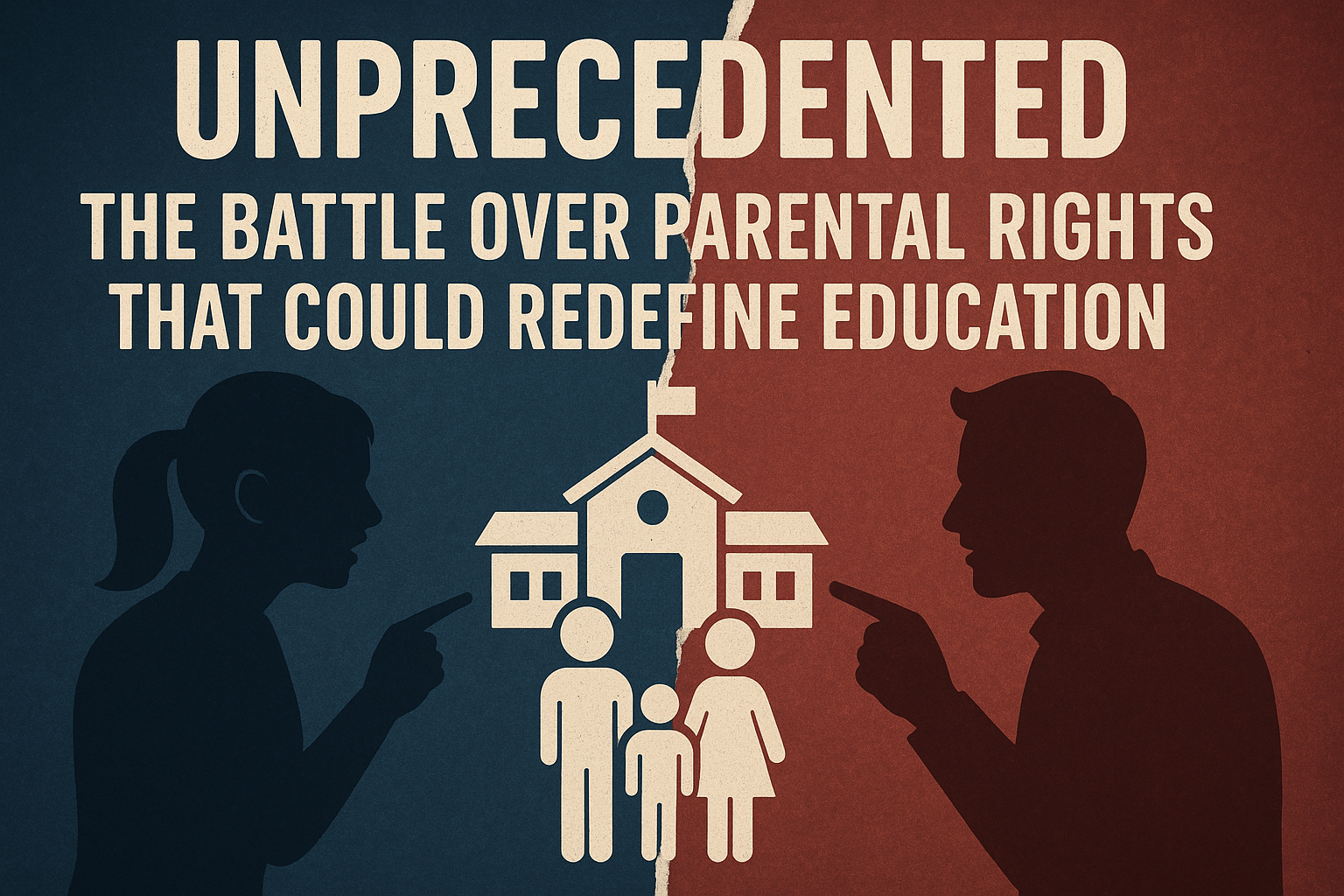

There’s a storm brewing in Washington state, and its thunder is echoing across the nation. On November 3rd, voters will head to the polls to cast their ballots on a ballot measure that has become a lightning rod for debate: the “Parents’ Bill of Rights.” This isn’t just a local issue; it’s a microcosm of a much larger, emotionally charged national conversation about the delicate balance between parental authority, student privacy, and the role of public schools in shaping young minds. At its heart, this initiative seeks to define, in clear legal terms, just how much information parents can access about their children’s lives within the school system.
For years, the push for greater parental involvement in schools has been gaining momentum, often fueled by anxieties over curriculum content, social-emotional learning, and issues of student identity. The Washington initiative, specifically, aims to reinstate the original language of Initiative 2081, a measure that initially passed in 2024 but saw subsequent modifications by the state legislature. This isn’t merely a tweak to existing policy; it’s an attempt to cement a specific vision of parental oversight, one that has ignited passionate arguments from both sides of the aisle. The outcome on November 3rd could set a significant precedent, influencing similar legislative efforts in other states and reshaping the very landscape of education for years to come.
The Core Demands of the Parents Bill of Rights
So, what exactly does this Parents Bill of Rights entail? If passed, it would grant parents several key powers and access points. Perhaps most prominently, it mandates that parents gain access to their student’s academic, medical, and mental health counseling records. The initiative specifies a tight turnaround for this access: within 10 business days. This particular provision is a direct response to concerns many parents have voiced about feeling locked out of crucial information regarding their children’s well-being and academic progress, particularly as schools increasingly offer in-house mental health services.
Beyond record access, the initiative also includes a significant clause allowing parents to opt their children out of assignments that they believe question their family’s fundamental beliefs. This covers a broad spectrum, including matters of morality, religion, and political affiliations. Imagine a situation where a curriculum unit delves into a topic like gender identity, or a historical event viewed through a particular social lens; under this provision, parents could remove their child from that specific lesson or assignment. This isn’t just about controversial topics, though; it also touches on things like sex education, which has long been a flashpoint for parental involvement.
The goal, according to proponents, is to empower parents, giving them a more direct say and greater transparency in their children’s educational journey. They argue that parents are the primary caregivers and moral educators of their children, and schools should not undermine or circumvent that role. This isn’t about micromanaging teachers, they contend, but about ensuring that what’s being taught aligns with family values and that parents are fully informed partners in their child’s development.
Proponents’ Case: Transparency and Empowerment
Those advocating for the Parents Bill of Rights often frame their arguments around fundamental principles of parental authority and the right to direct the upbringing of one’s children. For them, this isn’t a radical demand but a restoration of common-sense rights that they believe have been eroded over time. They see the 10-business-day access to records as a crucial mechanism for accountability and oversight, ensuring that parents aren’t left in the dark about significant aspects of their child’s school experience, especially when it comes to sensitive areas like mental health counseling or medical interventions. (See: CDC on education and youth health.)
A core tenet of their argument is the idea that parents, by virtue of their role, possess an inherent right to know what their children are being taught and what services they are receiving at school. They believe that an informed parent is a better parent, capable of making the best decisions for their child’s welfare. This extends beyond academics to the very values and beliefs being imparted. The opt-out provision, therefore, is not about censorship, but about protecting a family’s right to instill their own moral and religious frameworks without direct contradiction from the school curriculum.
Many proponents point to specific instances where they felt schools overstepped their bounds, whether by discussing sensitive topics without parental consent, or by withholding information about a child’s struggles or identity exploration. They argue that the school system, while vital, should never replace the family unit as the primary influence in a child’s life. This initiative, in their view, is a necessary corrective, ensuring that parents remain at the helm of their children’s education and moral development.
Opponents’ Concerns: Privacy and Student Safety
On the other side of this passionate debate are those who vehemently oppose the Parents Bill of Rights, arguing that it removes crucial protections for students and their families. Organizations like Planned Parenthood Alliance Advocates have been vocal critics, contending that while the initiative purports to empower parents, it could inadvertently put vulnerable students at risk, particularly concerning privacy around gender identity and mental health.
One of the most significant fears is that requiring schools to disclose mental health counseling records or information about a student’s gender identity could lead to unsafe situations at home. Imagine a LGBTQ+ student who feels safe enough to confide in a school counselor about their identity, but whose home environment is unsupportive or even hostile. Under this initiative, that confidential conversation could be revealed to parents, potentially outing the student against their will and exposing them to emotional, or even physical, harm.
Opponents also worry about the chilling effect this could have on student-teacher relationships and the willingness of students to seek help. If students know that anything they say to a school counselor or teacher could be immediately accessible to their parents, they might be less likely to reach out when they are struggling with mental health issues, bullying, or even abuse. This could lead to students suffering in silence, potentially exacerbating problems that schools are uniquely positioned to help address.
Furthermore, critics argue that not all parents have their child’s best interests at heart, or that some may use this access to records to control or punish their children. They emphasize that while parental rights are important, they must be balanced against the child’s right to privacy and safety, especially as they mature and begin to form their own identities and beliefs. The existing framework, they suggest, already provides avenues for parental involvement while also offering safeguards for student well-being. (See: Associated Press news on education policy.)
The National Context: A Broader Culture War
This debate in Washington state isn’t happening in a vacuum; it’s a prominent battleground in a much larger national culture war playing out in schools and legislative bodies across the United States. The tension between parental authority and student privacy has become a highly viral topic, fueled by social media and intense media coverage. From discussions about critical race theory to debates over library book selections, and now to this Parents Bill of Rights, schools have become a focal point for ideological clashes.
Across the country, we’ve seen a surge in legislation aimed at defining parental rights in education. States like Florida have passed similar measures, often dubbed “Don’t Say Gay” laws by critics, which restrict discussions of sexual orientation and gender identity in classrooms. Other states are debating curriculum transparency laws, requiring schools to publish all instructional materials online. These efforts are often driven by conservative groups who feel that public education has strayed too far from traditional values and parental oversight.
The core of this national tension lies in differing philosophies about who holds primary responsibility for a child’s moral and social development. Is it solely the parents, with schools acting as neutral facilitators of academic learning? Or do schools have a broader role in fostering social-emotional development, critical thinking, and a safe, inclusive environment for all students, even if that sometimes involves navigating sensitive topics without immediate parental disclosure? This fundamental disagreement is what makes the Parents Bill of Rights such an emotionally charged and polarizing issue, far beyond the borders of Washington state.
Implications for Schools, Students, and Families
If the Parents Bill of Rights passes in Washington, the implications will be far-reaching, fundamentally altering the operational dynamics of public schools and the relationships between educators, students, and families. For schools, the administrative burden alone could be substantial. Imagine the process of responding to every parental request for records within 10 business days, or managing a system for opting students out of specific assignments based on family beliefs. This could strain resources, divert staff from instructional duties, and create complex logistical challenges.
For students, the impact could be profound and varied. While some students might feel more supported knowing their parents have greater insight, others, particularly those from marginalized groups or those grappling with sensitive personal issues, might feel a loss of autonomy and privacy. The fear of disclosure could lead to increased anxiety, reluctance to confide in school staff, and a potential chilling effect on their ability to explore their identity or seek necessary support. This could inadvertently create an environment where students feel less safe to be their authentic selves at school. (See: New York Times education section.)
Families, too, will experience shifts. For parents who have felt disempowered, this initiative could bring a sense of relief and renewed control. However, for families where a child’s identity or struggles might put them at odds with parental beliefs, it could create new tensions and exacerbate existing challenges. The ballot measure, therefore, has the potential to deepen divides within communities, rather than fostering greater understanding and collaboration between homes and schools.
Looking Ahead: The Vote and Its Ripple Effect
As November 3rd approaches, the debate in Washington state will undoubtedly intensify. Both proponents and opponents are mobilizing, spending resources, and making their cases to voters. This isn’t just a vote on a piece of legislation; it’s a vote on the very philosophy of education and the boundaries of privacy and parental involvement in a rapidly changing world. The outcome will be watched closely by policymakers, advocacy groups, and families across the nation.
Regardless of the result, this initiative has already sparked crucial conversations that need to happen. How do we ensure parents feel heard and respected in their role as primary educators? How do we simultaneously protect the privacy and well-being of all students, especially those who might be vulnerable? And what is the appropriate role of public schools in addressing the complex social and emotional needs of young people today? These are not easy questions, and there are no simple answers. The Washington state vote on the Parents Bill of Rights is not an endpoint, but rather a significant marker in an ongoing, vital dialogue about the future of our children’s education and their place in a diverse and evolving society.
Trending Now
- this guide on 1xbet: kazino və i̇dman mərcləri tətbiqləri google play-də mövcuddur.
- this guide on de bedste danske casino hitnspin sider: online casinoer
- Disturbing Trend: AI-Generated Images Spark Real-World…
- our breakdown of hackers steal personal data of millions of california students in massive breach – la times
Frequently Asked Questions
What is the Parents' Bill of Rights in Washington state?
The Parents' Bill of Rights is a proposed measure in Washington state that would grant parents access to their children's academic, medical, and mental health records from schools within 10 business days. It aims to reinforce parental authority and involvement in education amidst ongoing debates about student privacy and curriculum content.
Why is the Parents' Bill of Rights controversial?
The Parents' Bill of Rights is controversial because it raises questions about the balance between parental oversight and student privacy. Supporters argue it empowers parents, while opponents fear it could undermine student confidentiality and the autonomy of educators in addressing sensitive issues.
How could the Parents' Bill of Rights affect education nationwide?
If the Parents' Bill of Rights passes in Washington state, it could set a precedent for similar legislative efforts in other states. This could reshape educational policies across the country regarding parental access to student information and influence the national conversation on parental rights in education.
What changes does the Parents' Bill of Rights propose from previous initiatives?
The Parents' Bill of Rights seeks to reinstate the original language of Initiative 2081, which was modified by the state legislature. It emphasizes parental access to critical information about their children, aiming to establish a clearer legal framework for parental involvement in education.
When will voters decide on the Parents' Bill of Rights?
Voters in Washington state will head to the polls on November 3rd to decide on the Parents' Bill of Rights. The outcome of this vote could significantly influence the future of parental rights and educational policies in the state and beyond.
What's your take on this? Share your thoughts in the comments below — we read every one.