

“`html
Understanding Avoidant Attachment
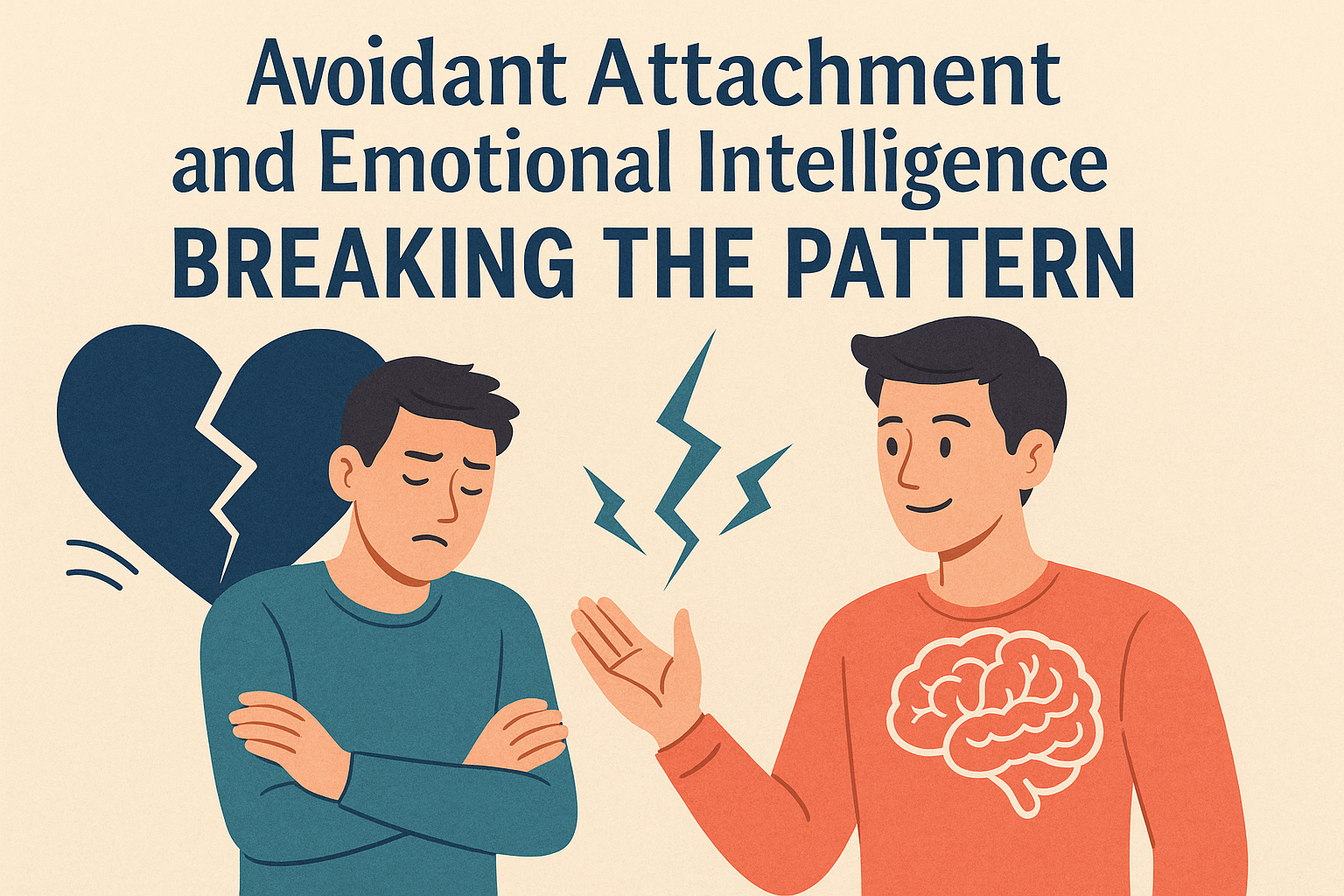
Avoidant attachment is a pattern of behavior usually rooted in childhood experiences, where individuals learn to suppress their emotions and distance themselves from others. This can stem from a variety of sources, such as inconsistent caregiving or an emotionally unavailable parent. Children who develop an avoidant attachment style often grow into adults who struggle with intimacy and emotional connection. We covered Signs of avoidant attachment in more detail.
Typically, these individuals view emotional dependency as a weakness and prioritize self-sufficiency, leading them to avoid closeness in relationships. Recognizing this pattern is the first step toward change, and understanding how it interacts with emotional intelligence is crucial for personal growth.
The Role of Emotional Intelligence
Emotional intelligence (EI) refers to the ability to perceive, use, understand, manage, and regulate emotions in oneself and others. It’s divided into several key components: self-awareness, self-regulation, motivation, empathy, and social skills. Together, these elements allow individuals to navigate social complexities effectively and build strong interpersonal relationships.
For those with an avoidant attachment style, emotional intelligence may not come as naturally. Their tendency to distance themselves from emotions can hinder their ability to read emotional cues, empathize with others, or even understand their feelings. This disconnect can complicate relationships, making it harder to form meaningful connections or resolve conflicts.
How Avoidant Attachment Impacts Emotional Intelligence
Research has shown a strong correlation between attachment styles and emotional intelligence. Individuals with avoidant attachment often exhibit lower levels of EI, primarily due to their coping mechanisms. Here’s how avoidant attachment can disrupt the development of emotional intelligence:
- Self-Awareness: People with avoidant attachment often struggle to recognize their own emotions. They might dismiss their feelings as unimportant, or they may have never learned to articulate their emotions effectively. This lack of awareness makes it difficult to engage in self-reflection, a critical component of emotional intelligence.
- Self-Regulation: While avoidant individuals may excel at maintaining their emotional composure, this can be misleading. Their tendency to suppress emotions can lead to emotional outbursts or unhealthy coping mechanisms when they inevitably arise.
- Empathy: Empathy is challenging for someone who avoids emotional closeness. An avoidantly attached person may find it easier to understand logical arguments than emotional expressions, which can lead to strained relationships and misunderstandings.
- Social Skills: Struggling with emotional cues affects social interactions and the ability to forge deep connections. Avoidantly attached individuals often feel uncomfortable in social situations that require vulnerability, making it difficult to establish trust.
Breaking the Pattern: Steps Toward Growth
Recognizing the pattern of avoidant attachment and its impact on emotional intelligence is the first step to making a change. Here are some practical strategies to help individuals break the cycle:
1. Cultivate Self-Awareness
Begin by reflecting on your emotional responses. Journaling can be a powerful tool for self-expression and can help you identify patterns in your emotional life. Ask yourself questions like, “When do I feel anxious or uncomfortable?” or “What triggers my need to pull away?” This will help you develop a deeper understanding of your emotional landscape. (See: Understanding avoidant attachment style.)
2. Practice Emotional Regulation
Learning to manage your emotions does not mean suppressing them. Instead, develop healthy coping strategies, such as mindfulness, meditation, or deep-breathing exercises. These techniques can help you stay present and calm during emotionally charged situations, allowing you to respond rather than react.
3. Improve Empathy Skills
To enhance empathy, practice active listening. When engaging in conversations, focus entirely on the speaker and try to understand their perspective without judgment. Ask clarifying questions and validate their feelings, even if you don’t agree. Gradually, this practice can help you connect more deeply with others.
4. Build Trust in Relationships
Take small steps toward vulnerability with trusted friends or family members. Share your thoughts and feelings, even if it feels uncomfortable. Trust is built over time, and allowing yourself to be vulnerable can foster deeper connections, which in turn will support your emotional intelligence development.
5. Seek Professional Guidance
Therapy can be an invaluable resource for individuals struggling with avoidant attachment. A mental health professional can help you explore the underlying causes of your attachment style, provide strategies to cope with emotional discomfort, and guide you in building healthier relationships.
Current Relevance and Societal Impact
The conversation around avoidant attachment and emotional intelligence is increasingly pertinent in today’s society. As mental health awareness grows, more individuals are seeking to understand their emotional styles and how they affect their lives and relationships. The rise of social media and digital communication also plays a critical role in how relationships are formed and maintained today.
In a world where face-to-face interactions are diminishing, the skills associated with emotional intelligence become even more crucial. Individuals with avoidant attachment may find it easier to express themselves in digital formats, yet this can also exacerbate their emotional disconnection in real-life interactions. The challenge lies in bridging the gap between online and offline emotional engagement.
Statistics on Attachment Styles and Emotional Intelligence
Understanding the implications of avoidant attachment on emotional intelligence is further emphasized by several key statistics:
- According to research published in the Journal of Personality and Social Psychology, about 25% of adults exhibit avoidant attachment styles, affecting their ability to connect with others emotionally.
- A study from the University of Maryland found that individuals with high emotional intelligence are 60% more likely to maintain satisfying relationships than those with lower emotional intelligence.
- Research from the American Psychological Association indicates that emotional intelligence can be improved over time, with studies showing a 30% increase in emotional intelligence scores after targeted interventions.
Expert Perspectives on Avoidant Attachment
Experts in psychology and emotional intelligence often highlight the importance of addressing avoidant attachment. Dr. John Bowlby, a pioneer in attachment theory, posited that early relationships with caregivers shape our interactions later in life. Modern therapists build on this foundation, noting that breaking down avoidant tendencies can significantly enhance emotional intelligence. (See: Impact of childhood experiences on attachment.)
Dr. Linda Graham, a renowned psychologist, emphasizes the value of vulnerability in relationships: “Being vulnerable is not a flaw; it’s a strength. It allows for authentic connections and deeper emotional experiences.” Her insights suggest that addressing avoidant attachment can lead to considerable improvements in both personal well-being and relational dynamics.
Comparing Avoidant Attachment with Other Styles
It’s important to recognize how avoidant attachment differs from other attachment styles:
- Anxious Attachment: Unlike avoidant individuals, those with an anxious attachment style crave closeness and intimacy but often fear abandonment. This can lead them to behave clingily or obsessively, whereas avoidant individuals tend to withdraw.
- Secure Attachment: Individuals with a secure attachment style are comfortable with intimacy and can both give and receive emotional support. They typically have high emotional intelligence and can navigate relationships effectively.
- Disorganized Attachment: This style combines elements of both anxious and avoidant styles, often resulting from trauma. Individuals may behave unpredictably in relationships, displaying both clinginess and withdrawal.
Understanding these differences can provide valuable insights into one’s own emotional patterns and how to work toward a more secure attachment style.
Frequently Asked Questions (FAQ)
What causes avoidant attachment?
Avoidant attachment typically stems from early childhood experiences, such as inconsistent caregiving, parental emotional unavailability, or neglect. These experiences can lead individuals to suppress their emotions and prioritize self-sufficiency.
Can avoidant attachment change over time?
Yes, avoidant attachment can change over time, especially with self-awareness and effort. Engaging in therapeutic practices, improving emotional intelligence, and working on interpersonal relationships can foster a more secure attachment style.
How can I tell if I have avoidant attachment?
Signs of avoidant attachment include discomfort with intimacy, a fear of being dependent on others, and a tendency to shut down emotionally during conflicts. Reflecting on your past relationships and emotional responses can provide further insights.
Is it possible to have a healthy relationship with an avoidant partner?
Yes, relationships can thrive with an avoidant partner, especially if both individuals are willing to communicate openly and work on their emotional intelligence. Understanding each other’s attachment styles can promote empathy and reduce conflicts. See also Strategies for parenting children.
How does avoidant attachment impact parenting?
Avoidant attachment can influence parenting styles, often leading to less emotional availability for children. Parents with this attachment style may struggle to engage in emotionally supportive behaviors, which can perpetuate the cycle of avoidant attachment in their children. Recognizing these patterns is essential for parents who wish to foster secure attachments with their kids.
What strategies can help someone with avoidant attachment improve emotional intelligence?
To improve emotional intelligence, individuals with avoidant attachment can focus on enhancing their emotional vocabulary, practicing emotional awareness through mindfulness, seeking feedback from trusted individuals, and participating in group activities that challenge their comfort zones. Engaging in role-playing scenarios can also help them practice and improve their social skills.
The Path Forward
Moving beyond avoidant attachment and enhancing emotional intelligence is a journey that requires patience and commitment. By recognizing the patterns that hold you back, actively working on self-awareness, and implementing new strategies, you can cultivate healthier relationships and a deeper understanding of both yourself and others.
Ultimately, breaking the pattern of avoidant attachment is not just about personal growth; it’s about creating a ripple effect that can improve the emotional health of those around you. As you evolve, your newfound emotional intelligence can foster deeper connections and create a more empathetic world.
“`
Trending Now
Frequently Asked Questions
What is avoidant attachment?
Avoidant attachment is a behavioral pattern typically formed in childhood, where individuals learn to suppress their emotions and maintain distance from others. This can result from inconsistent caregiving or emotionally unavailable parents, leading to difficulties with intimacy and emotional connections in adulthood.
How does avoidant attachment affect relationships?
Individuals with avoidant attachment often struggle with intimacy and emotional closeness. They may view emotional dependency as a weakness and prioritize self-sufficiency, which can lead to challenges in forming meaningful connections and resolving conflicts in relationships.
What is emotional intelligence?
Emotional intelligence (EI) is the ability to perceive, use, understand, manage, and regulate emotions in oneself and others. Key components include self-awareness, self-regulation, motivation, empathy, and social skills, which are essential for navigating social complexities and building strong relationships.
Can avoidant attachment be changed?
Yes, recognizing and understanding avoidant attachment patterns is the first step toward change. With awareness and effort, individuals can work to develop emotional intelligence, improve their ability to connect with others, and foster healthier relationships.
How does emotional intelligence relate to attachment styles?
Research indicates a strong correlation between attachment styles and emotional intelligence. Individuals with avoidant attachment often demonstrate lower levels of EI due to their emotional distancing, which can hinder their ability to empathize, read emotional cues, and understand their own feelings.
Have you experienced this yourself? We’d love to hear your story in the comments.



