
One of the most fascinating and rapidly evolving trends in the maker movement is biomaking, also known as DIY biology or biohacking. This trend represents the democratization of biotechnology, bringing sophisticated biological techniques out of professional labs and into the hands of curious makers and citizen scientists.
At the forefront of this trend is the creation of home labs and community biolabs. These spaces are equipped with tools like PCR machines, centrifuges, and microscopes, often built or modified by the makers themselves to be more affordable. In these labs, enthusiasts are conducting experiments ranging from DNA extraction and analysis to culturing microorganisms and even genetic engineering using CRISPR technology.
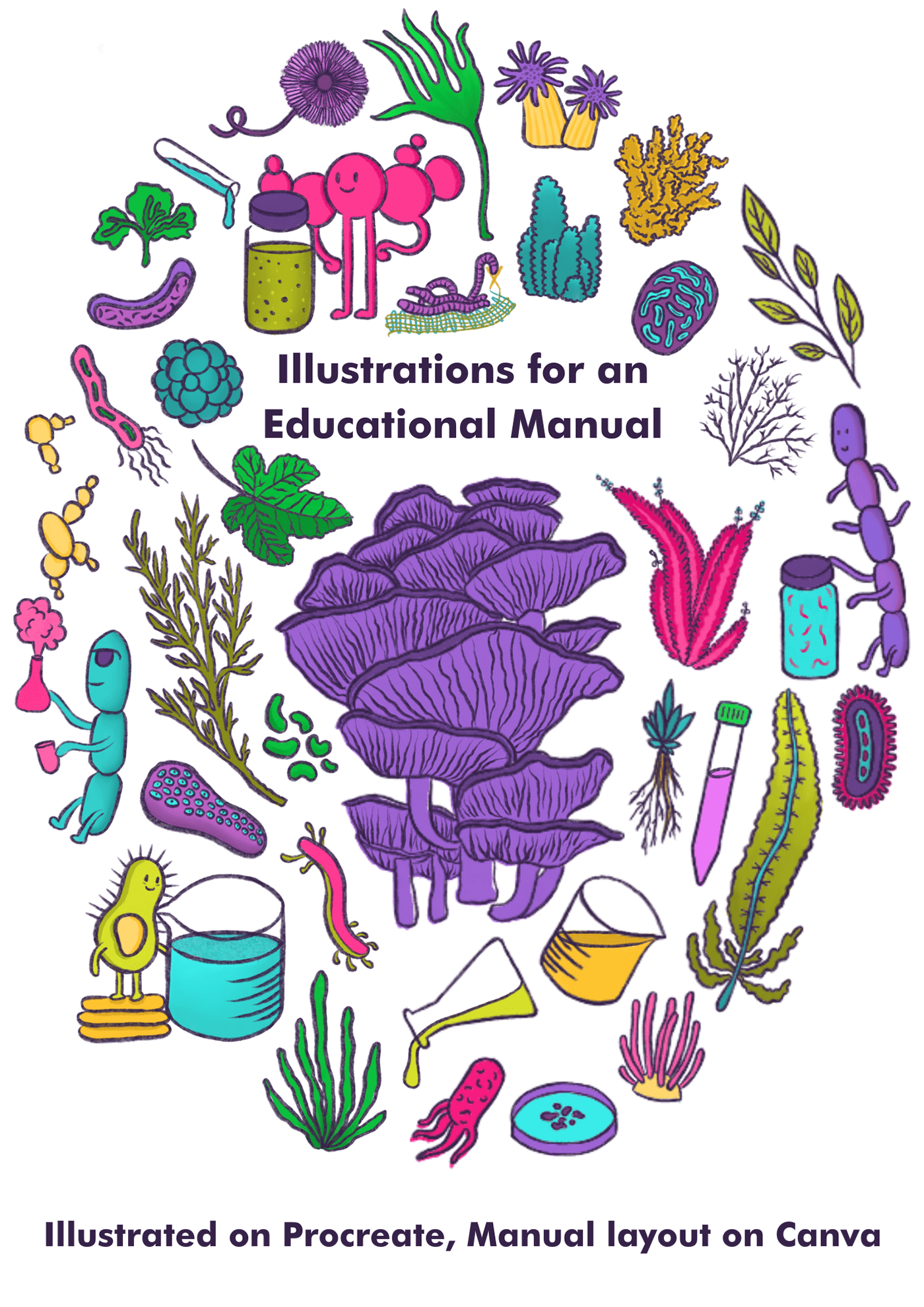
One popular area of biomaking is the cultivation of alternative materials. Makers are growing their own biodegradable plastics using bacteria, creating leather-like materials from kombucha cultures, and developing building materials from mycelium (fungal networks). These projects not only showcase the potential of biological processes but also address environmental concerns by creating sustainable alternatives to traditional materials.
Bioart is another exciting aspect of this trend. Makers are using living organisms as their medium, creating stunning visual pieces that challenge our perception of art and life. This includes paintings made with bioluminescent bacteria, sculptures grown from crystals in nutrient solutions, and even “living” clothing made from algae.
In the realm of food technology, biomakers are exploring fermentation, creating their own probiotics, and even venturing into cellular agriculture – the production of animal products like milk and meat without the animals. While these projects often start as curiosity-driven experiments, they have the potential to address global challenges in food security and sustainability.
Health and medicine are also key areas of focus. DIY biology enthusiasts are working on projects like developing low-cost diagnostic tools, creating personalized probiotics, and even exploring gene therapy. While these projects often remain in the experimental stage due to regulatory constraints, they’re pushing the boundaries of what’s possible in citizen science.
Education plays a crucial role in the biomaking trend. Online platforms and community labs offer courses on basic lab techniques, genetics, and microbiology. These educational initiatives are crucial not only for skill development but also for fostering discussions on the ethical implications of biotechnology.
The open-source ethos of the maker movement is strongly present in biomaking. Protocols, designs for DIY lab equipment, and even genetic sequences are freely shared online, fostering a collaborative environment that accelerates innovation.
As this trend continues to grow, we can expect to see more integration of biology with other maker disciplines. The combination of biomaking with 3D printing, for instance, is already leading to exciting developments in areas like tissue engineering and bioprinting.
While biomaking presents enormous potential, it also raises important ethical and safety considerations. The maker community is actively engaged in discussions about responsible practices, biosafety, and the societal implications of democratized biotechnology.