Pedagogue Blog

Wine, Women and Shoes charity event benefitting those in need to seek higher education

Imagine an evening where fine wine, fabulous footwear, and philanthropy come together to create a dazzling spectacle of generosity. The annual Wine, Women and Shoes charity event is set to uncork a world of opportunities for those aspiring to reach new heights through higher education.

Mark your calendars for this extraordinary gathering, taking place on [Event Date] at [Event Location]. This isn’t just another fundraiser – it’s a celebration of empowerment, style, and the transformative power of education.

As attendees swirl their glasses and admire the latest fashion trends, they’ll be doing more than indulging in life’s finer pleasures. Every sip and every step will contribute to a noble cause: providing scholarships for deserving individuals who dream of pursuing higher education.

Picture a young woman, the first in her family to attend college, walking across the stage to receive her diploma. Or a single parent, juggling work and family, finally able to complete their degree and secure a brighter future. These are the stories that the Wine, Women and Shoes event aims to make possible.

The evening promises to be a feast for the senses. Guests will:

Savor exquisite wines from renowned vineyards

Delight in a stunning shoe fashion show

Bid on exclusive silent auction items

Network with like-minded philanthropists

Dance the night away to live entertainment

But beyond the glitz and glamour lies the heart of the event – the opportunity to make a tangible difference in someone’s life. By attending, you’re not just raising a glass; you’re raising hopes and opening doors for those who might otherwise find higher education out of reach.

Ready to step up for education? Join us at the Wine, Women and Shoes charity event. Your presence will help turn dreams of higher education into reality. Let’s toast to a future where everyone has the chance to pursue their academic aspirations!

These 50 Pa. school districts are getting extra money because of their high tax burdens

In a move that highlights the complex landscape of educational funding, 50 Pennsylvania school districts are set to receive additional financial support due to their exceptionally high tax burdens. This development sheds light on the ongoing struggle many communities face in balancing quality education with sustainable taxation.

The reasons behind these high tax burdens are multifaceted and deeply rooted in local economics and demographics. Many of these districts are grappling with declining populations and shrinking tax bases, forcing them to raise property taxes to maintain educational standards. In some cases, the presence of tax-exempt properties, such as universities or hospitals, further narrows the tax base, shifting more of the burden onto residential property owners.

Another significant factor is the aging infrastructure in many of these districts. Older school buildings require costly maintenance and renovations, driving up expenses that must be covered through local taxes. Additionally, some districts face higher costs due to geographical challenges, such as serving sparsely populated rural areas that require extensive transportation networks.

The impact of these high tax burdens on school districts is profound. While striving to provide quality education, many districts find themselves caught in a vicious cycle. High taxes can deter new residents and businesses, further eroding the tax base and potentially leading to budget cuts that affect educational quality. This, in turn, can make the district less attractive to families, perpetuating the cycle.

The extra funding these 50 districts are receiving is a recognition of this struggle. While the details of the additional money are not specified, it’s likely aimed at providing some relief to these overburdened communities. This support could potentially allow districts to maintain or improve educational programs without further increasing the tax burden on residents.

However, this additional funding is not a long-term solution to the underlying issues. It raises important questions about the sustainability of current educational funding models and the need for broader reforms. As Pennsylvania grapples with these challenges, it’s clear that finding a balance between educational quality and fair taxation will require innovative thinking and collaborative efforts from all stakeholders.

The situation in these 50 districts serves as a microcosm of broader issues facing many communities across the nation. As we move forward, it’s crucial to consider how we can create more equitable and sustainable funding models that ensure all students have access to quality education without placing undue burdens on local taxpayers.

“Exploiting Generative AI for Transformative Change in Higher Education”

In the ever-evolving landscape of higher education, a revolutionary force is emerging: generative AI. This cutting-edge technology is poised to reshape the very foundations of how we teach and learn, offering unprecedented opportunities to enhance the educational experience.

At the heart of this transformation lies the potential to revolutionize teaching methods. Generative AI is not just a tool; it’s a catalyst for innovation in the classroom. Imagine a world where:

Personalized learning becomes the norm, with AI-generated content tailored to each student’s unique needs and learning style.

Interactive simulations bring complex concepts to life, allowing students to explore and experiment in virtual environments.

Instant feedback on assignments helps students identify areas for improvement in real-time.

These are not distant dreams but tangible realities that generative AI is making possible today.

One of the most exciting applications is in content creation. Educators can leverage AI to generate diverse learning materials, from interactive quizzes to comprehensive study guides. This not only saves time but also ensures that content remains fresh and engaging.

Moreover, generative AI can act as a virtual teaching assistant, answering student queries 24/7 and providing additional explanations on complex topics. This frees up educators to focus on higher-level interactions and mentoring.

However, with great power comes great responsibility. As we embrace these transformative technologies, we must also address ethical considerations:

Ensuring equity in access to AI-enhanced education

Maintaining the human touch in teaching

Safeguarding academic integrity in an AI-powered world

The path forward is clear: we must harness the power of generative AI while staying true to the core values of education.

As we stand on the brink of this educational revolution, the question is not whether to adopt generative AI, but how to do so effectively and ethically.

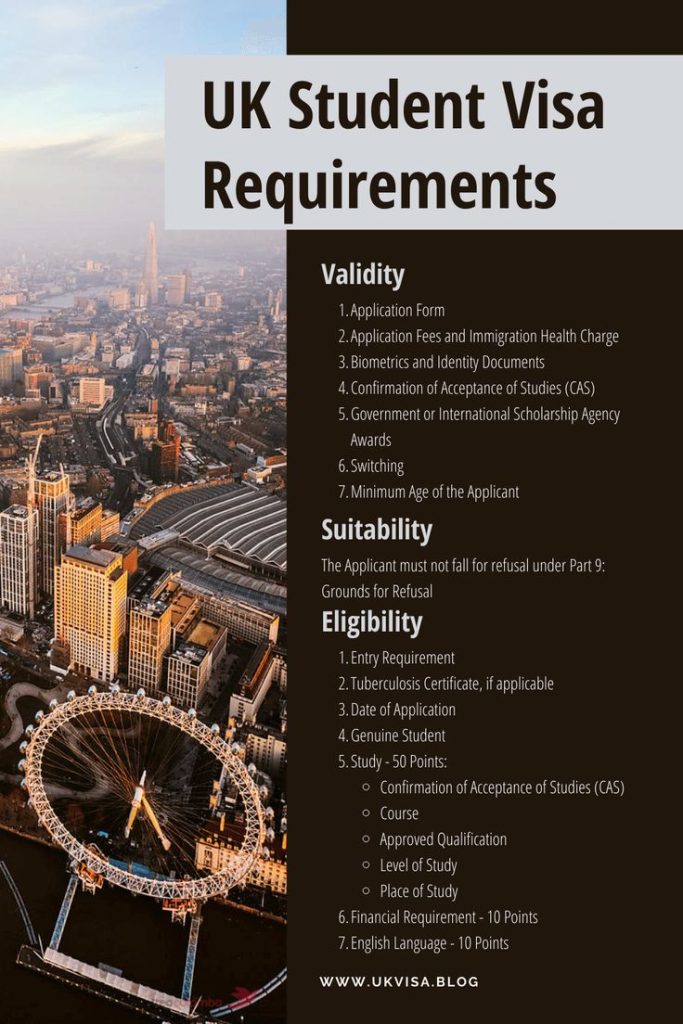
Lifting visa restrictions for foreign students ‘could save’ UK universities

In a bold move that could reshape the landscape of higher education in the United Kingdom, policymakers are considering lifting visa restrictions for international students. This decision, if implemented, has the potential to be a game-changer for UK universities, offering a lifeline in challenging times.

The proposed change comes at a critical juncture for British higher education institutions. With Brexit uncertainties and the aftermath of the global pandemic, UK universities have been grappling with financial pressures and a decline in international student enrollment. However, by easing visa restrictions, the UK could unlock a wealth of opportunities and secure its position as a global education hub.

One of the most significant benefits of this policy shift would be the immediate financial boost for universities. International students contribute substantially to the UK economy, not just through tuition fees but also through living expenses and tourism. By making it easier for these students to study in the UK, universities could see a much-needed increase in revenue, potentially saving institutions that are currently struggling.

Moreover, this change would enhance the diversity and cultural richness of UK campuses. International students bring unique perspectives and experiences, creating a more vibrant and globally-minded academic environment. This cultural exchange is invaluable in preparing all students for an increasingly interconnected world.

Lifting visa restrictions would also give UK universities a competitive edge in the global education market. Countries like Canada and Australia have already implemented student-friendly visa policies, attracting many international students who might have otherwise chosen the UK. By following suit, the UK can reclaim its position as a top destination for global talent.

The long-term benefits extend beyond the education sector. Many international students who study in the UK go on to become ambassadors for British culture and trade in their home countries. Some may even choose to stay and contribute their skills to the UK workforce, addressing skill shortages and driving innovation.

In conclusion, lifting visa restrictions for foreign students is not just about saving universities—it’s about investing in the UK’s future. By embracing this change, the UK can reinvigorate its higher education sector, enrich its cultural landscape, and strengthen its global connections. The time is ripe for the UK to open its doors wider to international students and reap the manifold benefits this bold step promises.

Triumph of mediocrity in the US

In a nation that once prided itself on educational excellence, a disturbing trend has emerged: the triumph of mediocrity in the United States education system. This phenomenon, creeping through classrooms across the country, threatens not only the future of individual students but the very fabric of American innovation and global competitiveness.

The Slow Descent into Average

The American education system, once a beacon of hope and opportunity, has gradually succumbed to a culture of complacency. Standardized testing, originally intended to raise standards, has instead created a environment where teaching to the test has become the norm. This approach stifles creativity and critical thinking, two skills essential for success in the 21st century.

Consider the case of Sarah, a bright high school student with a passion for science. Instead of nurturing her curiosity through hands-on experiments and challenging projects, her teachers focus on drilling facts for state exams. Sarah’s enthusiasm wanes, and her potential remains untapped – a microcosm of a larger, systemic issue.

The Cost of Comfort

This embrace of mediocrity comes at a steep price. As other nations surge ahead in educational achievement, particularly in STEM fields, the US risks losing its edge in innovation and technological advancement. The consequences ripple through the economy, affecting job markets and global competitiveness.

“We’re creating a generation of students who can pass tests but struggle to solve real-world problems,” laments Dr. Emily Chen, an education policy expert. This sentiment echoes across industries, where employers increasingly find graduates lacking in critical thinking and adaptability.

Breaking the Cycle

To reverse this troubling trend, a radical reimagining of the education system is necessary. This includes:

Emphasizing critical thinking over rote memorization

Encouraging creativity and innovation in the classroom

Investing in teacher training and support

Rethinking standardized testing to assess real-world skills

The path forward requires courage from policymakers, educators, and parents alike. It demands a willingness to challenge the status quo and prioritize genuine learning over superficial metrics.

As we stand at this educational crossroads, the question remains: Will we continue to celebrate mediocrity, or will we rise to reclaim the mantle of excellence that once defined American education? The future of our nation’s youth – and our country’s place on the global stage – hangs in the balance.

‘Carve-outs’ sought from Australian international student caps

In a bold move that could reshape Australia’s higher education landscape, stakeholders are pushing for ‘carve-outs’ from the recently implemented international student caps. This development has sparked intense debate, with the economic impact taking center stage in discussions across academia, business, and government circles.

Australia’s international education sector, once a powerhouse contributing billions to the economy, faced a seismic shift when the government introduced caps on international student numbers. These measures, aimed at addressing concerns about housing pressures and maintaining education quality, sent shockwaves through universities and affiliated industries.

Now, as the dust settles, a chorus of voices is calling for a more nuanced approach. ‘Carve-outs’ – exceptions to the general rule – are being sought to allow certain institutions or programs to exceed the caps under specific circumstances. The rationale? Economic resilience and growth.

The potential economic benefits of these carve-outs are tantalizing. International students have long been a vital lifeline for Australian universities, contributing not just through fees but also by enriching local economies. From bustling cafes to thriving rental markets, the ripple effects of international education touch countless businesses.

Consider the case of Sarah, a small business owner in Melbourne. “When international student numbers dropped during the pandemic, it was like the heart of our community stopped beating,” she recalls. “The prospect of bringing more students back through these carve-outs? It’s like a promise of renewed vitality.”

However, the path forward isn’t without its challenges. Critics argue that unrestricted growth could exacerbate existing pressures on housing and infrastructure. There’s also the delicate balance of maintaining Australia’s reputation for high-quality education while increasing student numbers.

Universities, unsurprisingly, are among the most vocal proponents of carve-outs. “We’re not just talking about our bottom line,” asserts Dr. James Lee, Vice-Chancellor of a prominent Australian university. “We’re talking about Australia’s competitive edge in the global knowledge economy.”

Business leaders, too, see potential. The Australian Chamber of Commerce and Industry has highlighted the role of international graduates in addressing skill shortages. “These students often become the innovators and job creators of tomorrow,” their spokesperson emphasized.

Government officials find themselves walking a tightrope, balancing economic benefits against social considerations. The debate continues, but one thing is clear: the economic implications of these potential carve-outs are too significant to ignore.

Universities must play a central role in von der Leyen’s second term

As Ursula von der Leyen embarks on her second term as President of the European Commission, the role of universities in shaping Europe’s future has never been more critical. These institutions of higher learning must step up to become the cornerstone of progress, driving the continent towards a brighter, more innovative tomorrow.

Powering Research and Innovation

At the heart of universities’ contribution lies their unparalleled capacity for research and innovation. In an era marked by rapid technological advancements and global challenges, universities are uniquely positioned to spearhead groundbreaking discoveries and solutions.

Imagine a network of European universities collaborating on cutting-edge research projects, from developing sustainable energy solutions to pioneering advancements in artificial intelligence. This collective brainpower could propel Europe to the forefront of global innovation, ensuring its competitiveness on the world stage.

Beyond the Laboratory

While research and innovation take center stage, universities must also play pivotal roles in other areas crucial to von der Leyen’s vision:

Skills Development: Equipping students with the skills needed for the jobs of tomorrow

Policy Guidance: Providing expert insights to inform EU decision-making

Cultural Exchange: Fostering understanding and unity across diverse European cultures

Navigating Challenges, Seizing Opportunities

The path ahead is not without obstacles. Universities face funding constraints, bureaucratic hurdles, and the need to adapt to rapidly changing societal needs. However, these challenges also present opportunities for growth and transformation.

By embracing digital technologies, forging stronger industry partnerships, and promoting interdisciplinary collaboration, universities can overcome these hurdles and emerge stronger than ever.

A Call to Action

As von der Leyen charts the course for Europe’s future, universities must rise to the occasion. It’s time for these bastions of knowledge to step into the spotlight, driving innovation, shaping policy, and nurturing the next generation of European leaders.

The future of Europe depends on the active involvement of its universities. Let’s ensure they play the central role they’re destined for in von der Leyen’s second term and beyond.

What’s next for Bangladesh’s divisive student politics?

In the hallowed halls of Bangladesh’s universities, a storm is brewing. The once-proud tradition of student politics, which played a pivotal role in the country’s fight for independence, now stands at a critical crossroads. As campus violence escalates, many are left wondering: what’s next for Bangladesh’s divisive student politics?

Bangladesh’s student political scene has long been a breeding ground for future national leaders. From the Language Movement of 1952 to the Liberation War of 1971, students have been at the forefront of social change. However, the landscape has shifted dramatically in recent years, with violence casting a long shadow over campuses nationwide.

The corridors that once echoed with passionate debates now ring with the sounds of conflict. Student wings of major political parties clash regularly, turning academic sanctuaries into battlegrounds. This surge in violence has not only disrupted education but has also eroded public faith in the student political system.

As we look to the future, several paths emerge:

1.Reform from Within: Some argue that student leaders must take the initiative to denounce violence and promote peaceful discourse. This could involve creating codes of conduct and implementing strict disciplinary measures for those who resort to violence.

2.Increased Regulation: Others call for stronger intervention from university administrations and the government. This might include banning student politics on campuses or imposing stricter oversight on student organizations.

3.Depoliticization: A radical approach suggests completely separating student bodies from national political parties, focusing instead on campus-specific issues and student welfare.

4.Digital Transformation: In an increasingly connected world, student politics could shift to online platforms, potentially reducing physical confrontations while broadening participation.

The path forward is not clear-cut, but one thing is certain: the status quo is unsustainable. The future of Bangladesh’s student politics hangs in the balance, and with it, the political landscape of the entire nation.

As we stand at this crucial juncture, it’s time for all stakeholders – students, educators, politicians, and citizens – to come together and reimagine student politics. The challenge is daunting, but the potential rewards are immense. By fostering a culture of constructive debate and peaceful activism, Bangladesh’s students can once again become the vanguard of positive change in society.

The question remains: Will Bangladesh’s student politics evolve to meet the challenges of the 21st century, or will it remain mired in the conflicts of the past? The answer lies in the hands of today’s students and tomorrow’s leaders.

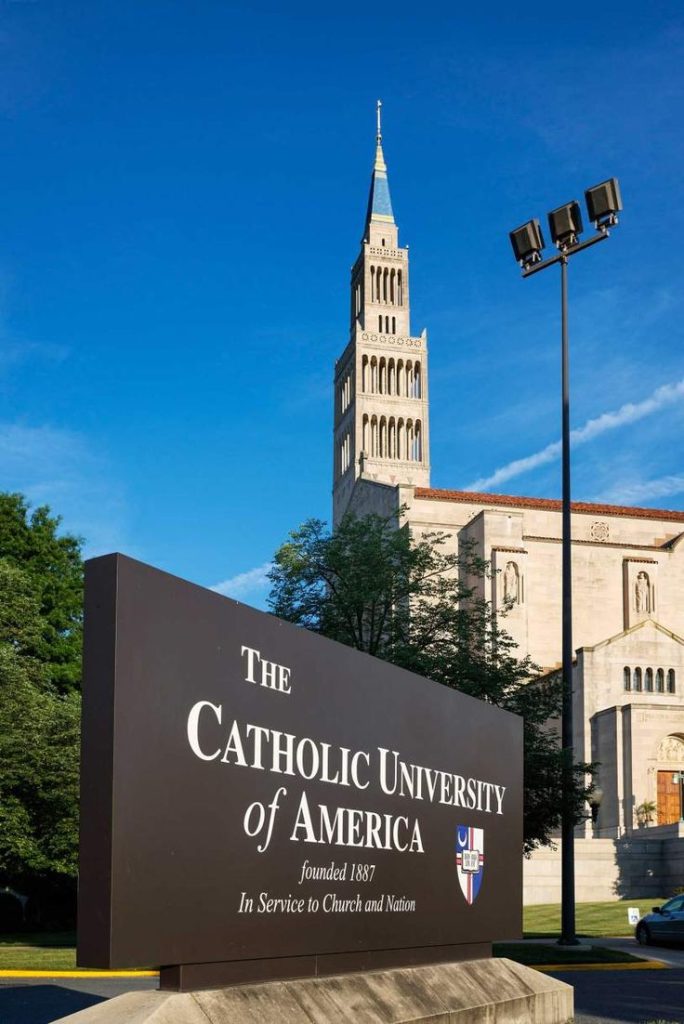
The Catholic university brings diversity and purpose to the higher education sector

In the diverse landscape of higher education, Catholic universities stand as beacons of purpose and inclusivity. These institutions not only offer a rich tapestry of academic programs but also infuse their curricula with values that resonate far beyond the classroom walls.

At the heart of Catholic higher education lies a commitment to academic excellence intertwined with spiritual growth. This unique blend creates an environment where students are encouraged to explore not just their chosen fields of study, but also their place in the world and their responsibility to society. From cutting-edge STEM programs to thought-provoking humanities courses, Catholic universities offer a breadth of academic options that rival their secular counterparts.

What sets these institutions apart is their approach to learning. Catholic universities foster an atmosphere where faith and reason walk hand in hand, encouraging students to ask profound questions and seek meaningful answers. This integration of spiritual inquiry with academic rigor produces graduates who are not only well-versed in their disciplines but also equipped with a strong moral compass.

The diversity within Catholic higher education is truly remarkable. These universities attract students and faculty from all walks of life, creating a vibrant community where different perspectives are valued and celebrated. This rich tapestry of backgrounds and beliefs contributes to a dynamic learning environment, preparing students for success in our increasingly interconnected world.

Moreover, Catholic universities are at the forefront of addressing global challenges. Their academic programs often emphasize social justice, environmental stewardship, and ethical leadership – themes that are increasingly crucial in today’s society. By nurturing a sense of purpose in their students, these institutions are shaping the next generation of compassionate and capable leaders.

The impact of Catholic universities extends far beyond their campuses. Their graduates enter the workforce not just with degrees, but with a deep-seated commitment to making a positive difference. This unique combination of academic prowess and moral fortitude enriches the entire higher education sector, challenging other institutions to consider the holistic development of their students.

As we look to the future of higher education, the role of Catholic universities in bringing diversity and purpose to the sector cannot be overstated. Their commitment to academic excellence, coupled with a focus on spiritual and ethical development, offers a compelling model for education in the 21st century.

Protecting academic assets: How higher education can enhance cybersecurity

In today’s digital age, universities are treasure troves of valuable data and intellectual property. From groundbreaking research to sensitive student information, academic institutions are prime targets for cybercriminals. As a university administrator, safeguarding these assets is not just a technical challenge—it’s a critical mission that underpins the very foundation of higher education.

Fortifying the Digital Fortress

Implementing robust security protocols is the first line of defense. Consider the case of Midwestern University, which thwarted a potentially devastating ransomware attack by having a multi-layered security approach in place. By adopting similar strategies, such as:

Advanced firewalls and intrusion detection systems

Regular security audits and vulnerability assessments

Multi-factor authentication for all users

You can significantly reduce the risk of breaches and protect your institution’s digital assets.

Empowering Your Human Firewall

Technology alone isn’t enough. Your staff and students are both your greatest asset and potential vulnerability. Invest in comprehensive cybersecurity training programs that transform every member of your academic community into a vigilant guardian of digital security.

“Education is the most powerful weapon which you can use to change the world,” said Nelson Mandela. In the context of cybersecurity, this couldn’t be more true.

Securing the Fruits of Academic Labor

Research data and intellectual property are the lifeblood of academia. Protect these invaluable assets by:

Implementing data encryption for sensitive research

Establishing strict access controls to research databases

Creating secure collaboration platforms for researchers

Remember, a single data breach could set your institution’s research efforts back by years and tarnish its reputation irreparably.

A Call to Action: Prioritize Cybersecurity Today

As stewards of academic excellence, it’s imperative that we take proactive steps to enhance our cybersecurity posture. The threats are real, but so are the solutions. By implementing robust security measures, training our community, and safeguarding our intellectual assets, we can create a resilient digital environment that fosters innovation and protects our academic legacy.

The Aspen Institute Is Calling for a Systemic Approach to Climate Education at the University Level

In an era where climate change looms as humanity’s greatest challenge, the Aspen Institute is sounding a clarion call for a revolution in higher education. Their message is clear: universities must adopt a systemic approach to climate education to equip the next generation with the knowledge and skills needed to tackle this global crisis.

At the heart of the Aspen Institute’s proposal lies a bold reimagining of university curricula. Gone are the days when climate education could be confined to environmental science departments. The Institute argues for a comprehensive integration of climate studies across all disciplines. This means future engineers will learn about sustainable design, business students will study green economics, and political science majors will delve into climate policy.

The proposed curriculum changes are both sweeping and innovative. Key elements include:

Mandatory climate literacy courses for all students, regardless of major

Interdisciplinary projects that challenge students to address real-world climate issues

Climate-focused internships and practical experiences

Integration of climate considerations into existing courses across all faculties

By implementing these changes, universities would create a new paradigm of education where climate awareness becomes as fundamental as critical thinking or digital literacy.

The potential impact of such a systemic approach is profound. Graduates would enter the workforce not only with a deep understanding of climate challenges but also with the tools to address them in their respective fields. This could lead to a surge in climate-conscious innovation, policy-making, and business practices across all sectors of society.

Moreover, by making climate education a cornerstone of university learning, institutions would send a powerful message about the urgency and importance of addressing climate change. This could catalyze a cultural shift, positioning climate action as a central concern for the next generation of leaders and decision-makers.

The time for incremental changes has passed. As the Aspen Institute argues, we need a transformative approach to climate education that reflects the scale and urgency of the climate crisis. Universities have a unique opportunity – and responsibility – to lead this charge.

Will our institutions of higher learning rise to this challenge? The future of our planet may well depend on it.

New survey shows financial stress for college students

A recent survey has shed light on a growing concern among college campuses across the nation: financial stress. The findings reveal a startling reality that many students face as they pursue higher education.

According to the survey, a significant percentage of college students are grappling with financial stress. This isn’t just about pinching pennies or skipping the occasional night out. We’re talking about a pervasive anxiety that affects every aspect of student life.

Imagine trying to focus on your midterm when you’re not sure if you can afford next month’s rent. Picture skipping meals to save money for textbooks. This is the reality for many of our brightest young minds.

The survey found that:

X% of students worry about their financial situation daily

Y% have considered dropping out due to financial pressures

Z% work part-time or full-time jobs, often at the expense of their studies

These numbers aren’t just statistics; they represent real students with real dreams and aspirations. Financial stress doesn’t just impact bank accounts—it affects mental health, academic performance, and future career prospects.

So, what can be done? Universities need to step up with more robust financial aid programs and financial literacy courses. Policymakers should consider the long-term implications of a generation burdened by student debt. And as a society, we need to recognize that investing in our students’ financial well-being is investing in our collective future.

If you’re a student struggling with financial stress, remember: you’re not alone. Reach out to your university’s financial aid office, explore scholarship opportunities, and don’t be afraid to seek support from mental health services on campus.

It’s time we address this issue head-on. Our students deserve to focus on their studies, not their survival. Let’s work together to ensure that the pursuit of knowledge doesn’t come at the cost of financial security.

Latest Posts