

“`html
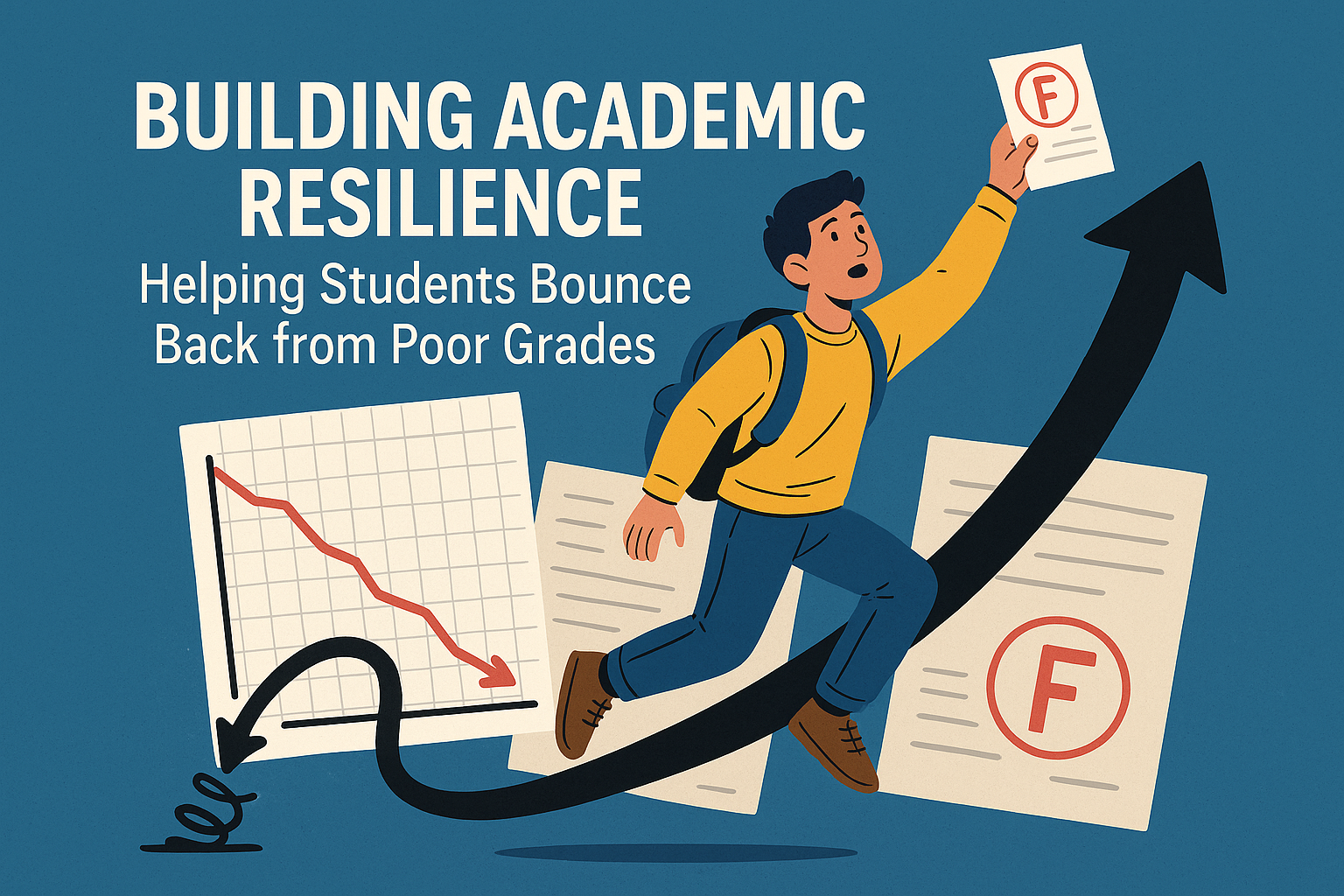
Grades can be a source of pride for students, but they can also be a significant source of stress. A poor performance can lead to feelings of inadequacy, anxiety, and even depression. However, the key to overcoming these feelings lies in developing what is known as academic resilience. This article delves into effective academic resilience strategies that help students bounce back from poor grades, providing practical insights and strategies.
Understanding Academic Resilience
Before we dive into specific strategies, it’s essential to understand what academic resilience means. It refers to the ability of students to adapt to setbacks, overcome challenges, and maintain motivation and positive attitudes towards their education. Resilient students tend to demonstrate persistence, optimism, and an ability to learn from failures.
Research shows that resilience can be nurtured and developed. A study published in the Journal of Educational Psychology emphasizes that students who possess resilience not only bounce back from setbacks but also tend to achieve better academic outcomes overall. This means that fostering resilience can lead to long-term benefits, making it a vital focus for educators, parents, and students themselves.
Key Characteristics of Resilient Students
Building academic resilience starts with understanding the traits that define resilient students. Here are some characteristics:
- Optimism: Resilient students maintain a positive outlook even in challenging situations.
- Self-efficacy: They believe in their capability to succeed and tackle tough tasks.
- Adaptability: They can adjust their plans and strategies in response to new challenges.
- Problem-solving skills: Resilient students approach problems with a solution-oriented mindset.
- Support-seeking behavior: They are not afraid to ask for help when needed, recognizing that support is essential.
Identifying and nurturing these characteristics can significantly aid students in recovering from poor academic performance.
Practical Academic Resilience Strategies
Now that we understand what academic resilience is and its importance, let’s explore some specific strategies to help students bounce back from poor grades.
1. Embrace a Growth Mindset
One of the most effective academic resilience strategies is to cultivate a growth mindset. This concept, developed by psychologist Carol Dweck, emphasizes the belief that abilities and intelligence can be developed through dedication and hard work.
Encouraging students to view challenges as opportunities for growth can transform their approach to learning. Instead of feeling defeated by a poor grade, students can learn to analyze what went wrong and how to improve in the future. Techniques such as reflecting on mistakes, setting specific learning goals, and celebrating small wins can reinforce this mindset.
2. Set Realistic and Achievable Goals
Goal-setting plays a crucial role in academic resilience. By setting specific, measurable, achievable, relevant, and time-bound (SMART) goals, students can create a manageable path towards improvement. (See: CDC on resilience in youth.)
For example, rather than aiming for a perfect score in the next exam, a student might set a goal to improve their score by a certain percentage. This not only makes the goal more attainable but also encourages a focused effort towards improvement. Regularly reviewing and adjusting these goals can also keep students motivated.
3. Develop Effective Study Habits
Another fundamental strategy to build academic resilience is to establish effective study habits. Poor grades can often result from inadequate study techniques or time management issues.
Students can benefit from developing a structured study schedule that includes regular review sessions, breaks, and time for self-assessment. Utilizing active learning techniques such as summarizing information, teaching concepts to peers, or practicing with past exam papers can enhance understanding and retention of material.
Moreover, tools like planners or digital apps can help students manage their assignments and deadlines better, reducing the overwhelm that often accompanies academic demands.
4. Foster a Supportive Environment
A strong support system is vital for building academic resilience. Encouragement from teachers, peers, and family can make a significant difference in how students respond to setbacks. Creating an environment where students feel safe to express their frustrations and seek help is crucial.
Parents and educators should engage in open dialogues with students about their academic struggles. Providing emotional support, understanding, and resources can empower students to tackle their challenges head-on. Group study sessions, tutoring, and peer mentoring programs can also create a collaborative atmosphere where students support each other.
5. Teach Coping Mechanisms
Students need to learn how to cope with stress and anxiety, especially in the face of academic challenges. Teaching coping mechanisms can be one of the most impactful academic resilience strategies.
Mindfulness practices, such as meditation or yoga, can help students manage stress and improve focus. Encouraging them to engage in physical activities can also serve as an excellent outlet for stress relief. Additionally, helping students develop techniques such as deep breathing, visualization, or positive self-talk can be invaluable in managing anxiety during exams or challenging assignments.
6. Encourage Reflection and Self-Assessment
Reflection is an essential component of academic resilience. By encouraging students to assess their performance critically, they can identify areas for improvement and develop a deeper understanding of their learning processes.
After receiving grades, students should take time to reflect on what they did well and what could have been improved. This could involve analyzing the study methods they used, the time they allocated for studying, and their test-taking strategies. When students engage in self-assessment, they become more aware of their strengths and weaknesses, which helps them make necessary adjustments moving forward. (See: NIH on understanding resilience.)
The Role of Educators in Building Resilience
Educators play a critical role in fostering academic resilience among students. They can create a classroom culture that values effort and persistence over perfection. Here are some ways educators can contribute:
- Provide constructive feedback: Instead of focusing solely on grades, teachers can offer insights into how students can improve their work and understanding.
- Encourage a collaborative learning environment: Group projects and peer reviews can teach students to learn from one another and develop social skills.
- Implement resilience training: Schools can integrate resilience-building programs into their curriculum, equipping students with the tools they need to overcome challenges.
By promoting a growth-oriented mindset and providing resources, educators can significantly impact their students’ ability to bounce back from setbacks.
Current Relevance and Future Implications
The relevance of academic resilience strategies has become increasingly apparent in recent years, especially in light of the educational disruptions caused by the COVID-19 pandemic. Many students faced unprecedented challenges, from remote learning difficulties to increased mental health issues.
As educational institutions continue to navigate these changes, fostering resilience will be essential. Schools must prioritize mental health resources, offer support systems, and develop curricula that emphasize resilience building.
With a commitment to implementing academic resilience strategies, we can empower students to not only overcome their immediate academic challenges but also equip them with life skills that will benefit them long after they leave the classroom.
Examples of Successful Academic Resilience Strategies in Action
Some schools and educational programs have implemented innovative approaches to foster academic resilience among their students. For instance, schools in New Zealand have adopted the “Positive Education” model, which combines traditional academic teaching with emotional and social skills development. This holistic approach helps students not only excel academically but also develop the resilience needed to face life’s challenges.
Another example can be found in certain U.S. schools that focus on project-based learning. By encouraging students to work on long-term projects that require critical thinking, collaboration, and problem-solving, these schools help students develop the skills needed to navigate academic and personal setbacks effectively. These projects often include reflections on the challenges faced during the process and what was learned from those experiences.
Statistics Highlighting the Importance of Resilience
Statistics show a strong correlation between resilience and academic success. According to a study conducted by the American Psychological Association, students who demonstrate higher levels of resilience have a 58% higher chance of achieving above-average grades compared to their peers who lack resilience. Additionally, research from the National Education Association indicates that resilient students are less likely to experience burnout and are more engaged in their learning environments.
These findings emphasize why schools should prioritize teaching resilience as part of their academic curriculum. Not only does resilience lead to better academic outcomes, but it also contributes to the overall well-being of students.
Frequently Asked Questions (FAQ)
What are some signs that a student may need help developing resilience?
Signs that a student may need support in developing resilience can include frequent feelings of frustration, low self-esteem, avoidance of challenges, and a tendency to give up easily when faced with setbacks. Additionally, if a student often expresses hopelessness or anxiety about academic performance, it may be beneficial to provide them with resources to develop resilience.
Can parents help build academic resilience in their children?
Absolutely! Parents play a crucial role in their child’s development of academic resilience. They can support their children by encouraging open communication about academic challenges, praising efforts rather than just outcomes, and providing a safe space for their children to discuss fears and anxieties. Engaging in activities that promote a growth mindset and resilience, such as exploring new hobbies or participating in team sports, can be beneficial as well.
Are there specific resources available for teaching resilience strategies?
Yes, numerous resources are available for educators and parents to teach resilience strategies. Many organizations offer curricula and programs focused on social-emotional learning, which includes resilience-building activities. Websites like CASEL provide frameworks and tools for integrating social-emotional learning into educational settings. Books on resilience and growth mindset, such as “Mindset” by Carol Dweck and “The Resilience Factor” by Karen Reivich and Andrew Shatté, can also be helpful for both educators and parents.
How can schools measure the effectiveness of their resilience-building programs?
Schools can measure the effectiveness of resilience-building programs through surveys that assess student attitudes towards challenges, self-efficacy, and emotional well-being before and after the implementation of the programs. Additionally, tracking academic performance indicators, attendance rates, and behavioral incidents can provide insight into the impact of resilience strategies on students’ overall school experience.
Conclusion: The Long-Term Benefits of Academic Resilience
Ultimately, academic resilience strategies are not just about improving grades; they are about preparing students for the challenges they will face throughout their lives. The skills and attitudes that resilient students develop will serve them well beyond the classroom. As we continue to emphasize the importance of resilience in education, we can foster a generation of learners who are equipped to navigate the complexities of life with confidence and determination.
“`
Trending Now
- Join Nooro as an iOS Developer:…
- 12 Engaging Emotional Intelligence Activities for Kids to Foster Growth
- our breakdown of 7 essential emotional intelligence skills every high school student needs before college
- 7 Essential Strategies for Boosting Emotional Intelligence in Preschoolers
- the complete explanation
Frequently Asked Questions
What is academic resilience?
Academic resilience refers to a student's ability to adapt to setbacks, overcome challenges, and maintain a positive attitude towards their education. It involves traits such as persistence, optimism, and a willingness to learn from failures, which collectively enhance a student's ability to bounce back from poor grades.
How can students develop resilience after poor grades?
Students can develop resilience by fostering optimism, believing in their abilities, adapting to new challenges, enhancing problem-solving skills, and seeking support when needed. These strategies help students maintain motivation and improve their overall academic performance after setbacks.
Why is resilience important for students?
Resilience is crucial for students as it not only helps them recover from poor grades but also contributes to better academic outcomes in the long run. Resilient students are more likely to persist through challenges and maintain a positive outlook on their education, leading to enhanced learning experiences.
What characteristics do resilient students have?
Resilient students typically exhibit traits such as optimism, self-efficacy, adaptability, strong problem-solving skills, and a willingness to seek help when needed. These characteristics enable them to navigate academic challenges effectively and maintain their motivation.
How can parents help their children build academic resilience?
Parents can support their children in building academic resilience by encouraging a positive mindset, helping them set realistic goals, fostering problem-solving skills, and providing emotional support. Creating an environment where children feel safe to discuss challenges can further enhance their resilience.
Agree or disagree? Drop a comment and tell us what you think.



