Artificial Intelligence

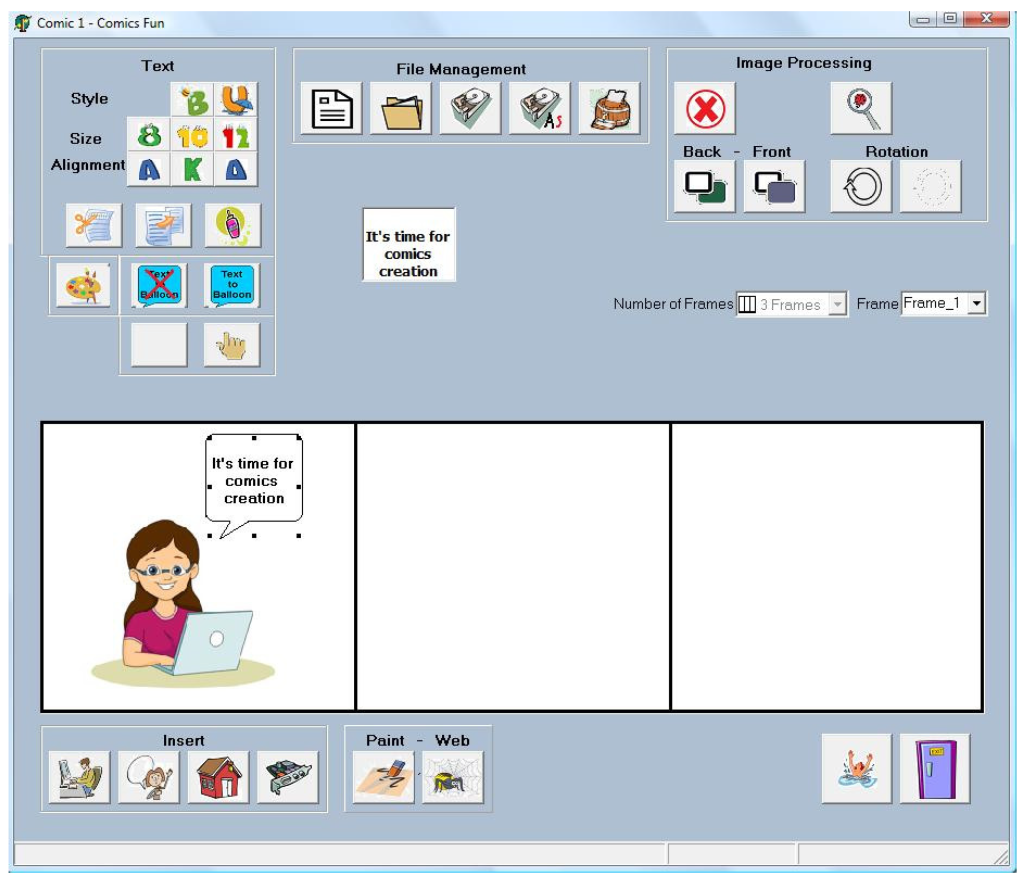
Cool New Resource Alert Inference Comics

Introduction:

In the age of online learning and teaching, educators are constantly searching for innovative ways to engage their students. One exciting new resource that has caught the attention of teachers around the globe is Inference Comics offered by Teach Starter. This article will explore the features and benefits of this fantastic resource and how it can revolutionize the way we teach inference skills to students.

What are Inference Comics?

Inference Comics is an interactive and engaging learning tool designed to help students develop their inference skills. It provides a collection of comic strips that present a series of visual scenarios for students to analyze and make logical assumptions. By observing the images and deciphering the hidden message, students strengthen their ability to draw conclusions based on evidence.

Why are Inference Skills important?

Inference skills play a crucial role in comprehension and critical thinking. The ability to read between the lines, infer meaning, and make connections is essential for understanding complex texts and real-life situations. By sharpening their inference skills, students become more proficient readers and better equipped to navigate the complexities of the world around them.

Features of Inference Comics:

1. Engaging Comic Strips: Inference Comics provides a wide range of visually appealing comic strips that capture students’ attention and stimulate their imagination. The colorful illustrations and relatable characters make the learning experience enjoyable and captivating.

2. Varied Scenarios: Each comic strip presents a unique scenario, allowing students to practice inference skills in various contexts. From everyday situations to fantasy realms, Inference Comics covers a range of scenarios that cater to different interests and learning styles.

3. Scaffolded Learning: The resource offers progressively challenging comic strips, allowing students to gradually develop their inference skills. With each new strip, students will encounter more complex visuals and hidden messages, enhancing their analytical thinking abilities.

4. Teacher Resources: In addition to the comic strips, Inference Comics also provides teachers with comprehensive resources to support effective instruction. These resources include lesson plans, discussion questions, and assessment tools, enabling teachers to seamlessly integrate the resource into their curriculum.

Benefits of Inference Comics:

– Enhances Reading Comprehension: Through the analysis of visual cues and textual context, students improve their ability to comprehend written texts and extract meaning from them.

Fosters Critical Thinking: By encouraging students to make logical assumptions and draw conclusions, Inference Comics promotes critical thinking skills that are transferrable to various academic and real-life situations.

– Promotes Creativity: The visually stimulating comic strips inspire creativity in students as they interpret and analyze the illustrations, encouraging them to think outside the box.

– Captivates Student Interest: Inference Comics combines education with entertainment, capturing students’ attention and making the learning process enjoyable.

Conclusion:

Inference Comics is an invaluable resource that empowers students to develop their inference skills in a fun and engaging way. By incorporating comic strips and stimulating scenarios, this resource revolutionizes the teaching of inference in the classroom. With its numerous benefits and comprehensive teacher resources, Inference Comics is a must-have tool for educators looking to enhance their students’ comprehension and critical thinking abilities.

Interactive MAB Blocks Lab

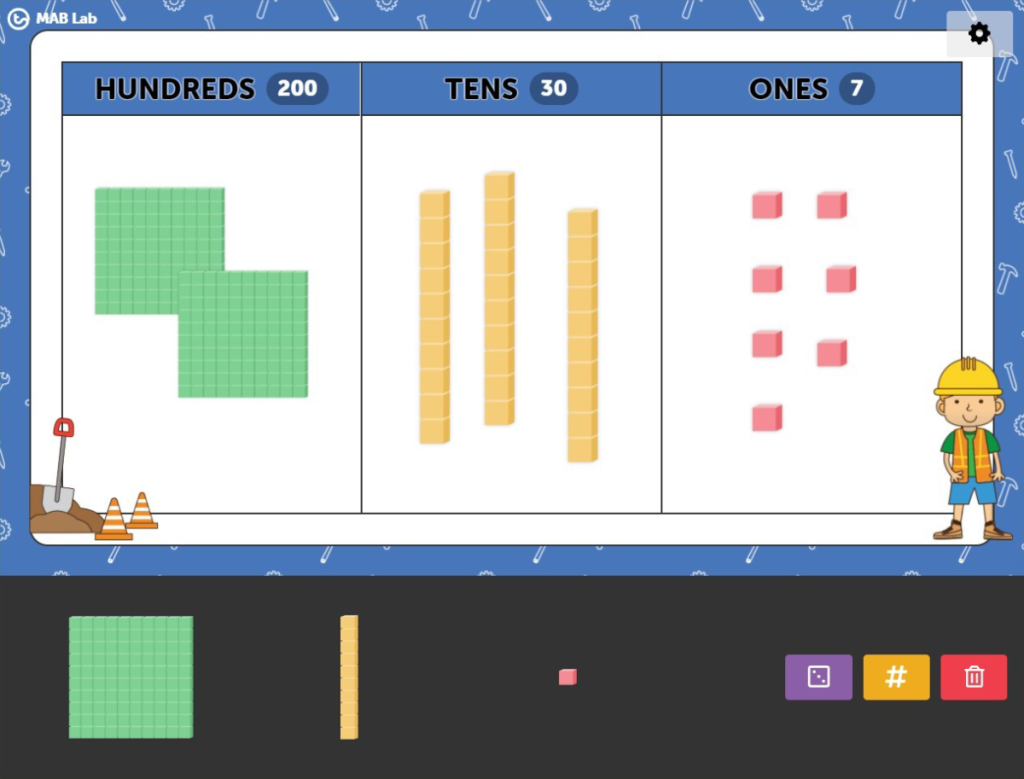
The landscape of education is rapidly changing with technological advancements, and mathematics education is no exception. With the introduction of the Interactive Multi-Attribute Blocks (MAB) Lab, a cutting-edge digital platform, learning the fundamentals of mathematics has become more engaging and effective for students worldwide.

Designed for learners across various age groups, the Interactive MAB Lab incorporates a powerful visual approach to teach mathematical concepts like counting, place values, arithmetic operations, and number sense. The program features a virtual environment where colorful blocks representing different numerical values can be manipulated by students to perform mathematical processes in a tactile and interactive manner.

One of the key advantages of this innovative platform is that it caters to different learning styles by offering hands-on, sensory experiences that traditional methods may lack. This level of interaction is vital in capturing the attention and imagination of young minds and in fostering a deeper understanding of math fundamentals.

The Interactive MAB Lab also serves as an invaluable tool for educators. It provides teachers with an expansive repository of educational resources, including lesson plans that are aligned with curricular standards. Furthermore, the platform allows for real-time monitoring of student progress, offering insight into individual learning patterns and the ability to tailor instruction to meet specific educational needs.

In addition to core math skills, this dynamic learning environment encourages critical thinking and problem-solving abilities. The virtual lab’s design prompts students to experiment with mathematical operations and explore alternative strategies to achieve solutions. As they interact with the blocks and witness real-time results of their manipulations, students can develop conceptual understanding rather than solely relying on memorization.

Accessibility is another cornerstone of the Interactive MAB Lab’s philosophy. The application is designed to be user-friendly on multiple devices such as tablets, computers, and interactive whiteboards, ensuring learners can engage with their math activities both inside classrooms and at home.

In conclusion, the Interactive Multi-Attribute Blocks Lab heralds a new era for mathematics education by merging traditional teaching methods with sophisticated interactive technology. Its potential to transform classrooms into centers of active learning makes it a valuable asset for educators striving to prepare students for success in an increasingly digital world. As we continue to harness technology’s educational prospects, it’s clear that resources like the Interactive MAB Lab will be at the forefront of creative and effective teaching methodologies.

Guy Claxton and ‘Learning to Learn’: A Journey Towards Expanding Human Potential

Introduction

In a rapidly changing world, the ability to adapt and learn new skills is becoming increasingly important. As an educator and cognitive scientist, Guy Claxton has dedicated his career to understanding and enhancing the learning process. Through his groundbreaking work on ‘Learning to Learn’, he has helped countless individuals unlock their potential and embrace the power of continuous self-improvement.

Guy Claxton: A Background

A prominent figure in the fields of education and cognitive science, Guy Claxton is a pioneer in exploring how individuals can optimize their capacity to learn. With a background in psychology and degrees from the University of Cambridge and Oxford, he has spent more than 30 years investigating human cognition and cultivating strategies that enable people to become more effective learners.

A prolific writer and speaker, Claxton has authored over 20 books on education, intelligence, and learning. Among his most well-known publications are “The Learning Power Approach” and “Intelligence in the Flesh”. As an advocate for educational reform, Claxton believes that schools must shift from a focus on memorization and testing to fostering students’ capacity for independent thinking, creativity, and adaptability.

The Concept of ‘Learning to Learn’

At the heart of Guy Claxton’s work is the idea that learning is not just about acquiring facts or skills but developing the capacity to learn effectively throughout one’s life. ‘Learning to Learn’ emphasizes the importance of metacognition – reflecting on one’s thought processes – and resilience in navigating setbacks during the learning journey.

By fostering a growth mindset, which encourages people to view challenges as opportunities for development rather than barriers to success, individuals can cultivate their innate talents while also broadening their horizons by seeking out new areas of knowledge. According to Claxton, honing these abilities starts with understanding four key dimensions:

1. Resilience: Building the capacity to persevere through setbacks and view failure as a valuable learning opportunity.

2. Resourcefulness: Developing problem-solving skills by exploring various strategies when faced with challenges.

3. Reflectiveness: Investigating one’s thought processes during a learning experience to better understand how to improve in the future.

4. Reciprocity: Engaging in conversations and collaborations with others to enhance collective knowledge and understanding.

The Impact of ‘Learning to Learn’

Through his numerous publications, lectures, and educational consultancy work, Guy Claxton has influenced thousands of educators worldwide to adopt the ‘Learning to Learn’ approach in their teaching. As a result, many schools have shifted their focus from traditional assessment-driven methods to emphasizing the development of lifelong learning skills.

By instilling these values in students at an early age, Claxton hopes that upcoming generations will possess the cognitive flexibility and resilience required to navigate a constantly evolving world successfully. Furthermore, by embracing this approach in adult education and professional settings, individuals can unlock new possibilities for personal and professional growth.

In conclusion, Guy Claxton’s work on ‘Learning to Learn’ has made a profound impact on our understanding of human cognition and learning potential. By promoting the cultivation of resilience, resourcefulness, reflectiveness, and reciprocity as part of the learning process, he has helped countless individuals transform their approach to education and unlock their full potential.

Making the Most of Governors

Introduction

Governance is an integral part of any organization or state, acting as an essential framework for shaping policies and driving performance. At the heart of this system are governors, who play a crucial role in decision-making, policy implementation, and ensuring accountability. This article will explore how to make the most of governors and improve overall governance within your organization or jurisdiction.

1. Appoint Qualified and Competent Governors

The effectiveness of governance rests on the expertise, skills, and experience of the appointed governors. Organizations and states should focus on selecting individuals with proven track records in their respective fields, as well as exceptional leadership qualities. Prioritize diversity in terms of age, gender, ethnicity, socioeconomic background, and professional experience to ensure broader perspectives in decision-making.

2. Provide Regular Training and Support

To foster growth and continuous improvement among governors, it is crucial to offer regular training programs that focus on key areas such as leadership development, industry-specific knowledge, strategic planning, and financial management. Governors should also have access to mentorship, resources, and networking opportunities to stay updated on emerging trends and best practices.

3. Develop a Clear Governance Structure

Creating a well-defined governance structure is essential for effective communication between governors themselves and other stakeholders in the organization or state. Establishing subcommittees with specific functions will help allocate responsibilities among governors appropriately while promoting transparency. Additionally, regularly reviewing your governance framework ensures its relevance over time.

4. Foster Open Communication

Encouraging open communication among governors enables the productive exchange of ideas and constructive feedback related to policy decisions and strategic direction. Regular meetings are a fundamental component of transparent governance practices. Utilize multiple channels – such as face-to-face sessions, teleconferences, or virtual platforms – to keep dialogue flowing regardless of location or time constraints.

5. Implement Robust Performance Measurement Mechanisms

Measuring the performance of governors is a vital factor in achieving effective governance. Develop a set of key performance indicators (KPIs) that align with the organization’s strategic goals and monitor these on a consistent basis. Establish regular performance evaluations and take the necessary actions for improvement whenever needed.

6. Emphasize Accountability and Integrity

Governors should adhere to the highest standards of ethical conduct, integrity, and professionalism. Emphasize transparency in decision-making processes and establish codes of conduct to guide governor behavior. Encourage public reporting and scrutiny to keep governors accountable to stakeholders and the wider community.

7. Engage with Stakeholders

Constructive working relationships between governors and stakeholders – such as employees, customers, suppliers, communities, and regulators – are central to effective governance. Maintaining regular interaction with stakeholders helps governors understand their needs, respond accordingly, and promote trust while enhancing overall performance.

Conclusion

Making the most of governors is critical for operational efficiency, long-term success, and even the reputation of organizations or governing bodies. By prioritizing hiring qualified individuals, providing training opportunities, emphasizing accountability, promoting communication, and engaging with stakeholders, you can optimize your governance structure while ensuring sustainable growth and thriving leadership.

What is ContactPoint?

Introduction

As the world becomes increasingly interconnected, it’s crucial for businesses, organizations, and individuals to have reliable and efficient means of communication. In this context, contact points emerge as important tools to facilitate seamless communication. But what exactly is a contact point? In this article, we’ll explore the concept of contact points, their significance, types, and the role they play in today’s fast-paced world.

What is a Contact Point?

A contact point can be defined as a location or method through which two or more parties can communicate, exchange information, or interact with each other. It serves as an interface that connects various stakeholders such as customers, suppliers, partners, employees, and others involved in any business process or collaboration. Simply put, a contact point serves as a bridge between different entities allowing them to communicate effectively and achieve their objectives.

Types of Contact Points

1. Traditional Contact Points: These include face-to-face meetings, telephone calls, and letter correspondence. Despite advancements in digital technology, these methods are still widely used due to their simplicity and familiarity.

2. Digital Contact Points: As technology has evolved over the years, digital contact points have gained prominence in the form of email addresses, social media profiles, chatbots on websites or apps. These methods are convenient to use from anywhere with internet connectivity.

3. Mobile Contact Points: With smartphones becoming an indispensable part of our lives, mobile-based communication channels such as texting or messaging apps like WhatsApp have emerged as popular contact points that enable real-time connectivity.

4. Self-Service Contact Points: Self-service options such as Interactive Voice Response (IVR) systems or self-help portals on websites have become common these days as they allow users to access information or resolve their queries without interacting with any individual.

The Significance of Contact Points in Businesses

1. Enhanced Customer Experience: By providing multiple channels of communication with customers—the right contact points—businesses can ensure they are accessible and responsive, leading to improved customer satisfaction.

2. Efficient Troubleshooting: With the availability of various contact points, customers can choose the one that best suits their needs and have their issues resolved in a timely manner.

3. Effective Marketing: By identifying the preferred contact points for different customer segments, businesses can tailor their marketing strategies accordingly, reaching out to potential clients through the most relevant channels.

4. Collaboration and Information Sharing: A robust network of contact points ensures that the relevant stakeholders are connected and informed, ensuring smoother operations across departments and regions.

Conclusion

In today’s interconnected world, understanding contact points is crucial for businesses as they form the basis for communication and collaboration. They play an essential role in enhancing customer experiences, fostering collaboration among stakeholders, and aiding in targeted marketing strategies. By identifying and utilizing the appropriate contact points, businesses can successfully adapt to an ever-changing landscape and drive growth. Therefore, understanding this concept is a must for organizations aiming to thrive in a competitive market.

23 Civic Engagement Activities To Cultivate Model Citizenship

Introduction

Civic engagement is the bedrock of any vibrant and thriving democracy. Encouraging active participation from community members is essential to build a society where every citizen takes responsibility and plays a role in shaping its future. Here are 23 civic engagement activities that can help cultivate model citizenship.

1. Voter registration drives: Organizing voter registration drives is a great way to ensure maximum participation in the democratic process.

2. Neighborhood cleanups: Gather your neighbors and participate in neighborhood cleanups to beautify your community.

3. Petition signing: Get involved by signing petitions for policies or initiatives that positively impact your community.

4. Community gardens: Create or join a community garden as a way to spend time outdoors and get to know your neighbors.

5. Participating in public meetings: Attend and be an active participant in public meetings that concern your local area.

6. Youth mentorship programs: Volunteer as a mentor for young members of your community, helping to guide them toward better decision-making and positive growth.

7. Volunteering for local non-profit organizations: Lend a helping hand to local non-profits, whether it involves fundraising, outreach work, or educational programs.

8. Canned food drives: Organize or participate in canned food drives to help feed those in need within your community.

9. Running for local office positions: Consider getting involved in local politics by running for various positions within the city council, school board, etc.

10. Adopt-a-Highway: Participate in the Adopt-a-Highway program, cleaning up roadside litter and helping maintain roadways in your area.

11. Join town watch groups: Work together with other community members to help keep your neighborhood safe by forming or joining town watch groups.

12. Participate in online forums and social media groups for local issues: Stay informed about what is happening within your community and share your opinions on various issues.

13. Attend cultural events: Participate in cultural events that celebrate the diversity and heritage of your community.

14. Tutoring and education programs: Volunteer to tutor or teach classes for people who need additional support, such as refugees or underserved children.

15. Serve on a jury: Fulfill your civic duty by serving on a jury when called upon.

16. Recycle and promote sustainable living practices: Be mindful of waste management and sustainable living practices in your daily life.

17. Be an informed voter: Research candidates, initiatives, and referendums before elections and make educated decisions based on the information you gather.

18. Visit historic sites or museums: Learn about the history of your community by visiting local historic sites or museums.

19. Support local businesses: Contribute to your local economy by choosing to shop at small, independent stores within your community.

20. Organize neighborhood block parties: Bring the community together by organizing block parties or similar gatherings, fostering a sense of camaraderie among neighbors.

21. Donate blood or organs: Participate in blood drives or consider registering as an organ donor.

22. Volunteer for disaster relief efforts: Contribute time and resources during times of crisis, such as natural disasters or other emergencies.

23. Advocate for human rights causes: Join organizations that work towards promoting human rights locally, nationally, or globally, and actively participate in their campaigns and initiatives.

Conclusion

Civic engagement is invaluable in creating more resilient, inclusive, and robust communities. By participating in these activities, you can make a difference in the lives of various people while also cultivating model citizenship skills. Remember, every action counts when contributing to the betterment of society!

What Could Education Be Like?

Introduction

The world of education is constantly evolving. As technology advances and societal needs change, the way we teach and learn must adapt accordingly. But where is education headed? What could the future of learning look like? This article will delve into the possibilities for future educational models and examine the innovations likely to shape classrooms of tomorrow.

Personalized Learning

One of the most prominent trends in modern education is personalization. In the future, education is expected to shift from a one-size-fits-all model to a system that caters to individual differences and learning styles. With advanced data analytics and artificial intelligence, teachers will be able to monitor student performance in real-time, develop customized lesson plans for each learner, and provide immediate feedback.

Flipped Classrooms

The flipped classroom model, in which students learn at home through online resources and engage in hands-on activities during class time, could become more common in educational environments. This approach allows teachers to dedicate valuable classroom time to collaborative projects, group discussions, and more in-depth exploration of topics rather than traditional lectures.

Project-Based Learning

As we prepare students for an increasingly interconnected global community, project-based learning is expected to take on a more significant role in education. This teaching method creates an environment where students are encouraged to work together to tackle real-world challenges. Through such collaboration, learners develop skills such as critical thinking, problem-solving, and teamwork that will benefit them throughout their lives.

Virtual Learning Environments

With advanced technology comes increased capabilities for remote learning and virtual classrooms. Virtual reality (VR) and augmented reality (AR) could revolutionize how we approach teaching by providing immersive environments that stimulate curiosity and engagement. Students would be able to explore fascinating historical sites, journey into space or dive deep into human anatomy – all within the confines of a virtual environment.

Lifelong Learning

As careers evolve rapidly due to technological advancements, the significance of lifelong learning cannot be underestimated. In the future, education will need to emphasize the ongoing acquisition of new skills and knowledge. This may result in more blending between formal education and informal learning experiences, with educational institutions offering continuous learning opportunities for various age groups.

Increased Collaboration Between Teachers and AI

Artificial intelligence (AI) is expected to play a key role in reshaping the educational landscape. AI-driven tools can help teachers create lesson plans, grade assignments, and even tailor content to each student’s individual needs. In this dynamic future, educators will need to work in tandem with AI technology to provide personalized guidance and instruction.

Conclusion

The future of education promises a landscape rich with innovation and technology. What once seemed like science fiction is becoming more concrete each day, as educational paradigms shift to embrace personalization, digital environments, and collaboration across fields. As we look forward to this brave new world of education, it is crucial that we continue to focus on nurturing creativity, fostering critical thinking skills, and unlocking each student’s unique potential.

Insight For Teachers: 23 Helpful Ways To Use ChatGPT

Introduction

As technology advances, the world of education has changed dramatically. One notable innovation that has gained significant popularity is Chatbot Guided Language Processing Technology (ChatGPT). The use of ChatGPT in education can revolutionize classroom experiences and improve teacher-student interactions. This article highlights 23 helpful ways teachers can effectively utilize ChatGPT to enhance their teaching methods and elevate student learning.

1. Engaging Icebreakers: Use ChatGPT to generate fun, interactive icebreakers that help students feel more connected and engaged in the classroom.

2. Personal Feedback: Offer personalized, real-time feedback on students’ progress with the help of ChatGPT’s language processing capabilities.

3. Writing Prompts: ChatGPT can provide creative writing prompts to motivate your students to practice their writing skills.

4. Information Retrieval: Employ ChatGPT to help students easily find specific information or research materials on e-learning platforms.

5. Grammar Practice: Improve students’ grammar skills by using ChatGPT-generated exercises and quizzes.

6. Language Translation: Assist foreign language students by translating complex words or phrases using ChatGPT’s multilingual capabilities.

7. Pronunciation Guides: Improve students’ pronunciation skills by demonstrating correct pronunciation with the help of ChatGPT audio tools.

8. Vocabulary Expansion: Deploy ChatGPT-generated vocabulary games and exercises to broaden your students’ lexicon.

9. Brainstorming Sessions: Leverage ChatGPT to generate unique topics or ideas for group discussions and collaborative projects.

10. Generating Lesson Plans: Design innovative lesson plans tailored to specific themes or subjects using ideas inspired from ChatGPT’s suggestions.

11. Artificial Intelligence Tutoring: Boost extra academic support outside school hours by utilizing AI tutoring with a chatbot for homework or assignment queries.

12. Interactive Presentations: Create lively presentations for your lessons using visual aids and ideas generated by ChatGPT.

13. Test Preparation: Customize practice exams or quizzes with questions generated by ChatGPT based on course material covered.

14. Reading Analysis: Summarize complex reading materials and facilitate guided discussions using ChatGPT-generated questions and summaries.

15. Enhancing Creativity: Utilize ChatGPT to inspire students to think beyond conventional methods by generating unusual project topics or challenges.

16. Peer Evaluation: Get input from ChatGPT on peer evaluations to ensure fairness, consistency, and accuracy when assessing classwork, presentations, or group efforts.

17. Cultural Understanding: Use ChatGPT’s language processing capabilities to teach about cultural customs, traditions, and languages from around the world.

18. Individualized Learning: Modify your teaching approach based on individual student needs and learning preferences with the assistance of ChatGPT lesson plan suggestions.

19. Virtual Field Trips: Plan educational virtual field trips and explore new destinations across the globe by using location-specific information provided by ChatGPT.

20. Classroom Management: Manage your classroom seamlessly with automated assistance from ChatGPT, such as monitoring attendance or organizing seating arrangements.

21. Encouraging Social Skills: Foster teamwork and collaboration among students with group activities curated by ChatGPT that promote social interaction and cooperation.

22. Quiz-Generation: Automatically generate quizzes tailored to your curriculum using ChatGPT’s content creation tools for quick assessment or homework assignments.

23. Parent Communication: Enhance communication with parents by leveraging ChatGPT-generated summaries and updates regarding student performance or upcoming events.

Conclusion

ChatGPT offers a wealth of opportunities for educators to elevate their teaching approach and enhance overall classroom experiences. With the ability to provide personalized feedback, generate inspiring prompts, quizzes, lesson plans, and improve language skills, teachers can harness the power .

Non-Conscious Learning

Introduction

The human brain is a complex marvel, responsible for countless cognitive processes that shape our daily lives. Among these processes, learning plays a pivotal role by enabling us to acquire new skills, knowledge, and insights. While conscious learning strategies such as memorizing facts and carrying out practical exercises undoubtedly contribute to our personal development, it’s important not to overlook the significant impact of non-conscious learning on our brain’s performance. This article delves into the fascinating world of non-conscious learning and its profound implications in various areas of life.

What is Non-Conscious Learning?

Non-conscious learning refers to the acquisition of knowledge or skills without any awareness or intention on the part of the learner. This process is driven by underlying mental mechanisms that operate outside the realm of conscious thought, allowing individuals to accomplish certain tasks more efficiently over time. Examples of non-conscious learning include forming habits, imitating others’ behaviors, and adapting to new environments in a seemingly effortless manner.

Implicit vs. Explicit Learning

To better understand non-conscious learning, let’s draw a comparison with its counterpart – explicit (conscious) learning. Explicit learning entails an intentional effort to acquire information or develop a certain skillset by actively engaging with educational content or instruction. Implicit (non-conscious) learning, on the other hand, takes place automatically and often results from exposure to particular stimuli or experiences that eventually lead to behavioral improvements.

Classical Conditioning

One classic example of non-conscious learning is classical conditioning, a process through which neutral stimuli become associated with a significant response over time. Discovered by Russian psychologist Ivan Pavlov in 1901, this phenomenon involves the pairing of an unconditioned stimulus (e.g., food) with a neutral cue (e.g., a bell) until a strong association between the two elicits a conditioned response (e.g., salivation) in anticipation of the unconditioned stimulus.

Observational Learning

Another compelling illustration of non-conscious learning can be found in observational learning. This form of learning occurs when individuals interpret and replicate others’ behaviors by watching and listening to their actions. Observational learning operates on a hidden level, as people often adopt new habits or mannerisms without even realizing it. Renowned psychologist Albert Bandura’s social learning theory underscores the influential role of observation and imitation in shaping human behavior.

The Role of Memory

While consciousness plays a central part in many forms of learning, non-conscious learning relies on the subtle interplay between attention, perception, and memory. Our brain continually processes numerous stimuli and cues from the environment, linking them to previously stored information. When this process happens without conscious awareness, we are engaging in non-conscious learning.

Applications of Non-Conscious Learning

The implications of non-conscious learning extend far beyond mere academic curiosity. By harnessing its power, individuals can develop new skills or absorb valuable knowledge that might otherwise be overlooked. For instance, exposing people to relevant foreign-language phrases over time can increase their linguistic proficiency even if they aren’t actively trying to learn the language. Additionally, athletes might improve their technique or performance by subconsciously mimicking successful peers.

Conclusion

Non-conscious learning represents a fascinating aspect of human cognition that offers rich potential for personal development. By uncovering the secrets behind this hidden process, we can explore ever more effective ways to enhance our abilities and overcome cognitive limitations. From conditioning our minds to respond favorably to certain cues to effortlessly adapting new habits through observation and imitation, the realm of non-conscious learning holds great promise for shaping our lives in profound ways.

Integrating SLICT

Introduction:

The world is becoming increasingly interconnected through advancements in technology. As a result, it has become imperative for educational institutions to keep up with these developments and equip students with the necessary digital skills for future success. Seamless Learning through Integrated Communication Technology (SLICT) is a useful approach in integrating Information and Communication Technology (ICT) into your school. This article takes a deep dive into SLICT and discusses strategies for incorporating ICT into your institution’s framework effectively.

Defining SLICT:

Seamless Learning through Integrated Communication Technology (SLICT) is an educational paradigm that emphasizes the smooth integration of ICT tools and resources throughout a school’s environment. It aims to transform the learning experience by enhancing collaboration, communication, creativity, and critical thinking among students and educators. The SLICT model fosters technological fluency while avoiding interruptions in the teaching and learning process caused by inadequate or inefficient technology use.

Steps to integrate SLICT in your school:

1. Assess current ICT infrastructure:

Begin by evaluating your school’s existing digital capabilities and identifying areas that require improvement, upgrading, or replacement. This assessment should involve teachers, support staff, students, and administrators to ensure a comprehensive understanding of the current situation.

2. Develop an ICT integration plan:

Create a strategic roadmap outlining the goals, objectives, and strategies for integrating ICT within your school. The plan should be clear, concise, measurable, and viable over the short, medium, and long term. The key components of an effective ICT integration plan include device management strategies, network infrastructure upgrades, staff training programs, curriculum development incorporating ICT tools, and policy revisions that reflect new technology requirements.

3. Select appropriate educational technology:

Choose digital tools that align with your school’s curriculum needs and learning objectives while considering ease of use for both students and staff. Assess how a tool would enhance student engagement as well as learning outcomes in the process. Consult educators and administrators to ensure the chosen tools are universally appropriate and cater to varying learning styles.

4. Provide professional development:

Train staff in using new technologies and incorporating them into their teaching practices effectively. Offer ongoing support and resources to help educators adapt to evolving ICT advancements, enabling them to integrate these tools seamlessly into their instruction.

5. Create a supportive learning environment:

Incorporate digital resources into your school’s library or media center, facilitating easy access for students and staff. Develop collaborative spaces where learning can take place, such as technology labs, virtual classrooms, or blended learning environments that combine traditional teaching methods with modern ICT tools.

6. Evaluate progress and make adjustments accordingly:

Monitor the implementation of your ICT integration plan consistently, gathering feedback from stakeholders at regular intervals. Assess the effectiveness of the chosen digital tools in meeting your objectives and improving student outcomes. Make adjustments where necessary to ensure continuous improvement and optimization of the SLICT approach.

Conclusion:

Integrating SLICT into your school is a long-term commitment that requires a shared vision among stakeholders and a thorough action plan. By following these steps, your school can effectively incorporate ICT tools that bolster student engagement, motivation, and academic achievement while preparing them for success in an increasingly digital world.