Books

Book Review: ‘A Question of Belonging,’ by Hebe Uhart

Hebe Uhart, a master of the short story, weaves intricate tales of human connection and the complexities of identity in her collection, “A Question of Belonging.”  This compilation of insightful narratives explores themes of displacement, longing, and the ever-present search for a sense of home.

Uhart’s characters, often ordinary individuals caught in extraordinary circumstances, navigate the often-uncomfortable spaces between cultures and expectations.  In “The Return,” a woman revisits her childhood home, only to find the familiar landscape transformed, reflecting the inner turmoil of her own life. “The Other Side,” a poignant story of a young girl separated from her family, explores the profound impact of displacement and the yearning for belonging.

Uhart’s writing is characterized by a delicate balance between lyrical prose and stark realism.  Her ability to capture the nuances of human emotion is masterful.  The reader is drawn into the heart of each story, experiencing the anxieties, hopes, and frustrations of her characters.  She doesn’t shy away from the uncomfortable truths about human nature, exposing the complexities of relationships and the fragility of identity.

“A Question of Belonging” is more than just a collection of stories; it’s a profound meditation on the human condition.  Uhart’s masterful storytelling transcends geographical boundaries, resonating with readers who have grappled with the complexities of belonging and the search for meaning in a world that often feels both familiar and alien.  This book is a poignant reminder that the search for home is a journey that continues throughout our lives, and the places we call home are not always defined by physical locations but by the connections we forge with others.

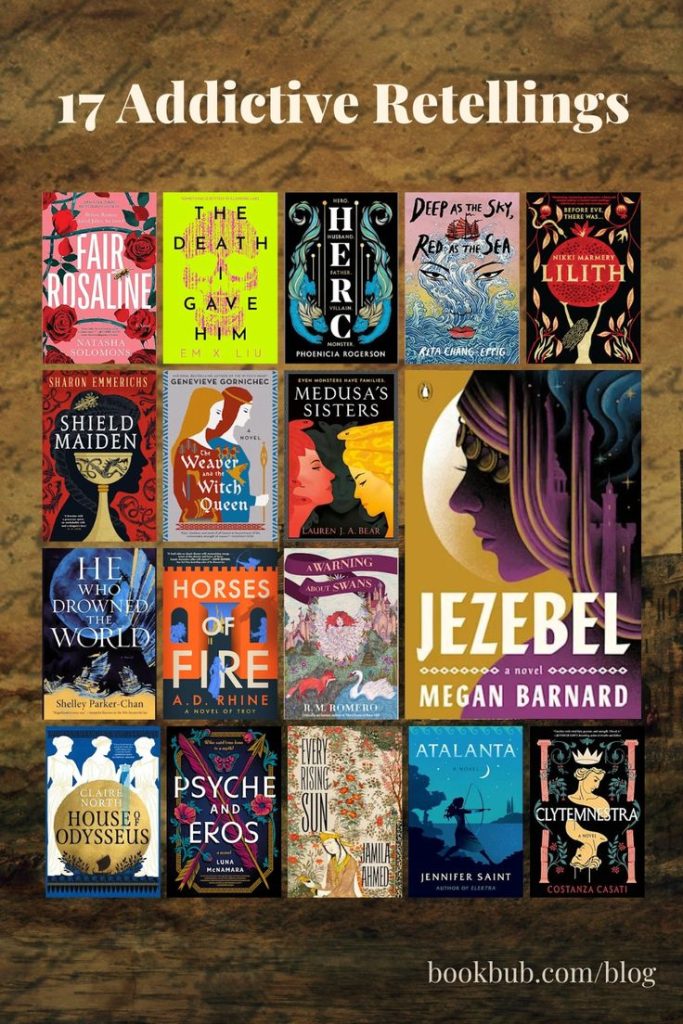
48 Recent and New Retellings (That Are Not Based on Greek Mythology)

The world of retellings is ever-expanding, with authors finding inspiration in everything from classic literature to folklore and even pop culture. While Greek mythology remains a popular source of inspiration, a wave of fresh and exciting retellings is emerging, drawing from diverse sources and offering unique perspectives.

From Classic Literature to Modern Day:

Authors are taking beloved novels like Jane Austen‘s “Pride and Prejudice” and “Sense and Sensibility” to new heights. “The Duke and I” by Julia Quinn, the first book in the Bridgerton series, offers a steamier, more modern take on the classic romance. “The Guernsey Literary and Potato Peel Pie Society” by Mary Ann Shaffer and Annie Barrows beautifully reimagines the human spirit through the lens of a post-war setting. Even the Brothers Grimm fairy tales are undergoing a renaissance, with books like “The Goose Girl” by Shannon Hale offering feminist interpretations and explorations of societal expectations.

Modern Legends and Forgotten Folktales:

Beyond classics, retellings are finding inspiration in diverse folklore. “The Mermaid, the Witch, and the Sea” by Maggie Stiefvater reimagines the legend of the selkie, weaving a captivating story of love, sacrifice, and self-discovery. “Circe” by Madeline Miller, while technically a retelling of a Greek myth, focuses on a forgotten figure and offers a powerful and complex female character. These retellings bring forgotten stories back into the light and offer fresh perspectives on the human condition.

Beyond the Page:

The retelling phenomenon extends beyond books. Films like “The King’s Speech” and “The Crown” offer fresh interpretations of historical figures and events. Television shows like “Bridgerton” and “The Witcher” breathe new life into familiar stories with contemporary sensibilities. These diverse mediums showcase the enduring power of retelling, allowing audiences to connect with classic tales in new and exciting ways.

With each new retelling, the landscape of literature and storytelling continues to evolve. By revisiting familiar stories through fresh lenses, authors offer not only entertainment but also an opportunity for reflection and understanding, enriching our cultural landscape with diverse voices and perspectives.

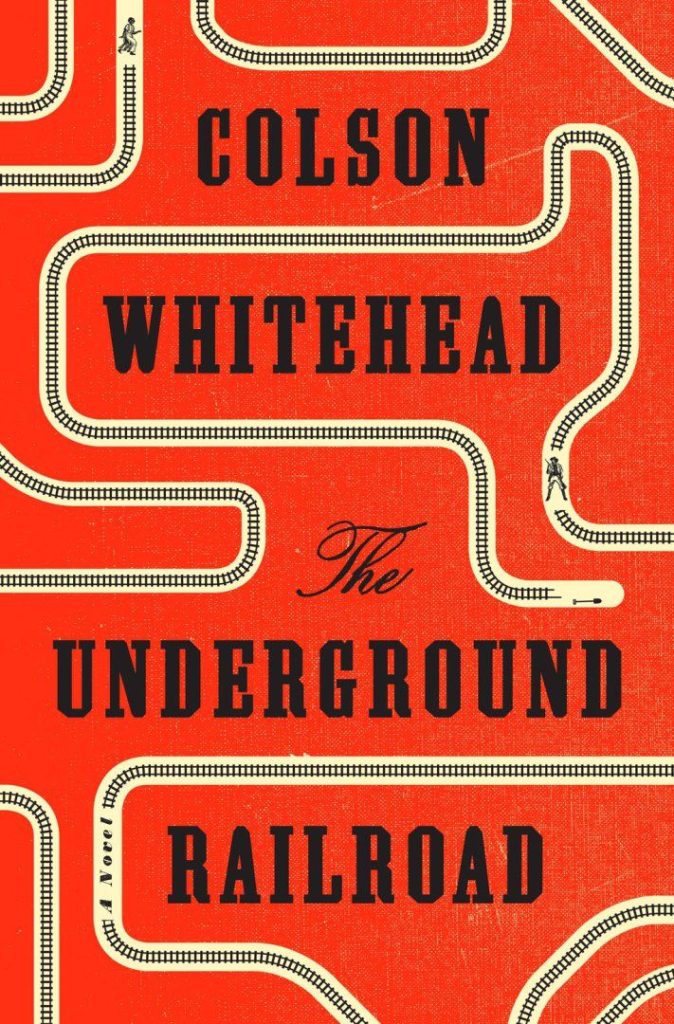
Colson Whitehead Looks Back at ‘The Underground Railroad’

In a recent interview, Pulitzer Prize-winning author Colson Whitehead reflects on his acclaimed novel, “The Underground Railroad,”  two years after its release.  Looking back, Whitehead shares the profound impact the story has had on readers and the conversations it has sparked.

The novel, a fictionalized account of the Underground Railroad, follows Cora, a young slave escaping from a Georgia plantation.  Whitehead’s masterful blending of historical fact and imaginative storytelling propelled the book to critical acclaim, earning him his second Pulitzer Prize.

“I wanted to write a book that was both entertaining and illuminating,” Whitehead explains. “I wanted to explore the history of slavery in a way that felt fresh and engaging. I wanted readers to experience the journey of freedom alongside Cora.”

The novel’s success, Whitehead believes, lies in its emotional resonance. “The Underground Railroad” resonates with readers on a deeply personal level, forcing them to confront the horrors of slavery and the enduring legacy of racism.  He notes how the book has sparked important conversations about race, identity, and justice, prompting readers to examine their own perspectives and engage in critical dialogue.

Whitehead also acknowledges the impact the book has had on his own life.  The research and writing process, he says,  “deepened my understanding of the past and its enduring impact on our present.”

The author is eager to see how “The Underground Railroad” continues to resonate with readers in the future, believing it has the power to inspire change.  “I hope this book helps to bring about a better future for all,” he says. “That’s my ultimate goal as a writer.”

Joanna Pearson on Writing a Literary Whodunnit

Joanna Pearson, the acclaimed author behind the captivating “The Library of the Lost” series, sat down with us to discuss the art of crafting a compelling literary whodunnit. We delved into the intricacies of plot, character development, and the unique challenges of weaving a mystery within a literary framework.

“It’s about more than just solving a crime,” Pearson shared. “A literary whodunnit demands a deeper exploration of human nature, complex relationships, and the psychological intricacies of the characters. It’s about creating a world where readers get lost in the narrative, not just the puzzle.”

Pearson emphasizes the importance of building rich, multi-layered characters. “You need characters who are flawed, relatable, and possess hidden depths. The reader should be drawn to them, even as they suspect them,” she explained. This sense of ambiguity is crucial in keeping readers engaged, constantly questioning and reconsidering their assumptions.

She also emphasizes the role of atmosphere and setting in building suspense. “A literary whodunnit benefits from a richly detailed world that immerses the reader. This can be a historical setting, a remote island, or even a bustling city street –  the environment itself becomes a character, adding another layer of intrigue.”

Finally, Pearson stresses the importance of a satisfying resolution. “It’s not just about revealing the culprit,” she said. “The ending should be emotionally resonant, leaving the reader with a sense of closure, but also with lingering questions and reflections.”

Joanna Pearson’s insights offer valuable guidance for aspiring mystery writers. By combining compelling characters, intricate plots, and a captivating atmosphere, they can craft a truly enthralling literary whodunnit that will leave readers hooked until the very last page.

Keanu Reeves and China Miéville Team Up for Novel, Noam Chomsky Pens New Work, and 19 More Books Hit Shelves Today!

Get ready to dive into a literary feast, bookworms! Today’s publishing landscape is overflowing with exciting new releases, from surprising collaborations to thought-provoking essays.

First up, the unexpected: Keanu Reeves and acclaimed science fiction author China Miéville have joined forces to create a novel. While details are scarce, the collaboration alone has sparked immense curiosity. Will it be a cyberpunk thriller infused with Reeves’ action-hero charisma? Or a philosophical exploration of existentialism, echoing the actor’s introspective persona?  The book, aptly titled “The Devil in the Details“, is expected to hit shelves later this year.

Next, legendary linguist and political activist Noam Chomsky has unveiled a new essay collection, “The Future of Language: On Chomsky’s Thoughts on Language”. This book promises insightful reflections on Chomsky’s lifelong research, offering a glimpse into the evolution of his theories on linguistics and their implications for understanding human thought and culture.

And that’s not all!  A total of 19 new books are gracing bookstores today. For fiction fans, there’s “The Last Wish” by Andrzej Sapkowski, the prequel to the Witcher series that inspired the popular video game and Netflix adaptation.  For those seeking a dive into the fantastical, “The Unseen” by Samira Ahmed  offers a captivating blend of magical realism and social commentary.  And for a touch of historical fiction, “The Shadow of the Wind” by Carlos Ruiz Zafón transports readers to a hauntingly beautiful Barcelona.

Whether you’re looking for thought-provoking essays, thrilling adventures, or captivating prose, today’s book releases offer something for every reader.  So grab a cup of tea, settle in, and get ready to lose yourself in a world of words.

Shalom Auslander on the First Story He Was Ever Told: A Tale of Faith, Fear, and a Stubborn Rooster

Shalom Auslander, the acclaimed author known for his darkly humorous and often controversial works, recently shared a surprising revelation about his childhood. In a recent interview, Auslander described the first story he was ever told, a story that continues to resonate with him to this day.

It was a tale passed down through generations, a story about a stubborn rooster and a family’s deep faith. The rooster, a proud and defiant creature, refused to be sacrificed for Passover. Despite the family’s pleas and the approaching festival, the rooster remained resolute. This act of defiance, however, wasn’t met with punishment, but rather a kind of begrudging acceptance. The family, acknowledging the rooster’s unwavering spirit, recognized its own need for a similar defiance in the face of a world that often demanded conformity.

The story, simple yet profound, reveals a lot about Auslander’s own worldview. The rooster, a symbol of individuality and resistance, serves as a metaphor for his own struggle against societal pressures and the weight of tradition. Auslander, known for challenging religious norms and societal expectations, draws parallels between the rooster’s defiance and his own writing, which often explores the complexities of faith and the search for personal truth.

The story also sheds light on Auslander’s own Jewish identity. The Passover setting, with its emphasis on liberation and freedom, highlights the importance of questioning and challenging established beliefs. Auslander, through his writing, continues to grapple with these themes, engaging readers in a conversation about faith, tradition, and the search for meaning in a complex world. The stubborn rooster, a seemingly simple tale, becomes a powerful symbol for Auslander’s own literary journey, a testament to the enduring power of stories to shape our understanding of ourselves and the world around us.

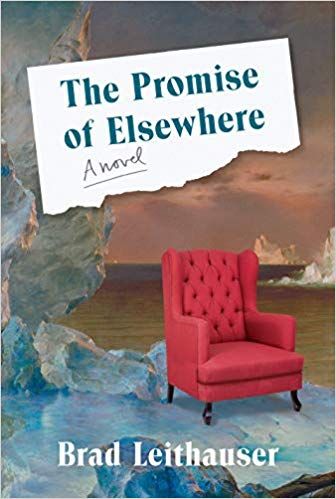
The Book of Elsewhere

“The Book of Elsewhere,” authored by the talented Jacqueline West, is a captivating middle-grade fantasy novel that transports readers into a realm teeming with mystery and adventure. Released in 2011, this enchanting story has captured the imaginations of children and young adults alike. It is the first installment in a series that intricately weaves themes of friendship, courage, and the power of art.

At the heart of the narrative is the protagonist, Olive Dunwoody, a girl who, along with her family, moves into a peculiar old house filled with peculiar paintings. Upon discovering a mysterious book in the attic, Olive soon learns that these paintings possess the ability to transport her into their worlds, allowing her to interact with imaginary creatures and scenes that challenge her perceptions of reality. However, this newfound power comes with perilous consequences as she encounters the sinister presence of a malevolent spirit, determined to entrap her in the art.

West’s imaginative storytelling shines through as she skillfully crafts a rich tapestry of vivid imagery and compelling characters. Olive’s journey serves as both an internal and external exploration, as she grapples with her insecurities and learns to embrace her unique abilities. The narrative is steeped in suspense, ensuring page-turning excitement, while also fostering important lessons about self-acceptance and the value of resilience.

Moreover, the novel’s illustrations enhance the reading experience, bringing the intricate artwork to life and captivating young readers. “The Book of Elsewhere” not only entertains but also encourages a love for literature and creativity, igniting a passion for the arts within its audience.

In summary, Jacqueline West’s “The Book of Elsewhere” is a beautifully crafted tale that delves into the magical interplay between art and reality, inviting readers to embark on an unforgettable adventure where the extraordinary lies just beyond the page.

Lev Grossman on Adapting Arthurian Legends For a World in Turmoil

Lev Grossman, author of the “Magicians” trilogy and a self-proclaimed “Arthurian nerd,” believes the enduring power of these ancient legends lies in their relevance to our modern struggles. In a recent interview, Grossman reflected on how the themes of King Arthur and the Knights of the Round Table can be surprisingly applicable to our current world, fraught with uncertainty and societal division.

“Arthur’s story is about building a society, and that’s a task we’re still grappling with,” Grossman notes. “The Arthurian legends are full of internal conflicts, political battles, and the struggle to create a sense of unity and justice.” He points to the contemporary relevance of Arthur’s quest for a utopian society, a concept that resonates deeply in our era marked by political polarization and social unrest.

Grossman believes that the legends provide a valuable framework for understanding the challenges of leadership and the weight of responsibility. Arthur’s journey is filled with trials and tribulations, mirroring the complexities of governing and navigating complex social issues. His journey offers a cautionary tale about the potential pitfalls of power and the constant struggle to uphold ideals in a world often plagued by corruption and betrayal.

Beyond the political context, Grossman highlights the emotional depth of the Arthurian legends. “It’s a story about love, betrayal, loss, and ultimately, redemption,” he explains. These enduring themes continue to resonate with readers and viewers, offering a timeless reflection on the human condition.

By adapting these timeless tales for contemporary audiences, Grossman suggests, we can gain a fresh perspective on our own struggles and find solace in the shared human experience. The Arthurian legends, far from being relics of the past, offer a powerful lens through which to examine the complexities of our own world, reminding us of the enduring power of hope, resilience, and the enduring search for a better future.

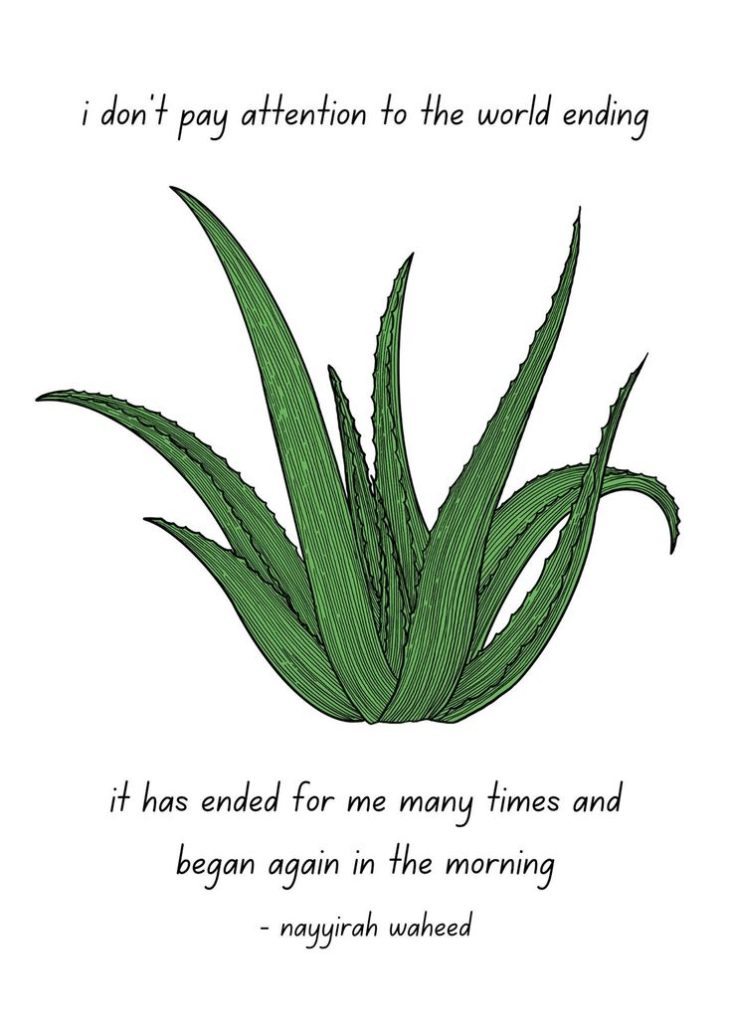
Seeing Green: Why We Should All Be Paying Attention to Plants

In a world dominated by technology and concrete, it’s easy to overlook the silent power of the plant kingdom. But the time has come to see green, to recognize the vital role plants play in our lives and the urgent need to protect them.

Plants are more than just pretty decorations. They are the very foundation of our ecosystem, providing us with oxygen, food, and medicine.  They clean our air, filter our water, and even regulate our climate. Without plants, we wouldn’t exist.

Yet, we are facing a global crisis of biodiversity loss, with plant species disappearing at an alarming rate. Deforestation, climate change, and unsustainable agriculture practices are all contributing to this decline.

Paying attention to plants goes beyond simply appreciating their beauty. It means recognizing their vital contribution to our planet’s health and our own well-being. It means understanding the interconnectedness of all living things and taking action to protect them.

We can all contribute to this cause by supporting sustainable practices, choosing plant-based food options, and advocating for policies that protect our green spaces. We can cultivate gardens, explore our local flora, and learn about the fascinating world of plants.

Seeing green isn’t just about appreciating the color, it’s about recognizing the profound importance of plants and taking responsibility for their future.  Let’s  join hands and make a concerted effort to protect these silent heroes, for our own sake and for the sake of future generations.

All Living Creatures: Do Animals Deserve Political Rights and Representation?

The question of animal rights has been debated for centuries, but in our increasingly interconnected world, it takes on new urgency.  Is it time to consider granting animals political rights and representation?

While the idea may seem radical, the arguments are growing stronger. We recognize animals as sentient beings capable of feeling pain, fear, and joy. We see their intelligence, their complex social structures, and their capacity for love. Yet, we continue to exploit them for food, entertainment, and research, often inflicting unimaginable suffering.

Some argue that granting animals political rights would be impractical and disruptive.  They point to the difficulty in defining animal “interests” and the potential for conflict with human needs.  However, this ignores the growing body of evidence demonstrating that animals have their own complex needs and desires.

Furthermore, granting animals representation could lead to better animal welfare policies.  Imagine a world where animal advocates have a voice in decisions affecting their lives, from factory farming practices to the use of animals in research.  This could lead to a more ethical and sustainable relationship between humans and animals.

Ultimately, the question of animal rights is not just about animals, but about our own humanity.  Do we truly believe that only humans deserve to have a voice in shaping their own destinies?  Or can we envision a world where all living creatures are treated with respect and dignity? The answer to this question may determine the future of our planet and the very definition of what it means to be human.