Cultural Topics

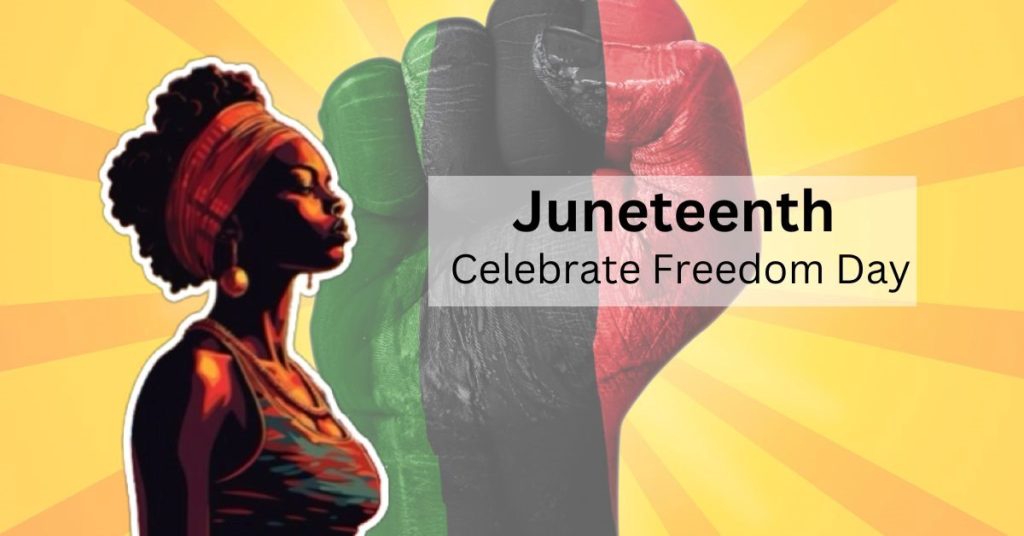
What is Juneteenth

Juneteenth stands as one of the most significant yet historically overlooked celebrations in American history. This day commemorates the effective end of slavery in the United States and represents a pivotal moment in the nation’s journey toward fulfilling its founding promise of liberty and equality for all. This comprehensive guide explores the historical significance of Juneteenth, its evolution as a celebration, its path to federal recognition, and its contemporary meaning in American society. 

The Historical Origins of Juneteenth 

Juneteenth, a portmanteau of “June” and “nineteenth,” commemorates June 19, 1865, when Union General Gordon Granger arrived in Galveston, Texas, and announced that all enslaved people in Texas were free. This date came a full two and a half years after President Abraham Lincoln issued the Emancipation Proclamation on January 1, 1863, which had declared “that all persons held as slaves” within the rebellious states “are, and henceforward shall be free.” 

Why the Delay? 

Several factors contributed to this significant delay: 

  • Limited Union Presence: The Emancipation Proclamation could only be enforced in places under Union control, and Texas had seen minimal Union military presence during the Civil War. 
  • Information Suppression: Enslavers actively suppressed information about emancipation to maintain their labor force. 
  • Communication Limitations: News traveled slowly in the 19th century, particularly to remote areas. 
  • Resistance to Compliance: Many enslavers simply refused to acknowledge emancipation until forced by military presence. 

General Order No. 3 

When General Granger arrived in Galveston, he read General Order No. 3, which stated: 

“The people of Texas are informed that, in accordance with a proclamation from the Executive of the United States, all slaves are free. This involves an absolute equality of personal rights and rights of property between former masters and slaves, and the connection heretofore existing between them becomes that between employer and hired labor.” 

This announcement finally brought the legal end of chattel slavery to the approximately 250,000 enslaved people in Texas who had remained in bondage despite the Emancipation Proclamation. 

Early Juneteenth Celebrations 

The first Juneteenth celebrations began in Texas in 1866, just one year after Granger’s announcement. These early commemorations were characterized by: 

Community Gatherings 

  • Church-centered celebrations with prayer and spiritual songs 
  • Community picnics and barbecues 
  • Readings of the Emancipation Proclamation and General Order No. 3 
  • Storytelling by formerly enslaved elders 

Challenges to Early Celebrations 

Despite the joy these celebrations represented, early Juneteenth commemorations faced significant obstacles: 

  • Restrictions from segregation laws limiting access to public spaces 
  • Economic intimidation against participants 
  • Violence and threats from white supremacist groups 
  • Lack of public recognition or support 

Migration and Expansion 

As formerly enslaved people and their descendants migrated from Texas to other parts of the country, particularly during the Great Migration (1916-1970), Juneteenth celebrations spread to new communities across the United States. Each community developed its own traditions while maintaining the core focus on freedom and remembrance. 

The Evolution of Juneteenth Celebrations 

Throughout the 20th century, Juneteenth celebrations evolved in response to changing social conditions and the ongoing struggle for civil rights: 

Decline During Jim Crow Era 

During the height of Jim Crow segregation and racial violence (1890s-1960s), public Juneteenth celebrations declined in many areas due to: 

  • Increasing racial repression 
  • Economic hardship during the Great Depression 
  • The Great Migration separating people from traditional celebration communities 
  • Emphasis on July 4th as the American freedom holiday 

Civil Rights Movement Revival 

The Civil Rights Movement of the 1950s and 1960s reinvigorated interest in Juneteenth: 

  • The freedom struggles of the era created renewed interest in African American historical celebrations 
  • Juneteenth became a symbol of the unfinished work of freedom 
  • The 1968 Poor People’s Campaign, organized by Martin Luther King Jr. before his assassination, held a Juneteenth celebration 

Momentum Toward Official Recognition 

Beginning in the 1970s, efforts to gain official recognition for Juneteenth gained momentum: 

  • In 1979, Texas became the first state to make Juneteenth an official state holiday 
  • Other states gradually followed with varying levels of recognition 
  • By 2020, 47 states and the District of Columbia recognized Juneteenth in some official capacity 

Juneteenth Becomes a Federal Holiday 

On June 17, 2021, President Joe Biden signed legislation establishing Juneteenth National Independence Day as a federal holiday, making it the 11th federal holiday and the first new federal holiday since Martin Luther King Jr. Day was created in 1983. 

The Path to Federal Recognition 

The journey to federal recognition included: 

  • Decades of grassroots advocacy by activists like Opal Lee, often called the “Grandmother of Juneteenth,” who at age 89 walked from Fort Worth, Texas, to Washington, D.C., to raise awareness 
  • Growing corporate recognition in the 2010s 
  • Renewed momentum following the racial justice protests of 2020 after the murder of George Floyd 
  • Bipartisan congressional support, with the Senate unanimously approving the legislation and the House voting 415-14 in favor 

Significance of Federal Recognition 

Federal recognition of Juneteenth represents: 

  • Official acknowledgment of the historical significance of emancipation 
  • Recognition of the full historical narrative of American freedom 
  • A commitment to remembering the country’s complex past 
  • A platform for education about American history 

Juneteenth Celebrations Today 

Contemporary Juneteenth celebrations blend traditional elements with modern expressions of Black culture, history, and achievement: 

Traditional Elements 

  • Barbecues and picnics featuring traditional foods, often including red foods and drinks (symbolizing resilience and sacrifice) 
  • Public readings of the Emancipation Proclamation 
  • Prayer services and gospel performances 
  • Storytelling and historical reenactments 

Modern Additions 

  • Educational panels and symposiums 
  • Art exhibitions and performances 
  • Community service projects 
  • Parades and festivals 
  • Voter registration drives 
  • Economic empowerment initiatives and support for Black-owned businesses 

Regional Variations 

Juneteenth celebrations vary by region, reflecting local culture and history: 

  • Texas: Elaborate historical reenactments and rodeos 
  • Southeast: Focus on church-centered celebrations with gospel music 
  • Northeast: Museum exhibitions and educational components 
  • West Coast: Music festivals and cultural marketplaces 
  • Midwest: Community service projects and intergenerational activities 

The Symbolism and Culture of Juneteenth 

Juneteenth has developed rich symbolic traditions over its 150+ year history: 

The Juneteenth Flag 

Created in 1997 by activist Ben Haith, the Juneteenth flag features: 

  • A white star in the center, representing Texas, the Lone Star State, where Juneteenth originated 
  • A burst around the star representing a nova, symbolizing a new beginning for African Americans 
  • Red, white, and blue colors affirming that formerly enslaved people and their descendants are fully American 

Traditional Foods 

Juneteenth celebrations often feature: 

  • Red foods and drinks: Symbolizing the bloodshed and resilience of enslaved people (examples include strawberry soda, watermelon, and red velvet cake) 
  • Barbecue: A traditional method of celebration and community gathering 
  • Black-eyed peas and cornbread: Representing good fortune and prosperity 
  • Sweet potatoes: A crop with African origins that became a staple in African American cuisine 

Music and Art 

Juneteenth celebrations typically include: 

  • Negro spirituals that date to the slavery era 
  • Jazz, blues, and gospel music 
  • Modern expressions including hip-hop and R&B 
  • Visual art exhibitions highlighting Black history and culture 
  • Dance performances showcasing various African and African American traditions 

Educational Significance of Juneteenth 

Juneteenth serves as an important educational opportunity for Americans of all backgrounds: 

Historical Learning 

Juneteenth provides a platform to learn about: 

  • The full timeline of emancipation (not just the Emancipation Proclamation) 
  • The complexities of the Civil War and Reconstruction 
  • The ongoing struggle for full freedom after legal emancipation 
  • The resilience of African American communities throughout history 

Contemporary Relevance 

As a national holiday, Juneteenth offers opportunities to discuss: 

  • The continuing impact of America’s history of slavery and segregation 
  • The progress made toward equality and the work that remains 
  • The contributions of African Americans to American culture and history 
  • The importance of inclusive historical narratives 

Teaching Approaches 

Educators increasingly incorporate Juneteenth into curricula through: 

  • Primary source analysis of emancipation documents 
  • Oral history projects connecting students with community elders 
  • Interdisciplinary approaches that include art, music, literature, and history 
  • Community-based learning that connects classrooms with local Juneteenth celebrations 

Juneteenth in Global Context 

Juneteenth is part of a global history of emancipation movements and commemorations: 

Emancipation Days Worldwide 

Similar commemorations around the world include: 

  • Emancipation Day in Canada (August 1), marking the abolition of slavery in the British Empire 
  • Liberation Day in various Caribbean nations, marking their specific emancipation dates 
  • Brazil’s Black Consciousness Day, which falls near the anniversary of slavery’s abolition there 

International Significance 

Juneteenth has gained international recognition as: 

  • A symbol of freedom movements worldwide 
  • A day to reflect on the global history of slavery and its legacies 
  • An opportunity to discuss human rights and freedom in contemporary contexts 

Contemporary Debates and Discussions 

As Juneteenth has gained wider recognition, it has also become a focus of broader social discussions: 

Reparations Discourse 

For some activists and scholars, Juneteenth provides an annual opportunity to address: 

  • The economic legacy of slavery and segregation 
  • Proposals for reparations to descendants of enslaved people 
  • Institutional approaches to addressing historical inequities 

Historical Education Debates 

Juneteenth has become part of discussions about: 

  • How American history is taught in schools 
  • The importance of inclusive historical narratives 
  • The relationship between historical understanding and contemporary civil rights 

Commercialization Concerns 

As with many holidays, some express concerns about: 

  • Potential commercialization diluting the meaning of Juneteenth 
  • Superficial corporate acknowledgments without substantive action 
  • Balancing celebration with solemn historical reflection 

Personal and Collective Significance 

Beyond its historical importance, Juneteenth holds profound meaning for many Americans: 

For African Americans 

Juneteenth often represents: 

  • A celebration of ancestral resilience and survival 
  • A connection to family and community history 
  • A day to honor the sacrifices of previous generations 
  • A reminder of both progress made and struggles that continue 

For All Americans 

As a national holiday, Juneteenth provides: 

  • A opportunity to engage with America’s full historical narrative 
  • A reminder that American freedom has been achieved through ongoing struggle 
  • A day to reflect on the country’s founding promises and their implementation 
  • A celebration of a pivotal moment in the nation’s journey toward justice 

Conclusion 

Juneteenth commemorates not just the end of slavery but the enduring human spirit and the ongoing journey toward freedom and equality in America. From its origins in Galveston, Texas, to its recognition as a federal holiday, Juneteenth represents both how far the United States has come and the distance yet to travel in fulfilling its founding ideals. 

As Juneteenth continues to gain recognition, it serves as both a celebration and a solemn reminder—honoring the resilience of those who lived through slavery and their descendants, while acknowledging the brutal reality of the institution itself. The holiday invites all Americans to reflect on the past, engage with the present, and work toward a more just future. 

By understanding Juneteenth’s historical significance and contemporary relevance, Americans can more fully appreciate this important celebration of freedom and its place in the nation’s continuing story. 


How Many Weeks in a Year?

The question of how many weeks are in a year seems straightforward at first glance, but the answer has more nuance than many people realize. Understanding the breakdown of our calendar system helps clarify why the number of weeks doesn’t divide evenly into a year and how different contexts might require different calculations. 

The Standard Calendar Year 

In the Gregorian calendar, which is the most widely used calendar system globally, a standard year consists of 365 days. When we divide 365 by 7 (the number of days in a week), we get 52.14 weeks. This means that a common year contains 52 complete weeks plus 1 extra day. 

Here’s the mathematical breakdown: 

  • 365 days ÷ 7 days per week = 52 weeks + 1 day 

This explains why December 31st falls on a different day of the week each year – the “extra” day shifts the calendar forward by one day each year. 

Leap Years 

The situation becomes slightly more complex when we consider leap years. A leap year occurs every four years (with some exceptions) and adds an extra day, February 29th, making the year 366 days long. In a leap year, the calculation becomes: 

  • 366 days ÷ 7 days per week = 52 weeks + 2 days 

This means leap years contain 52 complete weeks plus 2 extra days, shifting the following year’s calendar by two days instead of one. 

The ISO Week System 

For business, financial reporting, and international standards, many organizations use the ISO week numbering system (ISO 8601). This system defines a week as beginning on Monday and ending on Sunday. According to ISO standards, a year can have either 52 or 53 weeks. 

An ISO year begins with the week that contains the first Thursday of the Gregorian calendar year. This ensures that the first week always contains January 4th. If January 1st falls on a Monday, Tuesday, Wednesday, or Thursday, it belongs to week 1 of the current year. If it falls on a Friday, Saturday, or Sunday, it belongs to the last week of the previous year. 

Because of this definition, some years can have 53 ISO weeks. This happens when: 

  • A normal year starts on a Thursday (making December 31st fall on a Thursday as well) 
  • A leap year starts on a Wednesday (making December 31st fall on a Thursday) 
  • A leap year starts on a Thursday (making December 31st fall on a Friday) 

These situations push the final days of December into a 53rd week according to ISO standards. 

Different Week Counts in Various Contexts 

Depending on the context, the number of weeks in a year might be counted differently: 

  1. Fiscal Year Weeks: Many companies operate on fiscal years that don’t align with the calendar year. Their “year” might begin in April, October, or another month, affecting how they count weeks. 
  1. Payroll Cycles: Some employers process payroll on a bi-weekly basis, resulting in either 26 or 27 pay periods in a year, depending on how the calendar falls. 
  1. Retail Calendar: The retail industry often uses a 4-5-4 calendar, dividing the year into four quarters of 13 weeks each, with months consisting of either 4 or 5 weeks. In this system, a year occasionally needs a 53rd week to realign with the Gregorian calendar. 
  1. Pregnancy Calculations: In medical contexts, pregnancy is traditionally measured as 40 weeks, though this doesn’t perfectly align with the 9 calendar months often cited. 

Historical Context 

Our current calendar system has evolved over centuries. The ancient Romans initially used a 10-month calendar beginning in March, which is why September through December have names indicating positions as the 7th through 10th months, despite now being the 9th through 12th months. 

Julius Caesar introduced the Julian calendar in 45 BCE, which established the 365-day year with leap years. This system was further refined by Pope Gregory XIII in 1582, creating the Gregorian calendar we use today, which modifies the leap year rule to maintain better alignment with the solar year. 

Cultural Variations 

Different cultures have developed various calendar systems throughout history: 

  • Lunar Calendars: Islamic and Hebrew calendars are based primarily on lunar cycles, with years of either 354 or 355 days, equivalent to about 50-51 weeks. 
  • Lunisolar Calendars: Traditional Chinese and Hindu calendars combine lunar months with solar years, occasionally adding leap months to synchronize with seasonal changes. 
  • Solar Calendars: The Persian calendar (used in Iran and Afghanistan) is a solar calendar with a different leap year pattern than the Gregorian calendar. 

Practical Applications 

Understanding the number of weeks in a year has practical applications in many areas: 

  • Project Management: When planning project timelines, managers need to account for the actual number of working weeks available. 
  • Budget Planning: Annual budgets need to consider whether there will be an extra pay period in years with 53 weeks. 
  • Software Development: Calendar functions in software must correctly handle the transition between years, including the varying number of ISO weeks. 
  • Holiday Scheduling: Businesses need to know which week contains holidays like Christmas or New Year’s as these dates can fall in different ISO weeks from year to year. 

In conclusion, while we commonly reference a year as having 52 weeks, the precise answer depends on the context and system of measurement. For most practical purposes, a year consists of 52 complete weeks plus 1 or 2 extra days, occasionally resulting in a 53rd partial week or, in some counting systems, a complete 53rd week. 


10 Melissa McCarthy GIFs That Perfectly Sum Up a Teacher’s Week

Introduction:

There’s no denying that teachers have one of the most challenging jobs out there. The emotions, the stress, and the moments of pure joy are just some of the aspects of a teacher’s week that can be perfectly summed up by none other than the hilarious and relatable Melissa McCarthy. Here are ten Melissa McCarthy GIFs that capture the essence of a teacher’s whirlwind week.

1. Monday Morning

(GIF: A sleepy Melissa McCarthy struggling to open her eyes)

This GIF says it all – waking up on Monday morning after a weekend of relaxation is always a struggle. Teachers across the globe can relate to the difficulty of peeling themselves out of bed and gearing up for another busy week.

2. Planning Lessons

(GIF: Melissa McCarthy vigorously typing on her laptop)

Crafting engaging lessons takes time, effort, and plenty of coffee. This GIF showcases just how dedicated teachers are to making sure their students have the best learning experience possible.

3. The Lightbulb Moment

(GIF: Melissa McCarthy’s face lighting up with excitement)

That wonderful moment when a student finally understands a concept they’ve been struggling with is priceless. The rush of happiness and pride in this Melissa McCarthy GIF perfectly captures those feelings.

4. Dealing with Classroom Antics

(GIF: Melissa McCarthy rolling her eyes and sighing dramatically)

Every class has its fair share of mischief-makers, and sometimes teachers just need to take a deep breath (and maybe an eye roll) before addressing these little distractions.

5. Lunch Break Chaos

(GIF: Melissa McCarthy inhaling food in a hurry)

There’s never enough time during lunch breaks to relax or even eat properly for most teachers. This GIF is an all-too-familiar depiction of trying to scarf down food in between managing students and preparing for the next lesson.

6. Encouraging Teamwork

(GIF: Melissa McCarthy holding up her hands, urging people forward)

Whether it’s getting students to collaborate or working with fellow teachers, this GIF catches the supportive and motivational spirit that teachers embody every day.

7. Grading Papers

(GIF: Melissa McCarthy frantically flipping through papers)

The monumental task of grading all those assignments and tests can be daunting. This GIF perfectly sums up the chaos of trying to plow through stacks of papers, sometimes late into the night.

8. Parent-Teacher Conferences

(GIF: Melissa McCarthy nodding emphatically while listening to someone speak)

These meetings can be challenging for both parents and teachers. This GIF highlights how actively listening and engaging in meaningful conversations can help to ensure a productive conference.

9. Friday Afternoon Relief

(GIF: Melissa McCarthy dancing with joy)

When the final bell rings on Friday afternoon, teachers everywhere rejoice in knowing they made it through another week. The sheer elation in this GIF is something that every teacher has likely experienced.

10. Weekend Prep Time

(GIF: Melissa McCarthy putting on a face mask and drinking wine)

After an exhausting week, it’s essential for teachers to take some time for themselves and reset. This self-care-focused GIF mirrors those precious moments of relaxation before gearing up for another adventurous week.

Conclusion:

Being a teacher comes with its unique set of challenges, but as these ten Melissa McCarthy GIFs demonstrate, there’s also plenty of opportunity for laughter and joy along the way. Here’s to all the dedicated teachers who navigate the highs and lows of their workweek with grace and resilience!

The Power of Narratives: Shaping Our World Through Stories

Introduction

From the very beginning, storytelling has been an essential part of human existence. Narratives allow us to form connections, share experiences, and explore possibilities. But what is it about narratives that make them so powerful and universally prevalent? In this article, we will delve into the importance of narratives, how they help us make sense of the world, and their impact on our lives.

The Art of Storytelling

Stories are everywhere – from daily conversations with friends to intricate novels and masterful movies. But what makes a good story? At its core, a compelling narrative comprises intriguing characters, relatable emotions, and a memorable plot. As we explore these elements further, we might recognize that stories can have an extraordinary capacity to resonate with our personal experiences or stir deep emotions within us.

Understanding Our Realities Through Narratives

One significant reason why narratives hold an essential place in our lives is that they help us understand the world in more meaningful ways. For instance, historical accounts use storytelling techniques to convey complicated events occurring in the past. By presenting these scenarios as narratives, we can develop a stronger connection to their context and gain fresh insights into how our societies have evolved.

Narratives also play a crucial role in shaping our identities. As individuals, our conception of who we are often involves piecing together moments from our past, present, and future aspirations into a cohesive story. This narrative structure helps give meaning to various experiences in our lives and offers a framework for interpreting future challenges.

Learning Life Lessons through Narratives

Another vital aspect of storytelling is its potential for imparting wisdom and morals through metaphorical narratives. For example, mythologies and fables often exhibit moral lessons disguised in fantastical tales that appeal to readers everywhere. By relating complex ideas through these stories, readers can garner substantial knowledge while simultaneously becoming enthralled by captivating plots.

The Influence of Narratives in the Modern World

In today’s digital era, narratives continue to retain a central role in our lives. Social media, for instance, has emerged as a storytelling platform where we share snippets of our personal accounts or curate a digital persona through images and captions. Additionally, viral stories that capture our attention on newsfeeds and blogs showcase the power of narratives in affecting change and shaping public opinion.

Conclusion

Narratives have long been an integral aspect of humanity’s social fabric. As individuals, we rely on storytelling as a means to understand the world around us, shape our identities, and connect with one another. From ancient mythologies to modern-day social media stories, the power of narratives continually guides us through our ever-evolving world.

Adorable Mother’s Day Gifts

As Mother’s Day approaches, many of us are wondering what to get the special women in our lives to thank them for all the love and support they have shown us over the years. It can be challenging to find a gift that truly captures the essence of our appreciation and love for our mothers. Thankfully, a little bit of thoughtfulness and creativity can go a long way.

One of the most popular Mother’s Day gifts is a heartfelt greeting card. There are endless themes and designs to choose from, or you could get creative and make your own. A handwritten note is always a touching gesture, expressing your gratitude, love, and admiration in a personal and meaningful way.

Flowers are another popular choice for gifting on Mother’s Day. You can never go wrong with a beautiful bouquet of her favorite flowers, or create a personalized arrangement to suit her style and taste. Flowers bring a sense of freshness and vitality into her home, and remind her of your love and appreciation every time she sees them.

Chocolates and other sweet treats are also a lovely way to indulge your mother on Mother’s Day. There are many options available, from artisanal chocolates to decadent desserts. You could even create a DIY chocolate hamper, including your mother’s favorite chocolates and other delightful treats she will enjoy.

For a more sentimental gift, consider giving your mother a photo album or a personalized photo frame. You could curate a collection of cherished family memories, including pictures of past Mother’s Day celebrations. This will not only remind her of the happy moments you’ve shared together, but also show her how much you cherish her role in your life.

Jewelry is another timeless gift option that is sure to delight any mother. You could choose earrings, necklaces, bracelets, or even a personalized piece with her name or initials. Whatever your choice, she will appreciate the thought and effort you put into creating a memorable gift that she will treasure for years to come.

Lastly, you could pamper your mother with a spa day or a relaxing massage. This will give her the opportunity to de-stress and unwind, and express your gratitude for all the hard work she does. A day of rest and relaxation is often much appreciated, especially for busy moms who don’t often take the time to care for themselves.

In conclusion, Mother’s Day is the perfect occasion to show our love and appreciation for the special women in our lives. Whether through a handwritten note, flowers, chocolates, jewelry, or a pampering session, any of these gifts are sure to warm her heart and remind her of your love. So go ahead and make this Mother’s Day a special and unforgettable one!