Curriculum & Instruction

20 Ways Teachers Can Make Those Summer Vibes Last into the School Year

Introduction:

Summer is a time of relaxation, sunshine, and fun – but all too soon it’s back to reality as the new school year begins. Don’t despair; follow these tips to keep those summer vibes alive long after the first bell rings.

1. Play upbeat music: Start the day with some energetic, feel-good tunes that are reminiscent of summer vacations.

2. Infuse the classroom with nature: Bring in plants or post nature-themed images to maintain a connection with the outdoors.

3. Schedule “beach days”: Plan occasional beach-themed lessons or movie events featuring sand, sunblock, and surfing.

4. Maintain a warm color scheme: Use yellows, oranges, and other bright colors to energize your classroom environment.

5. Preserve your break memories: Display personal photos from your vacation to transport you back to sunnier days.

6. Emphasize hands-on learning: Get your students excited about learning by planning engaging activities that get them out of their seats.

7. Encourage summertime reading choices: Allow students autonomy in selecting books that evoke summer fun or adventure themes.

8. Foster friendships: Strengthen relationships among class members by creating opportunities for group projects and team-building exercises.

9. Create opportunities for laughter: Incorporate funny moments or humorous elements into lessons to lighten up daily routines during the school year.

10. Have outdoor lessons when possible: Holding classes outside can do wonders in helping students feel connected with nature.

11. Host an end-of-week “picnic”: Set up a picnic scene where students can enjoy light snacks and discuss their progress throughout the week.

12. Plan field trips: Connect subjects to real-world experiences with fun outings and excursions outside of the traditional classroom setting.

13. Use vivid imagery in lessons: Present colorful, eye-catching slides and media to help transport students’ minds to a summer state-of-mind.

14. Encourage creativity: Rather than assigning traditional homework assignments, prompt students to think outside the box and express their unique capabilities.

15. Organize beach cleanups: Engaging in eco-friendly community service activities can be an excellent way of reliving summertime while giving back.

16. Celebrate “sunshine days”: Acknowledge your students’ good behavior with mini sunshines to encourage a positive learning atmosphere.

17. Integrate mindfulness practices: Begin or end classes with brief meditation moments, giving students time to reconnect with their inner selves despite academic pressures.

18. Keep snacks light and refreshing: Offer students fresh fruit or hydrating foods like watermelon at special events as a healthy reminder of summertime nutrition.

19. Establish “flip-flop Fridays”: Allow for casual dress code days where students and staff can feel the relaxed nature of summer even within the walls of school.

20. Conduct “solar-powered” lessons: Integrate solar energy or sustainable living conversations into lessons, reinforcing the importance of environmentally-minded practices popular during the summertime.

Conclusion:

Bringing summer vibes into the classroom isn’t just about fun and games – it’s about maintaining an engaging, positive, and enjoyable environment for students and teachers alike. By incorporating these suggestions into your teaching strategies, you can make the transition from vacation to academics smoother while keeping that cherished summer spirit alive!

4 Terrific Books to Help Kick Off Your School Year & Create Classroom Culture

The beginning of a new school year brings a flurry of excitement and anticipation for both teachers and students. As educators, it’s vital to establish a strong classroom culture early on to set the tone for a successful year. One way to achieve this is by incorporating engaging and impactful books in your back-to-school lineup. Here are four terrific books that not only provide enriching content, but also help create a supportive and inclusive classroom culture.

1. Fish in a Tree by Lynda Mullaly Hunt

Fish in a Tree is an empowering story about Ally, a young girl with dyslexia who has successfully managed to hide her struggle with reading from her teachers and peers. With the help of a dedicated teacher, she begins to realize that her learning difference isn’t something to be ashamed of, but rather a unique strength. This book encourages discussions about empathy, understanding, and accepting individual differences, making it an excellent choice for establishing an inclusive classroom environment.

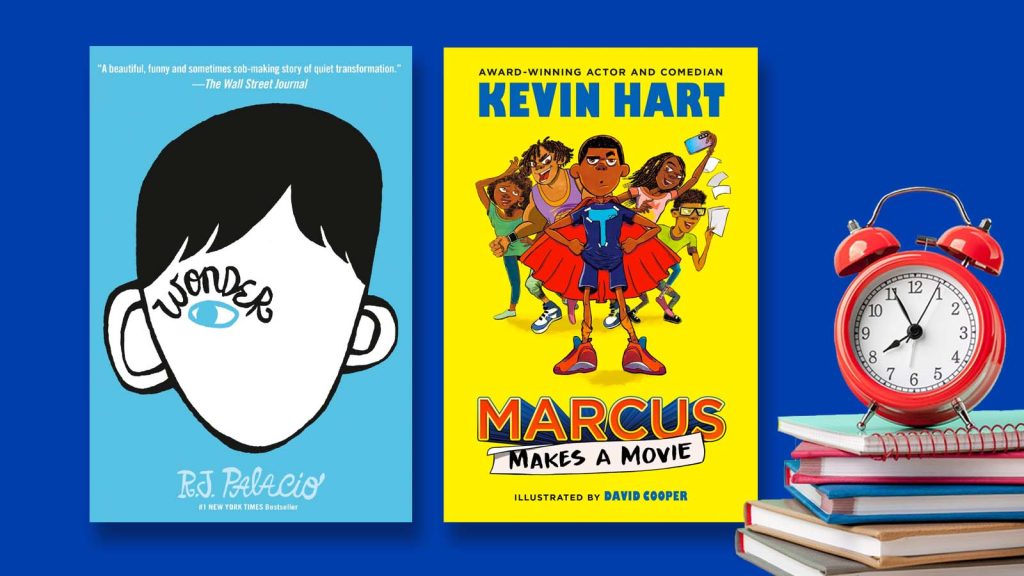
2. Wonder by R.J. Palacio

Wonder is the heartwarming tale of August Pullman, a boy born with facial differences who enters fifth grade at public school for the first time after being homeschooled his entire life. As Auggie navigates his new surroundings, he teaches everyone around him invaluable lessons about kindness, acceptance, friendship, and resilience. Wonder serves as an ideal conversation-starter for promoting empathetic and compassionate behavior in the classroom.

3. The Dot by Peter H. Reynolds

In this beautifully illustrated children’s book, young Vashti believes she cannot draw until her art teacher encourages her to make a simple dot on paper. From that one small dot springs forth an impressive array of creative endeavors, demonstrating the power of self-belief and growth mindset. The Dot promotes confidence and self-expression—essential ingredients for a positive classroom atmosphere where students feel encouraged to explore their talents and passions.

4. The Juice Box Bully by Bob Sornson and Maria Dismondy

The Juice Box Bully centers around Pete, a new student who displays aggressive behavior and lacks kindness. Through thoughtful conversations and the support of his classmates, Pete eventually learns the importance of empathy, respect, and standing up against bullying. This book is a must-read to underscore the significance of teamwork and community-building in fostering a safe and supportive classroom environment.

Incorporating these books into your school year kick-off can help create a strong foundation of trust, acceptance, and camaraderie among your students. As each story unfolds and students engage in meaningful discussions, they’ll learn essential values that will promote a positive classroom culture throughout the entire school year.

How Grade Level Teams are Collaborating During COVID

Introduction:

The unprecedented challenges brought on by the COVID-19 pandemic have necessitated innovation and adaptability in all aspects of life, including education. With schools scrambling to adjust their teaching models, grade level teams faced an urgent need to collaborate effectively to ensure the best outcomes for their students. In response, proactive measures were taken to enhance communication, share resources, and maintain a sense of community among staff and students. This article explores how grade level teams have been collaborating during the pandemic to meet these objectives.

Enhancing Communication Channels:

One crucial aspect of collaboration during the COVID era has been maintaining open channels of communication among educators. The adoption of various digital platforms such as Zoom, Microsoft Teams, Slack, and Google Meet has enabled regular team meetings for planning and strategizing. Teachers have also leveraged these tools to provide real-time feedback, share ideas, and keep each other informed of student progress.

Resource Sharing:

As teachers adapted their lesson plans for remote instruction, a spirit of sharing emerged as colleagues began pooling resources such as lesson plans, instructional videos, online quizzes, and educational games. This collaborative effort helped reduce individual workloads while promoting consistent learning experiences across all grade levels. By leveraging virtual repositories like Google Drive or Dropbox, educators have created shared libraries of resources that can be accessed by everyone on the team.

Support Networks:

The pressures of adapting to remote teaching while simultaneously navigating the complexities of personal lives during a pandemic have put immense strain on educators. Recognizing this challenge, many grade level teams created support networks for addressing mental health concerns or stress management strategies among their peers. Through online forums or chat groups, teachers in need could find empathetic ears and advice from colleagues experiencing similar struggles.

Maintaining a Sense of Community:

A significant hurdle during the shift to remote learning has been retaining a sense of community among staff and students. To overcome this barrier, grade level teams have tried to maintain the spirit of camaraderie by organizing virtual activities such as synchronous thematic days, virtual sporting events, and online assemblies. Furthermore, teachers have made efforts to engage families in the educational process through parental outreach and virtual parent-teacher meetings.

Professional Development Opportunities:

Even during the pandemic, professional development has remained crucial for grade level teams looking to continuously hone their teaching techniques. Online training sessions and webinars have been employed to familiarize educators with new technology tools, digital assessment methods, and adaptive learning strategies essential for remote education.

Conclusion:

COVID-19 has dramatically impacted education across the globe. Despite facing significant challenges, grade level teams have found creative ways to collaborate, enabling them to support student success and maintain a sense of community amidst uncertainty. The lessons learned during this time will undoubtedly continue to inform educational practices in a post-pandemic world.

10 Activities That Teach the Presidential Election Process

1. Electoral College Simulation: Divide students into groups representing states, assigning each group a number of electoral votes based on population. Students take on the role of electors by voting within their group, helping them understand the Electoral College’s function in the process.

2. Mock Election: Organize a mock election using fictional candidates or prominent historical figures. Students can research these candidates, participate in debates, create campaign materials, and cast ballots on Election Day, all while learning about the voting process itself.

3. Presidential Election Board Game: Create custom board game where students move around the board gaining knowledge about the election process – from primaries to general election – by answering questions and completing tasks related to different aspects of the election.

4. Candidate Fact-Checking Activity: Students research presidential candidates’ positions and policies and verify claims made in campaign speeches or advertisements. This teaches the importance of critically evaluating information from potential future leaders.

5. Create Campaign Advertisements: Allow students to flex their creative muscles by designing and producing campaign advertisements for fictional or historical candidates, highlighting both the importance of messaging and persuasive communication techniques.

6. The Path to 270 Game: Design an interactive map that lays out each state’s electoral vote allotment and challenges students to determine the winning combination for a candidate to achieve 270 or more electoral votes—a majority needed to win the presidency.

7. Role-Playing Presidential Debates: Encourage students to closely watch a live presidential debate (if possible) and then perform a similar debate themselves, taking on assigned roles as candidates or moderators, while focusing on relevant real-life issues for added educational value.

8. Voter Registration Effort: Encourage civic responsibility early by simulating a voter registration campaign where students learn how to complete voter registration forms (for practice) and outreach efforts such as public service announcements regarding voter registration deadlines.

9. Analyzing Historical Elections: Examining past presidential elections, students can research each candidate’s platform, campaign strategies, electoral outcomes, and key events that may have influenced the results. This helps students understand patterns and trends in American politics over time.

10. Constitutional Analysis: Teach students about the constitutional provisions related to electing a president, such as eligibility requirements, terms of office, election processes. Students can analyze relevant sections of the Constitution and discuss any potential changes to the existing system.

By incorporating these interactive and educational activities into lesson plans, teachers can equip students with a comprehensive understanding of the presidential election process while fostering excitement and engagement in the democratic process itself.

16 Ways to Involve Kids in Creating Their Own Learning Spaces

Introduction:

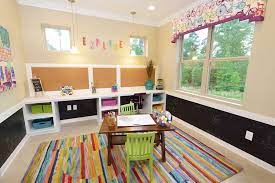
Encouraging kids to take an active role in designing their own learning spaces can foster a sense of ownership, autonomy, and creativity. Involving children in this process also teaches them valuable skills such as planning, organization, and collaboration. Here are 16 ways to help your kids create their very own learning environments.

1. Assess their needs: Start by discussing with your child what they need for an effective learning space. This includes considering factors such as comfort, accessibility, and functionality.

2. Plan the layout: Have your child sketch a rough plan of their desired learning space. Encourage them to think about the placement of furniture and materials.

3. Choose a theme or color scheme: Let your child pick colors or themes that inspire them and apply these choices to furniture, accessories, and wall decorations.

4. Delegate age-appropriate tasks: Allow children to participate in the design process by completing tasks suitable for their age, such as arranging books or selecting storage options.

5. Incorporate elements of play: Encourage kids to make room for fun and creative elements in their learning space like art supplies, puzzles, or manipulatives.

6. Provide choices for seating: Offer various seating options like bean bags, floor cushions or adjustable chairs that allow your child autonomy in choosing how they want to sit while they learn.

7 . Lighting control: Teach kids about the importance of proper lighting in a learning environment by allowing them to adjust it themselves using dimmers or lamps.

8 . Personalize the space: Incorporate family photos, artwork created by the child, or motivational quotes that resonate with them.

9 . Create zones for different activities: Help children set up distinct areas for activities such as reading, writing, crafting or playing games.

10 . Optimize storage solutions: Involve kids in selecting smart storage options that are easily accessible to them, like open bins and shelves.

11 . Experiment with sensory materials: Encourage children to introduce sensory materials—like fidget toys, textured rugs, or calming music—that help them focus and feel at ease.

12 . Invite friends to collaborate: Have your child team up with friends or siblings to create a shared learning space that accommodates everyone’s needs.

13 . Make use of available resources: Teach kids about upcycling and recycling materials to personalize their learning space on a budget.

14 . Integrate technology: Discuss ways to incorporate technology into the learning environment, such as tablets, headphones, or smart speakers.

15 . Give your child decision-making power: Empower your child by allowing them to make choices throughout the planning and design process.

16 . Emphasize flexibility: Help your child understand that their learning space can evolve and change over time. Encourage them to reassess their space regularly and make adjustments as needed.

Conclusion:

Involving kids in creating their own learning spaces encourages a sense of ownership while teaching valuable life skills. By following these 16 steps, you can help your child craft an environment in which they can learn, grow, and thrive.

How the American Dirt Controversy Made Me Rethink My Curriculum

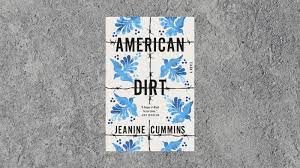
The newfound controversy surrounding Jeanine Cummins’ novel, American Dirt, has been a whirlwind of opinions and emotions for readers and educators alike. As a teacher, I have taken this moment as an opportunity to pause and reconsider my curriculum choices to ensure that I am providing a broad range of perspectives for my students. Here is how the American Dirt debate has made me rethink my curriculum.

Understanding the Controversy

If you have somehow managed to miss the buzz surrounding American Dirt, let me catch you up. The novel tells the story of a Mexican mother and her son who face unimaginable hardships as they flee their home country and make their way to the United States in search of a better life. Initially praised by critics and popular authors alike, it soon became apparent that many in the Latinx community had concerns.

Critics argue that Cummins’ work is fraught with stereotypes, cultural appropriation, and problematic depictions of Mexican people and culture. Many were disturbed by the fact that Cummins, a white woman, had profited off of telling a story that was not her own. The ensuing backlash has sparked important conversations about representation in literature, authorship, and diversity in publishing.

Rethinking My Curriculum

As an educator, it is my responsibility to curate reading lists for my students that provide diverse experiences and insights from different backgrounds. While examining the American Dirt controversy, I realized there were some key areas where I could improve my own curriculum.

1. Prioritizing Authentic Voices: One significant argument against American Dirt is that Cummins may not have had the necessary personal experience to tell this particular story authentically. In response, I sought out texts written by Latinx authors that provide an accurate representation of their own experiences to integrate into our class discussions.

2. Encouraging Critical Thinking: I began discussing controversies like American Dirt with my students to equip them with the ability to analyze and question the stories they read. By comparing and contrasting multiple perspectives, students can develop a more comprehensive understanding of the subject matter.

3. Broadening Our Reading List: The American Dirt debate made me realize how essential it is to expose students to a broad range of literary experiences. I expanded my curriculum to include works from diverse authors, including but not limited to, marginalized voices.

4. Fostering Awareness About Cultural Appropriation: As an educator, it is important for me to address the issue of cultural appropriation in literature directly. By talking about such issues in class, I hope to foster sensitivity towards other cultures and inspire students to be more respectful.

Moving Forward

Few controversies offer the chance for such reflection and growth as that which surrounds American Dirt. This debate has provided a much-needed wake-up call for me as an educator, pushing me to reconsider my curriculum choices and seek out authentic voices from diverse backgrounds. By using this controversy as a learning opportunity, I am striving to create a more inclusive education experience for my students.

How One Teacher Uses Pop Culture to Revive Curriculum and Build Rapport

Introduction:

In today’s rapidly changing world, many teachers face the challenge of keeping their students engaged and motivated within the classroom. One innovative teacher has found a unique approach by incorporating pop culture into the curriculum to rejuvenate learning experiences and foster better relationships with students. In this article, we will explore how this educator’s methods have improved student engagement, academic performance, and rapport-building.

Incorporating pop culture into the curriculum:

Recognizing that classroom discussions can become monotonous, this teacher began incorporating pop culture references into lessons in an attempt to spark more interest from students. Instances of popular movies, television shows, music, and online trends were integrated into various subjects—even complex math problems. Rather than using traditional examples in lectures or textbook material, real-life applications of popular culture were utilized to make coursework more relatable and engaging for students.

Benefits of using pop culture in education:

1. Relevance: Students are more likely to pay attention when they feel connected to what they’re learning. By incorporating elements of pop culture, lessons become more relatable and engaging for learners from diverse backgrounds.

2. Critical thinking: Using pop culture helps students employ critical thinking skills as they analyze trends, marketing strategies, and societal implications that are involved in the creation and reception of popular works.

3. Intercultural understanding: Analyzing different aspects of pop culture allows students to gain a stronger appreciation for global cultural diversity.

4. Encourages creativity: Integrating pop culture into the curriculum provides an opportunity for students to express their creativity as they are encouraged to think outside the box.

Improved academic performance:

Research supports using pop-culture references as an effective teaching tool. As a result of incorporating popular movie clips, song lyrics, current events, or even social media memes into lesson plans, students’ interests are piqued which leads them to engage more in the learning process. This heightened engagement translates into better academic performance, as learners are more likely to absorb and retain information that resonates with them.

Building rapport:

1. Shared interests: Leveraging pop culture to build rapport with students has proven to be quite effective. By demonstrating an understanding of their interests, educators create a more relatable classroom atmosphere.

2. Communication: Discussions of popular culture open channels for communication between teachers and students, making it easier for students to feel comfortable in expressing their thoughts and opinions.

3. Fosters understanding: Teachers fostering an environment where students feel comfortable discussing elements of pop culture promotes a better understanding of different perspectives, personal histories, as well as cultural backgrounds.

Conclusion:

Incorporating pop culture into the curriculum has proven to be a powerful tool for improving student engagement and building rapport within the classroom. Teachers embracing this innovative approach demonstrate a commitment to reaching today’s students on a new level by acknowledging the importance of adapting to the ever-changing landscape of popular culture. Ultimately, this method enables learners to develop essential critical thinking skills while connecting with educators in a meaningful way.

I Let My 7th Graders Design My Curriculum. They’re Pretty Good at It.

It all started with a simple question: What if we let seventh graders design their own curriculum? This sparked my journey into experimental education, where I discovered that young students not only possess remarkable creativity and intelligence, but are also eager to take control of their learning experience.

I have been a teacher for over a decade, and throughout this time, I’ve witnessed countless students struggling with traditional methods of education. More often than not, they felt disinterested or unchallenged by the pre-determined lesson plans. With these concerns in mind, I set out to create an entirely new educational model for my seventh-grade class—one that would allow students to contribute their ideas and shape their educational journey.

The Process

The first step was to seek input from the students themselves. I began by inviting them to share their thoughts on what they deemed relevant and important in today’s world. Their suggestions ranged from climate change and mental health awareness, to entrepreneurship and coding. Excited by their enthusiasm, I encouraged them to dive deeper into these subjects and start researching potential learning goals and projects.

We then gathered the most popular ideas and divided the class into groups according to their interests. Each group was responsible for creating a detailed lesson plan that would cover multiple subject areas including science, math, English, history, and social studies. The plan needed to include objectives, teaching strategies, class activities, and assessments that would capture the interest of the entire class.

The Results

As the weeks unfolded, I was astounded by the transformation that took place in my classroom. The energy level rose dramatically as students eagerly participated in group discussions and exchanged ideas. They knew that they were shaping their own educational experience and embraced it wholeheartedly.

The lessons were rich with diverse content that not only tested the limits of our educational standards but also introduced new and innovative methods of teaching and learning. Concepts taken straight from the real world allowed students to see the impact of their newfound knowledge, and the hands-on approach gave them a sense of ownership over their work.

One of the best outcomes was the way in which students worked together to overcome challenges and implement solutions. They didn’t shy away from mentoring each other, especially when it came to areas where they possessed certain strengths or skills.

The Feedback

I surveyed my students at the end of this experimental period, and an overwhelming majority expressed greater satisfaction and engagement in their education as a result of being given the chance to design their own curriculum. Students felt that they had more control over their learning environment, resulting in increased motivation and academic performance.

Final Thoughts

This experience has taught me that giving students control over their educational journey can lead to incredible results. By placing trust in their abilities and opening up the classroom for collaborative exploration, we can challenge traditional methods and create a learning experience that caters to individual needs and interests.

Empowering students to take charge of their education fosters creativity, critical thinking, problem-solving, collaboration, self-awareness, and leadership skills—all essential tools for success in today’s ever-evolving world. Perhaps it’s time we rethink our educational models and give students a chance to show us how capable they truly are.

9 Steps to an Awesome Book Discussion in Grades K–2

Introduction:

A well-structured book discussion can be a meaningful and enjoyable experience for young children. It helps to develop their critical thinking, listening, and speaking skills. In this article, we will provide you with a step-by-step guide to organizing an awesome book discussion for kindergarten through second-grade students.

Step 1: Choose the right book

Select a book that is age-appropriate and interesting for your students. Consider class interests, reading levels, and themes that relate to current topics being studied.

Step 2: Read the book together

Read the chosen book aloud to your students or have them read it individually or in small groups. This step helps ensure that all participants are familiar with the story and can engage in meaningful discussions during the book talk.

Step 3: Introduce key vocabulary

Before starting the discussion, introduce any new or challenging vocabulary words that appear in the story. Help students understand their meaning and use them in context as they discuss the book.

Step 4: Develop open-ended questions

Create a list of open-ended questions related to the story that encourage students to think critically, make connections, and share opinions. Some examples might include “How do you think [character] felt when…?”, “Why do you think [character] decided to…?”, or “What would you have done if you were in [character]’s situation?”

Step 5: Establish discussion guidelines

Clearly define rules and expectations for participating in a respectful conversation. Encourage students to listen actively, take turns speaking, politely disagree if needed, and stay on topic.

Step 6: Start the discussion

Begin by asking one of your prepared questions and allowing students time to think before sharing their responses. Provide support by facilitating the conversation with prompts if necessary.

Step 7: Encourage active engagement

As children discuss their thoughts on the book, validate their opinions and encourage them to listen and respond to their classmates’ ideas. This engagement helps build a rich dialogue that delves deeper into the story.

Step 8: Connect the discussion to curriculum goals

While examining various aspects of the story through open discourse, create connections to your overarching educational goals or units of study. This integration strengthens students’ understanding of various subjects in tandem with literacy skills.

Step 9: Reflect and wrap up

After a fulfilling conversation, guide students in a reflection on what they learned from the story and their peers. Encourage them to consider new perspectives they hadn’t previously thought of and how these discussions can impact their interactions with literature moving forward.

Conclusion:

Implementing these nine steps will foster a meaningful and engaging book discussion experience for your young learners. By creating a safe space for them to share ideas and reflect on their experiences, you’re not only building a foundation for literary appreciation but nurturing important life skills such as critical thinking and effective communication.

Exploring Free E-Books: Building a 36-Week Character Education Curriculum

Introduction:

In today’s fast-paced world, it has become increasingly important to cultivate well-rounded individuals equipped not only with intellectual knowledge but also with strong ethical values and emotional intelligence. With the availability of free e-books, teachers, parents, and educational institutions can now access valuable resources to help build a comprehensive character education curriculum. One such e-book that stands out is “How to Build a 36-Week Character Education Curriculum.”

Key Components of the 36-Week Character Education Curriculum:

1. Core Values: The backbone of this curriculum lies in its focus on establishing core values within students’ lives. These values can include empathy, integrity, respect, responsibility, self-discipline, and more. By integrating these values into daily lessons and activities, students will develop the necessary tools to navigate life’s challenges.

2. Weekly Themes: This curriculum is divided into 36 weeks with each week focusing on a different character trait or skill set. Structuring the program in this manner allows for gradual progression and deeper exploration of each trait over time. For instance, one week could concentrate on developing honesty, while another could discuss the importance of teamwork.

3. Classroom Activities: Included is an array of engaging activities that cater to different learning styles and age groups. These activities are designed to promote class discussions, group work, reflective thinking, and personal growth. Teachers can choose activities that best align with their students’ needs and the weekly themes.

4. Evaluation Techniques: Assessing the progress of students in character education is crucial for understanding its effectiveness. This 36-week curriculum provides various evaluation techniques to gauge both individual growth and overall class development. Tools such as checklists, student self-assessment forms, reflective journals, and anecdotal notes all aid in tracking growth throughout this journey.

5. Parental Involvement: The e-book emphasizes the importance of incorporating parents and guardians into the character education process. By providing resources, discussion prompts, and suggestions, it empowers families to continue cultivating these core values in their child’s life outside of the classroom.

Benefits of Implementing a 36-Week Character Education Curriculum:

1. Enhanced Social Skills: As students work on their interpersonal communication, empathy, and emotional intelligence, they will become better equipped to form positive relationships with others.

2. Improved Academic Performance: A strong character education program can foster motivation, resilience, and focus that indirectly contribute to enhanced academic success.

3. Creation of a Positive Learning Environment: A school culture rooted in core values helps create a supportive environment where students feel safe and valued.

4. Responsible Digital Citizenship: Developing moral aptitude is particularly important in the digital age where online interactions are increasingly significant.

Conclusion:

The free e-book “How to Build a 36-Week Character Education Curriculum” offers practical strategies for teachers, parents, and educational institutions seeking to nurture well-rounded individuals who possess robust ethical foundations. By investing time and effort into developing the character traits crucial for personal growth and responsible citizenship, this comprehensive character education curriculum aids in shaping a brighter future for our students and society as a whole