Curriculum & Instruction

You Are (Not?) Special: Self-Esteem Curriculum

In today’s world, the popular culture emphasizes the importance of self-esteem and the belief that everyone is special. This has led to an increased focus on self-development, affirmations, and practices aimed at helping individuals view themselves as unique and important. However, the “You Are (Not?) Special” self-esteem curriculum takes a different approach, encouraging a more balanced outlook on one’s self-worth.

The core philosophy behind the You Are (Not?) Special curriculum is that while it is essential for individuals to acknowledge their strengths, it is also vital for them to recognize their limitations and areas that require improvement. This approach avoids fostering an inflated sense of self-importance in individuals by providing them with a realistic perspective of themselves. The objective of this curriculum is to promote healthier self-esteem levels by encouraging individuals to recognize their value without indulging in narcissistic thinking.

Key components of the You Are (Not?) Special self-esteem curriculum include:

1. Recognizing strengths and weaknesses: Participants are encouraged to perform exercises designed to help them identify both their strong suits and areas where they struggle. This proves beneficial as it allows individuals to determine what they excel at while also understanding what requires further development.

2. Balancing positive reinforcement with constructive criticism: Throughout the curriculum, participants receive a healthy mix of encouragement and constructive feedback. This approach fosters an environment where individuals feel motivated to improve while also learning not to rely solely on constant praise and validation.

3. Focusing on empathy and compassion: The You Are (Not?) Special curriculum emphasizes the importance of connecting with others through empathy and compassion rather than seeking superiority or comparing oneself unfairly to others.

4. Engaging in self-reflection: Participants are guided through various exercises that promote introspection – reflecting upon their thoughts, feelings, and actions – in order to gain a deeper understanding of what drives their sense of worth.

5. Developing a growth mindset: The curriculum encourages individuals to adopt a growth mindset – the idea that talents, intelligence, and abilities are not fixed traits but can be cultivated through consistent effort and perseverance.

The You Are (Not?) Special self-esteem curriculum aims to provide a balanced perspective on self-worth without endorsing excessive self-adulation. It teaches participants to value themselves while recognizing that their abilities and worth are not set in stone. By fostering a more realistic and growth-oriented outlook on self-esteem, this curriculum helps individuals develop healthier, more stable levels of confidence.


How to Move Towards Student-Centered Classrooms

Introduction

In recent times, there has been a paradigm shift in the education sector from teacher-centered classrooms to student-centered classrooms. This approach focuses on providing personalized learning experiences, engaging students actively in their learning process, and empowering them to express their creativity and take ownership of their educational journey. In this article, we will discuss various strategies and techniques that educators can adopt to successfully transition towards student-centered classrooms.

1. Create a Collaborative Learning Environment

To promote a student-centered classroom, encourage collaboration and cooperation among students. Create group activities, projects, and discussions that allow students to work together, share ideas, and learn from one another. This not only strengthens social skills but also fosters a sense of community within the class.

2. Implement Differentiated Instruction

Every student has unique learning needs and preferences. With differentiated instruction, teachers adapt their teaching methods to accommodate diverse learners in the classroom. This can be done by providing multiple learning formats such as visuals, audio presentations, hands-on activities, and more. Teachers should assess each student’s strengths and weaknesses and design lessons that cater to individual needs.

3. Encourage Inquiry-Based Learning

Inquiry-based learning involves posing questions or problems for students to investigate, fostering curiosity and critical thinking. Provide opportunities for students to explore topics of interest by asking open-ended questions or presenting real-life situations that require problem-solving skills.

4. Offer Choice in Assignments and Assessments

When possible, give students a choice in their assignments and assessments, allowing them to choose from different project formats or select topics that they find interesting within the curriculum. This encourages engagement and motivation while enabling students to showcase their strengths.

5. Encourage Peer Feedback and Self-Assessment

Self-assessment and peer feedback engage students actively in reflecting upon their learning process. Allow students time for self-evaluation as well as provide opportunities for peer review of assignments or presentations. This helps students develop critical thinking, self-awareness, and collaborative skills that are essential for success in the 21st-century workforce.

6. Utilize Technology to Enhance Learning

Integrating technology into classrooms supports student-centered learning by offering interactive content that is relevant, stimulating, and accessible. It also enables differentiated instruction through online resources, digital tools, and apps that can cater to the diverse needs of learners. Empower students with opportunities to use technology in creative ways, from conducting research to creating multimedia projects.

7. Foster a Growth Mindset

Promote a growth mindset by encouraging students to view challenges as opportunities for personal development. Nurture an environment that celebrates curiosity, experimentation, and persistence rather than solely focusing on achievements or correct answers.

Conclusion

Transitioning towards student-centered classrooms is a rewarding journey that involves effort and reflection from both teachers and students. By adopting the aforementioned strategies, educators can facilitate active learning experiences and create an engaging environment where students thrive. With the right approach, student-centered classrooms can empower learners to take control of their education journey and cultivate lifelong learning habits.

Avoiding Pupil Misconceptions in Primary Science

Introduction

Primary science is a crucial stage in a child’s education, laying the foundation for understanding the world around them and igniting their curiosity. However, with this early stage comes the potential for misconceptions to arise. To promote effective learning and avoid these misconceptions, educators need to employ strategies that address common issues and equip young learners with accurate information. This article will discuss strategies that can help teachers avoid pupil misconceptions in primary science.

1.Use Formative Assessment

Formative assessment is an essential tool in identifying and rectifying misconceptions before they become ingrained. Teachers should employ frequent diagnostic tasks, quizzes, and discussions to monitor student understanding continuously. By addressing misunderstandings as they arise, teachers can prevent the development of long-term misconceptions.

2.Encourage Active Learning

Active learning strategies promote pupils’ engagement in their learning process, making it easier for them to absorb new information accurately. Teachers should involve students in hands-on activities, experiments, and cooperative group work to maintain a stimulating learning environment.

3.Address Preexisting Misconceptions

Young learners come with their own set of preexisting ideas and beliefs formed through prior experiences. It is vital to first identify these preconceived notions and then actively challenge them through discussion, inquiry-based learning, or experiments that contradict their beliefs.

4.Use Analogies Carefully

Comparisons and analogies can be helpful in explaining complex scientific concepts to primary students. However, incorrect or overused analogies can also cause confusion and foster misconceptions. Teachers should select analogies wisely and clarify any limitations or differences between the analogy and the actual concept being taught.

5.Provide Multiple Contexts

When teaching a new concept, provide varying contexts for better understanding. Students may struggle to generalize concepts if they have only seen them applied within one context or example. Providing multiple contexts allows learners to recognize patterns and connections across different situations, aiding conceptual understanding.

6.Encourage Questioning and Reflection

Fostering a classroom environment where pupils feel comfortable asking questions and discussing their ideas promotes self-awareness and understanding. Encourage students to think critically about what they have learned, ask questions, identify areas of confusion, and make connections between new information and their prior knowledge.

7.Use Clear and Precise Language

Scientific terminology can be complex for primary learners. Teachers must use clear, concise language to explain concepts, avoiding jargon or ambiguous phrases that could create confusion. Additionally, teachers should emphasize the proper use of scientific vocabulary and provide explanations for any new terms introduced.

8.Create a Supportive Learning Environment

A supportive learning environment where mistakes are viewed as learning opportunities can enhance students’ overall science education experience. Teachers should encourage students to explore ideas without fear of being wrong or ridiculed. This builds a positive atmosphere that supports learning and reduces the chances of misconceptions being accepted without challenge.

Conclusion

In conclusion, primary science education is an essential building block in developing a deep understanding of the world around us. To avoid misconceptions that may hinder future learning, teachers need to employ strategies that focus on addressing misunderstandings early, engaging students in active learning experiences, and promoting critical reflection. By creating a supportive learning environment where students feel comfortable challenging beliefs, educators can ensure that each learner develops the skills and understanding necessary for success in their ongoing science education journey.


I Want My Free Lesson Plans!

Introduction:

In today’s fast-paced and increasingly demanding educational arena, educators are continually looking for ways to save time and provide engaging lessons for their students. One reliable solution to this problem is the use of free lesson plans. These ready-made lesson plans can significantly benefit teachers by reducing their workload and ensuring a rich educational experience for students.

The Benefits of Free Lesson Plans:

1. Time-saving: Teachers can save hours of planning and preparation time by using free lesson plans. These resources are usually curated by experienced educators who understand the pressing demands on teachers’ time.

2. Easy access to quality content: There is a plethora of online platforms and websites offering free lesson plans catering to different subjects, grades, and learning styles. This provides educators with a wide range of content from which they can choose the best-suited materials for their students.

3. Up-to-date materials: Many websites offering free lesson plans continuously update their content to ensure it stays current with curriculum standards and modern teaching methodologies.

4. Inspiring creativity: Free lesson plans can inspire teachers to step outside of their comfort zone, using innovative ideas and approaches from fellow educators to enhance their teaching practices.

5. Collaboration opportunities: Sharing and discussing free lesson plans with colleagues can foster a sense of camaraderie among teachers while supporting ongoing professional development.

Where to Find Free Lesson Plans:

1. Share My Lesson (www.sharemylesson.com) – An extensive online community developed by teachers for teachers, featuring over 400,000 resources covering various subjects and grade levels.

2. Teacher.org (www.teacher.org) – A website that offers a diverse mix of free lesson plans for all grade levels in accordance with common core standards.

3. Edutopia (www.edutopia.org) – A platform that provides a large selection of high-quality lesson plans focused on project-based learning, social and emotional learning, and STEM education.

4. Discovery Education (www.discoveryeducation.com) – Offers a variety of free lesson plans with a focus on science, technology, engineering, and mathematics education.

5. Read Write Think (www.readwritethink.org) – A comprehensive website specifically focused on providing lesson plans and resources related to language arts, literacy, and reading.

Tips for Utilizing Free Lesson Plans:

1. Do not solely rely on these resources; use them as a starting point or complement to your existing teaching materials.

2. Modify the lesson plans to meet the needs of your specific students, taking into account their unique learning styles, abilities, and interests.

3. Revisit the free lesson plan platforms regularly to stay updated on any new content or revisions to existing materials.

4. Seek feedback from students to evaluate the effectiveness of the employed lesson plans. This will help you refine your teaching approach.

Conclusion:

Free lesson plans offer a wealth of benefits for educators, from saving valuable time to providing access to high-quality and diverse teaching materials. By utilizing these resources thoughtfully and incorporating them into their classrooms, teachers can ensure a dynamic, engaging, and effective learning experience for their students.

6 Tips For Handling Major Curriculum Changes

As an educator, dealing with major curriculum changes can be a daunting and overwhelming task. Curriculum modifications might be necessary due to changes in educational standards, new legislation, or shifts in educational philosophy. Regardless of the reason, it is essential to handle such transitions effectively and ensure a seamless teaching experience for both educators and students.

Here are six tips for handling major curriculum changes:

1. Stay Informed: Keep abreast of any updates or news concerning the curriculum change. Subscribe to newsletters, attend workshops, and join online forums or discussion groups focused on the topic. Being informed will help you stay ahead of the curve and better prepare for any adjustments needed in your teaching approach.

2. Collaborate With Colleagues: Get together with colleagues who are also navigating the same curriculum change. Share insights, resources, and strategies to create a supportive network. Collaboration allows you to learn from one another and find solutions to common challenges that may arise during this period of transition.

3. Review New Materials: Invest time in thoroughly reviewing the new curriculum materials. Familiarize yourself with the content, teaching methodologies, assessment tools, and learning objectives outlined in the updated program. By doing so, you can identify gaps in your existing knowledge and plan for professional development opportunities accordingly.

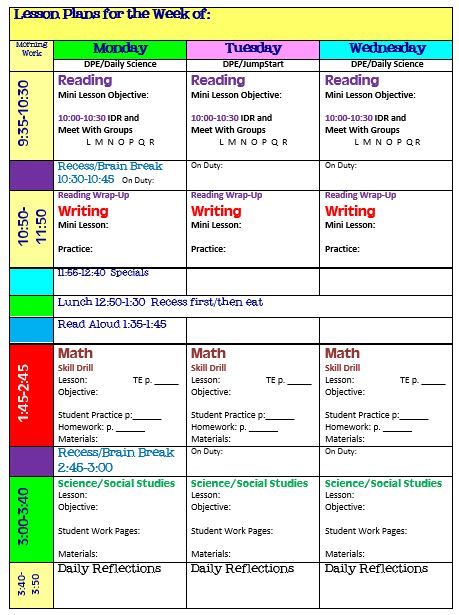
4. Revise Lesson Plans: Modify your lesson plans to align with the new curriculum requirements, ensuring that learning objectives and outcomes are met within each class session. Consider how you can adapt your existing teaching methodologies or incorporate new strategies into your lessons while maintaining overall coherence.

5. Communicate With Parents: Inform parents about the upcoming curriculum changes by sending out notices or hosting informational meetings. Provide them with resources that clearly detail the changes taking place in their children’s education. Parental awareness is vital to facilitate understanding and support during this transitional phase.

6. Reflect on Your Practice: Embracing change requires ongoing reflection on your teaching practices. Regularly evaluate your lessons and teaching methods to identify opportunities for improvement, both in terms of the new curriculum demands and your overall pedagogical approach. Use feedback from students, colleagues, and supervisors to refine your strategies and ensure an effective transition to the updated curriculum.

By following these six tips, you can effectively handle major curriculum changes while minimizing any potential disruption or stress in your classroom. Embrace the opportunity to grow professionally and adapt your teaching practices in order to provide the best possible learning experiences for your students.

5 Ways to Improve Your District Report Card

Introduction

A district report card provides valuable insights into the overall performance of a school district. It reflects crucial metrics, such as student achievement, graduation rates, attendance, and more. Improving your district report card is essential for maintaining a high-quality educational environment and fostering community trust. The following are five proven ways to enhance your district report card.

1. Invest in Professional Development for Teachers

A highly-qualified teaching force significantly impacts student success. Offer ongoing professional development opportunities designed to enhance teachers’ skills in their specific subject areas and grade levels. Encourage collaboration among teachers and support innovation in the classroom. Such development initiatives contribute to teacher effectiveness, which transfers to improved student performance on assessments and higher district rankings.

2. Implement Data-Driven Instructional Methods

Monitor students’ progress throughout the year by consistently collecting and analyzing data. Identify patterns or gaps in their learning and adjust instruction accordingly. Implement evidence-based strategies and curricula that address shortcomings revealed by data analysis. Using data-driven approaches enables educators to target specific areas needing improvement, leading to better outcomes on state assessments and elevation of the district report card.

3. Focus on Early Childhood Education Programs

Early childhood education serves as a foundation for future academic success. By investing in pre-kindergarten programs, you can help children develop essential cognitive and social skills before entering elementary school. Quality early education provides a solid start in children’s learning journey, leading to higher achievement levels throughout their K-12 years.

4. Engage Families and Community Partners

Establish strong partnerships with parents, guardians, community members, and local organizations that can support your district’s goal of continuous improvement. Encourage family involvement in academic planning and provide resources for parents to support their child’s learning at home. Leverage the knowledge and skills of community partners who can offer time, resources, or expertise that benefit your schools.

5. Address Social-Emotional Learning (SEL) Needs

Promote students’ social-emotional learning by incorporating SEL initiatives into your district’s curriculum. Create supportive learning environments where students feel safe and valued. Encourage a growth mindset that develops grit, resilience, and self-regulation. Attend to the overall well-being of students to positively impact their academic achievement, attendance, and graduation rates.

Conclusion

Improving your district report card requires a thoughtful approach to several critical areas of education. By investing in teacher professional development, implementing data-driven instruction, focusing on early childhood education, engaging community partners, and addressing social-emotional learning needs, you can make strides towards enhanced educational outcomes that reflect positively on your district’s report card.

Teacher Helpline: Playing Curriculum Catch-Up

Introduction:

As the world continues to adapt to the unprecedented circumstances brought about by the COVID-19 pandemic, teachers and educators are finding themselves playing catch-up on their curriculum planning. In an effort to help, we’ve established a Teacher Helpline aimed at providing concrete tips and advice on how to effectively cover key learning areas and maintain academic progress for students.

1. Prioritize Essential Content

To catch up with your curriculum, focus on teaching the most important topics that provide a solid foundation for future learning. Pay particular attention to those areas that are critical for students’ progress and mastery of key learning objectives.

2. Use Multimodal Teaching Strategies

Employ various teaching methods—such as videos, podcasts, games, and reading materials—to meet students’ diverse learning preferences. This multimodal approach can make the lessons more engaging, accessible, and memorable for all learners.

3. Scaffold Lessons for Differentiated Instruction

Break down content into digestible parts and provide support with supplementary materials such as visual aids or hands-on activities. This approach enables you to accommodate different student needs and abilities while also promoting deep understanding of the subject matter.

4. Encourage Peer Collaboration

Foster collaboration during remote learning by incorporating group projects, discussion forums, or peer reviews. By working together on assignments, students can help each other catch up on missed material while improving communication and teamwork skills.

5. Maximize Independent Learning Opportunities

Provide resources such as online tutorials, articles, and interactive quizzes that students can access independently for self-paced learning. This allows students to work at their own pace while teachers can easily monitor progress and provide personalized support as needed.

6. Track Student Progress Regularly

Regular assessments are crucial in identifying areas where your students may be struggling or falling behind. Offer frequent low-stakes quizzes or informal assessments during lessons to ensure that no one falls through the cracks.

7. Provide Structured Make-Up Sessions

Consider offering extra classes or tutorial sessions specifically for students who have fallen behind in their coursework. These targeted sessions can help fill knowledge gaps and enable students to feel more confident in their understanding of the material.

8. Seek Support from Teacher Communities

Connect with fellow educators to gain insights, resources, and advice on curriculum catch-up strategies. Joining online forums or professional development communities can provide a wealth of knowledge for addressing student needs and navigating the continually evolving educational landscape.

9. Communicate with Parents

Establish open communication channels with parents or guardians to keep them informed about their child’s progress and any adjustments being made to the curriculum. Their support and involvement can significantly impact students’ motivation and ability to catch up on missed content.

Conclusion:

Playing curriculum catch-up is undoubtedly challenging, but it’s not impossible. The key is to be adaptable, compassionate, and purposeful in your approach to teaching. With the right strategies, educators can help students stay on track and promote lasting academic success during these uncertain times.

The Art of Teaching and Learning: An Exploration

Introduction:

Teaching and learning are perhaps two of the most crucial elements in human development, as they form the foundation upon which societies build their collective knowledge and skills. In this article, we will delve into the diverse aspects of teaching and learning to better understand their intricacies, challenges, and opportunities for growth.

The Dynamic Teacher-Student Relationship:

At the heart of teaching and learning is the symbiotic relationship between teachers and students. Teachers help ignite students’ curiosity, providing them with direction, guidance, and motivation to explore their interests. In return, students pose challenging questions and offer new perspectives that encourage teachers to continuously expand their knowledge base.

Teaching Methodologies:

Effective teaching employs a wide variety of instructional strategies that cater to diverse learning styles. Some popular approaches include:

  1. Direct instruction – This teacher-centered approach involves structured guidance through detailed lesson plans.
  2. Inquiry-based learning – A student-centered approach that encourages curiosity by allowing learners to ask questions, explore answers through research, and share discoveries with their peers.
  3. Project-based learning – Students work on real-world problems to develop problem-solving skills while refining their knowledge in specific disciplines.
  4. Game-based learning – Utilizing games as educational tools for enhancing motivation and reinforcing learning objectives.
  5. Blended learning – Combining traditional classroom activities with online resources for a more comprehensive educational experience.

The Role of Technology in Teaching and Learning:

As technology continues to advance, so do the tools available for teaching and learning. From interactive whiteboards and tablets in classrooms to massive open online courses (MOOCs), technology opens new possibilities for personalized learning environments. It enables students to learn at their own pace, collaborate with peers globally, and access a wealth of information at their fingertips.

Challenges in Teaching and Learning:

Despite its importance in shaping society, teaching and learning face numerous obstacles:

  1. Access to quality education – Ensuring equitable education for all, regardless of socioeconomic, geographic, or cultural barriers.
  2. Teacher’s training and development – Providing professional development opportunities for educators to continuously update their skills and ensure effective teaching practices.
  3. Engaging students – Ensuring that learning experiences are engaging and relevant so that students remain motivated in their educational pursuits.
  4. Cultivating a growth mindset – Encouraging students to foster resilience and perseverance in the face of failures and challenges during their learning journey.

Conclusion:

Teaching and learning are complex processes that go beyond the walls of the classroom. It encompasses various approaches, strategies, and understanding our evolving technological landscape. By recognizing the challenges at hand and embracing diverse teaching methodologies, educators can create robust learning environments that empower students to succeed in an ever-changing world.

Off the Shelf: Choosing Texts for Close Reading

Close reading is an essential part of the educational curriculum – it’s a process that requires students to interact and engage with a text on a deeper level. Students improve their critical thinking, understanding, and analytical skills by paying attention to the words, phrases, and elements within a text. Off the shelf may provide a perfect opportunity for educators to pick texts that will spark meaningful conversations in the classroom.

So how do you find the right texts to sing off the shelves? Here are some factors to consider when choosing texts for close reading:

1. Quality content: The first step in selecting texts for close reading is to ensure that they possess high-quality content. The text should include rich layers of meaning, cleverly crafted details, and thought-provoking themes. It should not only be interesting but also carry some literary merit.

2. Complexity: To effectively engage students in close reading exercises, opt for texts that are intellectually challenging. Complex texts motivate students to unravel intricate patterns of meaning, allowing them to appreciate and analyze different narrative techniques, vocabulary, and sentence structures.

3. Diverse perspectives: Choose texts that reflect various social and cultural experiences to give your students a chance to examine issues from multiple points of view. Exposing students to diverse authors and narratives can help cultivate empathy and enrich their understanding of unfamiliar worlds.

4. Relevance to students: Select a text that speaks directly to your students or contains topics that are relevant to their lives. When they can relate with the content of the text, they are more likely to invest time and effort into analyzing it.

5. Accessible language: While you want your text to be complex enough for close reading, make sure it isn’t too difficult in terms of language or vocabulary. Ideally, choose a text with language accessible enough for students to grasp without feeling discouraged.

6. Length: Keep in mind the amount of time you have for close reading exercises. Shorter texts like poems or excerpts from longer works may work better for single lessons, while novels or plays might be more fitting for long-term projects.

7. Engaging visuals: Incorporate texts with engaging visual elements to pique students’ interest. Graphic novels, comics, or illustrated poems can evoke powerful emotions and interpretations by combining words and images.

Once you’ve selected your off-the-shelf texts, encourage students to read slowly and attentively, making notes or annotations on the page as they go. After the initial read, you may want to introduce questions or prompts that encourage students to engage with the narratives further.

Ultimately, selecting the right texts for close reading exercises is essential to creating an inclusive learning environment in which students can develop a lifelong appreciation and understanding of literature. By curating a range of high-quality, diverse texts that resonate with your students, you’ll empower them to explore new worlds and make meaningful connections with the written word.

11 Ways to Get Your Most Reluctant Students Excited About Biology Lab

Biology lab is a vital part of understanding the complex life processes that govern our world. However, some students might be less enthusiastic about it. Here are 11 ways to get your most reluctant students excited about the biology lab experience:

1. Make it hands-on: Ditch the regular textbook explanations and let your students engage in interactive experiments. The more hands-on the experience is, the greater their understanding of biological concepts.

2. Relate to their interests: Connect biology lessons to your students’ interests by incorporating activities that deal with fields such as sports, arts, or technology. This will captivate them and make the subject more relevant.

3. Make it a game: Plan cooperative activities where students work in teams to solve problems or creatively present information about biological processes. This combines learning and fun and sparks their enthusiasm for the subject.

4. Invite guest speakers: Invite experts from various biological fields to share their experiences and real-life applications of the subject. It will inspire students and make them curious about different career paths in biology.

5. Use multimedia resources: Incorporate engaging multimedia presentations, videos, virtual reality simulations, or mobile apps to explain different concepts, which can help capture your students’ attention.

6. Cultivate curiosity: Encourage an atmosphere of asking questions and making observations within the lab setting to fuel students’ natural curiosity about biological phenomena.

7. Make connections with current events: Bring up recent news stories or scientific research relevant to your lessons when discussing biology concepts, which can drive interest by linking them to real-world situations.

8. Project-based learning: Have students work on projects that involve exploring biological processes or proposing solutions to relevant challenges – this fosters collaboration and allows them to apply what they’ve learned in a more meaningful way.

9. Hold contests: Host competitions like science fairs – either within the classroom or on a larger scale – that allow students to showcase their creativity and understanding of biology topics.

10. Encourage peer teaching: Use student-led instruction or group presentations to encourage collaboration and knowledge exchange. This also increases students’ confidence in their understanding of the subject.

11. Provide extra motivation: Offer rewards, like extra credit or small prizes, for successfully completing lab tasks or showing improvement over time. This gives them an incentive to work hard and stay engaged during the lab sessions.

By following these strategies, you can motivate even the most reluctant students to engage with biology lab activities and foster an appreciation for this complex and exciting field.