Education News

College Station–Bryan, TX Metro Area: Texas A&M University Launches Teacher Residency Program

Texas A&M University’s College of Education and Human Development has announced the launch of an innovative teacher residency program aimed at addressing the state’s teacher shortage while improving the quality of education in local schools. The program, called “Aggie Educators,” will provide aspiring teachers with a full year of classroom experience alongside veteran educators.

Dr. Michael de Miranda, Dean of the College of Education and Human Development, explained the program’s significance: “This residency model will bridge the gap between theory and practice, ensuring that our graduates are fully prepared to lead their own classrooms from day one. It’s a win-win for our students and for the local school districts.”

Participants in the Aggie Educators program will spend their senior year working full-time in partner school districts, receiving mentorship from experienced teachers while also taking specialized coursework at Texas A&M. Upon completion of the program, graduates will be fully certified and commit to teaching in partner districts for at least three years.

Local school districts have enthusiastically embraced the program, seeing it as a valuable pipeline for recruiting and retaining high-quality teachers. The initiative is also expected to strengthen the university’s partnerships with area schools, fostering greater collaboration in educational research and innovation.

As the program prepares to welcome its first cohort of residents, educators across the state are watching closely, with many hoping that this model could be replicated to address teacher shortages in other regions of Texas.

Cleveland, OH Metro Area: Cleveland Metropolitan School District Faces Budget Shortfall

The Cleveland Metropolitan School District (CMSD) is grappling with a significant budget shortfall for the upcoming school year. District officials announced that they are facing a $25 million deficit, which could lead to potential cuts in programs and staff.

CEO Eric Gordon explained, “We’re facing a perfect storm of decreased state funding, declining enrollment, and increased operational costs. We’re exploring all options to minimize the impact on our students and staff.”

The district is considering various cost-cutting measures, including reducing administrative positions, consolidating underutilized school buildings, and potentially eliminating some extracurricular programs. However, officials stress that they are committed to maintaining core academic programs and avoiding teacher layoffs if possible.

Community meetings are being scheduled to gather input from parents, teachers, and residents on how to address the budget crisis. Meanwhile, local education advocates are calling on state legislators to revise the school funding formula to provide more equitable support for urban districts like Cleveland.

As the district works to balance its budget, the situation highlights the ongoing challenges faced by many urban school systems in maintaining quality education amid financial constraints.

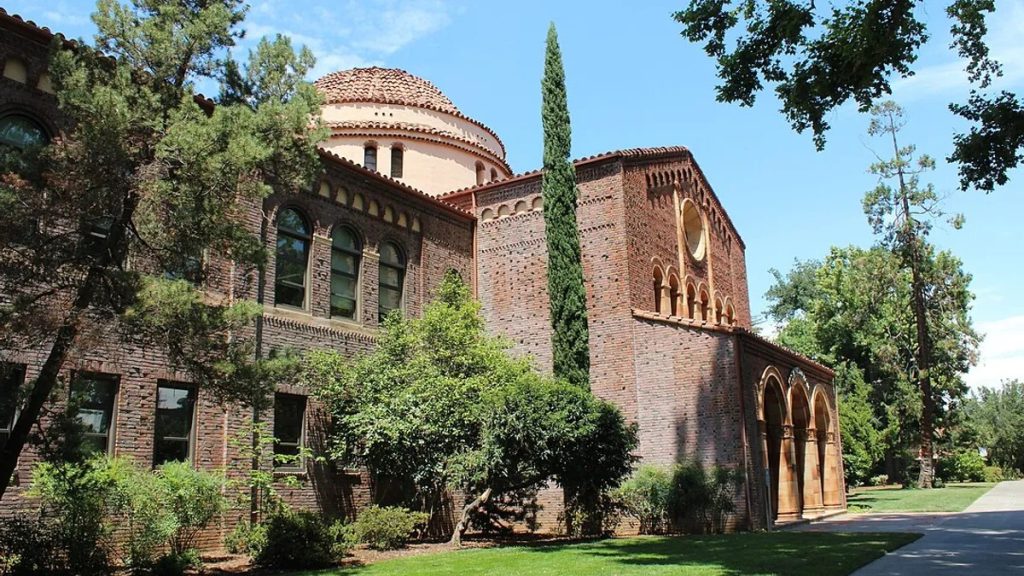
Chico, CA Metro Area: California State University Launches Direct Admission Pilot Program

In a groundbreaking move to simplify the college admissions process, the California State University (CSU) system has announced a direct admission pilot program for eligible high school seniors in Riverside County. This innovative approach aims to increase access to higher education and reduce barriers for prospective students.

Under this pilot program, Riverside County seniors who are on track to meet A-G requirements will receive a brochure offering them a fall 2025 admissions slot at selected Cal State campuses. Students can then choose their preferred school from the participating campuses and await an official acceptance letter.

Ten CSU campuses are participating in this pilot, including Chico State, which is particularly relevant for the Chico, CA Metro Area. This inclusion highlights Chico State’s commitment to expanding educational opportunities and streamlining the admissions process for qualified students.

The direct admission program is designed to alleviate some of the stress and uncertainty associated with the traditional college application process. By proactively offering admission to eligible students, CSU hopes to encourage more high school seniors to pursue higher education, particularly those who might be intimidated by the complex application procedures.

This initiative aligns with broader efforts across the country to make college admissions more accessible and equitable. Similar programs in states like Georgia, Idaho, and Minnesota have shown promising results in increasing college enrollment rates, especially among first-generation and low-income students.

As the pilot program unfolds, educators and policymakers will be closely monitoring its impact on enrollment trends and student success rates. If successful, this approach could potentially be expanded to other counties and regions, revolutionizing the way students in California and beyond access higher education opportunities.

Charlotte–Concord–Gastonia, NC-SC Metro Area: Local Teen Offered Full Scholarship to Tuskegee University

In an inspiring story of academic excellence and opportunity, a local high school senior from the Charlotte–Concord–Gastonia metro area has been offered a full-ride scholarship to the prestigious Tuskegee University. Nalani Sims, a student at Chattanooga State Collegiate High School, received the Distinguished Presidential Scholarship, which covers full tuition, room and board, fees, and includes an $800 book stipend.

Tuskegee University, located in Alabama and founded by Booker T. Washington 143 years ago, is renowned for its engineering program and legacy in African American education. The scholarship offer recognizes Sims’ outstanding academic achievements and her promising future in the field of engineering.

Sims’ mentor, Marie Mott, praised her natural aptitude for academics, noting that she “consistently excels in our most challenging courses with extraordinary ease.” This scholarship not only acknowledges Sims’ past accomplishments but also provides her with the opportunity to represent young Black women in STEM at one of the nation’s most prestigious institutions.

The news of this scholarship has sparked excitement in the local community, highlighting the importance of creating pathways for underrepresented groups in STEM fields. It also serves as an inspiration to other students in the area, demonstrating that hard work and academic excellence can open doors to significant opportunities.

This story underscores the ongoing efforts to increase diversity in higher education and STEM fields. It also highlights the role of historically black colleges and universities (HBCUs) like Tuskegee in providing opportunities for talented students from diverse backgrounds.

As Sims prepares for this next chapter in her academic journey, her story serves as a beacon of hope and motivation for other students in the Charlotte–Concord–Gastonia metro area and beyond.

Bridgeport–Stamford–Danbury, CT Metro Area: Sacred Heart University Launches Innovative AI Ethics Center

Sacred Heart University in Fairfield, Connecticut, has taken a pioneering step in the field of artificial intelligence (AI) by establishing the Center for Ethical AI. This new initiative aims to address the complex ethical challenges posed by the rapid advancement of AI technologies and their increasing integration into various aspects of society.

The Center for Ethical AI will bring together experts from diverse fields, including computer science, philosophy, law, and social sciences, to conduct interdisciplinary research on the ethical implications of AI. The center’s mission is to develop guidelines and best practices for the responsible development and deployment of AI systems across industries.

Key focus areas of the center include algorithmic bias and fairness, privacy and data protection, transparency and explainability of AI systems, and the potential societal impacts of AI on employment and social structures. The center will also offer courses and workshops for students, professionals, and policymakers to enhance their understanding of AI ethics.

Sacred Heart University’s President emphasized the timeliness and importance of this initiative, stating, “As AI becomes increasingly prevalent in our lives, it’s crucial that we consider its ethical implications. This center positions Sacred Heart at the forefront of this critical field, ensuring that our region plays a key role in shaping the future of AI.”

The establishment of the Center for Ethical AI has already garnered attention from tech companies and policymakers in the region. Several partnerships with industry leaders are in the works, which will provide students with real-world experience and ensure that the center’s research has practical applications.

As the Center for Ethical AI begins its operations, it is expected to contribute significantly to the national and global discourse on AI ethics. This initiative not only enhances Sacred Heart University’s academic offerings but also reinforces Connecticut’s growing reputation as a hub for technology and innovation.

Bremerton–Silverdale–Port Orchard, WA Metro Area: Olympic College Expands Maritime Training Programs

Olympic College, serving the Kitsap Peninsula, has announced a significant expansion of its maritime training programs in response to growing industry demand and the region’s strong maritime heritage. This expansion aims to prepare students for lucrative careers in the maritime sector and support the local economy.

The college is introducing several new certificate and degree options in areas such as marine engineering, maritime logistics, and sustainable maritime practices. These programs have been developed in close collaboration with local maritime industries, including the Puget Sound Naval Shipyard, to ensure that graduates are equipped with the skills and knowledge most in demand by employers.

A key feature of the expanded offerings is the integration of cutting-edge technology and simulation equipment. Olympic College has invested in state-of-the-art marine simulators that allow students to gain hands-on experience in a safe, controlled environment. This technology provides realistic training scenarios for navigation, engine room operations, and emergency procedures.

The expansion also includes a new partnership with Washington State Ferries, providing students with internship opportunities and a direct pathway to employment upon graduation. This collaboration reflects the college’s commitment to creating strong ties between education and industry.

Olympic College’s President highlighted the importance of this expansion, stating, “Our region has a rich maritime history, and these programs will ensure that we continue to play a vital role in the maritime industry’s future. We’re not just training students; we’re building the next generation of maritime professionals.”

The expanded maritime programs are expected to attract students from across the state and beyond, potentially boosting enrollment and contributing to the local economy. As Olympic College moves forward with this initiative, it positions itself as a leader in maritime education and reinforces its commitment to serving the unique needs of the Kitsap Peninsula community.

Boston–Cambridge–Newton, MA-NH Metro Area: Harvard Faces Backlash Over Handling of Antisemitism Concerns

Harvard University, one of the world’s most prestigious institutions, is currently grappling with intense scrutiny and criticism over its response to concerns about antisemitism on campus. The controversy has sparked a national debate about free speech, inclusivity, and the responsibilities of educational institutions in addressing complex social issues.

The situation escalated following a series of incidents and statements made by student groups in the wake of recent global events. Critics argue that the university’s initial response was inadequate and failed to address the concerns of Jewish students and faculty members who reported feeling unsafe or marginalized on campus.

Harvard’s President, along with other top administrators, has since issued several statements condemning antisemitism and outlining steps the university plans to take to address the issue. These measures include enhanced security, additional resources for affected students, and a commitment to fostering a more inclusive campus environment.

However, the controversy has continued to grow, with some donors threatening to withdraw support and alumni expressing disappointment in the university’s handling of the situation. The debate has also drawn attention from political figures and media outlets, further intensifying the pressure on Harvard’s leadership.

This situation highlights the challenges faced by universities in balancing free speech with the need to create a safe and inclusive environment for all students. It also underscores the broader societal tensions that often play out on college campuses, particularly at high-profile institutions like Harvard.

As the university works to address these concerns, the outcome of this controversy could have far-reaching implications for how educational institutions across the country approach similar issues in the future.

Bloomington, IN Metro Area: IU Bloomington Ranks Fifth Nationally for Study Abroad Programs

Indiana University Bloomington has once again demonstrated its commitment to global education by ranking fifth in the nation for the total number of students studying abroad. This achievement, highlighted in the 2024 Open Doors Report on International Education Exchange, underscores the university’s dedication to providing students with transformative international experiences.

The report, which analyzed data from the 2022-23 academic year, revealed that 3,855 students from IU campuses studied in over 70 countries. IU Bloomington alone sent 2,929 students abroad, more than any other university in Indiana. This impressive figure represents about a third of the undergraduate population participating in study abroad activities during their time at the university.

IU’s success in study abroad programs is not limited to sending students overseas. The university also ranked among the top 40 institutions for hosting international students, welcoming more than 6,300 students from over 120 countries to the Bloomington campus.

Hannah Buxbaum, vice president for international affairs at IU, emphasized the importance of these programs: “At Indiana University, we strive to ensure that all students develop intercultural skills critical to their success in an increasingly international landscape. Education Abroad programs, international internships, and global learning opportunities on campus are key components of ensuring that career readiness.”

As the world becomes increasingly interconnected, IU Bloomington’s commitment to international education positions its students for success in the global job market and fosters a more diverse and culturally aware campus community.

Radford University Launches Tartan Transfer Program to Retain Local Talent

Introduction:
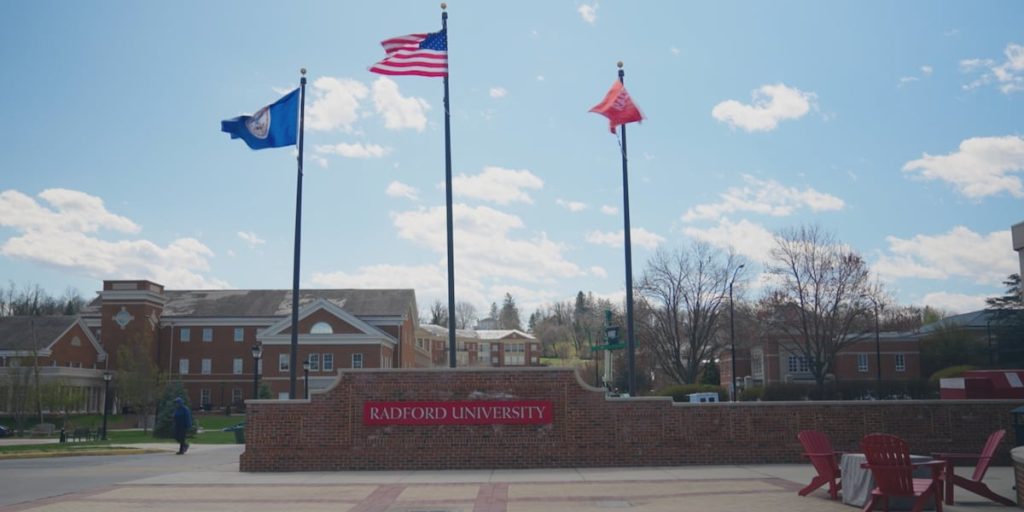
In the Blacksburg–Christiansburg–Radford, VA metro area, Radford University has launched the Tartan Transfer Program, a new initiative aimed at retaining local talent and providing a seamless transition for students from community colleges to the university. This program is designed to support students in their educational journey and ensure that they have access to quality higher education opportunities within the region.

Body:
The Tartan Transfer Program was created in response to concerns about the “brain drain” phenomenon, where talented students leave the region to pursue higher education and do not return. Radford University aims to address this issue by providing a clear and accessible pathway for students from local community colleges to transfer to the university.

The program offers several benefits to students, including guaranteed admission to Radford University for those who meet the academic requirements, personalized academic advising, and financial support through scholarships and grants. Additionally, the program includes initiatives to help students integrate into the university community and succeed academically.

Dr. Danette Gomez Beane, Vice President for Enrollment Management and Strategic Communication at Radford University, emphasized the importance of keeping local talent in the region. “We want those folks to stay here and activate this community and to give back their talents and grow their own hometowns,” she said.

The Tartan Transfer Program has been well-received by students and community members alike. It not only provides educational opportunities but also strengthens the ties between Radford University and the local community colleges, fostering a collaborative approach to higher education.

Conclusion:
The Tartan Transfer Program at Radford University represents a significant step towards retaining local talent and supporting students in their pursuit of higher education. By providing a seamless transition from community colleges to the university, the program ensures that students have access to quality education and the resources they need to succeed. This initiative highlights the importance of community collaboration in addressing educational challenges and promoting regional growth.

Bellingham Schools Navigate Challenges Amid Bomb Cyclone Aftermath

Introduction:
In Bellingham, WA, the recent bomb cyclone that swept through the region has left a significant impact on the local education system. Schools in the area are grappling with the aftermath of the storm, which caused widespread power outages, property damage, and disruptions to the academic calendar. The community is coming together to support the schools as they work to restore normalcy and ensure the safety and well-being of students and staff.

Body:
The bomb cyclone brought powerful winds and heavy rain, resulting in downed trees, damaged buildings, and extensive power outages across Bellingham. Several schools were forced to close temporarily due to safety concerns and lack of electricity. The district has been working tirelessly to assess the damage and make necessary repairs to reopen schools as quickly as possible.

In the meantime, the district has implemented remote learning options to ensure that students can continue their education despite the disruptions. Teachers and staff have been working diligently to adapt lesson plans and provide support to students and families affected by the storm. The community has also rallied together, with local businesses and organizations offering resources and assistance to those in need.

The district is prioritizing the safety of students and staff as they navigate the recovery process. Regular updates are being provided to parents and the community to keep them informed of the progress and any changes to the school schedule. The resilience and cooperation of the Bellingham community have been instrumental in overcoming the challenges posed by the storm.

Conclusion:
The bomb cyclone has tested the resilience of the Bellingham education system, but the community’s response has been a testament to their strength and solidarity. As schools work to recover and restore normalcy, the support and cooperation of the community will continue to play a crucial role. The experience has highlighted the importance of preparedness and adaptability in the face of natural disasters, ensuring that the education of Bellingham’s students remains a priority.