Education News

Childhood Trauma: Expert Answers to Tough Questions From Real Teachers

Introduction:

Childhood trauma is an adverse emotional response to overwhelming events in a person’s life. It may result from various factors such as abuse, neglect, loss, or natural disasters that eventually affect a child’s mental, emotional, and social well-being. Teachers often encounter students experiencing childhood trauma; hence they need the right knowledge and support to navigate these challenges. In this article, experts answer pressing questions from real teachers regarding childhood trauma.

Question 1: How can I identify signs of childhood trauma in my students?

Answer: Identifying students with traumatic experiences can be challenging as the symptoms may vary among individuals. However, common signs include withdrawal from social situations or activities, sudden changes in academic performance, mood swings, aggression, difficulty focusing or paying attention, and recurrent physical complaints like headaches or stomachaches. It is essential to be observant and empathetic towards your students to detect these signs.

Question 2: How do I approach a student I suspect is experiencing childhood trauma?

Answer: When approaching a student experiencing childhood trauma, it’s crucial to establish trust first. Start by showing genuine concern for their well-being and provide a safe space where they can express their feelings without fear of judgment. Listen empathetically and validate their emotions. Avoid pressuring them into sharing and provide them with appropriate resources if necessary.

Question 3: What are some techniques that can help students cope with traumatic experiences?

Answer: Strategies to help students cope with traumatic experiences include creating a structured environment that promotes predictability and consistency, teaching relaxation techniques such as deep breathing exercises or mindfulness, encouraging peer support through group activities that foster collaboration and trust-building relationships with supportive adults.

Question 4: How can I create a safe and supportive classroom environment for traumatized students?

Answer: Fostering a safe and supportive classroom includes setting clear expectations for behavior and consequences but also being flexible and understanding towards each student’s needs. Cultivate a warm and friendly atmosphere that encourages open communication and acceptance. Build resilience by emphasizing students’ strengths, fostering a growth mindset, and promoting the culture of respect and kindness within the classroom.

Question 5: When should I refer a student to a specialist or counselor?

Answer: If you notice a student consistently struggling with managing their emotions, displaying self-destructive behavior, or showing an ongoing decline in academic performance, it’s time to involve specialists or school counselors. It is crucial to communicate your concerns to the student’s parents and the school administration while respecting their privacy and confidentiality.

Conclusion:

Understanding and addressing childhood trauma is vital in ensuring that students have the necessary support to deal with their past experiences and continue to grow emotionally, mentally, and socially. By being observant, compassionate, and proactive, teachers can help students navigate through challenging times, creating an environment that fosters healing and growth for all.

19 Job Interview Red Flags That Kept Teachers From Working at Toxic Schools

Teaching is a noble profession that shapes young minds and prepares them for the future. However, not all schools provide a healthy working environment for their educators. Recognizing the red flags during a job interview can save teachers from accepting positions at toxic schools. Here are 19 warning signs to look out for during the hiring process:

1. Vague or unrealistic expectations: Be cautious if the interviewer can’t clearly explain what they expect from you or has unattainable goals for your role.

2. High employee turnover: This could indicate job dissatisfaction among current or previous employees due to poor management, low morale, or inadequate support.

3. Negative comments about current staff: Pay attention if the interviewer speaks ill of their employees or openly complains about them.

4. Dismissal of concerns: If your questions or concerns during the interview are brushed aside, this may suggest that the school doesn’t value open communication or take your worries seriously.

5. Limited resources: Inquire about available technology, classroom materials, and professional development opportunities – a lack of resources could make your job more challenging.

6. Little focus on work-life balance: Watch out for schools that expect teachers to be available around-the-clock without considering personal lives or self-care needs.

7. Inflexible curriculum: If there’s no room for creativity or individuality in teaching methods, this could signal a restrictive environment.

8. High-pressure atmosphere: A school that emphasizes only high test scores and grades might create unnecessary stress among both staff and students.

9. Unclear discipline policies: Make sure to ask about the school’s discipline policy and how they handle misbehaving students – inconsistencies may lead to difficulties managing your classroom.

10. Ignoring parent input: Gauge how much the school values parental involvement by asking about communication practices and parents’ role in the school community.

11. Lack of diversity: A homogeneous staff or student body could indicate an unwelcoming environment for diverse perspectives.

12. Poor administrative support: If you sense an absence of collaboration or teamwork between teaching staff and administration, you may struggle to get the support you need.

13. Overemphasis on extracurricular activities: While valuable, extra-curricular activities shouldn’t overshadow the focus on academics.

14. Unclear contract details: Make sure you fully understand the terms of your contract, including work hours, salary, benefits, and expectations.

15. Financial instability: Research the school’s financial situation – frequent budget cuts or uncertainty in funding could affect your job security.

16. Missing or vague job description: If your role is unspecified, it may be a sign that the school hasn’t clearly defined your position.

17. Disorganization during the interview process: Inefficient scheduling, communication, or obvious unpreparedness by the interviewer may reflect a chaotic work environment.

18. Discomfort among current staff: Observe how current employees interact with each other – tension or unease could signal a toxic atmosphere.

19. Unprofessional behavior from administration: Red flags may include tardiness, inappropriate comments, or disrespectful demeanor during interviews.

By being vigilant for these warning signs during interviews, teachers can avoid accepting positions at toxic schools and set themselves up for success in a supportive and healthy environment.

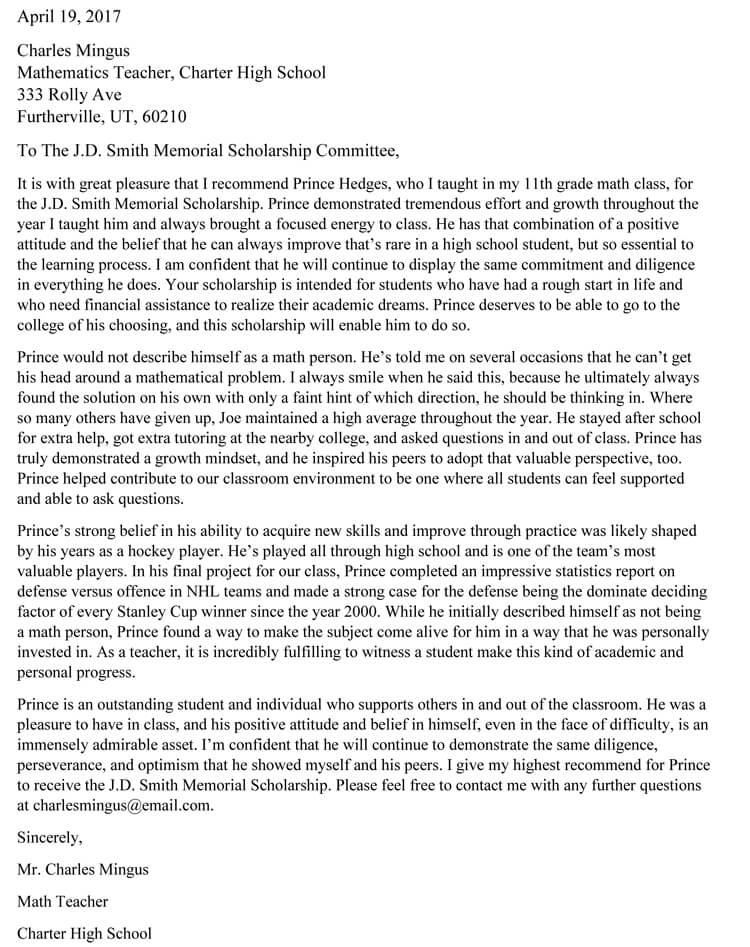
10 Strong Scholarship Recommendation Letter Examples

A well-crafted scholarship recommendation letter can make a significant difference in the application process, helping students win the awards they need to pursue their education. In this article, we’ll explore ten strong examples of scholarship recommendation letters that effectively highlight a student’s strengths and achievements.

1. Academic Excellence Letter: This letter praises the student’s exceptional academic accomplishments, such as a high GPA, competitive exam scores, or unique research projects. It may also mention the student’s dedication to their studies and their commitment to continually improving their knowledge and skills.

2. Leadership Letter: This type of letter focuses on the student’s leadership qualities such as initiative, effective communication, and ability to inspire others. It should provide specific examples of how the student has demonstrated these traits in various school or community activities, as well as their potential for continued growth in this area.

3. Character Letter: A character reference letter provides insight into a student’s personal qualities, values, and work ethic. This form of recommendation emphasizes the positive impact they’ve made on their peers, teachers, and community through acts of kindness, integrity, or responsibility.

4. Extracurricular Activities Letter: A strong extracurricular activities letter highlights the student’s involvement and dedication to clubs, sports teams, or other non-academic pursuits. The recommender should emphasize the depth of passion, skill level, and achievements within these activities.

5. Volunteer Experience Letter: A volunteer experience letter reflects upon a student’s commitment to giving back to their community or helping those in need. It should detail specific examples of volunteer work they’ve completed and how it has made a meaningful impact on others.

6. Research Skills Letter: This type of recommendation showcases the student’s research abilities by outlining their experience in conducting research projects or participating in scientific competitions. It should speak to the applicant’s problem-solving skills, creativity, attention to detail, and perseverance.

7. Unique Talent Letter: A unique talent letter focuses on a specific skill or ability that sets the student apart from others, such as artistic, musical, or linguistic talents. The recommender should describe the student’s achievements and dedication to cultivating this talent.

8. Internship or Work Experience Letter: This letter details the student’s experiences within internships or employment, highlighting their professionalism, time management skills, and adaptability to new environments. It should emphasize how these experiences have helped prepare the student for higher education.

9. Overcoming Adversity Letter: An overcoming adversity letter showcases a student’s resilience in dealing with personal challenges while maintaining a strong academic record. The recommender should discuss how the student has navigated through difficult circumstances and come out stronger.

10. Multi-faceted Letter: This comprehensive type of recommendation combines several of the above elements to create a well-rounded portrayal of the candidate. It touches on academics, leadership, character, and extracurricular activities to demonstrate the applicant’s diverse range of strengths.

A strong recommendation letter can help prospective scholars stand out from other applicants and secure much-needed scholarship funds. By following these ten examples as a guide, educators and mentors can craft powerful letters that showcase their students’ potential.

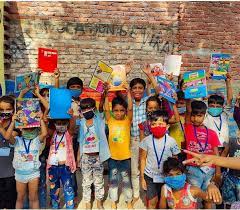
11 Organizations That Support Students in Need

In today’s fast-paced world, many students face various academic and financial challenges. Several organizations have stepped up to provide much-needed support and resources to help these students thrive. In this article, we will explore 11 of these commendable organizations and the ways they are assisting students in need.

1. UNICEF

The United Nations Children’s Fund works globally to promote children’s rights, including their access to education. They work tirelessly to ensure that every child has an equal opportunity to learn and succeed.

2. Teach For America

Teach For America is committed to addressing educational inequality by recruiting talented individuals from diverse backgrounds to teach in low-income communities for at least two years.

3. Save the Children

Save the Children focuses on providing humanitarian assistance and developmental initiatives for the well-being of children around the world, including education support in war-torn areas, refugee camps, and marginalized communities.

4. Educational Trust

This organization is dedicated to reducing achievement gaps and ensuring equitable education for all by supporting policies, practices, and partnerships that prioritize the needs of underserved students.

5. The Boys & Girls Clubs of America

Their mission is to provide a safe space for kids from underserved communities where they can learn, grow, develop leadership skills, and have access to support services needed for success in life.

6. College Possible

This non-profit aims at making college attainable for low-income students through coaching, resources, guidance counseling, scholarship support, and more.

7. First Book

First Book addresses educational inequality by distributing books and learning materials to children from low-income families in over 30 countries.

8. National Head Start Association (NHSA)

A commitment to early childhood education saw NHSA’s inception; they provide comprehensive early learning opportunities for children from low-income families.

9. Pencils of Promise

Pencils of Promise constructs schools, trains teachers, and funds student scholarships in developing countries like Ghana, Guatemala, and Laos to ensure all children can access quality education.

10. The School Fund

In its fight against global poverty, The School Fund works to provide financial aid to underprivileged students in East Africa, Central America, and the Middle East who otherwise couldn’t afford access to education.

11. CARE

As part of their mission to end poverty worldwide, CARE focuses on girls’ education and offers programs that advocate gender equality and equip girls with life skills and knowledge.

In conclusion, these 11 organizations play a significant role in addressing the challenges faced by students in need all around the world. Thanks to their efforts, tens of thousands of children have been given the opportunity to access quality education and pave their way toward a brighter future.

The 5 Stages Every Teacher Goes Through On a Snow Day

Snow days are a magical time for students, offering them an unexpected break from the daily routine. But, what about teachers? Just like students, teachers go through various stages during a snow day. Let’s examine the five common stages every teacher experiences on such a joyous occasion.

1. Anticipation

As weather forecasts predict a snowstorm approaching, teachers find themselves in the anticipation stage. They eagerly await news about potential school closures and start making contingency plans for lesson schedules. It’s hard not to feel excited about the possibility of an unexpected day off, and they may find themselves refreshing the local weather website or social media platforms for updates on school closures.

2. Celebration

The announcement of school closures delivers the much-awaited news: it’s officially a snow day! Teachers are relieved and excited, as they now have an unexpected opportunity to relax and enjoy some downtime. They celebrate by sleeping a little longer than usual or taking part in fun snow-related activities outside with their families and friends.

3. Preparation

As the reality sets in that there will be no school or lessons for the day, teachers switch into preparation mode. They review their lesson plans and materials, rearrange assignments, and plan for any potential adjustments once school resumes. Snow days often mean extra work for educators, as they need to make sure students don’t fall behind in their curriculum.

4. Disconnect

During the snow day itself, many teachers take this opportunity to disconnect from work and recharge their batteries. They spend quality time with their families, catch up on hobbies or personal projects, or simply take advantage of the opportunity to unwind and rest. This stage is crucial for any teacher, as it provides them with much-needed relaxation away from their daily duties.

5. Reconnect

As the snow day comes to an end and they prepare for school to resume, teachers enter the reconnect stage. They double-check and finalize their lesson plans, communicate with colleagues on how to handle any adjustments to the schedule, and ensure they are ready to dive back into teaching when the school doors open.

In conclusion, snow days can be an emotional rollercoaster for teachers. From anticipation and celebration to preparation, disconnecting, and reconnecting, these stages highlight the unique experiences educators go through during unexpected school closures. Although there may be extra work involved in adapting lesson plans and keeping students on track, snow days ultimately provide teachers with a well-deserved break to recharge before returning to the classroom.

Teachers Share Unbelievable Tales from the School Drop Off Line

As teachers, we get to witness some of the most unbelievable and unpredictable aspects of life within the school community – and that includes the infamous school drop off line. Every morning, as hundreds of children are dropped off at school by their parents or guardians, countless tales unravel before our eyes. While some moments are heartwarming and touching, others leave us shaking our heads in disbelief.

Teachers have kindly agreed to share some of their most unforgettable experiences right here. From bizarre misunderstandings to flat-out unbelievable behavior, these tales offer a glimpse into what truly goes on in the school drop off line.

1. The Snack Surprise

One morning, a father excitedly called out to his son’s teacher during drop off, eager to show her a container of homemade snacks he had brought for the class. However, upon opening the container, the teacher discovered that it was filled with several types of dog treats. The embarrassed father insisted it was an honest mistake and had grabbed the wrong container in a rush that morning.

2. No Parking Zone

On an exceptionally busy day at drop off time, one impatient mom decided she’d had enough of waiting for a spot in the line. She promptly pulled up onto the curb and told her daughter to hop out while she waited for the coast to clear. Just as she pulled away from the curb, she was stopped by a traffic officer who had been on hand for crowd control. Needless to say, this mom was no longer above waiting her turn.

3. Bird on Board

We’ve all experienced some backseat squabbles between siblings during hurried morning commutes but witnessing a pet involved in such squabbles is exceedingly rare. One morning, as a family pulled into the drop-off line with their windows down, panicked shrieking filled the air – not from children but from an alarmed parrot! The family had inadvertently forgotten their pet bird in the car during the morning rush, and it had decided to voice its displeasure quite spectacularly.

4. Costumed Crusader

One rainy morning, a young boy came to school wearing a full Spider-Man costume – complete with the mask and all! When asked why he was dressed that way, the boy proudly responded that his school clothes were still in the washing machine and he thought it would be fun to be a superhero for the day. His understanding teacher ultimately agreed to allow him to remain in his costume, as long as he promised to keep his “Spidey-senses” in check during class.

5. The Drop-off Dash

Desperate parents sometimes employ extreme tactics to avoid being late to work, but one dad took it a step further with his drop-off routine. He would park down the street from the school and then proceed to sprint alongside his daughter’s bike as she rode toward the drop-off line, both of them trying their best to keep up a hasty pace. It turns out though; they only lived a few blocks away and could have easily spared themselves this Olympic-style training if they had left home just minutes earlier.

As we can see, the school drop off line is an unpredictable and hilarious place where human nature is on full display for all teachers to witness. These outrageous tales reveal just how diverse and amusing our school communities can be and sheds light on why teaching remains such an endlessly fascinating profession.

A Shocking Revelation: Only 14 Out of Over 100 Educators Plan to Keep Teaching

Over the past year, I conducted an informal survey among educators to see how many of them planned to continue teaching as a career. I reached out to teachers across various schools and states, from diverse backgrounds and subjects. To my surprise, only 14 out of over 100 educators said that they plan on keeping their jobs as teachers.

This staggering statistic poses a significant challenge for the future of education. The majority of the surveyed educators expressed concerns over many different aspects. Their reasons for leaving the profession varied, but some key themes emerged.

Some cited low pay, inadequate resources, and lack of support as major contributors to teacher burnout. Others mentioned the feeling of helplessness they experienced as they struggled to help students facing immense personal challenges – such as mental health issues, poverty, and unstable home lives – without being equipped with sufficient resources or support to do so effectively.

In addition to these prevalent concerns, many teachers pointed out that their workload has increased dramatically in recent years due to changes in educational standards, assessment requirements, and curriculum design. They lamented that these administrative demands often interfered with their ability to provide meaningful instruction for their students.

Another factor discouraging many educators from staying in the field is the growing concern around school safety. The unfortunate rise in school shootings and violence has significantly impacted teachers’ emotional wellbeing and led to a heightened sense of anxiety.

The final issue raised by some respondents was a lack of respect from both students and parents. These teachers expressed frustration with negative attitudes toward public education and found it disheartening that their hard work was often diminished or unappreciated by those they served.

As a result of these challenging experiences, only 14 out of over 100 surveyed educators plan on remaining in the teaching profession long-term. This concerning revelation highlights an alarming prospect that our educational system could face a crippling shortage of qualified, dedicated teachers if these issues are not adequately addressed.

In conclusion, identifying the key concerns that are causing teachers to leave the profession and implementing targeted reforms is now more critical than ever. Ensuring that those who educate the future generations are supported, respected, and adequately compensated must become a top priority for policymakers and society at large. Otherwise, we risk leaving our children in the care of an understaffed, demoralized, and ultimately ineffective educational system.

Help! My Rich Team Teacher Doesn’t Spend Her Salary Spoiling Her Class

Introduction:

In every educational institution, there’s usually a mix of teachers with varying levels of income and spending habits. While some teachers have the financial means to occasionally treat their students to extra supplies or rewards, others may not be as fortunate. So, what happens when a wealthy teacher refuses to use her personal salary to spoil her class? This article will discuss why this situation may arise and offer some tips on how both parents and teachers can handle it effectively.

The Dilemma:

Understanding that teaching is a challenging profession, many wealthy educators may choose to keep their personal finances separate from their professional lives. On one hand, it is understandable that these individuals would want to protect their financial stability, but on the other hand, refusal to offer additional monetary support could result in challenges and disappointment among the staff and students.

Possible Reasons for Not Spoiling the Class:

There are several reasons why a rich team teacher might choose not to spoil her class out of her own pocket. These reasons may include:

1. Professional boundaries: It is important for all educators to maintain professional boundaries between personal finances and work responsibilities. Although a teacher may have more than enough funds available, she might want to establish limits in her personal life.

2. Fairness: Some teachers believe in treating all students equally and not giving any one group preferential treatment based on their ability to provide gifts or resources to the class.

3. Encouraging self-sufficiency: By not indulging their students with excessive treats or presents, educators can promote responsibility and self-sufficiency among their students.

Tips for Parents and Teachers:

Here are some ways that both parents and teachers can handle situations where a wealthy teacher chooses not to spend her salary spoiling her class.

1. Communication: Open discussions between staff members, administration, and parents about classroom needs are vital. Regular meetings may help to identify areas where additional support is required and encourage contributions from more than just one teacher.

2. Fundraising: Organizing events such as bake sales, raffles, or silent auctions can help raise funds for classroom supplies and extracurricular activities. This also provides an equal opportunity for all parents and community members to contribute, not only the wealthy teacher.

3. Appreciation: Always remember that a teacher’s goal is to provide the best education to her students. Recognize and appreciate the efforts made by all educators, irrespective of their spending habits, by giving them positive feedback and support.

4. Encouraging volunteerism: Encouraging parents and community members to volunteer in the classroom or during school events can help alleviate some of the financial pressure teachers may feel.

Conclusion:

While it can be disheartening when a well-off team teacher doesn’t spoil her class with extra treats or resources, it’s important to respect an individual’s right to manage their personal finances as they see fit. Both teachers and parents can work together to address any perceived shortcomings by holding open discussions and organizing fundraising events while appreciating the passion and commitment that all educators bring to their profession.

Have Exhaustion, Will Teach

Introduction

In a world where stress levels are on the rise, exhaustion has become a widespread issue affecting various aspects of our lives. A demanding work environment can lead to physical and mental burnout, and one realm where this is especially evident is in the field of education. When teachers are not at their optimal performance levels due to fatigue, it can have direct repercussions on their students’ success. This article will delve into the spectrum of exhaustion faced by educators and its potential consequences on the teaching-learning process.

Causes of Exhaustion in Teachers

1. Workload: Teachers often juggle multiple tasks both inside and outside the classroom. Lesson planning, grading assignments, providing student feedback, engaging parents, and extracurricular commitments can add up and leave teachers overwhelmed.

2. Emotional Labor: Educators invest a significant amount of emotional energy into their work. They need to maintain a positive attitude, manage classroom behavior effectively, support students with diverse needs, and cope with stressful situations like violence or bullying at the school.

3 Insufficient Support: Teachers often struggle with inadequate resources, unrealistic expectations from administrators or parents, and lack recognition for their hard work. This may lead them to feel isolated, undervalued, or demoralized.

Consequences of Teacher Exhaustion

1. Declining Teaching Quality: Fatigue can affect a teacher’s ability to deliver effective instruction as they may struggle to focus on complex tasks or engage in innovative pedagogical practices.

2. Negative Impact on Students: An exhausted teacher may not be able to convey learning material clearly or offer adequate support to struggling students which can impede academic progress.

3. Reduced Job Satisfaction: Over time, exhaustion can contribute to a sense of frustration and dissatisfaction which could lead an educator to question their career choice or leave the profession altogether.

Strategies for Reducing Teacher Exhaustion

1. Time Management: Establishing routines and effectively prioritizing tasks can help teachers manage their workload better, reducing the chances of feeling overwhelmed.

2. Professional Development: Teachers should seek opportunities for growth and learning to enhance their coping skills, resilience, and ability to adapt to evolving educational practices.

3. Self-Care: Incorporating stress-reduction techniques, such as exercise, meditation, or engaging in hobbies outside of work, can help teachers maintain a healthy work-life balance.

4. Advocacy and Support: Efforts should be made by school administrators and policymakers to recognize and support educators by addressing systemic issues such as workload demands and lack of resources.

Conclusion

Teacher exhaustion is a pressing concern that deserves attention from both the education community and society at large. By understanding its root causes and implementing targeted strategies, we can help promote educator well-being, thereby ensuring that students receive the quality education they need for future success.

16 Secrets to Spotting a Teacher in Public

As students, we’ve all had those instances where we’ve bumped into a teacher outside of school. Believe it or not, teachers do have lives outside of the classroom! They might be a little harder to recognize in their “normal” attire, but there are some secrets to spotting a teacher in public. If you’re ever curious or just want to have fun with your friends, here are 16 secrets to help you identify a teacher when they’re off-duty.

1. The Casual Attire: Teachers often switch their formal clothing for casual wear after they leave the school. Look for comfortable clothes like jeans, sneakers, and t-shirts.

2. Carrying a Large Tote Bag: Teachers may have big bags with them that they use for carrying books, lesson plans, and other teaching materials.

3. Bookstore Browsing: Check the education section of the bookstore. You might catch a teacher searching for resources and new material for their classes.

4. Coffee Lover: Some teachers hit their favorite cafes on weekends to enjoy a cup of coffee and some quiet grading time.

5. Glasses at the Ready: Many teachers keep reading glasses handy so they can easily read through student assignments or any other reading material.

6. Relaxed Hair and Makeup: After rocking a strict hairdo and makeup during the week, teachers often opt for more relaxed hairstyles on the weekend – think ponytails and minimal makeup.

7. School Logo Clothing: It is common for teachers to wear clothing featuring their school’s logo on weekends or during sport-related events.

8. Engaging Conversations: Picking up bits and pieces from others’ conversations can help identify if someone’s discussing lesson plans or engaging in intellectual debates – typical “teacher talk.”

9. Educational Quotes T-Shirts: A t-shirt with an educational quote or witty quip could indicate that someone is most likely a teacher.

10. Multitasking Master: Juggling between phone calls, errands, and personal planning? You might have spotted a teacher taking advantage of their free time.

11. Personal Planner or Calendar: Teachers keep their lives organized using planners or calendars, which may be visible when they’re out in public.

12. Supply Shopping: You might find a teacher at an office supplies store, picking up pens, markers, and sticky notes to use in the classroom.

13. Attendance at Community Events: Teachers often participate in various school and community events even on weekends – spot them volunteering or attending sporting events and theatrical performances.

14. Child Whisperer: When you see someone who can easily calm a crying child or entertain a group of children with ease, those skills might have been honed as a teacher.

15. Giving Advice: If you notice someone readily helping others find a solution to their problems or offering advice on various topics, it’s likely they’re used to teaching and guiding students in the classroom.

16. Weekend Self-Care Activities: Teachers need to decompress after a busy week too – look for individuals engaging in self-care activities like jogging, yoga, or meditation.

So there you have it – 16 secrets to help you spot a teacher in public. Next time you’re out and about, see if you can put these tips to the test!