Education News

Empowering Future Leaders: Youth Service America’s One-Week Service-Learning Project Plan

Introduction

Youth Service America (YSA), a leading nonprofit organization focused on promoting youth engagement and service-learning, believes in the power of young people to create meaningful change in their communities. With this vision in mind, YSA designed an innovative One-Week Service-Learning Project Plan that equips educators, community leaders, and students to collaborate effectively and make a lasting impact. In this article, we will delve into the key components of this project plan and explore its benefits for the participants and their communities.

The One-Week Service-Learning Project Plan

The One-Week Service-Learning Project Plan is structured to foster teamwork and critical thinking among the participants while addressing real-world issues. The project comprises four fundamental stages:

1. Issue Exploration:

During the first stage, participants identify a pressing issue in their local community. They conduct research, interview community members, and engage with local experts to gain a deeper understanding of the problem and its root causes.

2. Developing Solutions:

With a solid grasp of the identified issue, participants brainstorm potential solutions in small working groups. They analyze the feasibility of each proposal, considering factors such as resources required, potential impact, and possible barriers.

3. Action Planning:

Participants then develop a comprehensive action plan detailing their chosen solution. This includes outlining steps for implementation, identifying necessary resources, setting realistic goals, and establishing timelines.

4. Implementation and Reflection:

Finally, students put their plans into action within one week’s time frame. Throughout the implementation process, they monitor progress and stay in close communication with their team members and project advisors to address challenges promptly. At the end of the week, participants reflect on their experiences, evaluate their project’s outcome and impact on the community.

Benefits of YSA’s One-Week Service-Learning Project Plan

By participating in YSA’s One-Week Service-Learning Project Plan, students and their communities benefit in multiple ways:

1. Skill Development:

Students enhance their research, planning, communication, teamwork, and leadership abilities while working on a real-world project. These skills are highly transferable to future academic, professional, and personal endeavors.

2. Civic Engagement and Empathy:

As participants actively engage with their community’s challenges and develop solutions, they deepen their understanding of civic responsibility and empathy for the people impacted by the issues they address.

3. Lasting Impact:

Tackling local problems enables students to witness firsthand the potential for their actions to create meaningful change. This experience reinforces the importance of service-learning and collaboration in driving social progress.

Conclusion

Youth Service America’s One-Week Service-Learning Project Plan lays a solid foundation for young people to become civic leaders and change agents within their communities. Providing a structure that supports skill development and lasting connections with community members, YSA’s project plan helps students translate passion into tangible action – a critical lesson for the leaders of tomorrow.


Why Teachers and Schools Should Be Encouraging Students to Vote

Introduction: The Importance of Political Awareness

In today’s challenging political climate, it is more important than ever to educate and instill the value of voting and civic engagement in the young generation. Teachers and schools play a crucial role in shaping the minds of future voters, making them responsible for encouraging students to vote.

1. Knowledge is Power

Teachers have the opportunity to integrate current events, political processes, and historical context into their curriculum. By discussing these topics, students can gain valuable knowledge about politics, the right to vote, and their influence as citizens. This information empowers them to make informed decisions when casting their ballots.

2. Promoting Civility and Discourse

Encouraging students to vote also allows for healthy debates and conversations within the classroom that foster critical thinking skills. Teachers can model civil discourse by having respectful discussions on controversial topics, showing students how to engage in meaningful debates.

3. Social Responsibility

Schools can create a sense of social responsibility among students by emphasizing the importance of voting. Voting is not just a right but a responsibility for every citizen. Teaching students about issues affecting their community helps them understand that their vote matters in shaping local and national policies.

4. Encouraging Active Citizenship

Educational institutions should provide extracurricular activities related to civic engagement like volunteering opportunities, mock elections, or debate clubs. Such activities encourage student participation in democratic processes while strengthening their sense of belonging in society.

5. Building Future Leaders

By encouraging students to vote, teachers help build future leaders who are aware of their rights and can make decisions that affect society positively. Voting habits developed early in life often continue into adulthood, increasing civic engagement overall.

6. Addressing Voter Apathy

Young people often feel disconnected from politics due to lack of representation or understanding of complex issues. By cultivating conversations about political issues in the classroom, teachers provide clarity and a sense of relevance. This engagement has the potential to counter voter apathy among younger generations.

Conclusion: A Stronger Democracy

Teachers and schools have a unique opportunity to shape the values and priorities of future voters. It is their duty to promote civic engagement, emphasize the importance of voting, and provide students with the tools they need to make informed decisions in a democracy. By actively encouraging students to vote, educators help create a stronger, more inclusive society for all citizens.

11 Things I Learned When I Asked Teachers About the Cafeteria Food at Their School

Introduction

Cafeteria food often has a reputation for not being the most nutritious or delicious option for students. Teachers, as regular visitors to their school’s cafeteria, have a unique perspective on the quality of the food that is served to children every day. In order to better understand this perspective, I asked multiple teachers about their experiences with school cafeteria food and compiled a list of 11 key takeaways.

1. Cafeteria food varies greatly between schools and districts

Some teachers reported that their school offers diverse and nutritious options for students, while others noted sub-par food quality. This inconsistency is often linked to differing budgets, resources, and food policies in place across various school districts.

2. Nutrition is a concern

Many teachers expressed concern about the nutritional content of cafeteria food, pointing out high salt, sugar, and fat levels in certain dishes. They believe healthier options should be offered alongside kid-friendly favorites.

3. Budget constraints impact meal quality

Teachers acknowledged that one major factor affecting cafeteria food quality is budget constraints in their schools. Limited funding forces schools to make tough decisions regarding ingredients and food variety.

4. Cafeterias often prioritize convenience over taste

Pre-packaged meals or simple-to-prepare dishes are common in school cafeterias, as they save time and money. However, these options may compromise taste—many teachers said that this trade-off results in less-than-delicious choices for students.

5. Allergies and dietary restrictions pose challenges

Providing food that caters to students with various allergies or dietary restrictions while adhering to budget constraints can be difficult for some schools.

6. The importance of fresh produce

Many teachers wished their school’s cafeteria provided more fresh fruits and vegetables for the students but noted that cost can be a barrier to doing so regularly.

7. Cultural preferences impact menu selection

Diverse student populations may prefer dishes reflective of their cultural backgrounds, but teachers acknowledged that tight budgets often mean limited cultural offerings on the menu.

8. Food waste is a concern

An issue many teachers noticed in the cafeteria was food waste. They suggested that creative solutions should be used to repurpose leftovers and minimize waste.

9. The quality of the food may impact student behavior

Some teachers noted that when students consume unhealthy or unsatisfying food, it may affect their mood, energy levels, and overall behavior during the school day.

10. School staff play a vital role

From cafeteria workers to custodial staff, they are responsible for preparing and serving meals and maintaining a clean environment. Teachers emphasized their importance in the overall cafeteria experience for students.

11. Improving cafeteria food is an ongoing process

Most teachers expressed a desire for continual improvement in school cafeterias—whether through greater variety, improving nutrition, or simply offering better-tasting options for students.

Conclusion

It’s clear that the quality of school cafeteria food varies greatly and is impacted by various factors, from budgets to cultural considerations. However, teachers provide valuable insight into these issues and can advocate for improvements in their schools’ cafeterias to benefit the well-being of their students.

The Truth About Teachers’ Summer Vacation: #WhatSummerBreak

Every year, as the final school bell rings and students rush out to enjoy their summer break, there’s a misconceived notion that teachers, too, get to relish a carefree and work-free summer vacation. The truth about teachers’ summer vacation is not as simple as it seems. Let’s dive into the reality of #WhatSummerBreak for educators across the globe.

First and foremost, it’s critical to understand that while students are away, many teachers use their “break” for professional development. This could mean attending conferences, workshops, or training sessions to improve their teaching skills and techniques. Staying up-to-date with the latest teaching methodologies and classroom management strategies is no small task – and teachers diligently work during the summers to ensure they’re best equipped for the upcoming school year.

In addition to professional development, many teachers spend their summers working on curriculum planning. They meticulously design lesson plans and create engaging learning materials to cover various subjects over the course of the academic year. This involves countless hours of research, collaboration with fellow teachers, and fine-tuning curriculum to fit the diverse needs of their students.

With the increasing emphasis on standardized testing in many countries, teachers often spend a significant portion of their summers analyzing student performance data. This enables them to identify areas where students may struggle or excel – and develop targeted strategies to better support each child’s growth and progress throughout the following school year.

Teachers’ summer breaks aren’t devoid of financial considerations either. As education budgets tighten in numerous regions, many educators feel compelled to supplement their incomes during summers through part-time jobs or tutoring. Since they are not typically paid during summers from their regular salaries, some choose these additional jobs to help make ends meet.

Moreover, summers often include unpaid responsibilities at schools – such as organizing classrooms, setting up bulletin boards or preparing resources for other school functions. Contrary to popular belief, a teacher’s work doesn’t stop when the students leave the building.

Lastly, let’s not forget that teachers are human beings. They have families, hobbies, and interests outside school. They value their personal time to rest, recharge and reconnect with friends and loved ones. It is these rejuvenating moments that help them return to the classroom with renewed energy and enthusiasm for teaching.

In conclusion, the myth that teachers enjoy a work-free summer vacation is far from reality. The truth about teachers’ summer breaks is multi-faceted – filled with professional development opportunities, curriculum planning, data analysis, part-time work, unpaid school responsibilities, and personal time. We must acknowledge and appreciate the hard work of these dedicated professionals who consistently strive to make a difference in their students’ lives – even when they are seemingly “on vacation”. #WhatSummerBreak indeed!

Punishing Teachers Who Resign Will Not Remedy This Historic Teacher Shortage

The world of education is now facing a historic challenge: a massive teacher shortage. As educators grapple with the new normal of online and hybrid learning due to the COVID-19 pandemic, a sudden influx of resignations has left many institutions struggling to fill important roles. However, punishing teachers who choose to resign is not the solution our education system needs to address this crisis.

The current teacher shortage has roots in several factors that have been building for years. Overcrowded classrooms, inadequate resources, high stress levels, low pay, bureaucratic obstacles, and a lack of professional development opportunities are just a few reasons for the high turnover rates among teaching professionals. These systemic issues became amplified during the pandemic as many educators felt overwhelmed, unsupported, and exposed to health risks they could not bear.

As we look for ways to address this shortage, it is important to understand that punishing teachers for resigning is not only counterproductive but also unethical. Educators should be able to make employment decisions based on their personal circumstances and beliefs without fear of retribution from their employers or society.

Instead of penalizing those who leave the profession, we should focus on improving the conditions that have led them to resign in the first place. Compelling data has shown that offering competitive salaries, smaller class sizes, sufficient resources, and professional development opportunities can all help retain talented teachers in the field. By addressing these underlying problems directly, we can motivate more educators to stay in the profession while attracting new candidates.

Another angle worth exploring is mentorship programs where experienced educators receive additional training to serve as mentors to early-career teachers. This can curb feelings of isolation that new teachers often experience and create pathways for collaboration and support within schools. Additionally, providing emotional help through counseling services or support groups to address stress and burnout can play an essential role in teacher retention.

In times like these, it is crucial that we respect the autonomy and dignity of our educators. If we want to remedy the historic teacher shortage, we must work together to make teaching an attractive profession where dedicated individuals feel supported and valued.

In conclusion, punishing teachers who choose to resign during this dire time is not the solution to our educator shortage. Instead, targeting the root causes of this crisis and focusing on meaningful reforms will create an environment where teachers can thrive and provide quality education for generations to come.

7 Big Companies Giving Back to Schools in Big Ways

In recent years, numerous large corporations have stepped up to make a difference in the world of education by supporting schools and students across the globe. These companies recognize the importance of investing in our future generations, and their efforts are helping to bridge the educational gap and provide life-changing opportunities. In this article, we will highlight seven big companies giving back to schools in significant ways.

1. Apple

Apple’s ConnectED program aims to empower students and teachers through technology. By donating iPads, Macs, software, and other resources, Apple has provided schools with the tools necessary to help students learn in today’s digital age. Additionally, Apple offers professional learning support for educators and develops education apps for use in classrooms.

2. Adobe

Through its Youth Coding Initiative, Adobe has been focused on providing educational opportunities for underrepresented students and increasing diversity within the tech industry. Adobe commits millions of dollars annually toward ensuring free access to their creative software applications for schools worldwide, thereby enabling students from all backgrounds to express themselves artistically.

3. Google

Google is a prominent force in education with its Google Classroom platform, which enables teachers to manage assignments, collaborate with students, and communicate with parents effectively. Additionally, Google offers various technology grants and tools designed specifically for education purposes.

4. Microsoft

The Microsoft Philanthropies initiative focuses on providing better access to technology and digital skills for children worldwide. Microsoft has partnered with non-profits like Code.org and offers programs such as Technology Education and Literacy in Schools (TEALS) that train teachers to strengthen computer science education in school curriculums.

5. Cisco Systems

The Cisco Networking Academy is making a significant impact on education by providing industry-leading IT infrastructure training through its partnership with schools globally. Over 12 million students have benefited from this program since its inception in 1997, developing essential IT skills that can lead to better career opportunities.

6. IBM

IBM is committed to encouraging STEM education among K-12 students through its P-TECH program, which partners with schools to provide high school students with mentorship support, professional training, and internship opportunities. Upon completion of the program, students graduate with a high school diploma and an associate degree in a STEM-related field.

7. Amazon

Amazon’s Future Engineer Program focuses on increasing access to computer science education for students in underprivileged communities. The initiative provides various resources, including coding camps, online classes, and scholarships for high school seniors choosing to pursue a career in computer science.

These seven big companies’ efforts are just a few examples of how the corporate world can make a significant impact on education. It’s inspiring to see how each has stepped up in unique ways to create a brighter future for students around the world.

These TikTok Teachers Absolutely Nail What It’s Like the Week Before Winter Break

As the holiday season approaches, students and teachers alike eagerly anticipate Winter Break. This much-needed respite from the daily grind of school is filled with excitement and anticipation; however, the days leading up to it can be quite hectic. Thanks to TikTok, we now have a sneak peek into the lives of educators who are masters of finding the humor in this chaotic time. Here are some TikTok teachers who absolutely nail what it’s like the week before Winter Break.

1. The Christmas Countdown

Username: @thefunnychic

As a way to keep her students motivated and counter their enthusiasm for the upcoming holidays, this creative high school teacher has turned her whiteboard into an advent calendar. Each day, when students come in, they remove a number revealing a fun, educational challenge. This simple yet innovative idea is an excellent way of engaging students amidst the pre-holiday frenzy.

2. The Paper Grading Struggle

Username: @missescalante_

In a hilarious TikTok video, this teacher humorously displays her late-night paper grading efforts. Surrounded by piles of unmarked exams and essays, you can find her joyously singing along to festive tunes while accidentally spilling coffee on student work. Her dedication in ensuring these grades are submitted prior to Winter Break truly represents teachers’ unwavering commitment.

3. The Secret Teacher’s Lounge

Username: @mrs_angulations8

There’s nothing like commiserating with fellow educators during these stressful times. This teacher reveals how she and her colleagues have transformed their staff lounge into a haven for teachers looking to momentarily escape from the pre-Winter Break chaos. From relaxing spa music and essential oil diffusers to a bountiful snack table adorned with festive treats, this TikTok highlights humorous camaraderie among stressed-out faculty members.

4. The Classroom Dance Party

Username: @historywithmissj

This creative teacher brightens up her classroom by turning a mundane review before Winter Break into an unforgettable experience. Students participate in lesson-related games and activities, all while jamming to holiday classics. Her ability to uplift her students’ spirits while covering the necessary curriculum is a testament to her innovative teaching style.

5. Embracing the Holiday Spirit

Username: @mrday_twodogs

Last but certainly not least, we have a teacher adept at juggling academics, extracurricular activities, and, of course, embracing the holiday spirit. Clad in an array of festive outfits throughout the week, this educator’s impressive wardrobe serves as a morale booster for exhausted students and faculty alike.

In conclusion, TikTok has given us an entertaining and heartwarming insight into the lives of teachers during the week before Winter Break. Amidst their busy schedules packed with grading papers and ensuring their students’ success, these educators still find time to keep spirits high and find humor in their daily lives. Let’s applaud these TikTok teachers for reminding us to laugh even during the most stressful times. Happy holidays!

How to Still Make Teacher Appreciation Special, Virtually

In the midst of the digital revolution and pandemic-induced remote learning, teachers have shown immense dedication and adaptability to continue educating students in these unprecedented times. As Teacher Apprecation Week approaches, it is now more important than ever to celebrate and acknowledge their hard work and commitment within a virtual setting. Here are some innovative ways to make Teacher Appreciation Week special— even if it’s virtual.

1. Organize a Virtual Surprise Party

Gather students, colleagues, and the school administration on a video conferencing platform like Zoom or Microsoft Teams for a virtual surprise party. Coordinate with parents and administrators to keep it a secret. Play games, share funny stories, or express heartfelt gratitude during this event.

2. Create a Digital Thank You Card

Using online tools like Canva or Adobe Spark, design a personalized digital thank-you card for each teacher. Encourage students to write heartfelt messages, share artwork or poems, or even record a video message expressing their appreciation.

3. Send E-gifts

Collaborate with fellow parents to pool resources for e-gift cards from the teacher’s favorite coffee shop, bookstore, or restaurant. An added bonus is that this gesture also supports local businesses during these challenging times.

4. Host a Virtual Awards Ceremony

Ensure each teacher receives recognition by organizing a virtual awards ceremony where they are presented with creative titles such as “The Most Patient Teacher” or “The Most Innovative Educator.” Congratulate them with digital certificates to commemorate their achievements.

5. Social Media Shout-outs

Create eye-catching graphics highlighting each teacher’s accomplishments and post them on the school’s social media platforms (with permission). Encourage parents and students to like, comment, and share these posts.

6. Design Personalized Virtual Backgrounds

To add some fun to their daily routine, design unique virtual backgrounds tailored to each teacher’s personality using an online image editor. Include the teacher’s favorite colors, quotes, or images to make it especially meaningful.

7. Arrange Guest Speaker Appearances

Coordinate with local experts, motivational speakers, or even celebrities to surprise a teacher with a custom video message or live virtual appearance during one of their classes as a token of appreciation.

8. Compile a Virtual Yearbook

Ask students and colleagues to submit photos and messages that capture special memories from the school year. These can be compiled into an online slideshow or digital yearbook for teachers to look back on with fondness.

While we may not be able to gather in person for Teacher Appreciation Week this year, there are still plenty of creative ways to show teachers how much they are valued and appreciated in a virtual setting. With some planning and collaboration, you can turn these uncertain times into an opportunity to create lasting memories and express the heartfelt gratitude that teachers truly deserve.

These Classroom Setup Photos Are Proof Teachers Should Be Paid More

Introduction:

No one can deny the importance of teachers in shaping the future of our children. They are the ones who not only impart knowledge but also play a significant role in fostering the holistic development of students. But often, their hard work and dedication go unnoticed and unappreciated. One such aspect that deserves attention is classroom setup. Just take a look at these classroom setup photos, and you will see why teachers should be paid more for their extraordinary efforts.

The Creativity Behind Classroom Setup:

Transforming a dull, empty room into an inviting and stimulating environment takes hard work, creativity, and excellent problem-solving skills. For teachers, this task shows their dedication to ensuring students feel comfortable and welcome in the learning space. Setting up a classroom requires incorporating elements of color, design, organization, and various tools and resources to make it functional.

The Investment of Time and Money:

Many teachers go above and beyond to create an exceptional environment for students to learn in. They invest hours in researching ideas, designing posters, creating interactive bulletin boards or even rearranging furniture to optimize space. This is not limited to just their contracted working hours; teachers often spend nights and weekends prepping for their classroom setup.

Furthermore, they have to dig deep into their pockets to purchase supplies and materials. This is because most schools only provide a limited budget for educators to work with when setting up classrooms.

The Impact on Student Engagement:

A well-designed classroom has been proven to have a direct impact on student engagement and success. Teachers who go out of their way to create an organized and visually appealing learning environment help reduce distractions for students while intensifying focus on academic tasks. A clutter-free space with designated areas for different activities showcases the teacher’s commitment in providing varied resources for meeting individual student needs.

Emotional Well-being of Students:

Having a carefully thought-out classroom setup also caters to the emotional wellbeing of students. When teachers incorporate aspects such as designated calming spaces, student-created artwork, and clearly defined rules and expectations, it fosters a sense of security and belonging among students. Each of these approaches helps children feel valued, cared for, and supported.

The Ripple Effect on Performance:

An organized and stimulating classroom environment has a positive ripple effect on students’ performance. When students feel comfortable and engaged in an environment that fosters creativity, they show more eagerness to participate in discussions, share ideas, and ultimately achieve higher academically.

Conclusion:

These inspiring photos of classroom setups are undeniable proof of the immense effort teachers put into creating a nurturing learning environment for their students. Despite limited budgets and immense workloads, teachers exhibit tireless dedication to prepare future generations for success. It is high time we reevaluate the value of such noble efforts and push for better compensation that correlates with their heavy workload, dedication, and impact on future leaders.

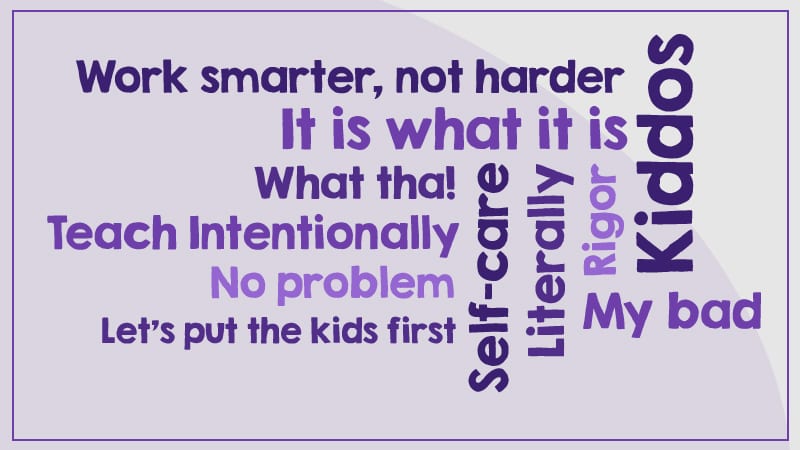
Teachers Share the Words and Phrases That Drive Them Crazy

In every classroom, there are always certain words and phrases that make teachers cringe. While it might be just a small part of an educator’s day-to-day life, these expressions can sometimes drive them up the wall. In this article, we’ll explore some of the most irritating words and phrases that teachers have shared. So buckle up, grab your red pen, and get ready to dive into the world of language that drives teachers crazy.

1. “I’m done!”

Perhaps one of the most common phrases teachers hear is “I’m done!” It’s often uttered by students who have completed their work – or think they have. However, it can come across as boastful or dismissive to others who may still be working on the task at hand. Teachers encourage students to say “I’ve finished,” instead, which is a more considerate alternative.

2. “Can I go to the bathroom?”

Considered one of the most overused phrases in a classroom setting, some teachers find hearing this question multiple times throughout a lesson frustrating. Many educators prefer when students ask for permission using something like “May I use the restroom?” as it leans into politeness and respect.

3. “Like”

The word “like” has become immensely popular in daily conversations, especially among younger generations. Although it is commonly used as filler between thoughts or sentences, its overuse can become grating for educators while trying to teach a lesson or engage in constructive discussions.

4. “Literally”

When used correctly, this word has its place; however, it has become a trendy term that many people use imprecisely to exaggerate an ordinary situation. Teachers often cringe when they hear their students casually misuse “literally” in incorrect contexts.

5. “No offense…”

Usually said before delivering an offensive remark or critique, this phrase can cause a teacher’s eye to twitch. Ironically, starting a sentence with “no offense” can make the following statement seem even more offensive or critical.

6. “I seen…”

Grammatical errors always tend to bother teachers, especially when a phrase is uttered repeatedly. An example of this is the incorrect use of “I seen…” instead of the proper form, “I saw…” or “I have seen…”. Teachers encourage students to sharpen their language skills and stay attentive to grammar rules.

7. “Whatever”

A word commonly associated with indifference or disdain, “whatever” does not sit well with most teachers when used disrespectfully. Educators work hard to create engaging lessons and provide meaningful learning experiences, so brushing off hard work with an apathetic attitude is nothing short of frustrating.

8. Overuse of acronyms

Modern communication has given birth to numerous acronyms – LOL, OMG, and other initialisms common in digital exchanges. While they may be fitting in an informal chat between friends, their use inside the classroom can undermine the importance of complete thoughts and proper use of language.

In conclusion, words and phrases might seem harmless at first glance, but their impact on teachers’ patience and classroom atmosphere should not be underestimated. We should all remember that language plays an important role in creating a respectful and constructive learning environment. Encouraging students to be mindful of the language they use will not only help them build better communication skills but also contribute positively to the classroom experience as a whole.