
Education

Gamification in E-Learning

Introduction

Gamification has emerged as a powerful strategy in e-learning, transforming educational experiences by incorporating game-design elements into learning environments.

Core Gamification Principles

Key elements include:

  • Point systems
  • Achievement badges
  • Competitive leaderboards
  • Narrative-driven learning experiences
  • Immediate feedback mechanisms

Psychological Foundations

Gamification leverages:

  • Intrinsic motivation
  • Achievement recognition
  • Progress tracking
  • Reward mechanisms

Sector-Specific Applications

Successful implementations across:

  • Corporate training
  • Academic institutions
  • Professional development
  • Skill acquisition programs

Technology Integration

Advanced gamification platforms now feature:

  • AI-driven personalization
  • Adaptive difficulty levels
  • Comprehensive analytics
  • Immersive learning experiences

Challenges and Considerations

Critical factors include:

  • Maintaining educational integrity
  • Balancing entertainment and learning
  • Designing meaningful challenges
  • Avoiding over-gamification

Conclusion

Gamification continues to revolutionize learning experiences, making education more engaging, motivational, and effective.

Collaborative Learning in the Digital Age

Introduction

Collaborative learning has evolved dramatically in 2025, leveraging advanced digital technologies to create meaningful, interactive educational experiences that transcend geographical boundaries.

Digital Collaboration Tools

Emerging platforms offer:

  • Real-time group projects
  • Virtual study groups
  • Global learning communities
  • Synchronous and asynchronous interaction modes

Benefits of Collaborative Learning

Key advantages include:

  • Enhanced critical thinking skills
  • Improved communication abilities
  • Diverse perspective exposure
  • Global networking opportunities

Technological Enablers

Advanced technologies supporting collaborative learning:

  • Cloud-based platforms
  • AI-powered communication tools
  • Virtual and augmented reality spaces
  • Sophisticated video conferencing solutions

Implementation Challenges

Organizations must navigate:

  • Cultural diversity management
  • Technical infrastructure requirements
  • Engagement maintenance
  • Assessment methodologies

Conclusion

Collaborative learning represents a powerful approach to education, fostering global connections and transforming traditional learning paradigms.

Mobile Learning – Education at Your Fingertips

Introduction

Mobile learning has transitioned from a supplementary option to a primary educational delivery method in 2025, reshaping how individuals access and consume educational content.

Mobile Learning Ecosystem

Key characteristics include:

  • Smartphone-optimized learning platforms
  • Microlearning modules
  • Offline learning capabilities
  • Cross-device synchronization
  • Intuitive user interfaces

Global Accessibility

Mobile learning is bridging educational gaps by:

  • Reaching remote populations
  • Providing affordable education options
  • Offering flexible learning schedules
  • Supporting continuous skill development

Technology Innovations

Advanced mobile learning platforms now feature:

  • Adaptive learning algorithms
  • Gamification elements
  • Augmented reality integration
  • Personalized learning recommendations

Challenges and Opportunities

Organizations must address:

  • Device compatibility
  • Network accessibility
  • Content optimization
  • User experience design

Conclusion

Mobile learning continues to democratize education, offering unprecedented flexibility and accessibility in the digital learning landscape.

AI and Personalized Learning in 2025

Introduction

Artificial Intelligence is revolutionizing the e-learning landscape, creating unprecedented opportunities for personalized, adaptive learning experiences that cater to individual learner needs.

AI-Driven Personalization

Modern AI technologies enable:

  • Adaptive learning paths
  • Real-time performance analysis
  • Customized content recommendations
  • Intelligent skill gap identification

Ethical Considerations

As AI becomes more integrated into learning platforms, critical ethical considerations emerge:

  • Data privacy
  • Algorithmic bias
  • Transparency in learning recommendations
  • Maintaining human oversight

Implementation Strategies

Successful AI integration requires:

  • Robust data infrastructure
  • Continuous algorithm refinement
  • Interdisciplinary development teams
  • Learner-centric design principles

Future Outlook

Predictions suggest AI will continue to transform:

  • Personalized learning experiences
  • Skill development methodologies
  • Educational accessibility
  • Professional training approaches

Conclusion

AI-powered personalized learning represents a significant leap forward in educational technology, promising more effective, engaging, and tailored learning experiences.

Interactive Courses – The New Frontier of Online Learning

Introduction

The e-learning ecosystem is undergoing a dramatic transformation, with interactive courses emerging as a game-changing approach to digital education. In 2025, these dynamic learning experiences are redefining how students engage with educational content.

What Makes Courses Truly Interactive

Interactive courses go beyond traditional passive learning methods. They incorporate:

  • Real-time feedback mechanisms
  • Adaptive learning paths
  • Gamification elements
  • Immersive simulation experiences
  • Collaborative learning opportunities

Technology Driving Interactivity

Cutting-edge technologies are powering these interactive learning experiences:

  • Artificial Intelligence
  • Virtual Reality
  • Augmented Reality
  • Advanced Learning Management Systems
  • Personalized Learning Algorithms

Impact Across Different Sectors

Interactive courses are making significant inroads in:

  • Corporate Training
  • Higher Education
  • Professional Development
  • Skill Acquisition Programs
  • Technical Training

Learner Engagement Metrics

Early data suggests interactive courses demonstrate:

  • 40% higher knowledge retention rates
  • 35% increased learner motivation
  • Improved skill application in real-world scenarios

Challenges in Implementation

Organizations face several challenges in developing interactive courses:

  • High development costs
  • Need for specialized content creators
  • Technical infrastructure requirements
  • Continuous content updates

Conclusion

Interactive courses represent the future of e-learning, offering unprecedented engagement and personalized learning experiences that cater to diverse learning styles and professional needs.

The Rise of Microlearning in 2025

Introduction

In the rapidly evolving landscape of digital education, microlearning has emerged as a transformative approach to learning and skill development. As we step into 2025, this innovative learning strategy is reshaping how individuals and organizations approach education and training.

The Microlearning Revolution

Microlearning represents a paradigm shift in educational methodology, breaking down complex information into bite-sized, easily digestible modules. This approach addresses the modern learner’s need for flexibility, efficiency, and targeted learning experiences. Unlike traditional long-form educational content, microlearning focuses on delivering specific, actionable knowledge in short, concentrated bursts.

Key Benefits and Applications

Organizations are increasingly adopting microlearning strategies across various sectors. Corporate training programs now leverage these compact learning modules to:

  • Enhance employee skill development
  • Improve knowledge retention
  • Accommodate busy work schedules
  • Provide just-in-time learning solutions

Technological Innovations

Advanced learning management systems (LMS) are now integrating sophisticated microlearning tools that:

  • Personalize learning paths
  • Track individual progress
  • Offer adaptive content delivery
  • Provide real-time performance analytics

Challenges and Considerations

While microlearning shows immense promise, educators and trainers must carefully design content to:

  • Maintain educational depth
  • Ensure comprehensive skill development
  • Create engaging, interactive modules

Conclusion

As we move further into 2025, microlearning stands poised to revolutionize how we approach education and professional development. Its ability to meet the demands of modern learners while providing flexible, efficient learning experiences makes it a critical trend in the e-learning landscape.

The Future of Hybrid Learning Models

Introduction

The post-pandemic educational landscape is characterized by flexible, hybrid learning models that combine online and in-person experiences.

Technological Integration

Advanced technologies are enabling seamless transitions between digital and physical learning environments.

Pedagogical Innovations

Educators are developing new teaching strategies that leverage the strengths of both online and traditional learning approaches.

Institutional Adaptations

Universities and educational institutions are redesigning infrastructure and curriculum to support hybrid learning models.

Conclusion

Hybrid learning represents the future of education, offering unprecedented flexibility and personalization.

Accessibility and Inclusive Design in Online Education

Introduction

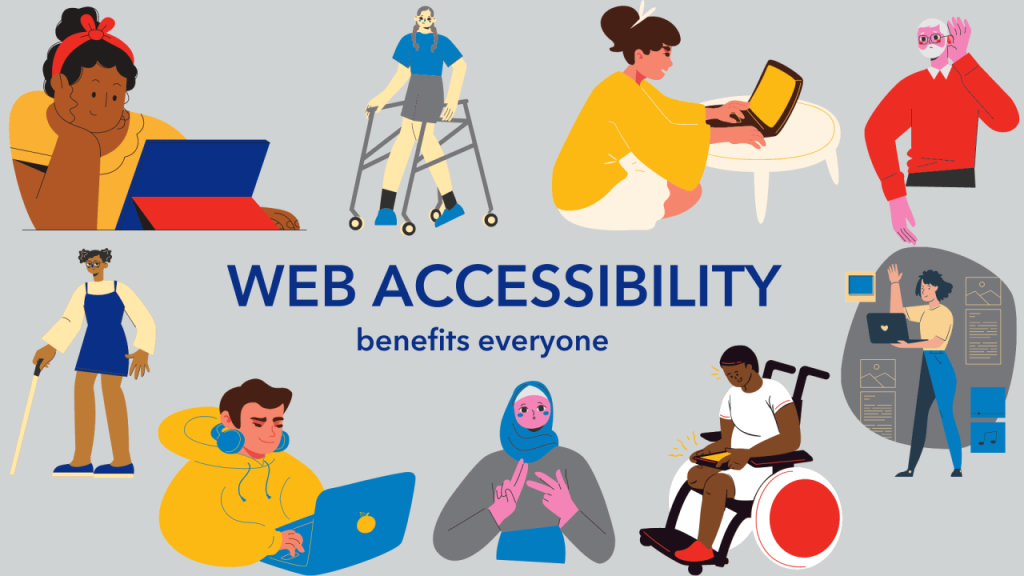
The focus on accessibility and inclusive design is reshaping online educational platforms, ensuring learning opportunities for all students.

Technological Innovations

Advanced assistive technologies are being integrated into learning management systems to support diverse learning needs.

Regulatory Developments

Increasing legal and ethical frameworks are pushing for more inclusive digital learning environments.

Comprehensive Approaches

Educational institutions are adopting holistic strategies to address accessibility beyond technological solutions.

Conclusion

Inclusive design is becoming a fundamental principle in online education, not just an optional feature.

Gamification and Interactive Learning Technologies

Introduction

Gamification is transforming online education, making learning more engaging, interactive, and motivational.

Technological Developments

Advanced game-based learning platforms are using sophisticated algorithms to create immersive educational experiences across various disciplines.

Psychological Insights

Understanding motivation and engagement through game-design principles is revolutionizing educational technology.

Implementation Strategies

Educators are developing more nuanced approaches to integrating gamification into curriculum design.

Conclusion

Gamification represents a powerful approach to making online learning more engaging and effective.

Mental Health Support in Online Learning Environments

Introduction

The mental health challenges associated with online learning have become a critical focus for educational institutions and technology providers.

Emerging Support Systems

Digital platforms are integrating mental health resources, including AI-powered counseling tools, stress management modules, and community support networks.

Holistic Approach

Educational institutions are recognizing the need for comprehensive mental health support that goes beyond traditional counseling models.

Technological Innovations

Machine learning algorithms are being developed to identify potential mental health risks and provide early intervention strategies.

Conclusion

Mental health support is becoming an integral part of the online learning experience, reflecting a more holistic approach to education.