Education

In Memory of Founder, Sandy Fivecoat

Last week, we bid farewell to our beloved founder and visionary, Sandy Fivecoat. Sandy was not only the heart and soul of our organization, but also a beacon of light in the lives of countless individuals who crossed her path. To honor her memory and celebrate her life’s work, let’s reflect on the unforgettable impact she made on all of us.

Sandy possessed a rare gift for identifying people’s strengths and talents. She had an unwavering belief in people’s potential, often before they believed in themselves. Her keen intuition allowed her to guide and mentor new talent and help them flourish in the industry. Many have gone on to become leaders themselves, all thanks to Sandy’s unwavering support.

Her passion for humanitarian work was evident from the get-go. Sandy believed that everyone deserved equal opportunities, regardless of their background or circumstances. This led her to establish numerous initiatives focused on uplifting underserved communities, paving a clear path for others to follow.

Sandy’s tireless dedication brought our organization together like a close-knit family. She took time and effort to connect with each member on a personal level, lending an ear to both our professional and personal struggles. Her empathetic nature fostered a supportive work environment that resonated throughout the entire company.

Under her leadership, our organization witnessed exponential growth as she steered us in innovative directions while staying true to our core values. The legacy she leaves behind speaks volumes about the caring and compassionate person she truly was.

As we move forward without Sandy, it is up to us not only to remember her unwavering spirit but also to continue her life’s work by following her example of kindness, dedication, and selflessness.

Rest in peace, dear Sandy Fivecoat – your memory will forever live on through your accomplishments and the lives you touched daily. In honor of your memory, we will continue striving toward making this world a better place, and you will always be a source of inspiration for our future endeavors.

Free Posters: Conquer the Internet in Class (Safely!)

Introduction:

The internet has become an integral part of our daily lives, and for educators, it provides endless opportunities to enhance learning experiences in the classroom. However, with these benefits come certain risks and challenges in ensuring online safety for students. Enter Free Posters – an innovative solution that helps educators teach students how to conquer the internet in class safely. This article will delve into the importance of online safety, the features of Free Posters, and how they can be used effectively in schools.

The Importance of Online Safety:

With an ever-increasing number of children having access to technology and the internet, proper education on online safety is vital. Cyberbullying, privacy protection, and understanding digital footprints are just a few examples of topics that need addressing. By adopting a proactive approach, teachers can equip students with essential skills to protect themselves on the web and foster ethical digital citizenship.

Introducing Free Posters:

Free Posters is a collection of engaging, visually-appealing posters designed to educate students about various aspects of online safety. These posters cover a wide range of topics such as protecting personal information, dealing with cyberbullies, and safe browsing practices. They serve as a valuable resource for educators who want to create a safe online environment for their students while also teaching them essential skills for using the internet responsibly.

Using Free Posters Effectively in Class:

1. Display in Prominent Locations: Position the posters in well-visible areas around the classroom or computer lab. This ensures that students always have access to crucial online safety tips while they navigate the internet.

2. Incorporate into Lesson Plans: Integrate discussions about online safety into your lesson plans by using Free Posters as a starting point for conversation or group activities.

3. Host Workshops: Organize informative workshops on internet safety for both students and parents by utilizing Free Posters as the primary teaching resource.

4. Encourage Student Discussions: Engage your students in discussions about digital citizenship and online safety. By encouraging open dialogues around these topics, you can help students feel more comfortable sharing their concerns and experiences.

5. Update Regularly: As technology rapidly advances, it’s essential to ensure that your classroom stays current with new developments in online safety. Keep an eye out for updated posters or additional resources to maintain a safe and informed learning environment.

Conclusion:

Free Posters is an invaluable tool for promoting online safety in the classroom. Teachers can use these professionally designed resources to engage students, spark conversations, and instill the importance of ethical digital citizenship. In a world where technology continues to revolutionize education, ensuring students’ safety on the internet is essential for a positive and secure learning experience. So go ahead—conquer the internet in class safely with Free Posters!

Service Learning 101: Making Learning Real and Relevant

Introduction

In an era where education and learning methods are rapidly evolving, the concept of “service learning” is more relevant than ever. Service learning not only furthers educational goals but also helps individuals understand their responsibilities as global citizens. By combining traditional classroom instruction with relevant community service projects, service learning empowers students to apply theoretical knowledge and problem-solving skills to real-world situations. Here, we will delve into the basics of service learning and its benefits.

Understanding Service Learning

Service learning can be described as a teaching methodology that blends academics with practical experience, character development, citizenship, and social responsibility. Incorporating real-life experiences within a formal educational program creates opportunities for students to gain a deeper understanding of their subjects while enhancing their personal skillsets.

The key components of service learning include:

1. Integration: It is essential to align the service project with the academic objectives it seeks to support. The project should complement the curriculum and create opportunities for students to apply their wisdom to solve real-world problems.

2. Reciprocity: In service learning, both students and community partners benefit from the project. Students gain invaluable hands-on experience, while communities receive assistance with their problems.

3. Reflection: Reflecting upon learning experiences throughout a service project is crucial for personal growth. Self-reflection helps participants identify the areas they need to improve upon, giving them a clearer vision of how their knowledge can truly make a difference.

4. Duration: To ensure long-term success, service-learning projects should be sustained over a reasonable timeframe. This enables continuity in relationships between students and community partners.

Benefits of Service Learning

Service learning offers numerous advantages, making it an incredible tool in modern education:

1. Enhanced Understanding: By applying academic knowledge to real-life situations, students develop a stronger grasp of complex issues they may only have studied in theory before.

2. Personal Growth and Development: Participating in service projects helps students inculcate essential life skills such as problem-solving, decision-making, critical thinking, leadership, and teamwork.

3. Social Awareness: By working on community issues, students become exposed to culturally diverse environments. They learn to appreciate social responsibility and understand the importance of collaboration in driving positive change.

4. Community Benefits: Service learning projects benefit communities by providing short-term and long-term solutions while also fostering lasting relationships with educational institutions.

Conclusion

Service learning is a powerful methodology that equips students with knowledge, skills, and awareness of their role as responsible citizens. By coupling classroom instruction with practical experiences, participants can grasp concepts more firmly and better understand the world around them. Hence, incorporating service learning into educational systems fosters not only academic development but also personal and societal growth. Ultimately, service learning helps create well-rounded individuals who are prepared to contribute positively to their communities and beyond.

Character Matters: An Interview With Paul Tough

In today’s rapidly-evolving world, where education and talent are critical determinants of success, it is important to look beyond academics to develop well-rounded individuals. Best-selling author Paul Tough talks about the importance of character development in children and shares his insights on how parents, educators, and society as a whole can help nurture strong character traits.

Paul Tough is the renowned author of ‘How Children Succeed’ and ‘The Years That Matter Most,’ both of which explore the significance of character-building in ensuring that children lead fulfilling lives. In this interview, we delve deep into Tough’s thoughts on what constitutes good character and how we can foster these qualities in young minds, preparing them for an uncertain but promising future.

Q: What inspired you to start focusing on character development in children?

Tough: My research began when I started investigating the disparities in the educational systems in America. I realized that there were key non-cognitive skills that were either being overlooked or not given enough importance. I believe that by focusing on these skills, we can better equip our children to deal with various challenges and achieve success.

Q: What do you believe are the essential elements of a strong character?

Tough: Some key qualities include grit, resilience, curiosity, self-control, empathy, and gratitude. These qualities help children adapt to change, navigate complex situations, build stronger relationships with others, and ultimately lead more fulfilling lives.

Q: How can parents and teachers help foster these qualities in children?

Tough: It is vital for parents and teachers to model good character themselves because children learn best through observation. They should also offer a supportive yet challenging environment that encourages children to push their boundaries and learn from failure. By incorporating real-life examples into lessons and sharing personal stories of adversity and triumph, adults can illustrate the values of grit and resilience.

Q: In your opinion, what role does school culture play in developing character?

Tough: School culture is crucial because it sets the tone for the learning environment. A positive and nurturing school culture fosters curiosity, empathy, and other vital character traits. When schools prioritize character-building along with academics, students are more likely to internalize these values and carry them into their adult lives.

Q: How can society contribute to nurturing strong character traits in young individuals?

Tough: Society plays a significant role in endorsing the importance of character development. We need to create platforms and forums promoting these discussions and encouraging parents, teachers, and other stakeholders to engage in this conversation. Policymakers should prioritize character education and allocate resources towards programs that equip children with valuable life skills.

In conclusion, Paul Tough’s insights emphasize that developing strong character traits is as important as acquiring academic knowledge. As we raise children to be successful adults, fostering qualities like resilience, empathy, and curiosity will provide them the tools needed to navigate an unpredictable world and lead fulfilling lives.

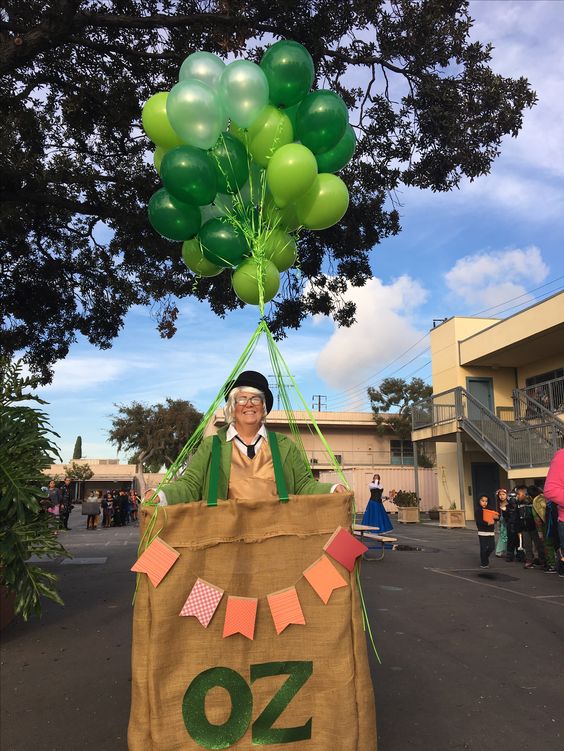
14 Ways School Field Trips Are Like the Wizard of Oz

School field trips can be magical adventures filled with learning, laughter, and exploration. When you think about it, they’re not so different from the classic story of the Wizard of Oz. Here are 14 ways that school field trips are like the beloved tale:

1. The Beginning: Much like Dorothy’s unexpected journey to Oz, a field trip marks the beginning of a unique adventure for students who step outside the classroom walls and into a world filled with new experiences.

2. A Diverse Cast of Characters: Like Dorothy’s motley crew of friends, each student on a field trip brings their own set of interests, skills, and perspectives, making for a diverse group that learns together along the way.

3. The Path to Discovery: Dorothy follows the Yellow Brick Road to reach her destination – similarly, students follow a guided path during field trips that leads them through different discoveries and educational experiences.

4. Overcoming Obstacles: Both in Oz and on a field trip, students must overcome challenges such as solving problems or facing fears while maintaining teamwork and camaraderie throughout their journey.

5. Learning Along the Way: On every step leading up to meeting the Wizard, Dorothy and her friends learn valuable lessons about themselves and their world – just as students absorb information while participating in various activities on their field trips.

6. Hands-On Learning: From discovering new plants in the forest to learning about space at a planetarium, students get hands-on opportunities to engage with their environment on field trips – much like Dorothy diving into Oz’s fascinating world.

7. Unforgettable Moments: Every field trip has those magical moments that make it an unforgettable experience – like when Dorothy first sets foot in Munchkinland or when she finally meets her Great Oz face-to-face.

8. Personal Growth: Both Dorothy’s journey through Oz and a school field trip allow for personal growth, as students push their boundaries and overcome challenges to come out stronger and more confident at the end.

9. New Friends: Just like Dorothy and her companions, students often meet new friends with whom they share the adventure of their field trip, forging bonds that can last a lifetime.

10. The Importance of Imagination: The fantastical world of Oz inspired countless imaginations, reminding us that sometimes, the most powerful type of learning is sparked through imaginative play and exploration – much like what happens during a field trip.

11. A Journey Home: After taking in the wonders of Oz, Dorothy returns home – a conclusion that mirrors the end of a school field trip as students return to their classrooms filled with memories and new knowledge to share with their peers.

12. Empathy and Cultural Connections: Both the Wizard of Oz story and field trips foster empathy as students are exposed to different cultures or experiences, allowing them to grow more understanding and compassionate toward one another.

13. Timeless Resonance: Much like the timeless appeal of the Wizard of Oz, school field trips continue to be cherished traditions that evoke awe, excitement, and curiosity in generations of students.

14. The Magic Lives On: Even after returning home from their adventures in Oz or from a thrilling field trip, Dorothy’s story and the memories made by students during their excursion continue to inspire wonder and ignite an eagerness for learning long after their journey has ended.

In these 14 ways and more, school field trips truly resemble the enchanting tale of the Wizard of Oz – inviting students on a fantastical journey where they can discover hidden talents, build lasting friendships, gain wisdom, and create memories that will last a lifetime.

Rise to the Challenge: Resources for Dropout Prevention

Introduction:

The dropout rate continues to be a critical issue in education systems worldwide. With numerous factors contributing to students leaving school before completing their education, it is crucial to find solutions that address the root causes of this problem. In this article, we will explore various resources for dropout prevention that can help students rise to the challenge and stay on the path to success.

1. Academic Intervention Programs

These programs assist struggling students by providing additional support such as tutoring, mentoring, and instructional assistance. This type of intervention can help identify and address academic difficulties early on, making it easier for students to keep up with their peers and stay engaged in school.

2. After-School Programs

Offering after-school programs that cater to students’ interests not only keeps them engaged beyond standard school hours but also helps keep them connected to a positive learning environment. These programs could include sports teams, clubs, or even academic enrichment activities.

3. Family Engagement Initiatives

Studies show that parental involvement in a child’s education positively impacts student success rates. Schools can implement programs that encourage family engagement through workshops, conferences, and other parent-centered events. This not only connects parents with their children’s school life but also offers them tools to support their kids academically and emotionally.

4. Mentor Programs

Mentorship is a powerful tool in preventing dropout rates. Pairing struggling students with positive role models can provide guidance and encouragement, helping them build resilience and persist through challenging times at school. Mentor programs can be composed of adult community members or even older peer mentors from within the school.

5. Social-Emotional Learning (SEL) Curricula

By integrating social-emotional skills into the curriculum, schools equip students with strategies to better manage emotions, form healthy relationships, and make responsible decisions throughout life. These skills play a fundamental role in reinforcing academic success and strengthening a student’s attachment to education.

6. Mental Health and Counseling Services

Many young people face mental health challenges that make it difficult for them to engage fully with school and learning. Providing access to mental health services within the school setting is crucial for identifying and addressing individual needs, increasing students’ capacity to stay engaged and perform well academically.

7. Alternative Learning Environments

For some students, the traditional schooling model may not be the best fit. Alternative learning environments such as online classes, vocational programs, or specialized curricula can offer a more tailored approach to education that takes into account each student’s individual needs, strengths, and interests.

Conclusion:

To effectively combat the dropout crisis and support students in rising to the challenge, schools need a multifaceted approach that incorporates academic, social-emotional, and community-based resources. By exploring and implementing a variety of dropout prevention strategies tailored to students’ unique needs, educators can create an environment that empowers young people to reach their full potential and achieve their goals.

Why I Decided to Become a Long-Term Mentor to One of My Students

As an educator, it has always been my passion to nurture, inspire, and empower the young minds I come into contact with every single day in the classroom. Each student is unique, possessing a diverse array of interests, abilities, and aspirations. However, one particular experience transformed me from a dedicated educator to a long-term mentor – and that was when I decided to invest in one of my students as a mentor and guide on their academic journey.

My decision was based on three key factors: the student’s personal growth potential, a shared passion for learning, and the belief that their success could ultimately benefit others.

1. Personal Growth Potential

As an educator, I am privileged to witness the growth and transformation of countless students. This particular student demonstrated immense potential when it came to personal development and overcoming obstacles. Their strong academic foundation, combined with a steadfast work ethic, fueled my desire to extend my support beyond the confines of the classroom.

I knew that by committing myself as a long-term mentor, I could provide insightful guidance and motivation tailored specifically to this student’s strengths and areas for improvement. Witnessing the transformation in their perseverance and self-confidence solidified that this was a worthwhile endeavor.

2. A Shared Passion for Learning

A thirst for knowledge wasn’t hard to spot in this exceptional learner. From engaging group discussions to their unwavering curiosity for new ideas and concepts, our shared love for learning became increasingly evident over time.

Recognizing how our close rapport enhanced their educational experience only added fuel to my conviction as a mentor. Investing time into someone who shares your passion can be greatly rewarding – not only do you have an opportunity to observe progress firsthand but also participate in mutual intellectual growth through invigorating conversations about various topics.

3. The Ripple Effect on Others

This student exhibited leadership qualities that made them stand out from their peers. By carefully guiding and supporting their growth, I knew I was not only investing in the promise of an individual student but also making an impact on the broader community.

Through my mentorship, this student became a role model for others in the classroom. This ripple effect on their surroundings demonstrated how nurturing an individual’s development could multiply into positive effects for the wider society.

Conclusion

My decision to become a long-term mentor stems from the deep-seated belief that, as educators, we have a unique opportunity to change lives in profound ways. Investing in one student’s growth had lasting implications for their future as well as those around them. As I continue to support my young protégé, I am constantly reminded of the transformative power of education – and how taking an active role in shaping someone’s journey can lead to unanticipated rewards.

Everybody Gets a Trophy, and That’s OK

Introduction

In a world where competition is fierce, and success is often defined by the number of trophies or achievements accomplished, we often forget the importance of inclusion and encouragement. The concept of “Everybody Gets a Trophy” has become a staple in many sports and extracurricular activities, especially for young children. While critics argue it undermines the values of hard work and dedication, we will explore why, in reality, it plays a vital role in fostering positivity, inclusivity, and growth.

The Benefits of Inclusive Recognition

1. Encourages Participation

One of the primary benefits of awarding participation trophies is that it creates an environment where youngsters feel encouraged to join and try new things. Fear of failure and exclusion can be detrimental to a child’s motivation to participate in activities, but when they know their efforts will be acknowledged, they are more likely to jump in and give their best shot.

2. Fosters Teamwork and Unity

Everybody getting a trophy highlights the fact that achievements are not solely based on individual performance but rather as a result of collective effort. This notion promotes teamwork by teaching children to support one another as they strive for collective success.

3. Builds Confidence and Self-Esteem

When children receive recognition for their efforts in an activity or sport, they feel valued and confident in their abilities. With the knowledge that their hard work won’t go unnoticed – regardless of outcome – they are more likely to remain persistent in the face of adversity and believe in their potential.

4. Stimulates Personal Growth

By receiving recognition at an early age, children learn the importance of setting realistic goals for themselves. As they grow older, this experience helps them adjust expectations, improve dedication, adapt strategies or techniques relevant for future achievements.

Addressing Criticisms

One might argue that awarding everyone with a trophy can diminish the value of winning or leave kids unequipped to face real-life competition as they grow. However, this concern fails to take into account the importance of blending encouragement and motivation with competition in the right balance. As children progress, coaches, parents, and educators should also emphasize the importance of winning healthily and the lessons that can be taken from defeat.

Conclusion

The “Everybody Gets a Trophy” approach is more than just a fad; it holds much-needed values and benefits for today’s youth. Our society is evolving, and so too must our methods of nurturing and celebrating the growth of individuals. By recognizing these values and striking a balance between self-improvement and competition, we contribute positively to creating confident, collaborative adults in the future.

What Successful Students Have in Common: The Impact of Teachers

Introduction:

Education plays a crucial role in shaping the future of students. Teachers, being the foundation of knowledge and guidance, have a significant impact on their students’ success. In this article, we delve into the essential qualities and practices of teachers that contribute to the performance of successful students.

1. Strong Communication Skills:

Successful students often attribute their achievements to effective communication with their instructors. Approachable teachers who can articulate complex subjects in comprehensive ways empower students to retain information and engage in meaningful discussions.

2. Passion for Teaching and Subject Matter:

Teachers who are passionate about their profession and exhibit genuine interest in their subject areas inspire students to develop a love for learning. This enthusiasm fosters curiosity, motivation, and encourages students to delve deeper into the subject matter.

3. Adaptability and Innovation:

The best teachers understand that every student possesses different learning preferences, strengths, and weaknesses. They adapt their teaching methods accordingly by utilizing various pedagogical strategies, incorporating technological tools, and maintaining flexibility in addressing diverse learning needs.

4. High Expectations:

Successful students often find themselves pushed towards their fullest potential by teachers who set high expectations for their academic performance. A firm belief in each student’s capabilities prompts them to face challenges with determination and resilience.

5. Effective Classroom Management:

A well-structured classroom environment cultivates a sense of unity while also appealing to individual student needs. Teachers must promote discipline, establish routines, enforce rules fairly, and maintain an organized atmosphere where all learners feel valued and supported.

6. Nurturing Relationships with Students:

Strong teacher-student relationships contribute significantly to a student’s overall success. Compassionate teachers who create emotionally safe spaces for open communication allow learners to develop trust and confidence in seeking assistance when they need it most.

7. Continuous Professional Development:

Through ongoing professional development opportunities such as workshops or conferences, teachers can stay up-to-date with the latest educational research, best practices, and innovative teaching techniques. This commitment ultimately benefits students as they gain access to more refined learning experiences.

Conclusion:

The impact of skilled and dedicated teachers on successful students cannot be overstated. As educatorsit is crucial to prioritize the development of these attributes in order to foster rich learning environments where all students have the opportunity to thrive. The qualities mentioned in this article form the foundation for a rewarding educational experience that extends beyond academic achievement and shapes the character of future generations.

Kindergarten Students Inspire an Entire School to Hold a Peace March

In a remarkable display of empathy and understanding well beyond their years, a group of kindergarten students at Hawthorne Elementary School has managed to inspire their entire school to join them in organizing a peace march.

It all started when these bright young minds were learning about Dr. Martin Luther King Jr.’s message of equality, love, and nonviolence during a lesson in their kindergarten class. The children were deeply moved by the concept of peace and how it could bring positive change to their community.

The kindergarteners took it upon themselves to promote a culture of peace within their school by organizing a “Peace March,” in which they would walk around the school grounds carrying handmade signs and banners advocating for unity and harmony. Unbeknownst to them, the idea would soon spread like wildfire throughout the entire student body.

When news of the Peace March reached the older grades at Hawthorne Elementary, students from various grades began expressing their interest in joining the march. Within days, what started as a modest initiative by ambitious kindergarteners evolved into an event that united the whole school.

The day of the Peace March saw students from all grades walking together, arm in arm, with colorful handmade signs that displayed messages such as “Choose Love,” “Unity is Strength,” and “Be Kind.” Even teachers and staff joined in, reinforcing the idea that peace transcends age or grade levels.

In addition to inspiring their fellow students, these kindergarteners also managed to touch the hearts of parents and community members. Some parents were moved to tears as they watched their children marching for peace and unity with such conviction.

As a result of this event’s success, Hawthorne Elementary School has committed to making the Peace March an annual event on its calendar. School administrators hope that this tradition will be carried forward by future generations of students – encouraging an environment where empathy, understanding, and unity prevail as core values.

This heartwarming story serves as a reminder that one simple act of kindness can create ripple effects that bring about significant change. The kindergarteners at Hawthorne Elementary not only organized a Peace March, but in doing so, they inspired an entire school and community to come together to promote peace and unity. And if these young students can make such an impact at such an early age, imagine the potential for change when we all work together toward a common goal of spreading peace around the world.