Educational Leadership

50 Fantastic Songs About FriendshipTeachers Go the Extra Mile to Safeguard Their Students

In today’s rapidly changing world, it’s impossible to underestimate the importance of protecting our students while they are in the care of educational institutions. Teachers play a pivotal role in keeping their wards safe and secure by implementing an array of measures. In this article, we highlight some astonishing ways in which educators are sharing everything they do to ensure the safety and well-being of their students.

Firstly, teachers engage in continuous professional development programs that focus on maintaining a safe and healthy learning environment. These opportunities often equip educators with vital knowledge and skills to better understand and address safety concerns, such as first aid training, fire safety drills, cybersafety protocols, and mental health awareness initiatives.

Communication plays a crucial role when it comes to student protection. Educators prioritize fostering an open line of communication with students, parents, and staff members. By developing trustful relationships, teachers strive to create an environment in which students feel comfortable discussing their concerns or reporting any incidents that may threaten their safety or well-being.

Another significant aspect is the incorporation of technology in classrooms for security purposes. Teachers are increasingly using surveillance cameras and monitoring software to keep an eye on school premises, restricting access to unauthorized individuals and identifying potential dangers before they escalate.

Furthermore, educators invest time in planning and executing lockdown drills with students so that they’re well-versed with emergency procedures if needed. This proactive approach ensures that they minimize panic and confusion during high-stress situations.

Bullying remains a persistent issue when it comes to student safety. Aware of the detrimental consequences that bullying can have on a child’s emotional and mental health, many teachers have voluntarily undertaken anti-bullying training sessions. These programs enable them to identify indicators of bullying behavior even before it turns into a serious issue.

Lastly, compassionate teachers empathize with the diverse socioeconomic backgrounds of their learners. They endeavor to maintain confidentiality when handling sensitive matters and address inequalities by supporting students who report financial struggles. By offering practical solutions, such as school supplies or appropriate clothing, teachers not only protect their students from feeling inferior but also promote an inclusive learning experience.

In conclusion, teachers have been going the extra mile in sharing everything they do to protect their students. These dedicated educators are vigilant in their efforts to ensure a secure and nurturing environment for all learners, overcoming contemporary challenges with a mix of empathy, technology, and continuous training. Their admirable commitment speaks volumes about the significance of their profession in molding the future generations into responsible global citizens.


The Impossibility of Teacher Planning for Next Year in Uncertain Times

Introduction:

The COVID-19 pandemic has taken its toll on global education, with millions of students and teachers facing unprecedented challenges. As educators strive to complete the current academic year, planning for the next school year seems like a daunting task. With uncertainties regarding safety measures, shifting guidelines, and unexpected changes in teaching methodologies, teachers have found it increasingly difficult to create concrete plans for the coming year.

Challenges Teachers Face in Planning:

1. Shifting Guidelines

As health authorities continue to learn more about COVID-19 and its impact on children, guidelines for safe operation of schools are continuously evolving. Teachers must adapt to these changes while preparing lesson plans, classroom management strategies, and learning goals. Keeping up with local regulations and set guidelines leaves little room or time for effective long-term planning.

2. Hybrid/Remote Learning Models

Depending on the state of the pandemic at the start of the new school year, schools may implement hybrid or remote learning models. The unpredictable nature of teaching remotely or employing blended learning methods has forced educators to revamp their approach to curriculum design.

3. Assessing Student Learning Loss

With limited face-to-face interactions this past year and varied quality of online learning experiences, it becomes increasingly difficult for teachers to assess individual student needs accurately. Planning personalized educational plans that address potential learning gaps is a time-consuming process that requires careful consideration.

4. Mental Health Concerns

Both students and teachers have faced increased stress during the pandemic due to physical isolation, disrupted routines, and an uncertain future. Creating supportive classroom environments that prioritize mental well-being requires thoughtful planning to balance both academic expectations and emotional support needs.

5. Budget Constraints

Many schools face budgetary challenges due to decreased funding caused by economic downturns related to the pandemic. As a result, teachers are expected to do more with less – creating engaging lessons while adhering to strict guidelines without the guarantee of necessary resources or support.

Finding Ways to Adapt:

Despite these challenges, teachers must find ways to adapt and prepare for the next academic year. They can proactively engage with professional learning networks, attend virtual conferences and workshops, and collaborate with colleagues to share best practices. Additionally, focusing on building strong relationships with students, parents, and community members can help create a strong foundation of support, regardless of the ongoing uncertainty.

Conclusion:

The current landscape of education has made teacher planning for the next year a herculean task. A myriad of uncertainties layered with evolving guidelines and constraints necessitate educators’ resilience and flexibility when designing learning experiences. However, as teachers continue to adapt to this ever-changing reality, they will uncover fresh opportunities to foster student growth and empower young minds to rise above adversity.

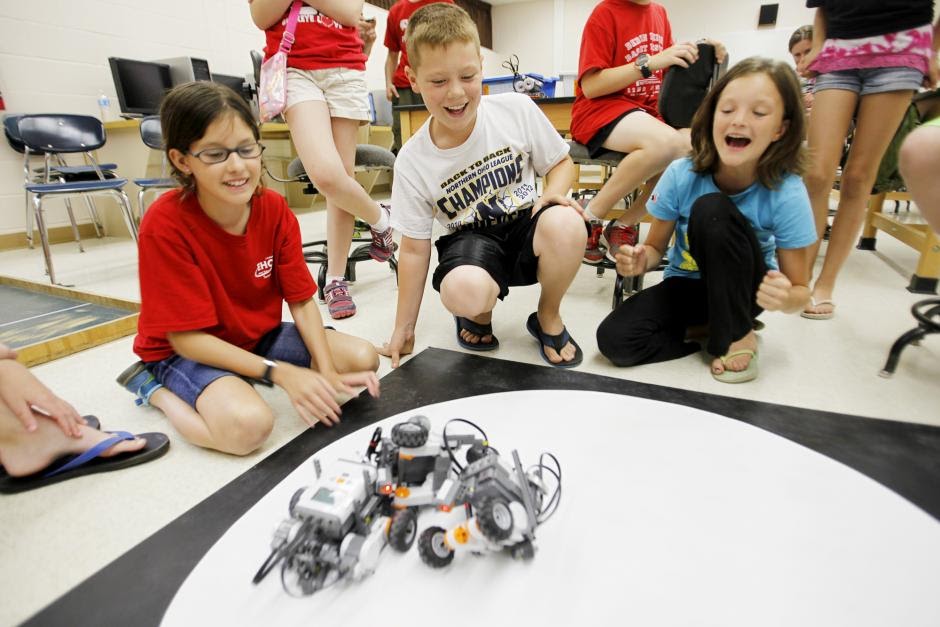
How to Start a Robotics Team At Your School

Are you interested in bringing the exciting world of robotics to your school? Starting a robotics team can provide numerous educational benefits for students, ranging from developing critical thinking skills and creativity to teamwork and communication abilities. To help you get started, we’ve compiled advice from two experts with experience in both robotics and education.

1. Determine Your Purpose and Goals

Before you start assembling your robotics team, it’s essential to identify your purpose and the goals you want the team to achieve. Determine if you’re aiming for competitions, purely educational experiences or a creative new hobby for your students. Having clear goals will help you gather resources effectively and encourage student participation.

2. Find a Faculty Advisor

A faculty advisor is an essential component of any successful robotics team. Look for a teacher or staff member who has experience or interest in STEM (Science, Technology, Engineering, and Mathematics) fields, as their background will be valuable in guiding the team. Additionally, having a committed faculty advisor will ensure that your team has dedicated space and backing within the school system.

3. Gauge Student Interest

To create a successful robotics team, you’ll need enthusiastic students who are passionate about learning and problem-solving. Hold assemblies or interest meetings to inform students about what they can expect from the robotics team. Encourage them to talk to their peers who might be interested as well; this way, you are more likely to reach those with an aptitude for robotics.

4. Secure Funding

Starting a robotics team requires financial support for tools, materials, registration fees (for competitions), and transportation costs. Begin by speaking with your school administration about possible funding sources such as grants or fundraising activities. Reach out to local businesses, community organizations and online crowdfunding platforms as potential sponsors.

5. Obtain Necessary Equipment

Once you have secured funding, it’s time to invest in equipment that will allow students to learn and explore robotics. Purchase programmable robots, sensors, tools, and other electronics necessary for building and programming robots effectively. Additionally, invest in resources such as online tutorials, textbooks or workshops to aid in students’ understanding of robot design and principles.

6. Establish a Meeting Schedule

Like any club or sports team, a regular meeting schedule is crucial to promoting collaboration and sustained momentum. Decide on a consistent time, place, and duration for the group’s meetings. During meetings, ensure that there are set objectives and clear expectations for all members.

7. Participate in Competitions or Events

Competing in robotics competitions or taking part in events can provide valuable experiences such as teamwork and leadership opportunities, coupled with learning from other teams’ strengths and weaknesses. Research regional or national-level competitions that align with your team’s goals and interests.

8. Promote Team Building

A successful robotics team works best when members support one another’s skills and assets. Encourage a collaborative environment by hosting team-building activities or workshops that focus on specific roles within the team – such as programming, design, or communication.

In summary, starting a robotics team at your school may seem like a challenging task at first, but with the right resources, faculty support, student interest, and financial backing, it can be an incredibly rewarding experience for all involved. Remember that your goal should always be to provide students with valuable learning opportunities which will help them develop essential life skills via the exciting world of robotics.

The Importance of Practicing What We Preach

Introduction

Writing is a skill that transcends disciplines and has long-lasting effects on a person’s academic, professional, and personal life. As educators, it is our responsibility to teach writing effectively. But can we truly teach it without practicing the art ourselves? To bestow upon our students the ability to communicate their ideas through written words, we must first engage in the practice of writing.

Why Practicing Writing Matters for Educators

1. Personal Growth

As in any other field or skill, practice makes perfect. Engaging in regular writing—especially within our subject matter—allows us to continually grow intellectually and expand our knowledge horizons. By honing our craft through personal writing projects, reading academic articles, or even just jotting down notes during class discussions, we demonstrate curiosity and a willingness to learn.

2. Modeling Matters

Any educator knows that one of the best ways for students to learn a concept is by seeing it done correctly. When students see their teachers engaging in the writing process, they absorb crucial writing techniques and skills more naturally. Teachers who showcase their own writings provide a roadmap for students – one that they can follow when tackling their own assignments.

3. A Deeper Understanding of Writing Challenges

By regularly engaging in writing ourselves, we gain empathy and understanding of the difficulties our students may face while completing assignments. With a firsthand experience of these challenges, we are better equipped to help them overcome writer’s block or guide them through organizational issues.

4. Feedback Is Crucial

Receiving feedback on our writing—from both peers and students—strengthens our ability to review student work with a critical eye. When we know what it’s like to receive constructive criticism and have experienced the benefits it brings about in refining our craft, we become better at providing valuable insights to our students.

5. Staying Current with Writing Trends

The writing landscape is constantly evolving, and it’s essential for educators to stay up to date on new strategies, methods, and technologies. By actively engaging in writing, we remain current with industry best practices and can bring the latest tools into our classrooms.

Conclusion

In order to teach writing effectively and provide our students with a solid foundation in this invaluable skill, we must first be writers ourselves. By constantly engaging in writing and staying updated on trends, educators can model good practices, develop empathy for student challenges, and deliver meaningful feedback. Ultimately, the best way to instill a love for writing in our students is by exemplifying that passion through our actions and dedication to the craft of writing.

The Importance of Horizontal and Vertical Collaboration Teams in Schools

In today’s rapidly changing educational landscape, the need for efficient collaboration among all stakeholders has become increasingly crucial. One effective approach to collaborative learning is the implementation of horizontal and vertical collaboration teams in schools. This strategy brings together staff members from different grade levels and subject areas to address curriculum alignment, sharing best practices, and professional development. By fostering communication and collaboration across disciplines and grade levels, schools create a supportive environment where students are more likely to thrive.

Horizontal Collaboration

Horizontal collaboration entails communication and cooperation among teachers who instructionally serve the same grade level or subject area. This approach promotes the exchange of ideas, strategies, and resources among colleagues with similar responsibilities and experiences.

Benefits of Horizontal Collaboration:

1. Shared Resources: Teachers pool their strengths, expertise, materials, and ideas about instructional strategies to deliver more engaging lessons.

2. Consistency: Horizontal collaboration helps establish a unified curriculum across subjects or grade levels by aligning standards, assessments, programming, and teaching practices.

3. Professional Development: Participating in ongoing discussions related to curriculum design and instructional strategies encourages professional growth for educators.

4. Improved Outcomes: Through shared planning sessions, teachers can identify benchmarks and set specific goals for student achievement, leading to improved learning outcomes for students.

Vertical Collaboration

In contrast, vertical collaboration focuses on communication between different grade levels within a school or across districts. By initiating dialogue between elementary school teachers up through high school educators, these teams can bridge gaps in curriculum progression, ensuring that student learning builds effectively from one level to the next.

Benefits of Vertical Collaboration:

1. Seamless Transition: Vertical teams facilitate a smoother transition for students between successive grades by establishing deeper connections between subjects.

2. Articulation of Curriculum: Educators working together through vertical collaboration can create or modify curriculum maps that provide a comprehensive outline of what students are expected to learn at various stages of their education journey.

3. Increased Awareness: Vertical collaboration enables teachers to understand the instructional approaches and expectations that precede and follow their grade level, allowing them to better support students throughout their educational experience.

4. Early Interventions: By identifying areas of need in a student’s educational trajectory, vertical teams can implement targeted interventions before they become critical concerns.

The consequence of successfully implementing horizontal and vertical collaboration teams in schools is the creation of a cohesive, supportive learning environment for students. Teachers working together across subject areas and grade levels help ensure consistency in curriculum, teaching strategies, and assessments. As a result, students have a better chance to succeed academically and develop essential skills needed for future success.

In conclusion, the importance of horizontal and vertical collaboration cannot be understated in today’s education system. By fostering an environment where educators can work together to support one another in teaching different subjects or grade stages, schools pave new pathways for student success. With the benefits of shared resources, consistency, professional development, increased awareness, seamless transitions, and early interventions all contributing to enhanced student outcomes and learning experiences, these collaborative models prove their worth in fostering tomorrow’s leaders.

Should All Teachers Loop With Their Same Students in the Fall?

As education systems worldwide constantly try to improve the quality and effectiveness of their teaching methods, one question that arises is whether teachers should loop with their same set of students in the following fall semester. Looping is when teachers stay with their same group of students for more than one academic year. This practice has been around for a while, but it is still a subject of debate among educators.

Advantages of Looping:

1. Stronger relationships between teachers and students: When teachers continue working with a group of students, they can foster stronger bonds that enhance trust and mutual respect. This connection often leads to improved communication, which benefits both teachers and students.

2. Reduced transition time: At the start of a new academic year, substantial time is spent on adjusting to new curriculums and teachers. Looping minimizes this transition period, as both teachers and students have already established mutual expectations from past experiences.

3. Increased understanding of student needs: Teachers who loop with their students get a better understanding of each student’s individual strengths, weaknesses, and learning styles. This insight enables them to tailor their teaching strategies more effectively to target specific needs.

4. Enhanced emotional stability for students: The emotional stability of children in a familiar setting allows them to focus more on learning and personal growth without worrying about fitting in or meeting new social expectations.

Disadvantages of Looping:

1. Effectiveness varies across grade levels: While looping may be effective for younger children who benefit from a stable environment, older ones may require different types of instruction during their academic years and may not benefit as much from staying with a single teacher.

2. Compatibility issues: In some cases, the relationship between teacher and student might not be strong or conducive to learning. In such scenarios, looping could hinder the student’s progress rather than aid it.

3. Teacher burnout: Teaching the same group of students without a break can potentially lead to teacher burnout and impact their enthusiasm and motivation.

4. Limited teacher exposure: Students who loop with a single teacher may miss out on the opportunity to learn from multiple educators with diverse backgrounds and teaching styles. This could have an impact on their overall academic development.

Conclusion

While there is no one-size-fits-all answer to whether teachers should loop with their students in the fall, it is essential to weigh the potential benefits and disadvantages. Parents, administrators, and educators must collaborate and ultimately decide based on the needs of each school, community, and individual student. The advancement of education should remain a priority while considering various strategies, including looping in classrooms.

Why Teachers Need to Just Say No to Learning Targets

In recent years, the educational landscape has been dominated by a push for clearly defined learning targets. Proponents of this approach argue that setting specific goals for students will help them to achieve greater success in their academic pursuits. While this may seem like a logical and well-intentioned practice, the truth is that an overreliance on learning targets can actually do more harm than good in today’s classrooms. In this article, we explore why teachers should resist the pressure to create highly structured learning environments and instead focus on fostering creativity, critical thinking, and adaptability among their students.

First and foremost, it’s important to recognize that learning targets can inadvertently stifle creativity. Set curricular objectives often restrict students’ ability to think independently and critically about the subject matter at hand. When a teacher revolves their instructional approach around specific goals, they risk removing opportunities for spontaneity, curiosity, and exploration in the classroom. As a result, students may become overly focused on simply achieving these targets rather than developing a deep understanding of the concepts being taught.

Additionally, learning targets can be a source of unnecessary stress for both teachers and students alike. The pressure to create individualized academic goals can lead educators to feel constantly overwhelmed; simultaneously tracking each student’s progress towards a plethora of benchmarks becomes next to impossible. For students, this relentless pursuit of success may result in heightened anxiety and a constant feeling of never being “good enough.”

Moreover, the pursuit of learning targets privileges certain types of learners over others. While goal-oriented individuals might thrive in this type of environment, students who are more introspective or drawn to exploratory learning could struggle to conform to such strict expectations. By insisting on the importance of meeting specific achievement markers, we risk alienating these already marginalized learners from the process.

Furthermore, an unwavering reliance on learning targets often leads teachers to prioritize content acquisition over skill development. Although it’s easy to assess memorization of facts and dates, it’s far more challenging to gauge proficiency in critical thinking, problem-solving, or effective communication. Yet, these are the skills that students will need most as they navigate an increasingly complex world. By placing all their emphasis on learning targets, teachers run the risk of neglecting the growth of these essential life skills among their students.

Finally, it’s worth noting that effective teaching is about more than simply preparing students for exams or helping them jump through academic hoops. A truly impactful educator will empower their students to ask tough questions, seek out new perspectives, and pursue their passions — all qualities that cannot be reduced to mere learning targets.

In conclusion, while the inclination towards using learning targets may be rooted in good intentions, it’s crucial to recognize the potential pitfalls of this approach. Instead of becoming shackled to learning objectives, educators should focus on nurturing the creativity, critical thinking abilities, and adaptability that will serve their students well as lifelong learners and citizens of the world.

How a Simple Acronym Can Help Motivate Students to Learn on Their Own

In today’s fast-paced world, educators are constantly striving to find effective ways to motivate students for self-directed learning. An individual’s ability and willingness to engage in purposeful learning activities without external guidance is essential for lifelong success. One accessible approach to empowering students is by introducing them to a simple acronym: OWN IT.

OWN IT stands for:

1. O – Ownership

2. W – Willingness

3. N – Nurturance

4. I – Inquiry

5. T – Tenacity

Let’s explore each component and understand how it can contribute to enhanced self-motivation in students.

Ownership: This concept is fundamentally about entrusting students with the responsibility of their own personal and academic growth. By encouraging ownership, students gain confidence and internalize the idea that their success is rooted in their efforts and decisions, rather than solely on external factors.

Willingness: Developing a genuine willingness to learn requires cultivating a mindset of curiosity and openness towards new experiences. Educators should strive to create an environment that encourages exploration, risk-taking, and challenging one’s boundaries, thereby building student enthusiasm for learning.

Nurturance: Academic motivation thrives when students feel supported and have access to resources that help them thrive. Educational settings should foster positive teacher-student relationships, peer interactions, and provide opportunities for feedback in a caring manner. With these connections in place, students are more likely to engage in self-directed learning.

Inquiry: Encouraging students to become active investigators promotes self-discovery and critical thinking skills – a foundation for independent learning. By providing opportunities for inquiry-based learning, educators can ignite students’ hunger for knowledge while allowing them the freedom to pursue personal interests.

Tenacity: Finally, teaching resilience and perseverance is crucial for long-term success. Students will encounter setbacks and obstacles throughout their educational journey; instilling tenacity helps them develop the ability to push through challenges and continue learning, even when faced with adversity.

The simple OWN IT acronym serves as a powerful tool for motivating students to learn on their own. When educators incorporate these elements into their teaching approach, they cultivate an environment conducive to independent growth and development. By embracing ownership, willingness, nurturance, inquiry, and tenacity in various aspects of academic life, students can become lifelong learners who are better prepared to face the world’s ever-evolving challenges.

How Principals Can REALLY Help Teachers Right Now

In these trying times, the role of principals has never been more crucial. With the challenges and changes brought on by the pandemic, educators have found themselves facing unparalleled expectations and responsibilities. Designed as guides and advocates, it is essential that principals understand how they can truly help their teachers right now. Here are some vital strategies for principals to support their staff in navigating these challenging times.

1. Foster open communication

Creating a safe space for honest conversations will make a significant difference for teachers. Encourage regular check-ins and hold staff meetings to discuss concerns, share resources, and address questions. In addition, demonstrate empathy and understanding by actively listening to the struggles that teachers may have both professionally and personally.

2. Provide relevant professional development

With a shift to remote learning or hybrid models, there is an immense need for appropriate professional development that caters to the current situation. Collaborate with instructional coaches and curriculum coordinators to offer workshops on distance learning strategies, utilizing technology effectively, and maintaining student engagement. This support builds confidence in teachers as they navigate new educational landscapes.

3. Streamline expectations and reduce workload

Acknowledging the high level of stress faced by educators during this time, principals can help ease some of that pressure by streamlining expectations and reducing workload where possible. Encourage collaboration among teachers, provide clear guidelines on lesson planning, and refrain from adding unnecessary tasks or meetings.

4. Check on mental health and well-being

Recognize that teachers face an enormous amount of pressure right now – both inside and outside the classroom – making it essential to check on their mental health. Offering resources such as access to counseling services or wellness workshops demonstrates genuine care for their well-being.

5. Advocate for resources and support

Principals should maintain open lines of communication with district-level leaders in order to advocate for necessary resources that support quality teaching. From technology devices for distance learning to ample funding for campus-based activities, collaborating with the district can have meaningful impacts on the teaching and learning environment.

6. Celebrate successes and show appreciation

It’s crucial for principals to acknowledge and celebrate even the smallest accomplishments right now. A simple but heartfelt “thank you” can go a long way in lifting the spirits of a teacher feeling overwhelmed. Show gratitude and shine a light on their achievements, making sure teachers feel appreciated for their dedication and hard work.

In conclusion, as times change, so must the support provided by school leaders. By maintaining open communication, providing relevant professional development and mental health support, and celebrating successes, principals can come together with teachers to build an enriching and safe learning environment for every student.

9 Qualities the Most Admired School Leaders Share

In the world of education, effective leadership plays a critical role in creating a thriving learning environment for students and educators alike. While every school leader’s style is unique, there are certain qualities that the most admired leaders tend to share. Let’s delve into nine key traits that contribute to their success.

1. Visionary: Successful school leaders have a clear and compelling vision for their schools. They can imagine the future they want to create and develop strategies to achieve it. This vision guides their daily decisions and gives them a sense of direction.

2. Inspirational: Effective leaders inspire others around them with their passion and commitment. They motivate their team through their enthusiasm, fostering an environment where everyone feels invested in the shared goals.

3. Collaborative: Highly effective school leaders recognize the value of working closely with various stakeholders, including teachers, parents, and students. They actively seek input and involve others in decision-making processes to encourage engagement and ownership.

4. Empathetic: Great school leaders demonstrate a deep understanding of others’ feelings, needs, and perspectives. Their empathy helps them connect with those around them on a genuine level and makes it easier to address challenges or conflicts that may arise.

5. Resilient: The most admired school leaders can bounce back from setbacks quickly and learn from failure without losing momentum or enthusiasm. This resilience ensures they can maintain focus on long-term goals while navigating daily obstacles.

6. Decisive: An effective leader must be confident in making difficult decisions quickly when necessary while considering the opinions and perspectives of others as well as analyzing potential consequences.

7. Adaptable: The ability to adapt to new situations is crucial in today’s fast-paced educational landscape. Great school leaders embrace change and stay open-minded while evaluating innovative ideas or solutions that align with their vision.

8. Ethical: A strong moral compass guides respected school leaders as they seek fair solutions and prioritize ethical principles in their decision-making processes. This commitment to integrity not only leads to the betterment of the school community but also garners trust and respect from stakeholders.

9. Approachable: Lastly, highly effective school leaders must be accessible and easy to talk to. They listen actively and welcome open communication from all parties involved, creating an atmosphere where individuals feel valued, heard, and supported.

In conclusion, the most admired school leaders display a combination of vision, inspiration, collaboration, empathy, resilience, decisiveness, adaptability, ethical behavior, and approachability. These qualities contribute to creating a supportive and inclusive learning environment that benefits the entire school community. As future educators or current leaders looking to hone their skills further, we can learn from these examples to become better educational leaders ourselves.