Educational Leadership

A Hundred Years On with the Montessori Approach

The Montessori approach, a revolutionary educational method developed by Dr. Maria Montessori more than a century ago, continues to shape education in the present day. As we celebrate 100 years of this innovative system, it’s essential to reflect on its impact, evolution, and relevance in today’s educational landscape.

Dr. Maria Montessori, an Italian physician and educator, established the Montessori approach in response to the conventional educational systems of her time. In 1907, she opened the first Montessori school in Rome, where she tested her methods on children living in poverty. Within a few years, the approach gained global recognition for its effectiveness in cultivating lifelong learners – children who are curious, independent, and capable critical thinkers.

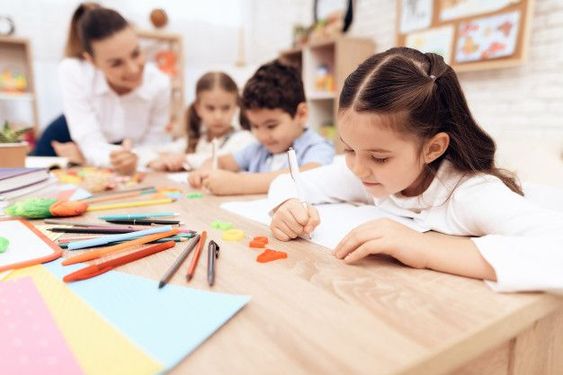
At its core, the Montessori approach promotes child-centered learning by fostering self-direction and personal responsibility. This method differs from traditional schooling by emphasizing a hands-on learning experience in environments specially designed to cater to each child’s unique needs and development level.

One of the most notable aspects of this approach is its emphasis on prepared learning environments that encourage exploration and creativity. Each space is tailored to meet the individual needs of children as per their developmental stage. The environment is thoughtfully equipped with age-appropriate materials that promote independent activities and foster hands-on learning.

Another key component of the Montessori method is respect for the child’s natural development process. The approach acknowledges that every child progresses at their own pace, which means that educators should tailor individualized lessons instead of enforcing a one-size-fits-all curriculum. This personalized learning allows students to progress at their own speed while maximizing their strengths and working on areas needing improvement.

Furthermore, the teacher’s role within a Montessori classroom differs significantly from traditional teaching settings. The educator acts as a facilitator or guide instead of an authoritative figure. They observe the students’ progress, offer support, and present new materials or challenges when appropriate. This guiding method empowers students to take ownership of their learning process and fosters self-motivation, resilience, and problem-solving skills.

After a hundred years, the Montessori approach remains highly relevant in modern education due in part to its focus on cultivating 21st-century skills such as collaboration, communication, critical thinking, and creativity. These highly sought-after proficiencies align with the needs of a rapidly evolving global workforce that prizes innovative thinking and adaptability.

Ultimately, the Montessori approach’s century-long legacy testifies to its success in nurturing confident, well-rounded individuals equipped with essential life skills. Its flexible, child-centered approach to learning demonstrates the importance of prioritizing each student’s experience for the betterment of educational systems globally. As we look towards the future of education, it’s essential to recognize and appreciate the timeless principles championed by Dr. Maria Montessori that continue to guide educators worldwide.

Developing PPD in Partnership

Introduction

A successful Public-Private Partnership (PPD) is crucial for driving development in numerous sectors, including infrastructure, healthcare, and education. PPDs can mitigate risks, pool resources and expertise, and generate innovative solutions to pressing challenges. Indeed, the effectiveness of a PPD depends largely on the extent of collaboration between public and private partners, as well as the level of stakeholder engagement. In this article, we will explore how developing PPDs in partnership can contribute to success and discuss essential ingredients for cultivating strong partnerships.

1. Building Trust Among Partners

For a partnership to function effectively, trust is essential. Both public and private partners must demonstrate their reliability and commitment to the project’s goals. This can be achieved by fostering open communication channels, maintaining transparency around decision-making processes, and regularly reviewing collaborative efforts.

2. Establishing a Clear Vision and Objectives

Collaboration thrives when all partners share a clear vision of the project’s objectives. Identifying the primary issues to be addressed and agreeing upon a solid conceptual framework enables partners to align their resources more efficiently.

3. Defining Roles and Responsibilities

Determining each partner’s role and responsibilities at the outset helps avoid confusion and foster cooperation. It enables partners to engage effectively with one another while minimizing duplication of efforts.

4. Developing Effective Communication Channels

Communication is key to any collaboration effort, especially in public-private partnerships. Establishing regular communication channels facilitates information-sharing between stakeholders at various levels, encourages mutual learning, and ensures that everyone remains informed about the project’s progress.

5. Implementing a Robust Monitoring and Evaluation System

To verify the efficiency and effectiveness of a PPD, it is important to implement robust monitoring and evaluation mechanisms. These systems help gather data on performance indicators that drive critical review processes, provide accountability among stakeholders, and guide adjustments necessary for success.

6. Engaging Civil Society and Beneficiaries

Collaborative approaches to PPDs must involve the communities they are designed to serve. Engaging civil society organizations, and project beneficiaries ensures broader acceptance of projects, fosters public support, and guarantees that projects address the needs of the target populations.

7. Continuous Capacity Building

Investing in capacity building for all partners is critical in fostering durable partnerships. Strengthening institutional capacities in areas such as negotiations, project management, and impact evaluation ensures a productive partnership that extends beyond the completion of specific projects.

Conclusion

There is no one-size-fits-all approach to developing PPDs in partnership, but a strong foundation built on trust, clear objectives, and stakeholder engagement is vital for success. Public-private collaborations can foster innovative solutions to complex challenges while ensuring more efficient use of resources and expertise. By emphasizing transparency, communication, and capacity-building efforts, partners stand to maximize both the impact and sustainability of their collaborations, leading to an ultimately empowered and thriving society.

Looked-After Children: New Law Enhances Education Rights

Introduction

A recent legal amendment has significantly enhanced the educational rights of looked-after children. This new law aims to overcome the barriers faced by these children in accessing high-quality education and to ensure a brighter future for them. In this article, we will explore the implications of this new law, its key provisions, and how it strives to improve the overall well-being of looked-after children.

New Law: Key Provisions

1. Allocation of educational resources: The new law stipulates that local authorities must allocate sufficient resources to ensure every looked-after child has access to suitable education, regardless of their current placement or circumstances.

2. Designated professionals: Under this law, each school will have a designated professional who will be responsible for monitoring and promoting the educational progress of looked-after children. These professionals will work closely with caregivers, social workers, and other stakeholders to provide tailored support to these children.

3. Personal education plans (PEPs): In collaboration with teachers, caregivers, and social workers, looked-after children must have a personal education plan outlining their academic goals and identifying any required additional support. This document will be reviewed periodically to ensure its effectiveness and will be crucial in guiding their educational journey.

4. Maintaining stability: The law emphasizes the importance of school stability for looked-after children and makes it mandatory for local authorities to minimize changes in school placements whenever possible. In cases where a change is inevitable, prompt enrollment in a new school must be ensured to minimize disruption in the child’s education.

5. Prioritizing school placements: The new legislation prioritizes looked-after children for admissions to their preferred schools, even if such schools are already at full capacity.

6. Accessibility to extracurricular activities: This provision ensures that looked-after children receive equal opportunities for engaging in activities outside the classroom, including sports teams, clubs, and other enrichment programs.

7. Financial support for education: In addition to allocating resources specifically for the education of looked-after children, the law also provides financial assistance to schools for additional resources tailored to their unique needs.

Implications of the New Law

The primary objective of this new law is to bridge the educational gap that often exists between looked-after children and their peers. By prioritizing the provision of resources and support, it seeks to create a positive impact on the lives of these children and bolster their chances of academic success.

Moreover, by emphasizing school stability, investing in personal education plans, and enhancing access to extracurricular activities, this law aims to promote well-rounded development and social integration for looked-after children.

Conclusion

The new law improving education rights for looked-after children marks a significant milestone in ensuring equal opportunities and supportive learning environments for this vulnerable group. Through strategic allocation of resources and collaborative efforts by local authorities, caregivers, schools, and other stakeholders, it paves the way for a more inclusive educational experience that recognizes and addresses the unique challenges faced by looked-after children.

Strengthening Transition and Transfer between Schools with Classroom Dialogue

Introduction

Transitions and transfers between schools represent a significant challenge for educators, administrators, and students alike. As students enter new environments, they must adapt to different academic expectations, social dynamics, and learning cultures. To ensure a smoother transition and promote academic success, it is crucial that schools implement effective strategies that support the development of students as they move from one educational setting to another. One such strategy that has proven to be valuable is the use of classroom dialogue.

The Power of Classroom Dialogue

Classroom dialogue refers to open conversations and discussions between students and teachers or among students themselves. It is a pedagogical practice that promotes critical thinking, active listening, and problem-solving while fostering an inclusive environment in which all participants’ voices are heard. In the context of transitions and transfers between schools, classroom dialogue can boost confidence, enhance learning retention, and build connections between students.

Benefits of Classroom Dialogue during Transitions

1. Encouraging Open-mindedness: Transitioning students are exposed to new ideas, perspectives, and challenges when they enter a new school. Engaging in classroom dialogue allows them to approach these new experiences with an open mind by encouraging them to consider alternative viewpoints.

2. Building Positive Relationships: Classroom dialogue creates opportunities for students to get to know their peers and teachers more intimately. As they share experiences and ideas with one another, they can form stronger bonds that make the transition easier.

3. Developing Communication Skills: Students who actively participate in meaningful classroom discussions develop vital communication skills such as active listening, empathy, and effective expression of ideas. These competencies help them not only in their academic pursuits but also in future careers or social situations.

4. Enhancing Academic Performance: Research shows that constructive classroom dialogue positively influences students’ academic achievement by connecting prior knowledge with newly acquired information. This reinforces learning retention while supporting students in making connections across subjects or disciplines.

Strategies for Promoting Classroom Dialogue during Transitions

1. Establish a Safe and Inclusive Space: To encourage engagement and meaningful conversation, it is essential to create an environment where students feel comfortable speaking and sharing their ideas. Develop norms and guidelines that promote respect, active listening, and support for diverse opinions.

2. Use Thought-provoking Questions: Asking open-ended questions that require students to reflect deeply on the subject matter serves as an excellent starting point for class dialogue. Avoid leading questions or those that can be answered with a simple “yes” or “no.”

3. Encourage Collaborative Group Work: Encourage students to work together on group projects or activities, assigning specific roles that prompt them to communicate their ideas and learn from one another.

4. Build Upon Students’ Thoughts: When students share their opinions in classroom discussions, acknowledge and validate their contributions by affirming their ideas, asking them to expand further, or connecting their thoughts to others’ responses.

5. Provide Ample Opportunities for Reflection and Feedback: Regularly ask transitioning students how they are coping during their adjustment period. Offer constructive feedback on how they engage in classroom dialogue and suggest ways they can enhance their participation.

Conclusion

Fostering classroom dialogue presents tremendous potential for strengthening transition and transfer processes between schools by promoting collaboration, critical thinking, and inclusivity. By implementing strategies that encourage open discussion and reflection, teachers can support transitioning students in navigating new academic landscapes while better equipping them for lifelong learning endeavors.

Learning Together: How Collaborative Research Can Benefit Students and Teachers

Introduction

Education is a continuous process that brings students and teachers together in the pursuit of knowledge. In an age where information is becoming increasingly accessible and technology continues to advance rapidly, collaborative research is emerging as a powerful tool to maximize learning experiences for both students and teachers. This article explores the benefits of collaborative research for students and teachers and demonstrates how working together can foster a more enriched educational experience.

Benefits for Students

1. Improved critical thinking skills: Collaborative research encourages students to analyze, interpret, and evaluate information from various sources, sharpening their critical thinking abilities in the process.

2. Enhanced communication skills: By engaging in group discussions, debates, and presentations, students can develop their communication skills in a way that solo research may not provide.

3. Increased motivation: Working as a team can foster camaraderie among peers which may lead to increased motivation to actively participate in research projects.

4. Diverse perspectives: Collaborative research allows students to consider different viewpoints which can help broaden their understanding of a given topic.

5. Strengthened problem-solving abilities: As students work together to overcome obstacles or challenges, they can develop essential problem-solving skills that are beneficial beyond the confines of academia.

Benefits for Teachers

1. New ideas and approaches: Engaging in collaborative research with their students can expose teachers to new ideas and approaches to teaching that they might not otherwise discover on their own.

2. Networking opportunities: Working closely with other educators who share similar interests enables teachers to build valuable professional relationships.

3. Enhanced teaching methods/tools: Collaborative research helps teachers identify which teaching methods and tools resonate best with their students, allowing for the adaptation of lesson plans as needed.

4. Professional development: Participating in research projects can lead to more opportunities for professional growth through conferences, publications, grants, etc.

5. Deeper understanding of topics: Both students and teachers can deepen their expertise in specific subjects through the act of researching together.

Fostering a Collaborative Research Environment

Here are a few strategies to promote a culture of collaboration in the classroom:

1. Encourage group work: Encourage students to form small groups for research projects and discussions. Having a mix of skills and personalities in each group can prove beneficial for all participants.

2. Provide clear guidelines: Establish clear expectations and goals from the beginning, including the respective roles and responsibilities for all team members.

3. Promote open communication: Encourage open communication in the classroom by facilitating discussions, providing constructive feedback, and respecting all opinions.

4. Adopt technology tools: Exploit the potential of online collaboration platforms, such as Google Drive or Trello, to facilitate teamwork and information-sharing among students and teachers.

5. Engage in ongoing assessment: Regular assessment of collaborative research projects ensures both students and teachers continue learning while uncovering any areas that may need improvement.

Conclusion

As education continues to evolve, honing the practice of collaborative research can play a critical role in shaping the future of learning. By fostering a supportive environment for students and teachers to work together, we can unlock opportunities for growth, understanding, and success on both individual and collective levels. Ultimately, collaborative research has the potential to create an enriched educational experience that benefits everyone involved.

Creating an effective school

Education is the foundation upon which societies build their future, and nothing has as significant an impact on a community as the effectiveness of its schools. With increasing demands on educators and administrators to prepare students for a rapidly changing world, creating an effective school is now more critical than ever before. This article explores the key elements necessary for designing and implementing successful educational environments.

1. Strong Leadership

Effective schools require strong leaders who champion the vision, mission, and values of the institution. These individuals must possess excellent communication skills, the ability to form meaningful relationships with stakeholders, and demonstrate a commitment to continuous improvement. Administrators should lead by example, modeling the mindset needed to foster growth, critical thinking, and resilience among both students and staff.

2. High-Quality Teachers

At the heart of every successful school are dedicated and skilled educators. Teachers that engage students in rigorous and well-planned lessons not only impart knowledge but also instill a love for learning that can last a lifetime. Providing opportunities for ongoing professional development helps teachers grow in their field while ensuring they remain current with best practices and trends.

3. Positive School Culture

A supportive and inclusive school culture is essential for fostering student achievement. Creating a sense of belonging empowers students to take risks in their learning and share their insights without fear of judgment. Fostering collaboration between staff members also encourages sharing of ideas and resources that contribute to overall school success.

4. Data-Based Decision Making

To be effective, schools must use data as a tool for informed decision-making in the classroom, at the administrative level, and across all aspects of operations. Collecting and analyzing information on student performance can help teachers identify gaps in learning while providing guidance on how to differentiate instruction or offer additional support as needed.

5. Engaging Curriculum

An engaging curriculum is one that cultivates curiosity, encourages creativity, and provides challenging subject matter tailored to diverse learning needs. Schools must strike a balance between the foundational skills required for college and career readiness, as well as offering opportunities for enrichment and exploration across various disciplines.

6. Parent and Community Involvement

Successful schools collaborate with parents, community members, local businesses, and organizations to create strong partnerships that support student learning. Engaging these stakeholders can lead to additional resources and opportunities to enhance students’ educational experiences both inside and outside the classroom.

7. Safe Learning Environments

An effective school emphasizes the physical, emotional, and social safety of its students. A safe environment helps students feel valued and secure, which in turn promotes academic growth by allowing them to focus on their studies without distraction or fear.

8. Focus on Continuous Improvement

Continually striving to improve is essential for maintaining an effective school. Administrators, teachers, staff members, and students should all be encouraged to adopt a growth mindset, focusing on innovation, collaboration, and the implementation of evidence-based practices.

In conclusion, creating an effective school is a multifaceted process that requires intentional planning and leadership at every level of the organization. It involves assembling a team of dedicated professionals who share a unified vision for student success and are committed to working together towards common goals. By prioritizing these key elements, schools can foster thriving learning communities where every student has the opportunity to reach their full potential.

The Impact of School Business Managers on Ofsted Ratings

Introduction

School Business Managers (SBMs) play a crucial role in the financial, administrative, and operational aspects of schools. Their efforts and expertise often directly impact a school’s Ofsted rating, which measures the quality of education institutions in England. This article will discuss how SBMs can influence Ofsted ratings and what steps they can take to make a positive contribution.

The Role of School Business Managers in Education

SBMs collaborate with headteachers and senior leadership teams to allocate resources effectively while monitoring budget compliance. They follow legal guidelines and implement policies and strategies to ensure smooth daily operations. Additionally, they are responsible for managing human resources and overseeing school facilities – such as classrooms, sports fields, ICT equipment, libraries, and extracurricular program offerings. By efficiently managing these critical aspects, SBMs create an environment that enables teaching staff to focus primarily on student learning.

The Impact of SBMs on Ofsted Ratings

Ofsted inspectors assess various factors during inspections, including the quality of leadership and management within a school. Consequently, the contributions made by SBMs do not go unnoticed. Effective resource allocation, accurate budgetary control, staff management, and adherence to policies all contribute towards achieving optimal Ofsted ratings. In this context, we can outline several ways SBMs impact these ratings:

1. Financial management: Efficient budget control is critical to the overall success of any school. SBMs create realistic budgets while ensuring funds are allocated effectively to support educational goals. Inspectors look favorably upon schools demonstrating robust financial control practices that help maintain high-quality educational offerings.

2. Compliance with policies: Inspectors examine whether schools adhere to statutory guidance, rules, and regulations for safeguarding students’ safety and wellbeing. By implementing sound policies within the school premises, SBMs ensure that the environment is safe for every student and staff member.

3. Human resource management: SBMs handle staffing needs, including recruitment, professional development, and retention of teachers and support staff. They work strategically to maintain a workforce that fosters a thriving learning community. Inspectors review staff welfare and morale while evaluating a school’s overall effectiveness.

4. Facilities management: The physical environment of a school also influences its Ofsted rating. SBMs manage building maintenance, school expansions, and room allocations to ensure a safe, clean, and inspiring learning environment.

5. Extra-curricular programs: SBMs shouldered with the responsibility for planning and organizing extracurricular activities can greatly enrich students’ educational experiences. Ofsted highlights these opportunities when recognizing a school’s commitment to enhancing student learning both inside and outside the classroom.

Conclusion

In summary, effective School Business Managers are indispensable for achieving favorable Ofsted ratings. Their meticulous resource allocation, compliance efforts, workforce development, facilities management, and commitment to extra-curricular offerings all contribute significantly to the quality of education a school provides. To bring about continued success in Ofsted inspections, SBMs ought to continue refining their skills and remain up-to-date with best practices that optimize their performance in this vital role.

School Leadership: Back to Basics

Introduction

School leadership is a fundamental aspect of the educational ecosystem, shaping the quality of teaching and learning for students. With evolving educational systems and global challenges, some school leaders have been inadvertently drawn away from the core principles that truly matter. This article delves into the essentials of school leadership, emphasizing the significance of returning to basics.

1. Building a Vision

One fundamental aspect of effective school leadership is establishing a clear vision for an institution’s future. A great leader has a long-term, comprehensive plan that considers every stakeholder’s needs – from students to teachers and staff. To ensure success, this plan must be shared with all parties and regularly revisited for relevance and progress assessment.

2. Fostering Collaboration

The success of a school lies in the collective efforts of its members; collaboration plays a pivotal role in fostering an environment where ideas can grow and evolve. School leaders must work towards creating a collaborative culture, encouraging participation among staff members, departments, and even with other schools in the area.

3. Encouraging Professional Growth

Effective school leadership requires recognizing the unique potential found in each team member – including teachers, staff, and administrators. By offering resources, guidance, and support for professional growth opportunities such as continuing education or workshops, leaders help create a more capable workforce ready to adapt to shifting educational landscapes.

4. Ensuring Accountability

Accountability is essential for maintaining standards within an institution. By setting clear expectations for performance and measuring progress against those expectations, leaders can encourage individual and collective responsibility among their staff members. This practice promotes transparency while allowing school administrators to identify areas for improvement proactively.

5. Nurturing Student-Centered Approaches

At the heart of school leadership is an unwavering commitment to student success. Effective leaders constantly seek innovative ways to improve student outcomes, ensuring that every child receives quality education tailored to their individual needs – be it through state-of-the-art technology, unique learning environments, or personalized lesson plans.

6. Creating a Culture of Inclusivity and Equity

School leaders must prioritize the establishment of inclusive and equitable environments for all students, staff members, and families. This back-to-basics approach eliminates barriers to quality education and promotes respect for diversity while ensuring equal access to resources and opportunities.

7. Embracing Change and Adaptability

The educational landscape is ever-evolving, necessitating adaptability from both educators and leaders. An effective school leader embraces change as an opportunity to reassess their approach to teaching and learning, adopting new methods in pursuit of achieving their goals.

Conclusion

Returning to the foundational concepts that elevate school leadership – vision, collaboration, professional growth, accountability, student-centered approach, inclusivity, equity, change management – is vital for success in today’s complex world of education. By refocusing on these essential principles, leaders can build strong foundations for thriving educational institutions that empower students to reach their full potential.

The Effect of a Great Principal on School Culture

Introduction

A school’s culture is shaped by a myriad of factors, including its staff, students, parents, and community. However, one individual who plays a pivotal role in influencing the school culture is the principal. A strong principal can guide the improvement of the educational environment, fostering a culture that supports the development of both students and educators. This article delves into the ways in which a great principal can impact school culture positively.

Setting High Expectations

An exceptional principal understands that setting high expectations for students and staff is crucial in ensuring success. By consistently communicating these expectations openly, they create a culture where individuals strive to achieve their best in all that they do. The establishment of high standards sets a precedent for perseverance and commitment to excellence for everyone involved in the school community.

Promoting Collaboration and Teamwork

Great principals recognize the importance of teamwork in achieving common goals. They encourage collaboration among staff through professional learning communities (PLCs) and interdisciplinary teams. This promotes both creativity and shared decision-making within the school community, leading to innovative educational practices. Principals also involve students in teamwork activities and foster positive peer relationships, nurturing a sense of belonging and commitment.

Creating Safe Learning Environments

Excellent principals prioritize a safe and healthy learning environment for students by establishing anti-bullying policies while promoting physical safety measures within the school premises. They emphasize mental well-being by providing resources such as counseling services for students. A safe learning environment leads to improved student participation, confidence, and overall academic performance.

Encouraging Professional Growth

A strong principal actively supports professional development among teachers by organizing workshops, seminars, or conferences to help them stay current with best practices in education. They provide constructive feedback for improvement while also encouraging collaboration amongst teachers. Empowering educators to refine their teaching methods leads to enriched student learning experiences.

Empathetic Leadership

Exceptional principals foster compassion and empathy throughout their schools by leading with a warm and open demeanor. They make themselves accessible, listening carefully to the concerns of students, staff, and parents, and addressing problems proactively. This ethical leadership strengthens bonds within the school community and instills an atmosphere of trust and respect.

Celebrating Success

Great principals understand the crucial role that celebration plays in motivating both students and staff. They openly recognize the achievements of individuals and teams, praising effort as well as accomplishments. These celebrations contribute to a positive school culture, encouraging further success within the community.

Conclusion

In conclusion, the impact of an outstanding principal on school culture is profound – efficient principals set high expectations, promote collaboration, ensure safe learning environments, support professional growth, demonstrate empathetic leadership, and celebrate achievements. Their influence resonates throughout the entire educational ecosystem – shaping relationships between teachers, students, and parents alike. These exceptional leaders create environments where everyone feels valued and inspired to excel together.

How Using a Bullet Journal Can Help A Principal Increase Productivity

Introduction

School principals often juggle numerous responsibilities, from managing staff and overseeing student wellbeing to ensuring that educational programs are effective. With so much on their plates, productivity is key. Enter the bullet journal – a simple yet powerful tool that can transform a principal’s organization and time management skills. This article explores how using a bullet journal can help principals increase their productivity and enhance overall school performance.

Benefits of Using a Bullet Journal

1. Prioritizing Tasks – Bullet journals encourage prioritization by clearly identifying what is most important. As a principal, you are responsible for many tasks, but not all are urgent or related to important goals. With a bullet journal, you can focus on the tasks that have the greatest impact on your school.

2. Improving Time Management – Bullet journaling helps you allocate your time more effectively. By dividing your day into specific time blocks dedicated to various tasks or responsibilities, you’ll be able to manage your work without feeling overwhelmed.

3. Increasing Accountability – Maintaining a bullet journal fosters self-discipline and commitment to your goals. By regularly reviewing and updating your journal, you’ll stay accountable for your progress and make adjustments as needed.

4. Enhancing Organization – A bullet journal is an all-in-one system for planning, tracking, and reflecting on various aspects of life and work. Consolidating all of your notes and important information in one place helps declutter your environment and streamline your workflow.

5. Encouraging Reflection – Regularly looking back at completed tasks enables you to spot patterns of success or areas requiring improvement, allowing you to learn from past experiences and enhance future performance.

Creating Your Principal Bullet Journal

To start benefiting from using a bullet journal, follow these steps:

1. Choose Your Medium – Select either a physical notebook or smartphone app such as Evernote or Microsoft OneNote as your preferred bullet journal medium.

2. Design Your Layout – Customize your journal’s layout to suit your preferences and needs. This may include using different symbols to represent tasks, events, or notes; creating weekly, monthly, or yearly spreads for planning; and utilizing color coding or stickers to distinguish various categories.

3. List Your Goals – Determine your short-term and long-term goals relating to your role as a school principal. This may include academic targets, professional development plans, or staff initiatives.

4. Brainstorm Tasks – Break down your goals into manageable tasks to be incorporated into your bullet journal’s daily and weekly schedules.

5. Track Your Progress – Use your bullet journal to record accomplishments, setbacks, and milestones as they occur. Reflect on your progress periodically to identify what’s working well and which areas require improvement.

Conclusion

By using a bullet journal, school principals can streamline their organization and workflow while increasing their overall productivity. Developing the habit of bullet journaling not only helps you stay accountable but also enables you to better manage your time and prioritize tasks. The key is to consistently maintain your journal and adapt it as necessary to meet the ever-changing demands of school leadership.