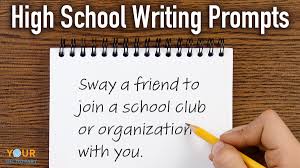
High School

Want Your High School Students to Be Problem Solvers?

Introduction

In today’s rapidly evolving world, problem-solving skills are more important than ever. It is crucial that high school students develop the ability to tackle complex issues and adapt to the challenges of modern society. Educators play a vital role in cultivating these skills in their students. The following strategies will help you foster problem-solving abilities in your high school classroom.

1. Establish a Culture of Inquiry

Fostering an atmosphere of curiosity, exploration, and inquiry is key to promoting problem-solving skills amongst high school students. Encourage students to ask questions, seek out answers independently, and collaborate with their peers to develop a deeper understanding of various subjects.

2. Integrate Problem-Based Learning (PBL)

PBL is an instructional approach that focuses on engaging students through real-world problems that require creative thinking and problem-solving skills. These can either be traditional academic problems or real-life issues the students might face in their community or daily lives. Integrating PBL into your curriculum not only promotes problem-solving skills but also enhances student engagement and motivation.

3. Encourage Collaboration and Teamwork

Solving complex problems often requires collaboration between individuals with diverse perspectives and skill sets. Develop group projects or assign tasks that require a cooperative effort, enabling your students to build critical teamwork skills and learn from each other.

4. Apply Cross-Disciplinary Learning

Encouraging cross-disciplinary learning exposes students to different ways of thinking, making them more adaptable problem solvers. Design projects where students have to combine knowledge from multiple disciplines in order to develop comprehensive solutions.

5. Teach Resilience and Persistence

Problem-solving won’t always come easy for your students – they might encounter roadblocks along the way. Help them learn resilience by encouraging them not to give up when faced with difficulties and assist them in identifying alternative approaches during challenging moments.

6. Provide Opportunities for Reflection

Reflection helps students critically analyze their actions and thought processes to improve their problem-solving skills. Encourage reflection in your classroom through journaling, group discussions, or one-on-one feedback sessions.

7. Leverage Technology

Incorporate technology as a tool to help students develop problem-solving skills. Offer guidance on how to search online for information, organize concepts using digital tools and collaborate with peers on projects using technology.

Conclusion

Developing problem-solving skills in high school students is crucial in preparing them for the future challenges they will face in academia and their professional lives. By creating an environment of curiosity, implementing PBL, promoting collaboration, encouraging cross-disciplinary learning, fostering resilience and persistence, providing opportunities for reflection and leveraging technology, educators can help their students become effective problem solvers, critical thinkers, and successful global citizens.

20 Fun English Activities for High School

1. Vocabulary Charades: Divide the class into two teams and have them act out vocabulary words for their teammates to guess. This helps students learn new words in an engaging and entertaining way.

2. Chain Storytelling: Have each student contribute a sentence or two to a collaborative story. This encourages creativity, teamwork, and helps improve writing skills.

3. Debate Club: Organize debates on various topics, allowing students to practice their speaking, listening, and critical thinking skills.

4. Poetry Slam: Host a poetry slam event where students can showcase their original poems or read their favorite pieces by established poets.

5. Book Club: Start a book club where students can discuss novels, short stories, or plays and share their thoughts and insights with fellow classmates.

6. Skits and Role-plays: Encourage students to write and perform short skits or role-plays, giving them an opportunity to improve their speaking and acting abilities.

7. Collaborative Dictionary: Have students work together to create a class dictionary of new or challenging words they have encountered in their reading.

8. Write Your Own Satire: Have students write satirical articles on current events or popular culture, helping them develop humor and critical thinking skills.

9. Movie Comparison: Watch film adaptations of books or plays and compare the differences between the two mediums.

10. Creative Writing Prompts: Provide students with daily creative writing prompts to help them develop their imagination and writing skills.

11. News Broadcasts: Assign groups of students different news topics and have them create mock news broadcasts for the class to watch.

12. Speech Tournament: Organize a speech tournament where students present on assigned topics, developing their public speaking abilities.

13. Literary Scavenger Hunt: Create a scavenger hunt using literary devices, themes, or motifs found within assigned readings as clues for the class to solve together.

14. Spelling Bee: Host a class spelling bee, allowing students to review and expand their vocabulary.

15. Group Presentations: Assign groups of students to research and present on various topics related to English language arts, such as famous authors, literary periods, or writing techniques.

16. Journal Exchange: Have students keep a journal for a week and then swap with classmates to read each other’s entries and give constructive feedback.

17. Writing Contests: Organize writing contests for short stories, essays, or poems and have students critique and vote for their favorites.

18. Diorama Projects: Have students create dioramas based on scenes from books or plays, incorporating visual arts into the English curriculum.

19. Grammar Jeopardy: Play a game of Grammar Jeopardy, quizzing students on parts of speech, punctuation, and sentence structure.

20. Themed Dress-Up Days: Celebrate literature by dressing up as favorite characters or authors, fostering enthusiasm and school spirit for English class.

Win a Wall Street Journal High School Package for Your Whole School

Introduction:

The Wall Street Journal, one of the world’s most renowned and respected news organizations, is offering an incredible opportunity for high schools across the nation. Enter the “Win a Wall Street Journal High School Package for Your Whole School” contest and give your school access to top-tier journalism, valuable resources, and ongoing educational support.

A Wealth of Knowledge at Your Fingertips:

Winning schools will receive a complete package that features digital access to The Wall Street Journal for every student and faculty member. This offers your entire community the chance to stay up-to-date on relevant news, explore countless topics, and gain valuable insights into the world around them.

Enhanced Educational Opportunities:

The Wall Street Journal High School Package doesn’t just stop with digital access. The package also includes supplementary educational materials curated by journalistic experts. These resources consist of lesson plans, discussion prompts, interactive quizzes, and in-depth articles designed specifically for high school classrooms, allowing educators to seamlessly integrate current events into their existing curriculum.

Engaging Events and Workshops:

In addition to the vast array of content available through this package, winning schools will also be granted access to exclusive events and workshops featuring notable WSJ journalists and industry experts. Engage with accomplished professionals to learn more about journalism, the economy, global politics, and other pressing issues, while providing students with a unique opportunity to network and gain valuable career insights.

How to Enter:

Participating in the “Win a Wall Street Journal High School Package for Your Whole School” contest is simple. Visit the official contest website, fill out the application form with accurate information about your school, including its history of academic achievements and extracurricular activities. Be sure to include a compelling essay describing why your school deserves this amazing opportunity.

Selection Process:

After reviewing all applications thoroughly, a panel of distinguished judges from The Wall Street Journal will select the winning school based on merit, uniqueness, and commitment to educational excellence. Stand out from the competition with genuine enthusiasm for this opportunity and demonstrate how winning would benefit your school’s culture as well as academic aspirations.

Conclusion:

Don’t miss out on this chance to elevate your high school’s educational offerings and foster a love for journalism and current events that will follow students throughout their lives. Apply now for the “Win a Wall Street Journal High School Package for Your Whole School” contest, and give your students the world-class education they deserve. The deadline is approaching fast, so act quickly!

35 Classic Party Games for Teens

Introduction

Parties are a great way for teens to blow off steam, socialize, and have fun with their friends. But a party isn’t complete without some engaging games that keep everyone entertained. Here’s a list of 35 teen party games that range from classic standbys to fresh new ideas that will make your next gathering unforgettable.

1. Musical Chairs

2. Charades

3. Two Truths and a Lie

4. Pictionary

5. Freeze Dance

6. Egg Toss

7. Capture the Flag

8. Mafia / Werewolf

9. Balloon Stomp

10. Blindfolded Makeup Challenge

11. Water Balloon Dodgeball

12. Scavenger Hunt

13. Flip Cup Relay

14. Limbo

15. Marshmallow Toss

16. Human Knot

17. Truth or Dare

18. Theme Costume Contest (e.g., ’80s, Superheroes)

19. Movie Trivia Night

20. Pass the Orange (using the neck and chin)

21. Triangle Tag (3-person tag game)

22. Fruit Roll-up Race (see who can eat one fastest)

23. Napkin Basketball (folding napkins into balls and shooting them into cups)

24. Heads Up! (from the app)

25. Spin the Bottle (keep it PG-rated!)

26. Broom Hockey (using balloons and brooms instead of pucks and sticks)

27. Karaoke Tournament

28. Bucket Ball Toss

29. Potato Sack Race

30. Rock Band/Guitar Hero Competition

31. Neon Glow Dance Party (with glow sticks)

32. Backwards Relay Race

33. Apple Bobbing Challenge

34. Build-a-Fort Party (using blankets, pillows, and cushions)

35. Tug-of-War

Conclusion

With these 35 exciting classic teen party games in your arsenal, you’ll be sure to keep everyone entertained and having a blast at your next gathering. Remember, you don’t need to include every game on this list; choose a few that suit your party size, theme, and space. Encourage everyone to participate and most importantly, have fun!

20+ Engineering Kits For High School Students

Introduction

Engineering kits have become an indispensable learning tool for high school students interested in engineering, robotics, and programming. They provide students with the opportunity to gain hands-on experience and help nurture their curiosity and creativity. With numerous options on the market, this article delves into 20+ popular engineering kits that are perfect for high school students.

1. Arduino Starter Kit – A comprehensive introduction to electronics and programming, the Arduino Starter Kit walks students through 15 projects to learn basic skills and is suited for various levels of expertise.

2. Snap Circuits Pro – Students can build over 500 electronic projects with this all-in-one kit, ranging from simple LED circuits to complex FM radios.

3. LEGO Mindstorms EV3 – This customizable robotic kit allows students to explore STEM concepts while building robots that can walk, talk, or even play games.

4. VEX Robotics Ball Machines – VEX provides a series of ball machine kits that challenge students to design and assemble elaborate contraptions to move balls around exciting obstacle courses.

5. littleBits STEAM Student Set – A highly versatile kit, littleBits allows students to invent anything while grasping STEAM concepts such as prototyping and collaboration.

6. ELEGOO UNO Project Super Starter Kit – From electronic components to detailed tutorials, this kit is perfect for diving into the world of Arduino microcontrollers.

7. Makeblock mBot Ranger – This 3-in-1 robotics kit allows learners to build different types of robots while learning about construction, programming, and problem-solving.

8. Raspberry Pi 4 Model B+ Starter Kit – An ideal way for beginners to get started with Raspberry Pi’s world of possibilities, from creating a retro gaming console to controlling home automation systems.

9. Thames & Kosmos Geckobot Wall Climbing Robot Kit – Packed with STEM lessons, this kit lets students build a gravity-defying robot capable of climbing smooth surfaces.

10. Solar-Powered Rovers Kit – This environmentally friendly option teaches students about solar energy while building five different types of rovers.

11. Robolink CoDrone Pro – A quadcopter drone that can be programmed to perform aerial tricks, the CoDrone Pro is perfect for those interested in the software side of engineering.

12. MEL Chemistry Subscription Box – Exploring chemical reactions and fuel cells, these subscription kits offer hands-on experiments for high school students looking to gain chemistry experience.

13. SparkFun Inventor’s Kit – With 16 different circuits, this beginner-friendly kit dives into programming with Arduino and provides students with a versatile understanding of electronics.

14. Piper Computer Kit – Students learn programming by building their own working computer with a Raspberry Pi, screen, and various cables in this hands-on kit.

15. Electronics Exploration Kit by EEME – Designed for teenagers, this well-organized kit covers everything from building simple circuits to working with microcontrollers.

16. Kano Coding Wand – The Harry Potter-themed coding wand enables students to learn coding while creating magical spells using Kano’s app-based interface.

17. Tinkering Labs Electric Motors Catalyst – Posed as challenges rather than specific projects, this kit encourages students to think like engineers across numerous vehicle-building exercises.

18. Grove Zero Starter Kit – A set of programmable magnetic modules that teach coding concepts through various projects that challenge high schoolers’ problem-solving skills.

19. Parallax Boe-Bot Robot Kit – A straightforward way to explore robotics, programming, and electronic circuit building concepts without the need for prior expertise.

20. Elenco AmeriKit Learn to Solder Kit – This entry-level soldering kit provides a solid foundation for students.

45 8th Grade Engineering Projects To Prepare For High School

As students approach the transition from middle school to high school, it’s important to expose them to engineering projects that will spark their curiosity and set the foundation for future success. This list features 45 engineering projects suitable for 8th-graders, which will cultivate critical thinking and problem-solving skills. These projects are aimed at helping students delve deeper into various fields of engineering and further develop interests in high school courses.

1. Building a Mini Catapult

2. Creating a Simple Electric Motor

3. Designing a Wind Turbine Model

4. Crafting an Egg Drop Protection Device

5. Building a Solar Oven

6. Designing an Earthquake-Resistant Building

7. Creating a Water Filtration System

8. Constructing Paper Bridges

9. Programming an Arduino-Based Robot

10. Developing a Model Hovercraft

11. Designing a CO2-Powered Car

12. Constructing a Mini Greenhouse

13. Launching Water Rockets

14. Crafting Bristlebots

15. Building Cardboard Marble Mazes

16. Designing Homemade Musical Instruments

17. Creating LED Flashlights

18. Constructing Hand-Crank Generators

19. Miniature Biogas Plant Project

20. Penny Boat Challenge

21. Exploring Parachute Designs

22. Investigating the Archimedes Screw Pump

23. Creating and Testing Insulated Drink Containers

24. Modeling Holograms with Smartphone-Projected Images

25. Building Popsicle Stick Bridges

26. Conducting Solar Water Purification Experiments

27. Verifying the Bernoulli Equation with DIY Open Channel Flow Experiments

28. Interlocking Eco Bricks for Waste Management Solutions

29. Rube Goldberg Machine Challenge

30. Sustainable Wildlife Habitat Design Project

31. Eco-Friendly Lawn Sprinkler System Design

32. Exploring Hydropower with Waterwheel Construction

33. Designing Wave Energy Generators

34. PDMS-Based Soft Robotic Gripper Challenge

35. Edible Car Design Contest

36. Magnetic Levitation Train Model

37. Wearable Technology Fashion Show

38. Chemically-Driven Radiators with Thermoelectric Cooling Experiments

39. Geodesic Dome Construction

40. Design and Build a Foosball Table

41. Rainwater Collection System Design Project

42. Automated Plant Watering System with Arduino

43. Design of Gravity-Powered Machines

44. Assembling DIY Battery Storage Systems

45. Thermal Insulation Material Challenge

These 45 engineering projects encompass a wide range of disciplines, such as mechanical, electrical, civil, environmental, and materials engineering. They emphasize real-world applications and encourage students to explore new concepts. Encouraging young learners to participate in these exciting, hands-on engineering projects will better prepare them for what awaits in high school and beyond.

Teaching High School English Is the Best Gig Ever. Here’s Why.

Introduction:

There is a saying that if you do what you love, you’ll never work a day in your life. Teaching high school English is not just a job; it’s a constantly evolving, dynamic experience that can be both fulfilling and exciting. For many educators, it is the best gig ever, and there are plenty of reasons why.

1. Impacting Young Lives:

Being a high school English teacher allows you to make a substantial impact on students’ lives. You become an integral part of their personal development, helping them grow into well-rounded individuals with critical thinking skills necessary for success in life. Your passion for literature and language can ignite curiosity and the love for learning in your students, shaping their futures.

2. Nurturing Creativity:

English class offers students the opportunity to explore their creativity through reading, writing, speaking, and listening activities. You can guide students in developing unique voices and perspectives as they engage with various forms of literature or create original pieces inspired by the texts they’ve studied.

3. Encouraging Inclusive Dialogue:

As an English teacher, you have the chance to foster conversations around diversity and inclusion through literature from different cultures, historical periods, and perspectives. These discussions teach critical thinking skills while also encouraging empathy and social awareness among students.

4. Professional Growth Opportunities:

Teaching high school English is not a stagnant career; it offers various opportunities for growth and development as an educator. Teachers can participate in professional organizations like the National Council of Teachers of English (NCTE) or attend conferences to exchange ideas with colleagues and stay up-to-date with recent trends.

5. Engaging with Timeless Literature:

Being an English teacher means regularly diving into some of the world’s greatest literary works – classics like Shakespeare’s plays or modern masterpieces like Harper Lee’s “To Kill A Mockingbird.” These experiences not only enrich your understanding of human nature and but endow you with the privilege of sharing these narratives with students.

6. Variety in the Classroom:

Teachers often say that no two days are alike in the classroom. Each day brings novelty as you engage students with diverse activities, such as analyzing poems, debating themes in novels, or studying persuasive writing techniques. Your job is continuously dynamic and filled with challenges to tackle, ensuring that it is never monotonous.

7. Building Lasting Relationships:

As a high school English teacher, you have the opportunity to build lasting relationships with students, particularly as they mature through their high school years. Many teachers find satisfaction in helping students achieve their goals or fostering their transition from adolescents to young adults.

8. Life-Long Learning:

Teaching is also continuous learning – you’ll constantly be refining your instructional approaches and discovering new ways to motivate and engage your students. This aspect of teaching provides personal enrichment as you stay curious and cultivate your growth mindset.

Conclusion:

Teaching high school English is a rewarding career choice for educators who are passionate about literature, language, and molding young minds. The unique opportunities to impact lives creatively, nurture inclusivity and growth, ensure that every day becomes a fulfilling experience. Indeed, teaching high school English truly is the best gig ever!

High School Literature Discussion Questions and Writing Prompts

Literature forms an essential part of a high school education, helping students develop critical thinking, empathy, and communication skills. Engaging in literature discussions and writing prompts is crucial for fostering these abilities and stimulating intellectual growth. This article highlights the importance of discussion questions and writing prompts in high school literature classes and provides some examples to integrate into your curriculum.

Literature discussions enable students to think deeply about the text, challenge their assumptions, and share their perspectives with their peers. These conversations foster a deeper understanding of the material, as well as build vital interpersonal skills. Discussion questions serve as fantastic starting points for such interactions. Here are five thought-provoking questions applicable to a wide range of texts:

1. How does the author use symbolism, imagery, or other literary devices to convey the theme or message?

2. Which character undergoes the most significant change throughout the story? How do their actions affect other characters or the overall plot arc?

3. How does the setting contribute to the atmosphere, tone, or theme of the story? Would a different setting impact the narrative significantly?

4. What are some potential motivations for a character’s behavior? Discuss at least two different interpretations.

5. How do social and cultural factors influence the characters’ actions, beliefs, or decisions?

In addition to discussion questions, writing prompts offer students an opportunity to creatively explore themes and ideas from class texts via written responses. Writing prompts challenge students to think critically about course material while also improving writing skills – an invaluable asset for academic success. The following five prompts can be adapted for various literary works:

1. Create an alternative ending for the story that aligns with its central theme but alters the outcome or consequences experienced by main characters.

2. Choose a key scene from the book and retell it from another character’s perspective. How does this change your understanding of that character’s motivations?

3. Think of an object or symbol that holds significance for one of the characters. Write a descriptive passage in which this object plays a central role, conveying its emotional or thematic importance.

4. Select a quote from the book that resonated deeply with you. Incorporate it into an essay that analyzes its relevance and implications concerning the story’s broader themes.

5. Write a letter from one character to another, discussing a pivotal decision or moment within the text, revealing their insights, reflections, and emotions.

Integrating discussion questions and writing prompts in high school literature classes not only deepens students’ understanding of texts but also equips them with essential analytical and communication skills for future academic endeavors. By encouraging open dialogue and creative written expressions, educators help mold insightful, empathetic individuals capable of engaging with complex ideas in the world around them.

Best Instant Pot Recipes You Can Make on a School Night

Introduction

Busy school nights can be a challenge for families, especially when it comes to preparing healthy and delicious dinners. But worry not: the Instant Pot is here to save the day! With its ability to cook meals quickly and with minimal fuss, this handy appliance has become a favorite among busy parents. In this article, we will explore the best Instant Pot recipes you can make on a school night, ensuring a delightful and wholesome dining experience for your family.

1. Chicken Tortilla Soup

A classic Mexican dish, Chicken Tortilla Soup is perfect for Instant Pot newbies as it requires minimal prep work. Simply add chicken, diced tomatoes, black beans, corn, onion, garlic, and spices like cumin and chili powder into your Instant Pot. Cook on high pressure for 20 minutes before doing a quick release. Add some tortilla strips or crushed tortilla chips to each serving for that extra crunch!

2. Instant Pot Meatballs

Meatballs are always a hit with kids! Combine ground beef, breadcrumbs, egg, Parmesan cheese, and Italian seasoning before forming into balls and placing them in your Instant Pot’s trivet or steamer basket. Pour 1 cup of marinara sauce over the meatballs and cook for 10 minutes under high pressure. Serve over spaghetti or on sub rolls.

3. Vegetarian Lentil Chili

For a vegetarian option that’s packed with protein and flavor, try this Lentil Chili recipe. Combine green lentils with diced tomatoes, vegetable broth, onion, garlic, bell pepper, corn, and a flavorful blend of spices including cumin and smoked paprika in your Instant Pot. Cook on high pressure for 15 minutes before allowing for natural pressure release. Garnish with avocado slices and freshly chopped cilantro.

4. Chicken Fried Rice

An Asian-inspired crowd-pleaser that comes together in no time, Chicken Fried Rice is perfect for busy weeknight dinners. Sauté chicken, garlic, onion, and carrots in your Instant Pot before adding in rice and chicken broth. Once the rice is cooked, quickly stir in frozen peas and soy sauce. Finish it off with scrambled eggs and green onions stirred into the delicious mixture.

5. Instant Pot Beef Stroganoff

Upgrade your school night dinner with a rich and creamy Beef Stroganoff! Brown beef stew meat and onion in your Instant Pot before adding beef broth, Worcestershire sauce, salt, pepper, and cooked egg noodles. Seal the pot and cook at high pressure for 15 minutes before doing a quick release. Stir together sour cream and cornstarch and add to the pot to create a thick sauce that coats each noodle perfectly!

Conclusion

The Instant Pot is undoubtedly a time-saving tool for every busy household looking to whip up delicious meals on hectic school nights. So grab your handy gadget and get cooking with these best Instant Pot recipes that will make your family look forward to coming together around the dinner table each evening!

5 Books About World War II for High School Students

World War II was a time of great global conflict and suffering, but it is also a period that evokes many inspiring stories of courage, resilience, and survival. These five books introduce high school students to different facets of World War II, from the front lines to the human experiences behind the scenes. These narratives teach young readers not only about the historical significance of the era but also about its impact on those who lived through it.

1. The Book Thief by Markus Zusak

The Book Thief is a profoundly moving tale that takes place in Nazi Germany and centers around Liesel Meminger, a girl who finds comfort in stolen books during the days of war. As she deals with loss and navigates her tumultuous relationships with her foster family and friends, Liesel finds solace in the power of words. This internationally acclaimed novel explores the nature of humanity while offering crucial insight into life in Nazi Germany.

2. Night by Elie Wiesel

Night is a poignant memoir written by Holocaust survivor Elie Wiesel, chronicling his harrowing experiences as a teenager sent to Auschwitz and Buchenwald concentration camps with his father. This powerful book captures Wiesel’s personal journey as he grapples with faith and hope amid darkness and despair while providing a sobering insight into one of history’s darkest periods.

3. Code Talker: A Novel About the Navajo Marines of World War Two by Joseph Bruchac

This historical fiction book by Joseph Bruchac highlights the incredible contribution of Navajo Marines during World War II. It tells the story of sixteen-year-old Ned Begay and his peers who are trained as “code talkers” using their native language to communicate encrypted messages for the US military. This novel illuminates an important yet lesser-known aspect of the war effort.

4. Between Shades of Gray by Ruta Sepetys

Between Shades of Gray is an emotionally charged novel that follows the heart-wrenching journey of 15-year-old Lina Vilkas and her family as they are forcibly deported from Lithuania to Siberia by the Soviet Union during World War II. Through Lina’s eyes, readers gain a unique perspective on the atrocities faced by those living under Stalin’s regime.

5. Soldier X by Don L. Wulffson

This gripping tale follows Erik Brandt, a 16-year-old German soldier, as he is thrust into the harsh reality of war during World War II. Set in 1944 and written in journal format, Soldier X explores themes of loyalty and survival in a world where personal beliefs are swept away by the tide of history.

These five books offer high school students a chance to explore World War II through various lenses – from the intensity of concentration camps to the courageous acts of everyday people. With their compelling storylines and thought-provoking themes, these novels can lead young readers to important discussions about ethics, identity, and humanity amid war and conflict.