Kid Friendly Activity and Vacation Ideas

Slow Travel: The Art of Mindful Exploration

In 2025, as a counterpoint to the fast-paced, technology-driven trends in travel, there’s a growing movement embracing the concept of “slow .” This approach emphasizes quality over quantity, encouraging travelers to spend more time in fewer places and to fully immerse themselves in local cultures and environments.travel

Extended stays in a single location are becoming more common. Rather than trying to see an entire country in a week, travelers are opting to spend a month or more in one city or region. This allows for a deeper connection with the local community and a more authentic experience of daily life in the destination.

“Slow transportation” is a key part of this trend. Travelers are opting for scenic train journeys, leisurely bike tours, or even walking pilgrimages. The journey itself becomes a central part of the travel experience, rather than just a means to reach a destination.

Digital detox elements are often incorporated into slow travel experiences. Some tours offer “tech-free” days or stays in locations with limited connectivity, encouraging travelers to disconnect from their devices and connect more deeply with their surroundings and travel companions.

Slow food experiences are an integral part of this travel style. Travelers participate in cooking classes using local ingredients, visit small-scale producers, and enjoy long, leisurely meals. The emphasis is on understanding and appreciating local food cultures rather than just consuming them.

Mindfulness and meditation are often woven into slow travel itineraries. This might include stays in monasteries, participation in traditional tea ceremonies, or guided mindfulness walks in nature.

Volunteering and community engagement are also common in slow travel. By staying in one place for an extended period, travelers have the opportunity to contribute meaningfully to local projects and build real relationships with community members.

As we look to 2025, expect the slow travel movement to grow, offering an antidote to the frenetic pace of modern life and a way to travel that prioritizes depth of experience over breadth of coverage.

Extreme Adventure: Pushing the Limits

As we enter 2025, the definition of “adventure travel” has been pushed to new extremes. For thrill-seekers and adrenaline junkies, vacation options now include experiences that were once the realm of professional explorers and elite athletes.

Space walks have become the ultimate extreme adventure. While space tourism is growing, a select few are now able to experience spacewalks outside of orbiting hotels or space stations. These extra-vehicular activities offer the most exclusive and adrenaline-pumping views of Earth imaginable.

Deep sea tourism is reaching new depths. Submarines capable of reaching the bottom of the Mariana Trench are now available for tourist expeditions. These journeys to the deepest part of the ocean offer a glimpse of bizarre life forms and otherworldly landscapes.

For those who prefer to stay on (or above) the ground, wingsuit flying tours are gaining popularity. After extensive training, participants can fly through spectacular landscapes like the fjords of Norway or the canyons of Arizona.

Climate change has opened up new, albeit controversial, adventure opportunities. “Last chance” tours to disappearing environments are in high demand. These might include trips to see the last remaining glaciers, visits to low-lying islands threatened by rising sea levels, or expeditions to observe endangered species in their natural habitats.

For a different kind of extreme, survival vacations are pushing people to their limits. These experiences drop participants into challenging environments – from deserts to arctic tundra – with minimal supplies, testing their ability to survive in the wild.

Virtual reality is also catering to the extreme adventure market. For those unable to participate in physical extreme sports, ultra-realistic VR experiences can simulate the adrenaline rush of base jumping, big wave surfing, or free solo climbing.

As we move into 2025, expect the world of extreme adventure travel to continue pushing the boundaries of what’s possible, offering ever more thrilling and exclusive experiences for those seeking the ultimate adrenaline rush.

Educational Odysseys: Learning on the Go

In 2025, the concept of educational travel has been revolutionized. No longer limited to student exchanges or language immersion programs, educational vacations now cater to learners of all ages and interests, combining leisure with intensive learning experiences.

“Skill acquisition” vacations are on the rise. These trips focus on mastering a specific skill in an appropriate setting. For example, you might learn traditional pottery techniques in Japan, study Renaissance art restoration in Italy, or take a crash course in blockchain technology in Singapore.

Universities and colleges are partnering with travel companies to offer “micro-degree” vacations. These programs allow travelers to earn certified credits or even complete short qualifications while exploring a new destination. Imagine studying marine biology while island-hopping in the Galapagos, or learning about renewable energy technologies while touring cutting-edge facilities in Denmark.

Virtual and augmented reality are enhancing historical and cultural education. Visitors to ancient sites can use AR glasses to see reconstructions of ruins in their original glory, or experience historical events as if they were there. Some tours offer “time travel” experiences, using VR to transport visitors to different eras in the location they’re visiting.

For those interested in scientific endeavors, “citizen science” expeditions are gaining popularity. These trips allow travelers to contribute to real research projects, whether it’s tracking wildlife in the Serengeti, collecting data on coral reefs in the Caribbean, or participating in archaeological digs in the Middle East.

Language learning vacations have evolved beyond traditional immersion. Now, AI-powered translation earbuds allow for real-time translation, while still helping users learn. The technology adjusts over time, gradually translating less and less as the user’s language skills improve.

As we look to 2025, expect educational travel to become more interactive, personalized, and tech-enhanced. These trips offer the opportunity not just to see the world, but to gain valuable knowledge and skills along the way.

Ancestry Travel: Connecting with Your Roots

In 2025, ancestry travel has become one of the fastest-growing sectors in the tourism industry. Advances in DNA testing and genealogy research have made it easier than ever for people to trace their family histories, leading to a surge in trips designed to help travelers connect with their ancestral roots.

Personalized heritage tours are now commonplace. These trips use your genetic and genealogical information to create tailored itineraries that take you to the specific villages, towns, or even buildings where your ancestors lived. Some tour operators even offer the chance to meet distant relatives who still live in your ancestral homeland.

Virtual reality is playing a significant role in enhancing these experiences. Before or during your physical trip, you can use VR to see how your ancestral hometown looked in different historical periods, providing a deeper connection to your family’s past.

DNA theme parks are a novel development in ancestry tourism. These attractions offer immersive experiences based on your genetic heritage, with areas representing different global regions and time periods. Visitors can engage in activities, try foods, and learn skills that their ancestors might have experienced.

Language learning is often integrated into ancestry trips. Whether through intensive courses or AI-powered real-time translation devices, travelers are able to communicate in their ancestral tongue, deepening their connection to their heritage.

Genealogy cruises have also gained popularity. These floating conferences combine genealogy workshops and DNA testing with visits to various ports of ancestral significance. Experts on board help passengers dive deep into their family histories between port calls.

As we move into 2025, expect ancestry travel to become more technologically advanced and personalized. These journeys offer more than just a vacation – they provide a profound sense of identity and connection to one’s personal history.

Culinary Tourism: Beyond Farm-to-Table

In 2025, culinary tourism has evolved into a multi-sensory adventure that goes far beyond simply tasting local cuisines. The farm-to-table concept has expanded into immersive experiences that connect travelers with the entire food production process.

“Seed-to-plate” tours are gaining popularity, where visitors participate in every step of the food journey. These tours might involve planting and harvesting crops, learning traditional preservation techniques, and finally preparing and enjoying a meal. This hands-on approach provides a deeper appreciation for local food cultures and sustainable farming practices.

Molecular gastronomy experiences are also on the rise. Restaurants and cooking schools are offering workshops where travelers can learn about the science behind cooking and try their hand at creating visually stunning and flavor-packed dishes using techniques like spherification, foams, and liquid nitrogen cooking.

Virtual reality is making its way into the culinary world too. Some restaurants are offering VR experiences that transport diners to the origin of their meal – imagine enjoying sushi while virtually sitting on a Japanese fishing boat, or sipping wine while virtually strolling through the vineyard where the grapes were grown.

Foraging expeditions are becoming increasingly sophisticated. Guided by experts using AI-powered apps to ensure safe and sustainable foraging, travelers can learn to identify edible plants, mushrooms, and even insects in various ecosystems.

The concept of “zero-waste” cooking is central to many culinary tours in 2025. Travelers learn techniques for using every part of an ingredient, contributing to sustainability efforts while discovering new flavors and textures.

As we look to 2025, expect culinary tourism to offer more interactive, educational, and technologically enhanced experiences. These trips will not only satisfy your taste buds but also provide a deeper understanding of global food systems and inspire more sustainable eating habits.

Wellness Retreats 2.0: Holistic Health Vacations

In 2025, wellness tourism has evolved far beyond spa treatments and yoga retreats. The new wave of wellness vacations focuses on holistic health, combining cutting-edge medical technology with traditional healing practices and personalized programs.

DNA-based wellness retreats are gaining popularity. These vacations start with a genetic analysis to create a tailored program addressing your specific health needs and predispositions. From personalized meal plans to customized fitness regimens and targeted spa treatments, every aspect of your stay is optimized for your unique genetic makeup.

Mental health is a key focus, with many retreats offering intensive mindfulness programs, stress reduction therapies, and even psychedelic-assisted treatments in countries where it’s legal and regulated. Virtual reality is being used for immersive meditation experiences and exposure therapy.

Sleep tourism is another growing trend. Hotels are investing in advanced sleep technology, offering rooms with customizable atmospheres, including controllable light spectrums, sound environments, and even gravity blankets. Some retreats focus entirely on diagnosing and treating sleep disorders.

Longevity retreats, promising to help extend your lifespan and improve your healthspan, are attracting those looking to invest in their long-term health. These programs often include telomere testing, personalized supplement regimens, and education on lifestyle changes for longevity.

Nature immersion programs are also on the rise, based on the growing body of research on the health benefits of spending time in natural environments. Forest bathing retreats, wilderness survival courses, and “blue health” vacations focusing on water-based healing are all gaining traction.

As we move into 2025, expect to see wellness vacations that are more science-based, personalized, and holistic than ever before. These trips aren’t just about relaxation – they’re about investing in your long-term health and returning home with knowledge and habits that can transform your life.

Space Tourism: The Final Frontier

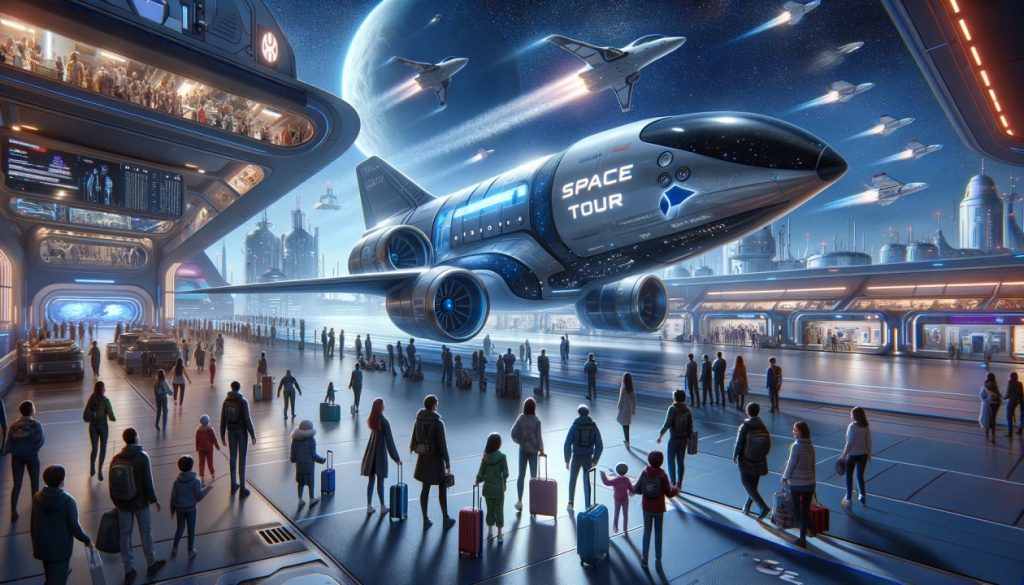
2025 marks a pivotal year in the history of travel as space tourism becomes a reality for a broader segment of the population. While still a luxury experience, advancements in technology and increased competition among private space companies have made orbital and suborbital flights more accessible than ever before.

Several companies are now offering short suborbital flights, providing passengers with breathtaking views of the Earth’s curvature and a few minutes of weightlessness. These flights, lasting only a few hours, are becoming popular for special occasions and once-in-a-lifetime experiences.

For those seeking a more immersive experience, orbital hotels are the next big thing. These floating resorts offer multi-day stays in low Earth orbit, complete with specialized cuisine, unique recreational activities, and unparalleled views of our home planet.

The impact of space tourism extends beyond just the experience itself. It’s inspiring a new generation of scientists and engineers, driving technological innovations that have applications on Earth, and changing our perspective on our planet and its place in the universe.

However, this new frontier of tourism also brings challenges. Questions of environmental impact, space debris, and equitable access are at the forefront of discussions. The industry is working on developing sustainable practices, such as reusable rockets and space cleanup initiatives.

As we venture into 2025, expect to see more diverse space tourism offerings, from lunar flybys to specialized photography tours capturing Earth from above. While not everyone will have the opportunity to become a space tourist, the industry’s growth is sure to captivate our collective imagination and push the boundaries of what we consider possible in travel.

Eco-Friendly Adventures: The New Normal

In 2025, sustainable travel is no longer just a niche market – it’s the expectation. With increasing awareness of climate change and environmental issues, travelers are demanding eco-friendly options for their vacations, and the industry is responding in innovative ways.

Carbon-neutral resorts are becoming the norm, utilizing renewable energy sources and implementing rigorous recycling and waste reduction programs. Many hotels are going beyond sustainability to actively contribute to environmental restoration, with on-site organic farms, reforestation projects, and coral reef regeneration programs.

Transportation is also seeing a green revolution. Electric and hydrogen-powered aircraft are beginning to enter commercial service for short-haul flights, while high-speed rail networks are expanding to offer attractive alternatives to flying. For road trips, a growing network of electric vehicle charging stations is making eco-friendly road trips more feasible than ever.

Tour operators are focusing on low-impact adventures that allow travelers to connect with nature without damaging it. Think silent safaris in electric vehicles, kayaking trips that double as plastic clean-up expeditions, or hiking tours that contribute to trail maintenance and wildlife conservation.

Travelers themselves are embracing new ways to reduce their impact. “Slow travel” is gaining popularity, with people choosing to spend more time in fewer destinations, really immersing themselves in local cultures and reducing the emissions associated with frequent movement.

As we look to 2025, the most exciting vacations will be those that not only minimize environmental impact but actively contribute to the health of our planet. The era of guilt-free travel is here, and it’s set to transform the way we explore our world.

The Rise of Virtual Reality Vacations

As technology continues to advance at a rapid pace, 2025 is set to be the year when virtual reality (VR) vacations truly take off. With the development of more sophisticated VR hardware and software, travelers can now experience exotic destinations from the comfort of their own homes.

These immersive experiences offer a unique blend of convenience and adventure. Imagine exploring the streets of ancient Rome, diving into the Great Barrier Reef, or even taking a walk on the surface of Mars – all without leaving your living room. VR vacations are not only cost-effective but also environmentally friendly, reducing the carbon footprint associated with traditional travel.

However, the rise of VR vacations doesn’t mean the end of physical travel. Instead, it’s creating a new category of vacation experiences. Many travelers are using VR as a way to “try before they buy,” exploring destinations virtually before deciding where to go in person. This trend is also making travel more accessible to those with physical limitations or tight schedules.

Travel companies are quickly adapting to this trend, offering packages that combine virtual and physical experiences. For example, you might take a virtual tour of a city to plan your itinerary, then visit in person with a customized plan based on your virtual experience.

As we move into 2025, expect to see more innovation in this space, with multi-sensory experiences that engage not just sight and sound, but also touch and smell, making virtual vacations increasingly indistinguishable from the real thing.

25 Hoot-larious Animal Jokes for Kids

Introduction:

Get ready for a wild comedy safari where laughter roams free and giggles are guaranteed! We’ve gathered the best animal jokes from the depths of the jungle, vast savannahs, and the endless ocean blue to entertain your little ones. So, let’s unleash our 25 hoot-larious animal jokes for kids that will leave them roaring with laughter.

1. Why are frogs so happy?

– Because they eat whatever bugs them.

2. Why did the cow go to outer space?

– To see the moooon!

3. What do you call a dinosaur with an extensive vocabulary?

– A thesaurus.

4. What do you get when you cross a snake and a pie?

– A python.

5. Why was the cat sitting on the computer?

– It wanted to keep an eye on the mouse.

6. Why don’t elephants use computers?

– They’re afraid of the mouse.

7. What do you get when you cross an alligator and a detective?

– An investi-gator.

8. What is a whale’s favorite game?

– Swallow the leader.

9. How does a lion greet other animals?

– “Pleased to eat you.”

10. How are lions and dogs alike?

– Both should be kept away from your mailman.

11. What’s black and white and red all over?

– A sunburned zebra.

12. What did one wall say to another?

– “I’ll meet you at the corner!”

13. What goes tick-tock, woof-woof?

– A watchdog!

14. How do you catch a squirrel?

– Climb a tree and act like a nut!

15. What do you call a snake that builds things?

– A boa constructor.

16. Why did the scarecrow win an award?

– Because he was outstanding in his field!

17. What do you get when you mix a sheep and a kangaroo?

– A woolly jumper!

18. What do you call a sheep with no legs?

– A cloud.

19. What’s a lion’s favorite State?

– Maine

20. What do cows read in the morning?

– The moos-paper.

21. How do bees brush their hair?

– With a honey-comb.

22. How did the octopus make the basketball team?

– With its ten-tickles.

23. What animal can jump higher than a house?

– Any animal, because houses can’t jump.

24. What kind of key opens a banana?

– A monkey!

25. Why couldn’t the pony sing in the choir?

– Because she was a little horse.

Conclusion:

These 25 hoot-larious animal jokes are perfect for kids who love wildlife, laughter, and endless entertainment! Remember to share them on your next family adventure, and let’s make the world a little brighter, one giggle at a time.