Language Learning Tech

Australian Sign Language for Kids — A Video Introduction to Auslan

As the world becomes increasingly inclusive, the importance of understanding and appreciating diverse modes of communication has never been greater. One such beautiful form of expression is Australian Sign Language, also known as Auslan. This indigenous language of the Deaf community in Australia is not only a medium of communication but also an integral part of national cultural heritage.

Engaging children with Auslan at an early age can offer numerous benefits, just as learning any additional language would. For kids especially, it promotes cognitive development, enhances creativity, and encourages empathy and inclusivity. With these significant advantages in mind, it is pivotal to have resources such as a video introduction to Auslan that are tailored to young learners.

This video guide on Australian Sign Language for Kids aims to provide an accessible and enjoyable entry point into Auslan. It is not only educational but also fun and interactive, ensuring that children remain captivated while they learn.

The video begins with a warm greeting from an animated character who serves as the children’s guide throughout their Auslan journey. The character explains that like spoken languages, sign languages are different all over the world. They emphasize how special Auslan is to Australia and its Deaf community.

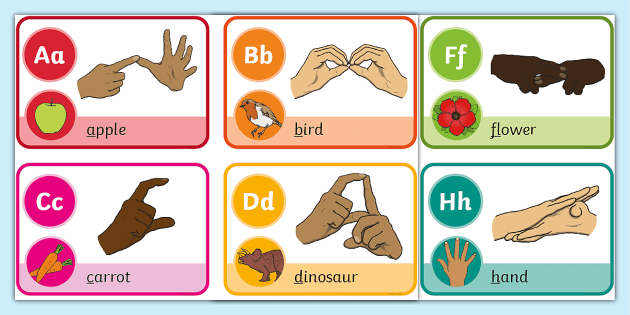
It offers a colorful backdrop for each new sign introduced, along with vibrant animations that help to illustrate the word’s meaning. For instance, when teaching the sign for “kangaroo,” the video shows both the hand shapes needed and an animated kangaroo hopping across the screen.

The guide ensures clarity by breaking down each sign into simple steps – showing how to position hands and fingers correctly – making it easy for kids to mimic accurately. Also included are fun facts about each sign and its background within Australian culture which keeps young viewers engaged.

Sound effects and cheerful music accompany each section of the tutorial, turning learning into an exciting game. To reinforce memory retention, there’s even a “Sign-Along” song at the end of each instructional segment where kids can practice what they’ve learned through a catchy tune.

Furthermore, for better understanding and inclusive learning, body language and facial expressions, vital components of effective sign language communication, are given prominence alongside hand signs.

Finally, the video acknowledges that mastering a new language takes time and patience. It encourages practice and provides tips on how children can continue learning Auslan outside of watching the video—for example by meeting people who are Deaf or hard of hearing or by using online resources and apps dedicated to Auslan learning.

This interactive guide stands out as the perfect starter kit for any child eager to embark on a linguistic adventure while embracing diversity. It sets forth a foundation promoting connectivity in Australia’s varied community tapestry by shedding light on this crucial yet often overlooked means of dialoguing—a treasure waiting to be discovered by young minds countrywide.


Is Grammarly Premium Worth It for Teachers

In today’s fast-paced digital world, written communication plays a crucial role in education. Teachers, in particular, rely on it to effectively deliver instructions, provide feedback on student work, and maintain correspondence with parents and colleagues. With the increasing reliance on online communication, the need for efficient writing tools has never been greater. Enter Grammarly Premium, a popular grammar checker designed to enhance writing and communication skills. But is it worth the investment for teachers? Let’s examine some factors to help you decide.

1. Time-Saving Features

Grammarly Premium far exceeds basic grammar and spell check solutions by offering advanced features such as context-specific writing insights, vocabulary enhancement suggestions, and plagiarism detection. These features save valuable time that might otherwise be spent meticulously proofreading content and searching for issues or inconsistencies.

2. Consistent Feedback and Evaluation

One of Grammarly Premium’s most significant benefits is its ability to act as a consistent evaluator of your writing across platforms like Word documents, emails, or social media posts. This consistency ensures that students receive equally high-quality feedback regardless of where you communicate with them.

3. Enhanced Vocabulary Suggestions

Grammarly Premium goes beyond correcting your grammar; it also offers word choice suggestions to improve clarity and readability. This feature helps teachers convey their messages effectively while simultaneously modeling good writing habits for their students.

4. Plagiarism Detection Tool

In academic settings, maintaining content integrity is critical. The built-in plagiarism detection feature within Grammarly Premium cross-checks your writing against an extensive database of web pages and academic papers to help ensure authenticity. This can be indispensable in helping teachers identify instances of plagiarism in student work.

5. Professional Development

As educators, it is essential to constantly strive for personal improvement and professional development. Grammarly Premium helps in this regard by providing insights into one’s writing patterns, allowing teachers to identify areas where they can improve their written communication. This self-improvement aspect can extend beyond the classroom, benefiting teachers in any professional communication they engage in.

6. Cost Considerations

Grammarly Premium’s cost might be a barrier for some teachers, as individual subscriptions start at $29.95 per month or $139.95 per year (if billed annually). However, there are occasional discounts and deals that make it more affordable. Moreover, when considering the potential long-term benefits such as improved communication and time-saving features, many may deem the investment worthwhile.

In conclusion, Grammarly Premium offers numerous benefits to educators that can positively impact their written communication, instructional efficiency, and professional development. While teachers should weigh the cost against their individual needs and priorities before subscribing, it’s evident that Grammarly Premium can be a valuable tool for many in the education sector.

Conversational Comic Strips for Language Practice

Introduction:

Language learning has always been a significant part of personal and professional development. With several techniques available, finding the most effective method tailored to individual needs can be challenging. Among these approaches, conversational comic strips stand out as a unique and entertaining way to practice language skills. In this article, we will explore the advantages and applications of conversational comic strips in honing one’s linguistic abilities.

The Power of Conversational Comic Strips:

Comics are universally loved for their ability to blend visual storytelling with the written word. By coupling these elements with language practice, learners can benefit from both contextual understanding and sentence construction. Here are a few advantages of using conversational comic strips for language learning:

1. Engaging Visuals: Imagery enhances learners’ memory retention by providing context to the written text and making it more relatable.

2. Authentic Conversations: Comics often provide real-life scenarios where characters use colloquial language, slang, and idioms, helping learners understand native speech patterns.

3. Grammar Reinforcement: Conversational comic strips expose learners to various sentence structures and verb tenses that support grammar retention.

4. Fun & Entertaining: Learning through comics ensures a light-hearted approach that keeps students engaged, motivated, and eager to progress.

Applying Conversational Comic Strips in Language Practice:

Now that we understand the benefits of using comic strips for language learning let’s discuss the ways to integrate them into your study routine.

1. Start with Simple Comics: Choosing simple comics with basic dialogue is an excellent way for beginners to acclimate themselves with the new language structure. These comics usually have straightforward plots and fewer characters, allowing for easier comprehension.

2. Read Out Loud: Voicing the dialogues stimulates auditory memory and helps improve pronunciation while providing an opportunity for self-assessment.

3. Create Your Own Comics: As you progress in your language skills, challenge yourself by creating personalized comic strips. This activity encourages creativity and reinforces newly acquired vocabulary and grammar knowledge.

4. Use Language Practice Apps: Many language learning apps come preloaded with comic strip exercises or the ability to create your own, maximizing the use of comic strips in language practice. Examples include apps like Duolingo, Mango Languages, or Babbel.

5. Join Online Communities: Engage with fellow learners and native speakers by sharing and discussing comic strips in forums or social media groups dedicated to language learning.

Conclusion:

Conversational comic strips are a fun and practical method of language learning that promotes retention, motivation, and comprehension. By incorporating this innovative approach into your study routine, you will find yourself progressing much faster as you immerse yourself in an engaging and entertaining world of language practice. So grab your favorite comics or digital app and start transforming the way you learn languages today!

Celebrate Cultures Around the World with FREE Language Maps

Introduction:

Language is an essential part of human culture, connecting people of diverse backgrounds and allowing them to share their values, traditions, and stories. One incredible way to understand and celebrate the rich tapestry of global languages is through language maps. In this article, we will discover what language maps are and explore various free resources that allow you to dive into the fascinating world of linguistics.

What are Language Maps?

Language maps are visual representations of how various languages and dialects are geographically distributed across the world. They often showcase regions where specific languages are spoken, highlighting linguistic diversity and illustrating how languages interconnect amongst different populations.

Why Use Language Maps?

Language maps can be a valuable educational tool, empowering individuals to develop an appreciation for cultural and linguistic diversity, identify language families, and understand historical linguistic migrations. Utilizing free language maps can help both teachers and language enthusiasts gain insight into the vast array of languages spoken worldwide.

Free Language Map Resources:

Here’s a list of several websites that offer free access to language maps:

1. Ethnologue (https://www.ethnologue.com/maps):

Ethnologue is one of the most comprehensive sources for information about world languages. Their collection of interactive language maps allows users to navigate through countries and visualize the distribution of spoken languages in each region.

2. UNESCO Atlas of the World’s Languages in Danger (http://www.unesco.org/languages-atlas):

UNESCO’s Atlas showcases endangered languages by color-coding regions according to their level of threat. This resource raises awareness about linguistic extinction while emphasizing the importance of preserving native languages for cultural preservation.

3. The Linguasphere Observatory (https://linguasphere.info/linguasphere/blog/1/home):

The Linguasphere Observatory is an online platform that analyzes and classifies the world’s entire linguistic space. Through its numerous thematic maps, it highlights linguistic diversity in regions spanning from Africa to Asia and beyond.

4. Endangered Languages Project (http://www.endangeredlanguages.com/):

The Endangered Languages Project maps endangered languages worldwide, providing each language with an interactive profile that includes historical, geographical, and demographic information. This initiative aims to maintain language diversity and document the various languages at risk of disappearing in the foreseeable future.

5. Worldmapper (https://worldmapper.org/maps/language-map2020/):

Worldmapper displays territories based on the proportion of speakers for each listed language. Through cartograms, you can explore various aspects of linguistic distribution, such as regional concentrations and global prominence.

Conclusion:

Free language maps offer a unique perspective on the extraordinary diversity of world languages and an invaluable opportunity to celebrate cultures from every corner of the globe. By utilizing these resources, educators, researchers, and language enthusiasts alike can deepen their understanding of linguistic variety while fostering a greater appreciation for the richness of human culture.

Why Music Education Is More Important Than Ever

Introduction:

In today’s fast-paced and technology-driven world, it’s easy for the arts to be overshadowed by STEM fields. However, music education is more important than ever, and it holds significant benefits for students and society as a whole. This article will explore the various ways that music education plays a critical role in our world today.

1. Boosts Academic Performance:

Research has consistently shown that students who participate in music education have improved academic performance. Music learning strengthens cognitive skills, enhances memory, and promotes creativity. These benefits directly translate to better performance in core subjects such as math, science, and language arts.

2. Fosters Personal Growth and Emotional Well-Being:

Music education has been shown to dramatically improve emotional well-being by encouraging self-expression, resilience, and empathy. Studies suggest that music can reduce anxiety, depression, and stress while increasing feelings of self-worth and purpose.

3. Strengthens Cultural Understanding:

Music is a universal language, transcending boundaries of language, geography, and background. Learning about different musical styles helps students appreciate and understand other cultures while fostering a sense of global citizenship.

4. Encourages Collaboration and Teamwork:

Playing music often requires collaboration and teamwork among individual musicians working together toward a shared goal. These skills are highly valued in the modern workforce where cooperation is key to success.

5. Supports Lifelong Learning:

Music is an endlessly fascinating subject where there’s always something new to learn or explore. Providing young people with the opportunity to develop their curiosity will encourage lifelong learning habits that will serve them well beyond school walls.

6. Cultivates Creative Problem-Solving Skills:

As musicians encounter obstacles or challenges in their practice or performance, they must learn how to problem solve creatively – analyzing situations from different angles to arrive at effective solutions. This ability transforms into a valuable skill applicable in many areas of life.

7. Enhances Communication Skills:

Music education helps students develop better communication skills, both verbal and nonverbal. Expressing musical ideas requires different types of communication, fostering good listening habits, reading, and understanding nuanced body language and emotion.

8. Gives Students a Chance to Shine:

With standardized testing dominating much of the school experience, some students may feel lost or unacknowledged. Music education provides opportunities for students to showcase their talents and gain recognition in an area in which they excel.

9. Builds a Sense of Community:

Music connects people on a level that is difficult to put into words. By engaging in music education, students can form lasting friendships and create powerful bonds within their communities.

Conclusion:

In this ever-changing world, it’s essential not to forget the importance of music education. Its benefits extend beyond simply learning a musical instrument or understanding music theory – they reach into every aspect of personal and social development. By fostering creativity, collaboration, personal growth, and much more, music education is more important than ever before.

Top 10 Best World Language Learning Apps For Students And Schools

1. Duolingo: By far, one of the most popular language learning apps, Duolingo offers a gamified experience that makes learning languages enjoyable and engaging. Users can learn multiple languages, including Spanish, French, German, and many more.

2. Babbel: Babbel is another highly sought-after app for learning languages. Featuring over 14 languages, it combines interactive lessons with conversation practice to help users feel confident in communicating in real-life situations.

3. Rosetta Stone: A well-established player in the language-learning industry, Rosetta Stone uses immersive methods to teach languages in a way that closely mimics how we learned our first language as children.

4. Memrise: Memrise offers an extensive list of languages and focuses on vocabulary acquisition using mnemonic techniques and spaced repetition for better retention.

5. Busuu: With more than 12 language courses designed by experts, Busuu offers comprehensive lessons along with opportunities for conversational practice through its social network feature.

6. Pimsleur: Known for its audio-based learning approach, Pimsleur is an excellent choice for those who prefer learning through listening rather than reading or writing.

7. Drops: This visually appealing app helps learners build their vocabulary by teaching new words through entertaining mini-games.

8. HelloTalk: A unique take on language-learning, HelloTalk connects learners with native speakers for text and voice conversations, enabling them to practice their skills in real-time with actual people.

9. Transparent Language Online: Catering to over 110 languages, this web-based platform offers various resources like personalized lesson plans, quizzes, and learning videos to make mastering a new language fun and manageable.

10. Tandem: Another community-based language-learning platform, Tandem allows users to find language exchange partners and learn from each other through text messages or video calls.

Choosing the right language-learning app depends on individual preferences and learning styles. It is recommended to try different apps, gather feedback, and determine the best fit for students or schools to make the learning process more enjoyable and effective.

Learning Languages Through Fairy Tales: A Magical Approach to Language Acquisition

Introduction

In a world where understanding different languages is increasingly essential, discovering novel and engaging methods to learn new tongues has become a popular pursuit. One such approach is learning languages through fairy tales – an enchanting way to immerse oneself in the stories and culture of other nations. Let’s dive into the magical world of language acquisition through beloved fairy tales.

The Power of Storytelling

Fairy tales have captured the hearts and minds of both young and old for generations. The universal themes, relatable characters, and vibrant imagery make them ideal vessels for conveying history, culture, and language. As such, these stories provide a unique gateway into studying foreign languages by tapping into the listener’s imagination while expanding their vocabulary and grammar understanding.

When we learn a new language, we are not just learning words and phrases; we are learning the contexts in which they are used. Through storytelling, we grasp these contexts more intuitively while gaining insight into the culture behind them. Additionally, we improve our listening comprehension by engaging with native speakers’ pronunciation and intonation as we recite and listen to these evocative stories.

Global Perspectives through Fairy Tales

Language learners often focus solely on grammatical structures and vocabulary lists but may miss out on the cultural nuances of a language that tend to make communication richer. Fortunately for those who choose to learn a foreign language through fairy tales, they will encounter culturally-specific expressions that would otherwise likely be skipped in more traditional language learning settings

Many fairy tales have various versions based on geographical locations or social groups. By exploring these different renditions, learners can gain insight into the cultural lenses that differentiate one from another. This not only enhances their global awareness but also conveys a deeper understanding of how local perspectives can influence narratives.

Language Acquisition Techniques within Fairy Tales

1. Choose age-appropriate stories:Start with simple narratives designed for children when beginning your language journey. These tales tend to have straightforward sentence structures that ease the learning process.

2. Read, listen, and repeat: Obtain an audiobook or video in the target language and use it conjunction with a written text. Listening to native speakers while reading along is an excellent way to absorb pronunciation and rhythm.

3. Keep a vocabulary notebook: Jot down new words or expressions you encounter while reading or listening to fairy tales. This will help you review unfamiliar terms as you progress.

4. Immerse yourself in multimedia formats: Fairy tale adaptations come in various forms—films, cartoons, and stage performances offer additional opportunities to practice language comprehension and exposure.

5. Connect with native speakers: Engage with native speakers online or in-person by discussing fairy tales or forming a story exchange group where each person shares a tale from their culture in the target language.

Conclusion

Learning languages through fairy tales offers an alluring and accessible way to familiarize oneself with the natural flow, grammar, and cultural nuances of a foreign tongue. By harnessing the power of storytelling, delightful characters, and enthralling plots, learners can turn a potentially daunting experience into a magical adventure. So, pick up your favorite fairy tale in your desired language, let your imagination soar, and open the door to an enchanting linguistic journey!

Learning Languages Through Fairy Tales

Introduction:

Imagine yourself immersed in a world of fantasy, knights, and royalty, where magical beings and talking animals traverse enchanted pathways. This realm of storytelling, known as fairy tales, has the unique ability to captivate our imagination and introduce us to characters that have become icons of our childhood. However, there’s a deeper enchantment in fairy tales – their ability to teach us languages with ease. Let’s explore how learning new languages through these beloved stories can not only be enjoyable but also incredibly efficient.

The Benefits of Learning Languages through Fairy Tales:

1. Familiarity and Context:

Fairy tales are often popular stories that have been passed down for generations, making them familiar across cultures. By using them to learn new languages, you already have a basic understanding of the plot, allowing you to focus on language nuances rather than entirely on meaning.

2. Vocabulary Expansion:

The repetition of common phrases and expressions throughout fairy tales helps learners memorize new vocabulary with ease. Different settings and magical creatures encountered in these stories also enable exposure to a wide range of terms applicable to real-life situations.

3. Engagement:

Fairy tales are quite short and engaging, making them fantastic tools for language learning. Their entrancing plots pull the reader in, encouraging deeper connections with the characters while practicing contextual understanding.

4. Cultural Insights:

Many fairy tales carry underlying messages that reveal cultural values and history. By exploring these elements through the lens of different languages and regions, language learners gain valuable insights into diverse traditions and customs.

How to Effectively Learn Language Through Fairy Tales:

1. Begin with Audiobooks:

Start by listening to a fairy tale in your target language as an audiobook. This will help you get acquainted with the pronunciation and pacing while allowing you to visualize the story without textual support.

2. Read Aloud Alongside Translated Text:

Find a translated version of the fairy tale in both your target language and native language. Read the text out loud in your target language while comparing it to its counterpart. This will enable you to dissect sentence structures, grammar, and vocabulary.

3. Join a Language Exchange Group:

Meet up with native speakers or other learners who share the same fascination for fairy tales. Discuss and analyze the stories together in your target language, while providing feedback and assistance to one another.

4. Keep Notes and Review Regularly:

As you progress, make sure to take notes on any new vocabulary or phrases that you encounter. Reviewing them regularly will help reinforce your learning and solidify your understanding of the language.

Conclusion:

Embarking on a journey through the enchanting world of fairy tales can be an enjoyable and rewarding method for learning a new language. By employing these strategies, you’ll experience the magic for yourself as you watch your language skills grow faster than Jack’s beanstalk. So next time you pick up a book of classic stories, remember that there’s more to them than just “happily ever after.”

18 Excellent ESL Weather Activities

Weather is an important topic in everyday life, making it a perfect subject for teaching English as a Second Language (ESL) students. To engage and challenge your students while teaching about weather, consider incorporating these 18 excellent ESL weather activities.

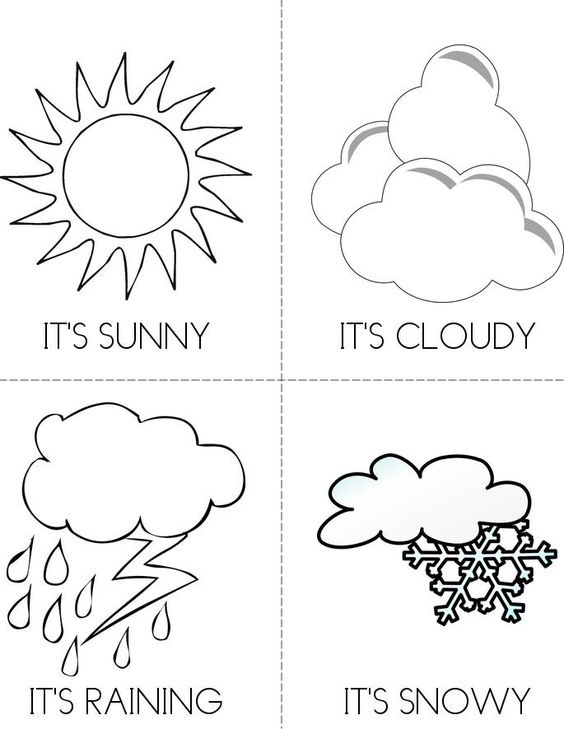
1. Weather Vocabulary Flashcards: Create flashcards with illustrations of different weather conditions and their corresponding vocabulary words. Use them to teach and quiz students on new terms.

2. Weather Bingo: Turn learning weather-related words into a fun game of bingo! Customize the bingo cards with weather vocabulary, and students can practice their listening comprehension as you call out each term.

3. Weather Forecast Role-Play: Have students practice their speaking skills by acting out the role of a TV weather reporter. They can describe the weather forecast while using appropriate vocabulary.

4. Weather Dress-Up: Provide outfits for different weather conditions, and have students work in pairs to dress up accordingly based on a given scenario.

5. Weather Guessing Game: Select an image or video clip of a particular weather condition and have students guess the correct term by asking yes or no questions.

6. Seasonal Sorting: Have students sort pictures or objects according to the season they typically belong to, improving their understanding of seasonality and basic weather patterns.

7. Weather Idioms: Teach common idioms related to the weather (e.g., “raining cats and dogs”) and have students create sentences using them.

8. Weather Board Game: Create a simple board game using pictures that represent various weather conditions as spaces. Students can progress through the game while practicing their vocabulary skills.

9. Weather Charades: Divide students into teams, give each team a set of cards with different weather conditions written on them, and have them act out the condition for teammates to guess.

10. Information Gap Activity: In pairs, provide one student with a complete weather forecast while the other has missing information. The students must exchange details to fill in the gaps.

11. Hot Seat: One student leaves the room while the rest choose a weather-related word. The other student returns, and the class provides clues for them to guess the chosen word.

12. Weather-themed Songs: Teach students fun songs that include weather vocabulary, like “You Are My Sunshine” or “Singing in the Rain”, encouraging repetition and memorization.

13. Cloud Types: Teach students about different cloud types and their corresponding weather conditions through images and descriptions, followed by quizzes or matching activities.

14. Meteorology Guest Speaker: Invite a meteorologist or weather expert to speak to your class about their job, giving students an opportunity to effectively learn from a real-world professional

15. Create a Weather Map: Have students create their own weather maps using symbols, colors, and weather vocabulary as labels.

16. Weather Collage: Ask students to find pictures in magazines or online related to specific weather conditions, then create a collage illustrating their understanding of each condition.

17. Weather Poetry: Inspire creativity through poetry by encouraging students to write short poems or haikus about different weather conditions using appropriate vocabulary words.

18. Weather Journals: Assign each student a week-long observation period during which they write daily entries on the day’s weather conditions, utilizing proper English expressions and sentences while building vocabulary skills and enhancing writing practice.

Incorporate these engaging ESL weather activities into your lessons to help your students improve their language skills while learning essential information about the world around them.

Best World Language Learning Tips for Teachers

Teaching a world language is not only about grammar and vocabulary; it’s about instilling a love for the language and its culture, as well as helping students develop authentic communication skills. Here are some of the best language learning tips for teachers to ensure their students gain the most from their language studies.

1. Set clear and attainable goals

One of the first things to do as a world language teacher is to set clear and attainable goals for your students. This will help both you and your students stay focused on what’s important. Break down these goals into smaller, more manageable tasks, so students feel motivated to accomplish them.

2. Foster cultural awareness

Language learning goes beyond just words and phrases—it’s about understanding the culture tied to the language. Incorporate multimedia materials like videos, music, podcasts, and articles from native speakers to give students a realistic perspective of the language’s culture.

3. Create an immersive environment

Encourage your students to immerse themselves in the target language by utilizing real-world resources such as networking with native speakers, attending cultural events, or joining a language-learning club. In the classroom, try to minimize the use of students’ native languages and create opportunities for them to practice speaking the target language through role-plays, interviews, or group discussions.

4. Encourage active participation

Active participation is crucial for successful world language learning. Provide opportunities for your students to use their listening, speaking, reading, and writing skills regularly in class. Activities like debates, storytelling sessions, or even starting a class blog can boost student participation.

5. Offer positive reinforcement

Verbal praise and constructive feedback reinforce positive behavior in students and help build their confidence in speaking a foreign language. Celebrate their successes and treat mistakes as learning opportunities rather than failures.

6. Utilize technology

Take advantage of modern technology like smartphone apps, websites, e-books, and virtual tutoring services to provide students with varied and engaging learning experiences. These resources supplement traditional in-class teaching, allowing students to further their language studies outside of the classroom.

7. Adapt to different learning styles

Every student learns differently, and this is especially true when it comes to language learning. Some may be more visually oriented, while others excel at auditory or kinesthetic methods. As a teacher, it’s vital to adjust your teaching style to accommodate these differences and cater to individual needs.

8. Make learning fun

Incorporate games, quizzes, songs, and creative projects into your lessons to keep students engaged and enthusiastic about the world language. Students are more likely to retain information when they enjoy the learning process.

9. Test regularly but fairly

Regular assessments can help you gauge student progress and identify any areas where they struggle. Make sure assessments are varied—don’t limit them to just written tests. Have students do oral presentations or create multimedia projects as part of their evaluations.

10. Offer support and resources

Lastly, always be available to offer support and guidance in the journey of language learning. Provide a list of resources like language apps, websites, or books that students can use for extra practice or enrichment outside the classroom.

In conclusion, by setting clear goals, promoting cultural awareness, creating immersive experiences, and applying diverse teaching strategies, you can empower your students to excel in world language learning. Always remember that as a teacher, your enthusiasm for the subject is one of the most important factors in fostering a love for languages in your students.