Reading & Literacy

30 Cool and Cozy Reading Corner Ideas

Introduction:

Create the perfect spot to curl up with a good book and escape the outside world with these 30 cool and cozy reading corner ideas. Whether you’re looking to transform an unused space or carve out a dedicated nook, these inspiring designs will encourage you to lose yourself in literature.

1. Bohemian Escape: Bring a touch of boho style to your reading nook with patterned pillows, warm colors, and an eclectic mix of plants and artwork.

2. Window Seat Wonderland: Make use of natural light by positioning your reading corner next to a window, complete with a comfortable window seat and plush cushions.

3. Home Library: Surround yourself with floor-to-ceiling bookshelves, a cozy armchair, and soft lighting for that scholarly vibe.

4. Outdoor Oasis: Set up a comfortable hammock or hanging chair on your patio or under a tree for an outdoorsy reading retreat.

5. Teepee Getaway: Children will love having their own tucked-away teepee filled with cozy blankets, cushions, and their favorite books.

6. Retro Reading Spot: Incorporate vintage-inspired furniture like mid-century modern armchairs and funky lighting to create a nostalgic nook.

7. Monochromatic Magic: Embrace simplicity by sticking to one color palette throughout the reading corner – from furniture to decorations.

8. Cozy Corner Booth: Transform unused kitchen nook space into a comfy corner booth ideal for morning reads alongside your coffee.

9. Floating Bookshelves: Free up floor space while showcasing your collection using modern floating bookshelves for an airy reading spot.

10. Book Lovers’ Loft: If you have high ceilings, consider converting unused loft space into an elevated sanctuary filled with books and comfortable seating.

11. String Lights Serenity: Illuminate your reading corner with twinkling string lights, draping across walls, or weaving between bookshelves.

12. Rustic Retreat: Combine natural wooden elements and warm, textured fabrics to create a snug, farmhouse-inspired reading nook.

13. A Touch of Greenery: Bring nature indoors by adding indoor plants and foliage to your reading corner for a sense of calm.

14. Upcycled Charm: Use reclaimed or repurposed furniture items such as old doors, crates, or ladders to add character to the space.

15. Oversized Reading Chair: Invest in an oversized chair that invites you to sink into its plush comfort for hours on end.

16. Reading Alcove: Convert a small, unused space like a closet or under stairs into a cozy alcove with built-in bookshelves and seating.

17. Reading Nook Swing: Install a comfortable swing or hanging chair in your favorite corner for an extra sense of relaxation.

18. Floor Cushion Kingdom: Cover your floor with thick, comfy floor cushions and blankets to create a low-key lounging spot.

19. Bean Bag Bliss: Fill your corner with giant bean bags for ultimate relaxation and support as you lose yourself in your favorite stories.

20. Adjustable Custom Lighting: Use modular lighting components like adjustable floor lamps or wall-mounted LEDs to direct light exactly where you want it.

21. Corner Ladder Bookshelf: Utilize corner space efficiently with unique ladder-style bookshelves, placing your reading chair right beside it.

22. Chaise Lounge Chic: Add sophistication and comfort by incorporating a chaise lounge in your home library or reading area.

23. FireplaceWarmth: Set up your reading corner nearby the fireplace for an inviting atmosphere, especially during colder months.

24. Built-In Bench Seating: Make use of empty wall space beneath windows by building bench seating with integrated storage for books and blankets.

25. Window seat nook: Convert a window seat into a cozy reading spot with cushions, pillows, and ample natural light.

26. Indoor hammock or swing chair: Hang a hammock or swing chair in a quiet corner for a whimsical touch.

27. Alcove bookshelves: Make use of an alcove by installing wall-to-wall shelving to hold your book collection while creating a designated reading spot.

28. Treehouse-inspired loft: Build an elevated platform with built-in storage and comfortable seating reminiscent of a treehouse hideaway.

29. Outdoor reading oasis: Place weatherproof outdoor furniture in a quiet green space of your backyard or garden.

30. Under the stairs nook: Transform the commonly neglected space underneath stairs into an inviting reading alcove.


11 Free Reading Comprehension Activities For Students

Reading comprehension is a vital skill for students as it helps them understand and interpret text in a meaningful way. To develop strong reading comprehension, various activities and strategies can be employed. In this article, we will explore 11 free reading comprehension activities that can be easily incorporated into your classroom or homeschool curriculum.

1. Story Maps: Encourage students to visualize the structure of a story by creating a story map. This can be achieved by having them draw pictures or write down important plot points and characters from the story.

2. KWL Chart: A KWL chart helps students keep track of what they know (K), what they want to learn (W), and what they have learned (L) from the material being read.

3. Summarizing: After reading a text, ask students to briefly summarize it in their own words, focusing on key details and main ideas.

4. Predictions: Have students predict what might happen next in the story based on context clues and character actions. This tones their analytical skills to dive deep into the story’s aspects and guess potential future events.

5. Compare and Contrast: Compare two different texts or characters from separate readings—encourage students to examine similarities and differences between the subject matter.

6. Question-Answer Relationships (QAR): Teach students about identifying types of questions – on-the-line, between-the-lines, or beyond-the-lines – depending on where the answer can be found in relation to the text.

7. Skimming and Scanning: Help students practice skimming an article or text for general understanding and scanning for specific details, such as dates, numbers, or names.

8. Text Annotations: Provide passages for students to engage with by highlighting, underlining, or circling important words, phrases, or ideas while reading.

9. Two Truths and a Lie: After reading a text, have each student come up with two true statements and one false statement about the content. Students must then determine which statement is the lie.

10. Visual Imagery: Encourage students to draw or illustrate a scene, character, or event from the reading. This activity helps students deeply connect with the material and fosters creativity.

11. Think-Pair-Share: After reading, give students time to “think” independently about the material before “pairing” and discussing their thoughts, ideas, or questions with a partner. Finally, “share” their discussions with the entire class.

These free activities can be modified and tailored to suit diverse classrooms and student capabilities. Integrating these exercises into your teaching routine will help develop strong reading comprehension skills and promote a lifelong love for reading in your students.

33 Fantasy Books for Teens to Get Lost In

Introduction:

Fantasy books offer an immersive escape from reality, allowing readers to explore new worlds and journey alongside memorable characters. For teens searching for a captivating read, these 33 fantastic fantasy novels are perfect for getting lost in.

1.Harry Potter Series by J.K. Rowling

2.The Hunger Games Trilogy by Suzanne Collins

3.The Chronicles of Narnia by C.S. Lewis

4.The Hobbit by J.R.R. Tolkien

5.The Mortal Instruments Series by Cassandra Clare

6.The Inheritance Cycle by Christopher Paolini

7.Throne of Glass Series by Sarah J. Maas

8.Percy Jackson Series by Rick Riordan

9.His Dark Materials Trilogy by Philip Pullman

10.The Grisha Trilogy by Leigh Bardugo

11.An Ember in the Ashes Series by Sabaa Tahir

12.The Balance Keepers Series by Lindsay Cummings

13.Children of Blood and Bone Trilogy by Tomi Adeyemi

14.Six of Crows Duology by Leigh Bardugo

15.Red Queen Series by Victoria Aveyard

16.The Black Mage Series by Rachel E Carter

17.Seraphina Duology by Rachel Hartman

18.Inkheart Trilogy by Cornelia Funke

19.Wings of Fire Series by Tui T Sutherland

20.Keeper of the Lost Cities Series by Shannon Messenger

21.Graceling Realm Series by Kristin Cashore

22.Lunar Chronicles Series by Marissa Meyer

23.Daughter of Smoke and Bone Trilogy by Laini Taylor

24.Legend Trilogy by Marie Lu

25.Chronicles of Ixia Series by Maria V Snyder

26.Abhorsen Trilogy by Garth Nix

27.Circle of Magic series by Tamora Pierce

28.The Broken Empire Trilogy Mark Lawrence

29.Five Kingdoms Series by Brandon Mull

30.The Raven Cycle Series by Maggie Stiefvater

31.The Falling Kingdoms series by Morgan Rhodes

32.Shattered Realms Series by Cinda Williams Chima

33.Reckoners Series by Brandon Sanderson

Conclusion:

Each of these 33 fantasy novels offers an exciting and compelling reading experience with intricate plots, complex characters, and vivid world-building. Teens will undoubtedly find numerous stories that resonate with them and provide a welcome escape from everyday life. Happy reading!

12 Great Joke Books for Kids

Laughter is truly the best medicine, and there is nothing like the sound of children’s laughter to brighten up your day. Joke books have long been a childhood staple, providing kids with endless hours of entertainment. Here is a list of 12 great joke books that are sure to spark joy and create bursts of laughter from your little ones.

1.”Laugh-Out-Loud Jokes for Kids” by Rob Elliott:

This best-selling joke book contains clean, family-friendly humor that kids will love. With over 120 pages of side-splitting jokes and riddles, this book is a must-have for every child’s library.

2.”Knock-Knock Jokes for Kids” by Rob Elliott:

From the same author as Laugh-Out-Loud Jokes for Kids, this knock-knock joke collection is perfect for keeping children entertained at home or on-the-go.

3.”National Geographic Kids: Just Joking” by National Geographic Children’s Books:

This colorful book features over 300 hilarious jokes, complete with intriguing animal facts and vibrant images to engage young readers.

4.”The Everything Kids’ Giant Book of Jokes, Riddles, and Brain Teasers” by Michael Dahl:

With over 300 pages of witty humor, comical riddles, and perplexing brain teasers, this book keeps the laughter going and stimulates young minds.

5.”Little Book of Big Laughs” by Hinkler Books:

This compact-sized joke book offers hours of fun with an impressive range of gags that will have kids cracking up with laughter.

6.”Side-Splitting Knock-Knock Jokes for Kids” by Bob Phillips:

A classic collection of laugh-inducing knock-knock jokes that both kids and adults can enjoy together.

7.”The Big Book of Laugh-Out-Loud Jokes for Kids: A Three-in-One Collection” by Rob Elliott:

Featuring three popular joke books in one, this collection delivers hours upon hours of wholesome entertainment for children.

8.”The Jokiest Joking Joke Book Ever Written…No Joke!” by Brian Boone:

Filled with over 1,000 jokes and puns, this book guarantees non-stop laughter and fun for children of all ages.

9.”1001 Cool Jokes” by Glen Singleton:

This massive collection of family-friendly jokes ensures that kids will never run out of material to keep their friends and family laughing.

10.”Jumbo Jokes and Riddles Book” by Beth L. Blair:

With its mix of kid-friendly humor, clever riddles, and fun illustrations, this book is a delightful source of entertainment for young readers.

11.”Funny! Twenty-Five Years of Laughter from the Pixar Poop Deck” by John Lasseter:

Based on the Pixar Animation Studio’s annual custom of bringing laughter to their co-workers, this book contains hand-picked favorites sure to tickle your child’s funny bone.

12.”Goofy Knock-Knocks” (Super Silly Joke Books) by Charles Keller:

Your favorite Disney characters are here to deliver over 100 hilarious knock-knock jokes that guarantee endless laughter for both kids and adults.

So go ahead, bring home a few of these joke books for your kids and let the laughter fill your home with joy!

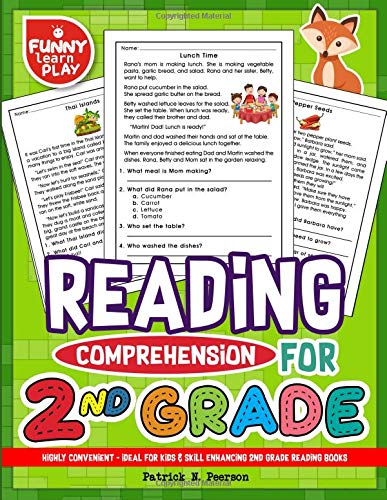
Great Books Free Reading Lessons for Grades 2 and 4 – Get Your Lessons Today!

In the technologically-driven world we live in, it has become increasingly important for educators and parents to leverage available resources to improve children’s reading skills. One such resource that stands out from the rest is “Great Books Free Reading Lessons for Grades 2 and 4”. This fantastic free educational tool aims to strengthen reading abilities in young children, especially those in grades 2 and 4.

The Significance of Reading Lessons

A strong foundation in reading skills is essential for children as they advance through their education. It not only helps them comprehend complex ideas and instructions, but it also enables them to express themselves effectively. By having access to high-quality reading lessons, children can build a sturdy base in two critical areas: phonics and fluency.

Phonics focuses on the individual sounds that make up words. By learning these sounds, children can decode new words more easily, thus improving their reading comprehension. On the other hand, fluency is the ability to read text accurately, quickly, and with proper expression. Fostering fluency early on allows children to become confident readers who can effortlessly understand a variety of texts.

Great Books Reading Lessons for Grades 2 and 4: Features and Benefits

1. Wide Range of Learning Material

The “Great Books Free Reading Lessons for Grades 2 and 4” provides a diverse selection of reading materials designed to engage students while improving their phonics and fluency skills. Children are exposed to stories with different themes, characters, and genres that help pique their interest while also expanding their vocabulary and comprehension abilities.

2. Interactive Activities

The program incorporates interactive activities that drive home key learning objectives by keeping kids engaged in the tasks at hand. These activities include quizzes, games, word search puzzles, vocabulary builders, and more – all intended to support your child’s progress and enhance their reading experience.

3. Comprehensive and Customizable Lesson Plans

The “Great Books Free Reading Lessons” comes with comprehensive and customizable lesson plans to cater to each child’s unique needs and learning styles. You can effortlessly personalize the lesson plans according to your child’s abilities and interests, ensuring that they get the most out of the program.

4. Progress Tracking

The reading lessons also include progress tracking mechanisms. It is crucial in measuring students’ improvement over time by assessing their performance in quizzes, assignments, and other activities. Having a clear picture of a child’s progress can help stakeholders (educators or parents) identify any difficulties and adjust lesson plans accordingly.

5. Readily Accessible on Multiple Platforms

One of the best aspects of the “Great Books Free Reading Lessons” is its accessibility on multiple electronic devices such as computers, tablets, and smartphones. This flexibility allows children to learn at their own pace from any location with an internet connection.

Get Your Lessons Today!

Now is the perfect time to kickstart your child’s reading journey with the “Great Books Free Reading Lessons for Grades 2 and 4”. With engaging content, interactive activities, comprehensive lesson plans, progress tracking, and multi-platform availability – there has never been a better opportunity to support young readers. So don’t wait any longer – start your child’s remarkable reading adventure today!

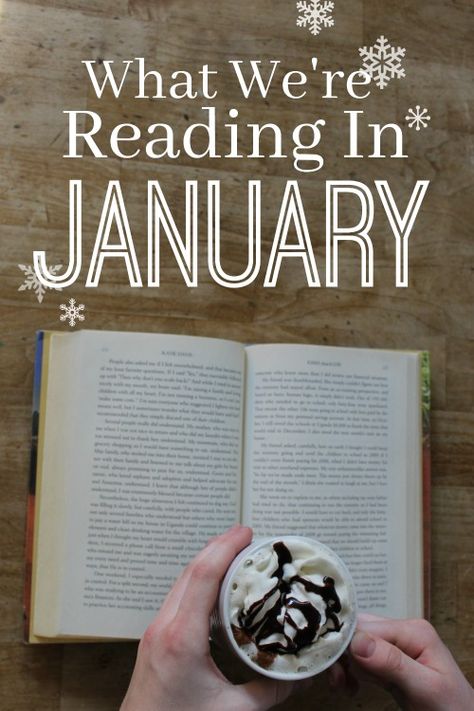
What We’re Reading in January 2017

As the cold winds of January 2017 blow, it’s the perfect time to cozy up with a warm blanket, a cup of hot cocoa, and dive into some of the most captivating books of the season. From thrilling mysteries to thought-provoking non-fiction, here are the titles that have captured our attention and are certainly worth checking out.

1. “The Girl Before” by J.P. Delaney

This psychological thriller follows two women living in an architect’s minimalist home at separate times. As their obsession with their uncanny home grows, their lives begin to intersect in chilling ways. A gripping read that will keep you on the edge of your seat.

2. “The Dry” by Jane Harper

A federal agent returns to his hometown after twenty years to investigate a shocking murder-suicide. As he uncovers long-buried secrets about the victims and witnesses, he discovers that his own past might be connected to the crimes. This highly anticipated debut novel is a must-read for fans of crime fiction and suspense.

3. “Difficult Women” by Roxane Gay

A powerful collection of short stories that explore and celebrate womanhood in all its forms—fierce, loving, resilient, and everything in between. Written with unflinching honesty and insight, “Difficult Women” showcases Gay’s exceptional talent as a writer who is not afraid to tackle complex topics.

4. “The Power” by Naomi Alderman

In this electrifying novel set in a dystopian future, women across the globe suddenly develop electrical powers that enable them to dominate men, completely upending society as we know it. A thought-provoking read about what power dynamics might look like if they were drastically reversed.

5. “The Undoing Project: A Friendship That Changed Our Minds” by Michael Lewis

Best-selling author Michael Lewis delves into the world of behavioral economics, focusing on the groundbreaking partnership between two Israeli psychologists—Daniel Kahneman and Amos Tversky. Their research revolutionized our understanding of human judgment and decision-making, forever changing how we view human behavior.

6. “Swing Time” by Zadie Smith

This beautifully written novel explores themes of friendship, race, and class through the intertwined lives of two women who dream of becoming dancers. Smith’s keen eye for cultural dynamics shines through in this richly textured story.

Whether you’re seeking an escape from the winter chill or looking to expand your literary horizons, this selection of titles has a little something for everyone. So grab a book, settle in for the evening, and lose yourself in the pages of these captivating reads. Happy reading!

The Dos and Don’ts of Talking to Struggling Readers

It’s essential to provide support to struggling readers without making them feel discouraged or uncomfortable. Being understanding, patient, and sensitive can make all the difference in their learning process. Here are some dos and don’ts when talking to struggling readers:

Do:

1. Be Patient: Remember that not every student learns at the same pace. Avoid rushing a struggling reader and allow them the time they need to understand the text.

2. Encourage Open Communication: Let the struggling reader know they can talk openly about their challenges without fear of judgment.

3. Use Positive Reinforcement: Celebrate their accomplishments, even small ones, with praise and encouragement. This will help them build self-esteem and confidence in their reading abilities.

4. Make Reading Fun: Use engaging stories and activities relevant to the reader’s interests to make reading enjoyable.

5. Break it Down: Help them break down complex sentences or words into smaller parts to make understanding easier.

6. Teach Strategies: Introduce word-attack strategies, such as sounding out words, using context clues, and looking for familiar word patterns.

Don’t:

1. Criticize or Belittle: Avoid using negative language or making comparisons to other students who may be more confident readers.

2. Pressure: Refrain from putting unnecessary pressure on struggling readers; this may result in increased anxiety and frustration levels.

3. Assume They’re Not Trying: Remember that struggling readers may be putting in extra effort to overcome their challenges; don’t assume they aren’t trying hard enough or aren’t motivated by a desire to improve.

4. Rely on Memorization Alone: While memorizing sight words can be helpful, don’t neglect other strategies that build a well-rounded reading foundation.

5. Expect Immediate Improvements: Keep in mind that overcoming reading difficulties is a gradual process; it’s essential to give them time and not expect immediate results.

6. Ignore the Signs: If a student continues to struggle despite your assistance, consider reaching out to experts or special education teachers for guidance and support.

By following these dos and don’ts, you can create a supportive and inclusive environment that fosters growth and development for struggling readers. Keep in mind that every student’s journey with reading is unique; with patience and persistence, they can overcome their challenges and thrive.

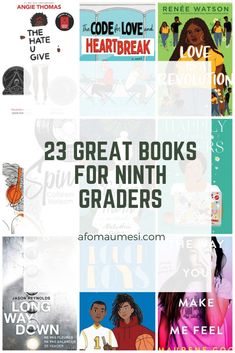
23 Contemporary Books 10th Graders Will Love

Introduction:

As 10th graders delve deeper into their literary worlds, it becomes crucial to engage them with books that capture their changing perspectives. This list of 23 contemporary books offers a fascinating range of characters, themes, and genres, perfect for teens in their sophomore year of high school.

1.The Hate U Give by Angie Thomas

2.One of Us is Lying by Karen M. McManus

3.Six of Crows by Leigh Bardugo

4.The Cruel Prince by Holly Black

5.Scythe by Neal Shusterman

6.Children of Blood and Bone by Tomi Adeyemi

7.They Both Die at the End by Adam Silvera

8.To All the Boys I’ve Loved Before by Jenny Han

9.Sadie by Courtney Summers

10.Dear Martin by Nic Stone

11.I Am Not Your Perfect Mexican Daughter by Erika L. Sánchez

12.A Court of Thorns and Roses by Sarah J. Maas

13.Long Way Down by Jason Reynolds

14.The Ballad of Songbirds and Snakes by Suzanne Collins

15.The Giver of Stars by Jojo Moyes

16.Educated: A Memoir by Tara Westover

17.Red Queen by Victoria Aveyard

18.On the Come Up by Angie Thomas

19.We Were Liars by E. Lockhart

20.Throne of Glass Series by Sarah J Maas

21.Simon vs the Homo Sapiens Agenda by Becky Albertalli (Lo ve, Simon)

22.The 57 Bus Dashka Slater

23.Fable-Marissa Meyer

Conclusion:

These contemporary reads are sure to captivate every young reader’s imagination and intellect while addressing significant themes like race, identity, love, and resilience—

5 Must-Read Books for Teen Read Week

Introduction:

Teen Read Week is here, and it’s the perfect opportunity for young adults to discover and celebrate new, inspiring, and thought-provoking literature. Whether you’re a dedicated reader or just someone looking to pass the time with an engaging story, we’ve got you covered. Here are 5 must-read books for Teen Read Week that will capture your imagination and leave you wanting more.

1. The Hunger Games by Suzanne Collins

In a dystopian future, the totalitarian nation of Panem is divided into 12 districts and an oppressive Capitol. Every year, two young representatives from each district are chosen for the Hunger Games – a brutal televised battle to the death. Follow Katniss Everdeen as she volunteers for the Games in place of her younger sister and goes up against ruthless opponents from across Panem. The Hunger Games is a thrilling adventure that explores the dark side of humanity in a fight for survival.

2. The Fault in Our Stars by John Green

This heart-wrenching novel tells the story of Hazel Grace Lancaster, a sixteen-year-old girl with terminal cancer. When she meets Augustus Waters at a cancer support group, they begin an extraordinary journey together that explores love, loss, and hope in the face of tragedy. The Fault in Our Stars is an unforgettable story that reminds readers to cherish every moment of life.

3. To All the Boys I’ve Loved Before by Jenny Han

Lara Jean Song has never confessed her love to anyone – instead, she writes secret love letters to all her past crushes that she never intends to send. But when her letters are accidentally mailed out, Lara Jean’s world turns upside-down as all her former crushes confront her about these unexpected confessions. As she navigates her way through this hilarious mix-up of romance and friendship, Lara Jean learns about opening herself up to new possibilities. To All the Boys I’ve Loved Before is a fun and relatable coming-of-age story that young readers will love.

4. The Perks of Being a Wallflower by Stephen Chbosky

Charlie is a high school freshman who finds himself grappling with life, friendship, adolescence, and belonging. Through a series of letters to an anonymous confidant, Charlie’s journey unfolds as he navigates high school drama, family struggles, and the power of true friendship. The Perks of Being a Wallflower is an authentic portrayal of the teenage experience that will resonate with readers of all ages.

5. Six of Crows by Leigh Bardugo

In the bustling city of Ketterdam, six skilled outcasts come together for an impossible heist: break into the impenetrable Ice Court and steal a dangerous hostage. As they delve deeper into this dangerous world, alliances are made and betrayals uncovered in this gripping saga filled with stunning twists and turns. Six of Crows is an action-packed fantasy adventure that will keep readers on the edge of their seats.

Conclusion:

These 5 must-read books for Teen Read Week offer a range of genres and themes perfect for young adults looking to celebrate their love for literature. From dystopian worlds to heartfelt romance, these stories provide an escape from reality while also tackling complex issues teens face today. So grab a book, find a quiet corner, and dive into the captivating worlds these authors have created. Happy reading!

4 Last-Minute Book Picks for Poetry Month

As April comes to a close, there’s still time to celebrate National Poetry Month with these four last-minute book picks. From classic works to modern musings, the following selections showcase the beauty and diversity of the poetic form.

1. Leaves of Grass by Walt Whitman

First published in 1855, Leaves of Grass is a timeless American poetry collection that remains relevant to this day. Walt Whitman’s free verse style covers various themes such as love, spirituality, nature, and democracy. As you immerse yourself in Whitman’s rich prose, you’ll understand why this literary masterpiece continues to inspire poets and readers alike.

2. Milk and Honey by Rupi Kaur

A New York Times bestseller from contemporary poet Rupi Kaur, Milk and Honey delves into pain, grief, forgiveness, and healing through the lens of feminism. With its raw honesty and beautiful imagery, this book has resonated with readers around the world garnering an international following for Kaur and her work. Whether you’re a first-time poetry reader or an aficionado of the genre, Milk and Honey is worth your time.

3. The Waste Land by T.S. Eliot

Published in 1922, this modernist classic by T.S. Eliot remains one of the most influential works in western literature. The Waste Land encompasses mythological references, diverse languages, and abrupt shifts in imagery that challenge conventional narrative techniques. The poem explores disillusionment after World War I through its fragmented structure and distinct themes – making it a complex yet fascinating read.

4. Devotions: The Selected Poems of Mary Oliver by Mary Oliver

Winner of both the National Book Award and Pulitzer Prize for Poetry, Mary Oliver gathered more than 50 years’ worth of her work into one incredible collection with Devotions. Dwelling on themes such as nature, love, loss, and mindfulness, Oliver’s evocative language captivates readers with her unique way of perceiving the world. A perfect introduction to her work or a treasure trove for existing fans, Devotions is an ideal choice for poetry month reading.

These four books showcase the power and magic of poetry. As National Poetry Month comes to a close, give yourself the gift of verse with these essential collections. Happy reading!