Reading & Literacy

Win Books That Help Teach Your Students to Read

Introduction:

Reading is a fundamental skill that everyone should possess. It opens up new worlds, encourages critical thinking, and promotes academic success. As educators, it’s our responsibility to inspire and engage our students in the joys of reading. This is where the right resources come into play. In this article, we will introduce you to a selection of incredible books that can help teach your students to read.

1. Dr. Seuss Series:

Dr. Seuss’ books are not only entertaining but also educational. With their catchy rhymes and fun illustrations, these stories capture the attention of young readers while improving their phonics skills and expanding their vocabulary. Books like “The Cat in the Hat,” “Green Eggs and Ham,” and “One Fish Two Fish Red Fish Blue Fish” are perfect for early readers.

2. “Chicka Chicka Boom Boom” by Bill Martin Jr. and John Archambault:

This delightful book is ideal for children who are just learning the alphabet. The playful rhymes and vibrant illustrations bring the letters to life as they race up the coconut tree, teaching phonics and letter recognition in a fun and engaging way.

3. “Brown Bear, Brown Bear, What Do You See?” by Bill Martin Jr.:

This colorful book features simple illustrations paired with repetitive phrases that are perfect for early readers developing their reading skills. Children can practice recognizing animals and colors while enhancing their language comprehension through repetitive yet engaging text.

4. “Bob Books Set 1: Beginning Readers” by Bobby Lynn Maslen:

These short, simple books are specifically designed for children who are learning to read. Each book focuses on one vowel sound, enabling young learners to build their confidence while becoming familiar with common words and sight vocabulary.

5. “Frog And Toad Are Friends” by Arnold Lobel:

This collection of five stories introduces readers to Frog and Toad, two lovable characters who experience everyday adventures together. The simple vocabulary and engaging storyline make this a great choice for emerging readers.

6. “Hop on Pop” by Dr. Seuss:

This Dr. Seuss classic uses basic words, short sentences, and amusing illustrations to teach foundational reading skills to young children. The book features repetitive text and diverse word families, making it an excellent resource for building fluency in beginner readers.

Conclusion:

The power of the written word can transform your students’ lives, encouraging growth, curiosity, and success. By incorporating books like these into your lesson plans, you can create a vibrant learning environment where students become skilled readers and lifelong learners. So go ahead, win books that help teach your students to read and watch them thrive!

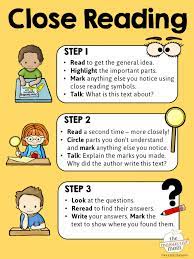
Survey Says: Teachers’ Experience with Close Reading

Introduction:

Close reading is a crucial skill that students need to develop in order to effectively understand and analyze complex texts. Various teaching techniques have been employed by educators to nurture this ability in students, and a recent survey has shed valuable light on teachers’ experiences with close reading in the classroom. This article delves into the key findings of the survey, providing insights into the challenges and successes experienced by educators as they guide their students through the practice of close reading.

Survey Respondents:

The survey collected responses from 300 teachers across diverse grade levels, ranging from elementary school to high school. Participants shared their thoughts on close reading, its effectiveness as a teaching tool, and any struggles they may have encountered in implementing close reading strategies.

Emphasis on Literary Elements:

The survey revealed that a majority of teachers prioritize discussions around literary elements such as theme, symbol, plot, and character when engaging students in close reading. This focus allows students to make critical connections within the text while simultaneously honing their skills of observation, analysis, and interpretation.

Effective Strategies for Close Reading:

A significant portion of respondents reported that model-guided instruction has proven particularly effective within their classrooms. Here, teachers work closely with students by walking them through an excerpt step-by-step and demonstrating how to identify important details, understand context clues, and make educated inferences. Also popular among the surveyed teachers was the use of annotation – encouraging students to engage directly with texts by taking notes and highlighting key information.

Challenges Faced by Teachers:

One prominent challenge faced by educators relates to differentiating instruction according to their students’ varying skill levels. To counter this issue, a number of respondents mentioned using leveled texts for differentiation purposes or implementing peer tutoring systems for collaborative learning. The survey also highlighted time constraints as a common obstacle: dedicating adequate class time to engage in comprehensive close readings may take away from other instructional topics.

Teachers’ Recommendations for Improving Close Reading Instruction:

As a result of the survey, teachers noted several recommendations for effectively teaching close reading. Expanding the variety of texts, including both fiction and nonfiction selections, can provide students with broader perspectives and additional frameworks for analysis. Integrating frequent opportunities for student-led discussion fosters peer-learning, which can enhance students’ understanding of diverse viewpoints. Respondents also suggested providing teachers with supplemental resources, professional development opportunities and collaborative planning time to foster a more successful implementation of close reading.

Conclusion:

The survey’s findings underscore the significance of close reading as a skill that must be cultivated in the classroom. By understanding teachers‘ experiences and concerns while simultaneously implementing their suggested strategies, we can work together to ensure each student becomes a proficient and passionate close reader, capable of making sense of even the most complex literary texts.

10 Effective 1st Grade Reading Fluency Passages

Introduction:

Reading fluency is a critical skill for 1st-grade students, as it enables them to read with appropriate speed, accuracy, and expression. One of the best ways to develop reading fluency is through reading passages specifically designed for this purpose. In this article, we will explore 10 effective 1st-grade reading fluency passages that can be used by teachers and parents to help young readers build their confidence and skills.

1.The Birthday Party:

This passage follows the story of a young girl named Emily who is excited to attend her friend’s birthday party. Students will be engaged with the colorful party decorations, delicious cake, and exciting games described in the passage.

2.A Day at the Beach:

This passage brings to life a day spent at the beach with family. Students will enjoy practicing their reading fluency while learning about building sandcastles, splashing in the ocean waves, and enjoying tasty beach snacks.

3.Tim’s New Pet:

In this story, Tim receives a surprise pet from his parents – a parrot named Percy! Students will develop their reading skills while following along with Tim as he navigates his responsibilities and adventures with his new feathery friend.

4.The Magic Tree:

Children love magic, and this passage entices readers with the tale of a mysterious tree that grants wishes. Young students will be captivated by the excitement and suspense as they follow two friends who discover the magic tree and make wishes of their own.

5.A Trip to the Zoo:

Students will practice their reading fluency while visiting animals from around the world in this engaging passage about a family’s adventurous day at the zoo.

6.The Big Soccer Game:

Sports fans will enjoy this fast-paced story about a thrilling soccer match between two rival teams. Young readers can root for their favorite team while developing their fluency skills with this action-packed passage.

7.The Great Bake-Off:

This mouth-watering passage follows a young boy named Jack as he participates in a bake-off competition. Students will get swept up in the excitement and anticipation, all while practicing their reading fluency.

8.The Friendly Monster:

In this passage, students will meet Momo, a gentle monster that becomes best friends with a little boy named Toby. Capturing their growing friendship, this story offers valuable fluency practice and teaches children about acceptance and kindness.

9.The Enchanted Forest:

Enter a magical world filled with fantastical creatures in this captivating passage. Students will get lost in the tale of two siblings who stumble upon an enchanted forest while practicing their reading fluency.

10.The Space Adventure:

Young readers will blast off into space with this exciting passage about an intergalactic journey to find a mysterious lost planet. Engaging illustrations and high-interest content make this passage perfect for developing reading fluency skills.

Conclusion:

These 10 effective 1st-grade reading fluency passages offer engaging stories that will capture children’s imaginations while developing their reading skills. Teachers and parents can use these passages to help young readers build the necessary skills for success in later grades and instill a love for reading that will last a lifetime.

25 Inspiring and Inclusive Books Like Wonder for Kids

Introduction:

Wonder, the best-selling novel by R.J. Palacio, has inspired countless young readers with its message of empathy, kindness, and acceptance. If your kids loved Wonder and are looking for more inspiring reads that open their eyes to diverse perspectives, check out these 25 inclusive books for children.

1.Out of My Mind by Sharon M. Draper

2.El Deafo by Cece Bell

3.The One and Only Ivan by Katherine Applegate

4.The Crossover by Kwame Alexander

5.Rules by Cynthia Lord

6.Mockingbird by Kathryn Erskine

7.Fish in a Tree by Lynda Mullaly Hunt

8.A Boy Called Bat by Elana K. Arnold

9.Counting by 7s by Holly Goldberg Sloan

10.Wishtree by Katherine Applegate

11.Stella Diaz Has Something to Say by Angela Dominguez

12.Al Capone Does My Shirts by Gennifer Choldenko

13.Blended By Sharon M Draper

14.The Stars Beneath Our Feet by David Barclay Moore

15.The Thing About Jellyfish   By Ali Benjamin

16.Smack Dab In The Middle Of Maybe   By Jo Watson Hackl

17.Jacqueline Woodson’s “Brown Girl Dreaming”

18.Anne Ursu’s “The Real Boy”

19.Laura Shovan’s “The Last Fifth Grade of Emerson Elementary”

20.Kelly Barnhill’s “The Girl Who Drank the Moon”

21.Insignificant Events in the Life of a Cactus By Dusti Bowling

22.Marvin Redpost: Kidnapped at Birth   By Louis Sachar

23.Rachel Renée Russell’s “Dork Diaries” Series

24.The Cricket in Times Square   By George Selden

25.Restart By Gordon Korman

Conclusion:

Each of these books offers an empathetic and inclusive perspective into the lives of unique, strong, and inspiring characters. As with Wonder, these books are sure to engage young readers and leave a lasting impression on their development and understanding of the world around them. Remember to encourage your child to discuss their feelings, thoughts, and interpretations after reading these books – it’s a great way to foster open-mindedness and appreciation for diverse perspectives.


9 Ways to Encourage Kids to Read Aloud in Class

1. Create a Comfortable Environment:

Establishing a welcoming and non-judgmental atmosphere will make children feel more at ease when reading aloud in class. Encourage kids to support one another, and remind them that making mistakes is a natural part of learning.

2. Choose Engaging Texts:

Select age-appropriate and engaging texts that the students will enjoy reading. Materials that spark their interest or resonate with them personally will motivate children to participate more actively in class.

3. Use a Variety of Formats:

Incorporate different formats like short stories, poems, and scripts into your lessons to keep things fresh and stimulating for the students. The change in format can encourage different reading styles and overall participation.

4. Model Effective Reading Techniques:

Demonstrate proper reading techniques, such as proper pacing, emphasis on important words or phrases, and expressive reading. As an educator, you can set an example by showing enthusiasm when reading out loud to your students.

5. Establish Clear Expectations:

Clarify expectations for participation from the outset and consider creating guidelines for taking turns during aloud reading sessions. This helps set the stage for successful read-aloud experiences.

6. Encourage Discussion and Feedback:

Facilitate discussions among students about what they have read, fostering camaraderie and promoting critical thinking skills. In addition, prompt students to provide constructive feedback after their classmates finish reading so they can learn from each other.

7. Provide Opportunities for Practice:

Regularly allocate time in class for children to practice their aloud-reading skills independently or with partners before participating in whole-group activities. This allows kids to build their confidence gradually.

8. Offer Praise and Incentives:

Recognize individual achievements by praising students for their efforts or providing small rewards like stickers or badges when they reach certain milestones. Positive reinforcement can boost both confidence and motivation in young readers.

9. Introduce Reading Theater Activities:

Staged performances or role-playing activities can make reading aloud more exciting and interactive for children. By assigning different parts or voices to the students, they’ll be encouraged to engage with the text and develop their oral reading skills.

Implementing these strategies into your classroom activities will help foster a love for reading and promote confident and expressive readers in your students.

26 Star Wars Books for Kids of All Ages

Introduction:

The Star Wars universe, with its enchanting lore and captivating stories, has captured the hearts of fans of all ages. With this in mind, it’s no surprise that there are numerous books available for kids. In this article, we’ve compiled a list of 26 Star Wars books that cater to young readers from different age groups. Let’s dive into a galaxy far, far away and discover these amazing books!

1-5: Picture Books for Younglings

  1. The Galaxy Needs You by Caitlin Kennedy (Ages 3-5)
  2. BB-8 on the Run by Drew Daywalt (Ages 4-6)
  3. A Leader Named Leia by Jennifer Heddle (Ages 4-8)
  4. Star Wars: Goodnight Darth Vader by Jeffrey Brown (Ages 4-8)
  5. A Jedi You Will Be by Preeti Chhibber (Ages 4-8)

6-12: Early Reader Chapter Books

  1. Star Wars: Join the Resistance! by Ben Acker and Ben Blacker (Ages 6-8)
  2. Star Wars: Forces of Destiny – Daring Adventures series by Emma Carlson Berne (Ages 6-9)
  3. Star Wars: Ewoks – Shadows of Endor by Zack Giallongo (Ages 7-10)
  4. The Strange Case of Origami Yoda by Tom Angleberger (Ages 8-12)
  5. Adventures in Wild Space series by Cavan Scott and Tom Huddleston (Ages 8-12)
  6. Jedi Academy series by Jeffrey Brown and Jarrett J. Krosoczka (Ages 8-12)
  7. Servants of the Empire series by Jason Fry (Ages 9-14)

13-19: Middle Grade Novels

  1. Star Wars: Lando’s Luck by Justina Ireland (Ages 9-14)
  2. Star Wars: The Mighty Chewbacca in the Forest of Fear! by Tom Angleberger (Ages 9-14)
  3. Star Wars: A New Hope – The Princess, the Scoundrel, and the Farm Boy by Alexandra Bracken (Ages 9-14)
  4. Star Wars: Guardians of the Whills by Greg Rucka (Ages 10-14)
  5. Star Wars: The Empire Strikes Back – So You Want to Be a Jedi? by Adam Gidwitz (Ages 10-14)
  6. Star Wars: Return of Jedi – Beware the Power of the Dark Side! by Tom Angleberger (Ages 10-14)
  7. Star Wars: Padawan by A.L. Kennedy (Ages 10-15)

20-26: Young Adult Novels

  1. Star Wars: Lost Stars by Claudia Gray (Ages 12+)
  2. Ahsoka by E.K. Johnston (Ages 12+)
  3. Leia, Princess of Alderaan by Claudia Gray (Ages 12+)
  4. Queen’s Shadow by E.K. Johnston (Ages 12+)
  5. Master & Apprentice by Claudia Gray (Ages 13+)
  6. Rebel Rising by Beth Revis (Ages 13+)
  7. Thrawn Trilogy series by Timothy Zahn (Ages 13+)

Conclusion:

The magic of the Star Wars universe is equally as prevalent in these fantastic books as it is in its iconic films and television shows.

16 Must-Have 1st Grade Read Alouds

Introduction:

First grade is a crucial time for children’s literacy development, with students transitioning from learning to read to reading to learn. One of the best ways to foster this growth and a love for reading is by sharing engaging and age-appropriate books through read alouds. Below are 16 must-have 1st grade read alouds that you won’t want to miss.

1.”The Day the Crayons Quit” by Drew Daywalt – This humorous story about a pack of crayons who decide they’ve had enough gives teachers an opportunity to discuss themes such as empathy, diversity, and problem-solving.

2.”Where the Wild Things Are” by Maurice Sendak – Even after six decades, this classic tale of imagination and adventure still captivates young readers with its vivid illustrations and unforgettable characters.

3.”Ada Twist, Scientist” by Andrea Beaty – A perfect way to introduce STEM concepts, this rhyming story follows curious Ada as she explores the world around her through scientific investigation.

4.”The Book with No Pictures” by B.J. Novak – Without a single illustration, this innovative book relies on humor and creativity to capture students’ attention and get them excited about reading.

5.”I Want My Hat Back” by Jon Klassen – With simple text and engaging illustrations, this witty book sparks discussions about honesty, consequences, and forgiveness.

6.”Stellaluna” by Janell Cannon – This heartwarming tale of a lost bat who befriends birds encourages social-emotional conversations while teaching about unique animal characteristics.

7.”The Invisible Boy” by Trudy Ludwig – A sensitive exploration of feeling left out and unnoticed, this story teaches students about empathy, inclusion, and friendship.

8.”Giraffes Can’t Dance” by Giles Andreae – A tale about overcoming self-doubt and embracing our unique abilities, this book reminds us that everyone has their strengths.

9.”A Bad Case of Stripes” by David Shannon – This colorful story serves as an essential reminder for young learners about the importance of being true to oneself and not worrying about what others think.

10.”The Most Magnificent Thing” by Ashley Spires – With themes of perseverance, creativity, and resilience, this book inspires children to take on challenges and embrace the learning process.

11.”The Lorax” by Dr. Seuss – An eco-friendly classic that teaches children about the importance of caring for our environment and standing up for what we believe in.

12.”My Father’s Dragon” by Ruth Stiles Gannett – An imaginative tale of problem-solving and adventure, this book is a perfect chapter read aloud that will leave students eager for more.

13.”Dragons Love Tacos” by Adam Rubin – A delightful story filled with humor, food, and dragons that invites laughter during read aloud time.

14.”Knuffle Bunny: A Cautionary Tale” by Mo Willems – This relatable book draws students in with its unique illustrations and story that teaches the importance of communication.

15.”Henry Huggins” by Beverly Cleary – A timeless tale full of humor and simple pleasures, this entertaining book features realistic stories that 1st-grade students can genuinely enjoy.

16.”Julian is a Mermaid” by Jessica Love – With beautiful illustrations exploring themes of acceptance, self-expression, and love, this heartfelt story promotes inclusivity in the classroom.

Conclusion:

These 16 must-have 1st grade read alouds are perfect for enhancing language skills, encouraging emotional growth, and fostering a love for reading in your young students.

20 Incredible Books Like The Hobbit: A Literary Adventure

Intro:

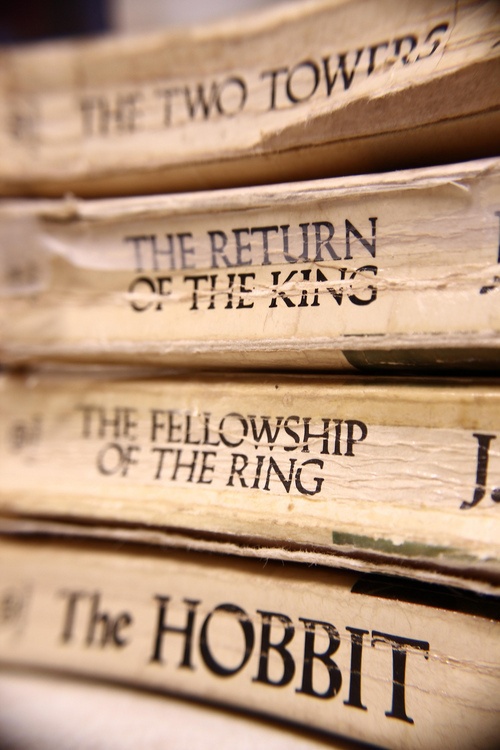
The Hobbit, written by J.R.R. Tolkien and published in 1937, is a much-adored classic of the fantasy genre. Its unique blend of world-building, rich lore, unforgettable characters, and enchanting storyline has led many to seek out similar tales. If you’ve read and loved The Hobbit, here are 20 incredible books that will intrigue and delight you with their adventurous plots, engaging characters, and fantastical worlds.

  1. The Chronicles of Narnia by C.S. Lewis
  2. His Dark Materials Trilogy by Philip Pullman
  3. The Earthsea Cycle by Ursula K. Le Guin
  4. The Dark is Rising Sequence by Susan Cooper
  5. The Wheel of Time Series by Robert Jordan
  6. Redwall Series by Brian Jacques
  7. Stardust by Neil Gaiman
  8. A Wizard of Earthsea by Ursula K. Le Guin
  9. The Fionavar Tapestry Trilogy by Guy Gavriel Kay
  10. Inkheart Trilogy by Cornelia Funke
  11. The Kingkiller Chronicle by Patrick Rothfuss
  12. The Riddle-Master Trilogy by Patricia A. McKillip
  13. The Sword of Shannara Trilogy by Terry Brooks
  14. Magician Series by Raymond E. Feist
  15. Eragon from the Inheritance Cycle series by Christopher Paolini
  16. Watership Down by Richard Adams
  17. The Chronicles of Prydain Series by Lloyd Alexander
  18. The Abhorsen Trilogy Series (also known as Old Kingdom) by Garth Nix
  19. Among Gnomes & Trolls (Svenska Folksagor) an anthology edited Erland Lagerlof & Johan August Strindberg
  20. Master and Margarita – Russian Classic fantasy novel by Mikhail Bulgakov

Conclusion:

The world of fantasy literature is vast, and there are countless adventure stories filled with whimsy, wonder, and suspense. The books mentioned above share many similarities with The Hobbit—a captivating story, a richly imagined universe, and unforgettable characters. Dive into these literary adventures and rekindle the magic that first captured your imagination in Tolkien’s timeless classic.


20 Activities to Boost 8th Grade Reading Comprehension

Introduction:

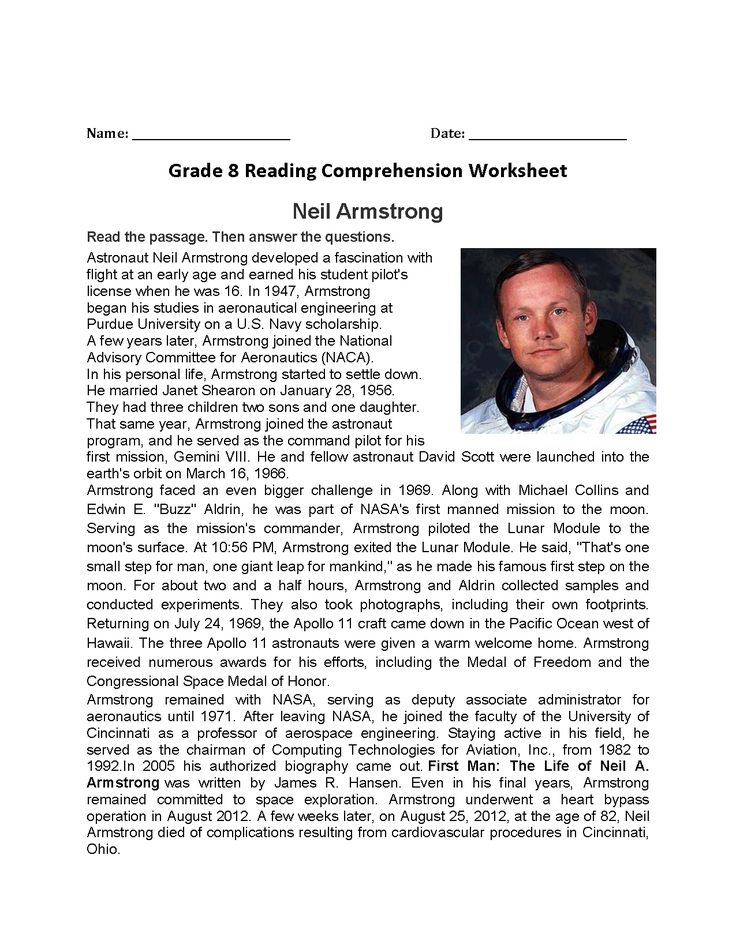
Reading comprehension is a crucial skill for 8th graders as they prepare for high school and beyond. Engaging, entertaining, and educational activities can help students refine their abilities and make reading both productive and enjoyable. Here are 20 activities that prompt learners to develop their understanding of diverse texts and boost their reading comprehension skills:

1.Book Clubs: Form small groups of students with similar reading interests to read, discuss, and analyze various books together.

2.A Picture is Worth a Thousand Words: Challenge students to create a visual representation (illustration, diagram, or collage) that summarizes the main ideas of a text.

3.Compare & Contrast: Identify common themes among several texts and encourage students to write an essay comparing those themes.

4.Vocabulary Scavenger Hunt: Instruct students to identify new or challenging words in a text and research their definitions.

5.E-reader Activities: Utilize e-readers or tablets with interactive features that promote active reading strategies, such as highlighting and annotating passages.

6.Character Journals: Have students write journal entries from the perspective of a character in the story they’re reading to enhance their understanding of character development and motivation.

7.News Analysis: Assign current events articles for students to read and have them summarize key points, analyze bias, and connect the content to their lives.

8.Dramatic Interpretations: Assign roles to students and have them act out scenes from a book or play to deepen their comprehension through embodiment.

9.Summary Challenge: Instruct students to summarize chapters or stories using Twitter’s former 140-character limit to hone their summarization skills.

10.Graphic Novels: Assign age-appropriate graphic novels as supplemental material for core texts, providing visual learners with an engaging alternative format.

11.Around-the-World Reading Log: Encourage diversity by assigning texts from various cultures and having students “travel” the world through reading, logging each location visited.

12.Themed Book Groups: Organize book groups centered on specific themes, such as historical events or social issues, fostering interdisciplinary learning and discussion.

13.Adaptation Exploration: Compare and contrast different adaptations of the same story, such as comparing a book to its film or stage version.

14.Timelines: Have students create visual timelines of events in a narrative, enhancing their understanding of plot structure and sequencing.

15.Reading Reflections: Encourage students to keep a reading journal where they reflect on their emotions, connections, questions, and predictions while reading.

16.Author Studies: Direct students to explore an author’s body of work and investigate their writing style, themes, and unique perspectives across different texts.

17.Creative Writing Connection: After completing a text, have students write an alternative ending or create their own short stories inspired by the subject matter.

18.Read-Aloud & Listen: Combine reading aloud with audiobooks to model fluency and support auditory learners in developing their comprehension skills.

19.Poster Project: Assign students to design posters that visually communicate key elements of a story, such as setting, theme, and character relationships.

20.Debate Teams: Have students choose opposing viewpoints from a text and defend them in a structured debate setting, highlighting critical thinking skills while engaging with the material.

Conclusion:

These 20 activities offer various methods for boosting 8th grade reading comprehension. Interactive and creative approaches can foster interest in reading while improving overall comprehension skills. By incorporating these activities into the classroom or home learning environment, teachers can help students build essential aptitude for more complex readings that await them in high school and beyond.

22 Great 3rd Grade Read Alouds For The Classroom

Introduction:

Finding the perfect list of books to read aloud to your 3rd grade students can be a challenge, but we’ve got you covered! These 22 books are perfect for captivating young minds and encouraging a love of reading in your classroom. From tales of friendship and adventure to stories about perseverance and self-discovery, these books will capture the hearts of your students and help to create an engaging learning environment.

  1. “Charlotte’s Web” by E.B. White
  2. “The Tale of Despereaux” by Kate DiCamillo
  3. “James and the Giant Peach” by Roald Dahl
  4. “The Miraculous Journey of Edward Tulane” by Kate DiCamillo
  5. “Because of Winn-Dixie” by Kate DiCamillo
  6. “Matilda” by Roald Dahl
  7. “My Father’s Dragon” by Ruth Stiles Gannett
  8. “Ramona Quimby, Age 8” by Beverly Cleary
  9. “Sideways Stories from Wayside School” by Louis Sachar
  10. “The Magic Tree House Series” by Mary Pope Osborne
  11. “Little House on the Prairie” by Laura Ingalls Wilder
  12. “Frindle” by Andrew Clements
  13. “Sarah, Plain and Tall” by Patricia MacLachlan
  14. “Pippi Longstocking” by Astrid Lindgren
  15. “The Mouse and the Motorcycle” by Beverly Cleary
  16. “A Wrinkle in Time” by Madeleine L’Engle
  17. “Mr. Popper’s Penguins” by Richard Atwater and Florence Atwater
  18. “The Boxcar Children Series” by Gertrude Chandler Warner
  19. “The Borrowers” by Mary Norton
  20. “The Phantom Tollbooth” by Norton Juster
  21. “Stuart Little” by E.B. White
  22. “The Chronicles of Narnia Series” by C.S. Lewis

Conclusion:

With this list of 22 phenomenal 3rd grade read-alouds, your students will be eager to listen, learn, and explore the world of literature. Incorporate these books into your daily routine to spark the joy of reading in your classroom and foster an environment where students feel comfortable and excited to share their thoughts and ideas about the stories they encounter. So grab a comfy chair, gather your students, and dive into these fantastic books that will inspire a love for reading that will last a lifetime.