School Leadership

Trends in Principal Demographics and Qualifications

Introduction:

Over the past few years, the educational landscape has evolved rapidly, leading to significant changes in the demographic and qualification trends among school principals. The role of a principal is essential in shaping the future of the student community and fostering an inclusive and progressive learning environment. Today, we examine these emerging trends in principal demographics and qualifications.

1. Increasing Gender Diversity:

One noteworthy trend in principal demographics is the push for increased gender diversity. Traditionally, men have occupied a majority of leadership roles in schools, but recent years have seen a rise in the number of female principals. This progress towards gender parity has been crucial for promoting diverse perspectives and approaches within school leadership.

2. Broader Ethnic Representation:

As global awareness regarding diversity and inclusivity continues to grow, it is now more vital than ever to ensure that all ethnic backgrounds are fairly represented among school principals. As such, many schools are now prioritizing diverse recruitment, which aims to fill principal positions by candidates from underrepresented ethnic groups. This initiative is crucial for fostering understanding and cultural harmony within school communities.

3. Advanced Academic Credentials:

The rigorous demands of leading a school have led to a shift towards higher qualifications among principals. More and more schools expect their leaders to hold advanced degrees such as masters or doctorates, particularly in education or administration fields. Moreover, some prefer candidates with additional certifications such as National Board Certification or Teacher Leadership Institute training.

4. Professional Development Opportunities:

In line with the aforementioned focus on academic credentials, professional development programs play an essential role in ensuring that principals stay updated with current best practices in their field. Schools now invest significantly more time and resources into training programs aimed at equipping their principals with advanced skills related to technology integration, team management, data-driven decision-making, and student-centered learning approaches.

5. Growth of Nontraditional Pathways:

The rising demand for competent school leaders has led to an increase in nontraditional pathways such as transition to teaching programs or principals who begin their careers in non-educational sectors. These unconventional candidates can offer varied skills and experiences that contribute to a well-rounded school environment.

Conclusion:

The evolving trends in principal demographics and qualifications have the potential to improve the educational landscape significantly. Encouraging diversity, prioritizing professional development, and opening up nontraditional career pathways paints an optimistic picture for the future of school leadership. Pursuing these trends with vigor is essential in fostering learning environments where both students and faculty can thrive together.

6 Warm & Inviting Principal Offices You’ll Want to Copy

As the principal of a school, having an inviting office sets the tone for visitors, teachers, and students alike. An ideal office offers a welcoming atmosphere while still maintaining professionalism. Here are six warm and inviting principal offices that you’ll want to copy, and make your own.

1. Rustic Elegance

Incorporate a rustic yet elegant feel into your principal’s office by utilizing reclaimed wood for furniture and shelves. Pair this with cozy textile elements such as fluffy throw pillows, a soft area rug, and floor-to-ceiling drapes. Add warm lighting like table lamps or chandeliers to complete this look, creating an environment perfect for staff meetings or student consults.

2. Chic Minimalism

If you prefer a modern approach, a chic minimalistic design will showcase the perfect balance between organization and comfort. Use neutral shades like white and gray as your primary color palette with pops of color such as green plants or brightly colored art pieces. Opt for sleek furniture with clean lines and individual compartments to ensure tidiness and structured appearance.

3. Library Hideaway

Transform your principal office into a literary retreat by centering the design around bookshelves filled with novels, reference materials, and educational texts. Comfortable seating areas featuring armchairs and nooks surrounded by books will create an inviting atmosphere for independent reading or discussions between staff members. Don’t forget to include good lighting throughout.

4. Vintage Schoolhouse

Draw inspiration from classic schoolhouse designs by incorporating vintage-inspired furnishings like old-style wooden desks, chalkboards, or metal storage lockers. Then blend modern elements like ergonomic seating or convenient charge ports to provide practicality alongside nostalgia. This fusion of old and new will charm both students and staff alike.

5. Zen Retreat

Turn your principal office into a calming sanctuary by integrating elements of zen-inspired interior design. Soft neutral tones that evoke an earthy feel should be used alongside natural materials such as bamboo, stones, or plants. Incorporate comfortable seating arrangements and minimal clutter to promote a sense of tranquility and focus.

6. Creative Lounge

Showcase your creative side and foster collaboration in a principal’s office that doubles as an innovative lounge. Make use of colorful furniture, bold art pieces, and diverse textures to add character to the room. Create distinct zones with different seating styles for brainstorming sessions, group work, or one-on-one meetings.

In conclusion, having a warm and inviting principal office can set the tone for how students and staff perceive your leadership style. By drawing inspiration from these six styles, you can create a space that reflects your own unique personality while also helping to foster a positive and supportive environment at your school.

6 Ways Principals Are Finding Joy This Holiday Season

The holiday season is a time for joy and reflection, and it’s no different for school principals. Despite the challenges that educators have faced this year, principals are finding unique ways to embrace the holidays and bring cheer to their schools. Here are six ways that principals are finding joy this holiday season:

1. Organizing Festive Entertainment

One way principals are keeping spirits high is by organizing festive entertainment in their schools. From musical performances to winter-themed plays, students and staff have the chance to showcase their talents and bring the community together.

2. Decorating the School

Principals are encouraging students, teachers, and staff to work together in decorating their schools for the holidays. This collaborative effort not only fosters a sense of unity but also gives everyone a chance to express their creativity.

3. Community Service Projects

Many principals use the holiday season as an opportunity to give back to their communities through charitable activities. By organizing food or clothing drives, volunteering at local shelters, or supporting families in need, schools are able to make a positive impact on those around them.

4. Emphasizing Mental Health and Well-being

The holidays can be stressful for both students and staff. Recognizing this, many principals are taking steps to promote mental health and well-being within their schools. Meditation sessions, relaxation techniques, and mindfulness exercises are just a few examples of initiatives that can improve overall morale during this busy time.

5. Virtual Celebrations

Given that many activities have shifted online due to the ongoing pandemic, some principals are utilizing virtual platforms for holiday celebrations. Students and staff can participate in virtual gatherings or school-wide events such as online talent shows or trivia games.

6. Taking Time for Personal Reflection

Finally, many principals are finding joy this holiday season by taking time for personal reflection on their accomplishments and growth throughout the year. This quiet introspection allows them to consider new possibilities for the upcoming year and find a renewed sense of purpose in their roles as educators.

In conclusion, despite the many challenges that principals face, they are still finding ways to experience joy this holiday season. By focusing on community engagement, mental health, and creative approaches to celebration, principals can foster an atmosphere of positivity and unity within their schools.

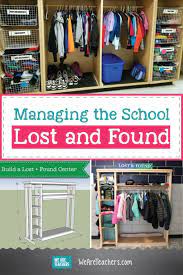
Best of HELPLINE: Managing a School Lost & Found

Introduction:

Managing a school can be a challenging task, and one aspect that frequently demands attention is the lost and found department. A well-maintained lost and found system can significantly reduce the number of unclaimed items and improve the overall atmosphere within the school.

In this article, we will discuss tips, tricks, and innovative approaches to managing a successful school lost and found system.

1. Setting up a designated area:

The first step in creating an efficient lost and found system is setting up a designated area within the school. Ideally, this area should be easily accessible for both students and staff. The space must be organized and properly maintained to ensure that misplaced items are easily identifiable and returned to their owners.

2. Creating a labeling system:

It’s crucial for schools to establish a consistent labeling system that allows for easy identification of belongings. Encourage students to put their names on personal items such as backpacks, lunchboxes, water bottles, jackets, and other personal belongings.

3. Regular checks and announcements:

Assign staff members or student volunteers to regularly check the lost and found area for any newly-added items. This ensures that all belongings are properly sorted, tagged, and accounted for.

Announcements can be made during morning assemblies or even during class routines to remind students about checking the lost and found. Implementing continuous reminders for both students and staff will aid in timely retrieval of misplaced belongings.

4. Involving parent volunteers:

Working with parent volunteers helps ease the burden of managing a lost & found department while providing an opportunity for parents to participate in the school community actively. Parent volunteers can help sort, organize, tag items accordingly, connecting with other parents if required.

5. Setting end-of-term deadlines:

Establish deadlines at the end of each term or semester for unclaimed items in the lost and found, reminding students to check for their missing belongings. After the deadline, consider donating unclaimed items to local charities or sending them to recycling centers.

6. Embracing technology:

Consider using technology-based solutions such as mobile apps to help manage a lost and found inventory better. These apps can help administrators catalog, photograph, and store essential information about misplaced items, making it easy for students, parents, and staff members to search for lost belongings online.

7. Celebrating success stories:

Occasionally share stories of successfully returned items with the school community through newsletters or social media posts. This reinforces the importance of the lost and found system, encourages participation, and helps maintain a positive atmosphere within the school.

Conclusion:

Managing a school lost & found is an essential aspect of maintaining school order and ensuring students take responsibility for their belongings. By following these tips and finding creative solutions that fit your unique school environment, you can create an efficient system that benefits all involved parties. Ultimately, this results in fewer misplaced items and a more organized and happy learning community.

Help! My Principal Calls Us By Our Last Names and It Drives Me Crazy!

Navigating the hallways of high school can be stressful enough, but for many students, there is an additional stressor that grates on their nerves every day: a principal who addresses them by their last names. While some may argue that it’s a sign of respect or formality, many students find the practice antiquated and impersonal.

The History of Addressing by Last Names

Traditionally, addressing individuals by their last names was a way to demonstrate respect and maintain a professional distance between authority figures and their subordinates. Teachers and principals often used this practice as a means of establishing authority and fostering an environment of discipline and order. However, times have changed, and so have the attitudes towards formalities in education.

Formality vs. Connection

Educational research has shown that strong teacher-student relationships are vital in promoting student engagement and academic success. When educators consistently use a student’s last name, it may create a barrier that makes it more difficult for the student to feel supported and understood. As society shifts towards valuing close relationships between teachers, students, and administrators, addressing students by their last names seems out of place in today’s educational landscape.

Lost Personal Identity

For many students, being addressed by their last name can evoke feelings of frustration since it strips away an essential part of their identity: their first name. A first name is unique to each person and plays a significant role in self-identity. By only using last names, authority figures may unintentionally make students feel faceless or robotic.

The Impact on Students

For some students, being called by their last name may lead to feelings of anxiety or discomfort at school. It may even deter them from reaching out to teachers or administrators when they need help or support. By using these outdated tactics in classrooms or around campus, educators risk negatively impacting the emotional well-being of their students.

Archaic or Respectful?

While some argue that using an individual’s last name is a sign of respect and formality, many students see it as an unnecessary barrier between themselves and their education. Furthermore, many teachers are opting to use a more casual approach, addressing students by their first names to bridge the gap, create a sense of rapport, and foster a more nurturing school environment.

Potential Solutions

For administrators who wish to maintain a level of professional distance while still creating a warm and inclusive environment, one potential solution is to use honorifics followed by the student’s first name, such as Mr., Ms., or Mx. This way, educators can convey respect without sacrificing personal connection. Alternatively, principals can adopt the practice of using first names and openly communicate in their school communities about the shift in formality to promote understanding and inclusivity.

In conclusion, being called by one’s last name may seem like a small issue; however, such traditions can significantly impact students’ emotional well-being and overall school experience. By embracing change and fostering strong relationships with all members of the school community, educators can ensure that every student feels valued, connected, and ready to succeed.

10 Motivational Quotes for Principals From Super Bowl Coaching Legends

Introduction: Running a successful school is like running a winning team. It requires effective leadership, teamwork, dedication, and passion for achieving excellence. Here are 10 motivational quotes from Super Bowl coaching legends that can inspire principals and educational leaders to guide their schools towards greater success.

1. “Success is not forever, and failure isn’t fatal.” – Don Shula

Emphasize the importance of learning from failure and moving forward with determination. Successes should be celebrated but not taken for granted.

2. “Perseverance can overcome all obstacles. Even the laws of nature cannot stop it.” – Vince Lombardi

Remind your team that persistence and hard work are critical in overcoming challenges, both in the classroom and in life.

3. “Setting a goal is not the main thing. It’s deciding how you will go about achieving it and staying with that plan.” – Tom Landry

Encourage educators to create action plans for reaching their goals, both short-term and long-term, and committing to them.

4. “The difference between ordinary and extraordinary is that little extra.” – Jimmy Johnson

Inspire teachers and staff to go the extra mile in making each student’s experience unique, engaging, and memorable.

5. “You don’t know what pressure is until you play for five bucks with only two bucks in your pocket.” – Lee Trevino

Teach faculty and students alike about the importance of managing stress from competition or ambition without letting it control their actions.

6. “Do your job!” – Bill Belichick

An essential quote that every educator needs to focus on: ensure all staff members understand their roles and perform them effectively.

7. “Attitude is contagious – Is yours worth catching?” – Lou Holtz

Promote positivity among your staff by encouraging a growth mindset, focusing on improvement, and spreading energy to lift others.

8. “If you are not fired with enthusiasm, you will be fired with enthusiasm.” – Vince Lombardi

Drive your team to approach their work with passion so that they are not only better educators but also serve as an inspiration for their students.

9. “Recognize the wins. No matter how small.” – Jon Gruden

Celebrate achievements at every level, from individual student milestones to entire school accomplishments. Acknowledging triumphs creates motivation for continued success.

10. “Success isn’t measured by money or power or social rank. Success is measured by your disciplineand inner peace.” – Mike Ditka

Remind your staff and students to focus on personal growth and finding satisfaction in reaching their potential, rather than external achievements alone.

Conclusion: Excellent leadership is essential in creating thriving schools. These motivational quotes from Super Bowl coaching legends encapsulate the wisdom, determination, and teamwork needed to drive successful educational institutions forward. Use these valuable insights to motivate and inspire your staff and students as they strive for excellence daily.

Help! My Principal Grades Teachers Like We’re Students

Introduction:

Imagine walking into your workplace every morning, only to find out that you will be graded just like a student. This is the reality for some educators who are subjected to a controversial practice currently happening in some schools. The principal evaluates and grades teachers as if they were students, complete with numerical evaluations or letter grades. This article explores the growing trend of treating teachers like students and its potential impact on the education system.

The Grading System for Teachers:

In recent years, a few schools have adopted a new approach for teacher evaluation that involves principals assigning grades to their staff based on their performance. The criteria considered can range from classroom management skills, student test scores, lesson plan delivery, and other professional development aspects. While these factors are essential in measuring teacher effectiveness, assigning a grade puts teachers under intense pressure and could lead to an unhealthy work environment.

Effects on Educator Morale:

The implications of this evaluation system are far-reaching; it affects more than just numerical scores or letter grades. Treating teachers like students can have detrimental effects on their morale and self-esteem. Teachers may feel that their experience and expertise are being undervalued by being reduced to such a simplistic assessment. Moreover, it can lead to self-doubt about their abilities as educators and leave them feeling demotivated.

The Impact on Collaborative Relationships:

One of the essential aspects of being an effective educator is collaborating with colleagues to share best practices and support one another in improving teaching approaches. However, when teachers are graded like students, a sense of competition arises. Faculty members may become reluctant to share insight or collaborate in fear that sharing their ideas would put them at a disadvantage in the grading system.

Implications for Student Outcomes:

Teachers’ mental well-being and collaborative relationships directly impact student achievement and growth. When teachers feel unsupported and stressed in their profession, they may not perform to the best of their ability, which may lead to subpar student outcomes. Additionally, with the focus on numerical scores and rankings, educators might prioritize improving those metrics rather than considering students’ unique needs.

Alternatives to Grading:

A more holistic approach should be adopted when evaluating teachers. Instead of grading based on a rigid set of criteria, consider providing constructive feedback and open dialogue opportunities for growth. Encourage cooperation among faculty members and prioritize professional development through workshops and training programs. This type of approach fosters an atmosphere of shared learning and improvement, benefiting teachers and students alike.

Conclusion:

Grading teachers like students may have been intended as a method to monitor and improve performance. However, its unintended consequences can adversely affect teachers’ well-being, collaborative relationships, and ultimately student outcomes. Rather than implementing such a divisive practice, schools must find ways to foster growth, cooperation, and professional development among educators to ensure an effective learning environment for all involved.

Dear School Leaders, Please Stop Cutting Recess for Kids

Introduction

In recent years, we have seen a worrisome trend in our education system — more and more schools are cutting back on recess time for children. Under the pretense of focusing on academics and preparing students for standardized tests, many school leaders have decided to sacrifice crucial playtime for our kids. This article will discuss why eliminating or reducing recess is counterproductive and why we need to shift gears and prioritize playtime for our children.

The Importance of Recess

Recess is an essential part of a child’s educational experience. It is a time designated for students to engage in unstructured play, socialization, physical exercise, and mental relaxation. Numerous studies have shown that students who participate in regular recess break exhibit higher academic performance, reduced stress levels, increased creativity, improved social skills, and better concentration.

The Physical Benefits

Kids need time to move their bodies and expend energy. Sedentary lifestyles have become increasingly common among children due to an increase in screen time and restrictions on outdoor activities. Recess breaks help combat this by getting kids up, running around, and participating in physical games. Participation in regular physical activity during school hours can lead to long-term health improvements and reduced risk of childhood obesity.

Socialization Skills

One significant aspect of recess often overlooked is the chance children get to hone their social skills. Free play allows kids to interact with their peers in an unstructured setting, fostering social learning experiences they may not have in a controlled classroom environment. Children learn how to communicate effectively with others, develop empathy by understanding different perspectives, cultivate leadership skills, engage in healthy competition, and resolve conflicts.

Cognitive Development

Recess has been linked to improved cognitive functioning among children as well. Studies show that when children take regular breaks from academic tasks during the day, their ability to focus improves significantly as their brains get refreshed. Unstructured play also stimulates children’s creative thinking by allowing their minds to wander, which in turn promotes problem-solving and critical thinking skills.

The Detrimental Effects of Recess Reduction

When schools prioritize academic achievement over play—and cut back on recess time—it often produces adverse effects. Reducing or eliminating recess can lead to increased stress levels, difficulty focusing, reduced social interaction skills, and poor emotional regulation among students. All of these factors can harm academic performance instead of enhancing it.

Conclusion

As school leaders, the importance of promoting well-rounded development in our children cannot be overstated. Academics are critical, but so is playtime. By nurturing a balance between the two, schools can create an environment in which students experience more than just academic success; they develop physically, emotionally, and socially as well. We must resist the pressure for relentlessly high test scores and emphasize the importance of recess in shaping healthy, happy kids who are prepared to face all challenges that life throws their way.

10 Tweets That Capture How Sandy Hook Changed Teaching Forever

On December 14, 2012, the unimaginable happened when a gunman entered Sandy Hook Elementary School in Newtown, Connecticut, killing 26 people, 20 of whom were young children. This heart-wrenching tragedy affected not just the families of the victims but also deeply impacted teachers and educational institutions around the world. Here are 10 tweets that capture how Sandy Hook changed teaching forever.

1. @teacher123: “Before Sandy Hook, we focused on academics and learning. Now, safety is paramount. Lockdowns and security drills are the norm. #SandyHookChangedUs”

2. @teachermommylife: “I remember watching the news in disbelief that day. It shaped my approach to teaching – making sure emotional well-being is a priority for all students. #NeverForgetSandyHook”

3. @educatorforchange: “It’s heartbreaking that our classrooms have become fortresses. As an educator, I’ve seen school services shift to ensure mental health support for students post-Sandy Hook.”

4. @ilovemyjobteaching: “Sandy Hook changed everything… from entrance buzzers to safety vests worn by staff during outside supervision, we’ll never teach the same way again.”

5. @readytoserveandprotect: “After witnessing heroes like Victoria Soto (Sandy Hook teacher) sacrifice their lives for their students, I knew I had a higher calling as a teacher.”

6. @mindfulteaching: “Sandy Hook has made us realize teaching reaches beyond the curriculum; we must foster empathy & compassion in our students to end gun violence.”

7. @nationalparentsassociation: “Schools across America have adopted new policies on visitors and security measures since that tragic day at Sandy Hook Elementary School. #EducationFirstSafetyAlways”

8. @teacherstransforminglives: “My fellow teachers and I now receive training in crisis & trauma intervention to adapt to the harsh reality that Sandy Hook brought to our schools.”

9. @armsoflove: “Sandy Hook changed the way we talk about mental health in schools. With better support systems now in place, we can protect our children and help those in need.”

10. @21stcenturyteaching: “In the years since Sandy Hook, technology has helped improve school security systems. By investing in innovation, we ensure our classrooms are safer for everyone.”

These tweets remind us of the profound impact that the tragedy at Sandy Hook Elementary School had on education and teaching worldwide. As we reflect on those lost, may their memories continue to inspire us to make a positive change in our schools and communities.

How to Transform School Recess and Improve School Culture

Introduction:

Recess is an important aspect of the school day, giving students the opportunity to unwind, socialize, and engage in physical activity. However, recess can also be a chaotic and unproductive time, leading to unnecessary conflicts and negative influences on school culture. This article outlines various strategies that schools can implement to enhance recess experiences and promote a positive learning environment.

1. Create Structured Play Zones:

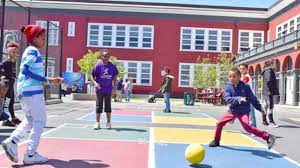
Divide the playground into designated play zones that cater to different interests, age groups, and abilities. This can include a quiet zone for reading or drawing, a sports area for organized games, an imaginative play section with props and costumes, and a free-play zone for spontaneous activities. When students are aware of their space options, it encourages them to participate in activities they enjoy while minimizing conflicts.

2. Set Clear Expectations and Enforce Appropriate Behavior:

Establish clear guidelines for appropriate conduct during recess time. Encourage students to respect one another’s space, share equipment fairly, and demonstrate good sportsmanship. Implement a conflict resolution system, such as utilizing “peace corners” where students can vent their frustrations or resolve disagreements independently.

3. Train Adult Supervisors:

Provide training for teachers or adult supervisors on effective recess management techniques, such as proactive supervision and facilitation of inclusive activities. This will create safer environments for students while also minimizing bullying incidents.

4. Incorporate Physical Education Teachers or Coaches:

Incorporating physical education instructors or coaches into the playground rotation can help organize games effectively and maintain engagement in physical activities. This approach fosters team spirit while teaching valuable life skills like cooperation, leadership, and perseverance.

5. Formulate Recess Committees:

Develop student-led recess committees responsible for planning fun events like spirit days or theme-based activities that build a sense of community among pupils. Getting students involved in organizing their own breaks promotes autonomy as well as ownership of the school culture.

6. Utilize Peer Mentoring Programs:

Introduce peer mentoring programs where older students tutor and guide younger students during recess. This fosters meaningful relationships and leadership opportunities, and ensures that all students find their niche at school.

7. Encourage Parent Involvement:

Invite parents to participate in activities such as coordinating recess clubs or volunteering as playground supervisors, creating a sense of unity among all stakeholders in the school community.

Conclusion:

Transforming school recess into a well-rounded and engaging experience can have profound effects on overall school culture by encouraging positive behaviors, strengthening student relationships, and enhancing the academic environment. By implementing these strategies, schools can create an inclusive and healthy atmosphere where children flourish—and recess remains an essential component of a well-rounded education.