School Leadership

Help! I’m a New Principal and I Need Interviewing Advice

As a new principal, it’s natural to feel overwhelmed with the responsibility of hiring the right educators for your school. It’s important to remember that interviewing is a skill that can be developed with practice and experience. In this article, we will discuss seven essential interviewing tips to help you confidently select top-notch people for your team.

1. Review Resumes in Detail

Carefully reviewing each candidate’s resume is crucial before conducting the interview. Pay attention to their educational background, experience in teaching, and any certifications they hold. This will give you valuable insight into their suitability for your school and help you craft informed questions during the interview.

2. Create a Consistent Process

To ensure fairness in the hiring process, apply the same criteria and steps to evaluate all candidates. Take notes during each interview to make sound evaluations and decisions after the process is complete.

3. Prepare Meaningful Questions

An effective interview involves asking questions that reveal a candidate’s qualifications, skills, and personality traits required for the role. Prepare open-ended questions aimed at understanding their teaching philosophy, classroom management style, collaboration strategies, and how they address challenges.

4. Encourage Candidates to Share Their Stories

Allow candidates to share their experiences by asking situational questions or discussing past scenarios where they had to make significant decisions or solve problems. This approach will provide valuable information about their practical skills and how they handle real-life situations.

5. Assess Cultural Fit

It’s crucial to ensure that new hires align with your school’s culture and values. Ask questions about the candidate’s beliefs regarding teaching methods, student discipline approaches, and their expectations of an educational environment. Their answers will help gauge if they are a good fit for your school community.

6. Reserve Time for Candidate Questions

Leave room at the end of each interview for candidates to ask questions about your school or the position itself. Their inquiries can provide insight into their level of interest and commitment to the role and offer you an opportunity to share additional information about your institution.

7. Thoroughly Review All Candidate Information

Before making a final decision, be sure to gather and review all relevant information about each candidate. Compile interview notes, reference checks, background checks, and any other necessary evaluations to make an informed hiring decision.

In conclusion, effective interviewing as a new principal is achievable by preparing well-structured questions, maintaining a consistent process, evaluating cultural fit, and thoroughly reviewing all candidate information. With practice and experience, you’ll become adept at identifying strong education professionals that will contribute to the success of your school.

Here’s How to Volunteer With Your High School Students (Seriously, These Kids Will Inspire You)

Introduction

As a mentor or teacher, you may have seen the remarkable potential in your high school students. Their willingness to learn and grow is truly inspiring. One of the best ways you can tap into this potential is by volunteering alongside them. Not only does community involvement provide opportunities to develop social, communication, and problem-solving skills, but it also fosters a sense of responsibility and empathy in our young learners. In this article, we will discuss various steps to consider when volunteering with high school students, as well as some inspiring stories from successful student volunteer projects.

Step 1: Identify the Interests and Skills of Your Students

Before embarking on any volunteer project, make an effort to understand your students’ interests and skills. By doing so, you can help tailor volunteer activities that will both challenge them and allow them to make meaningful contributions.

Step 2: Research Available Opportunities

To make the most of your volunteering experience, look into different organizations or local nonprofits near your school that offer opportunities for volunteers. Don’t shy away from reaching out to coordinators at these institutions for more information – they will be more than happy to guide you through the process.

Step 3: Plan the Project

Once you’ve identified an organization to partner with, plan out a detailed project roadmap together with your students. Define individual roles and tasks while also setting clear goals for everyone involved. Establish a timeline and develop a strategy for addressing any obstacles that may arise along the way.

Step 4: Prepare Your Students

Before starting any community service projects, ensure that all participating students are well prepared physically and mentally. This includes discussing safety guidelines and expectations while also addressing any concerns they might have.

Inspiring Stories of High School Student Volunteers

1. Habitat for Humanity Home Builds

A group of committed high school students from Colorado spent their spring break volunteering with Habitat for Humanity. Not only did they help build a home for a struggling family, but they also learned valuable carpentry and teamwork skills in the process.

2. Environmental Conservation Projects

In an effort to preserve natural habitats, passionate high school students from Texas volunteered to help clean up their local beaches and parks. They collected trash, planted trees, and educated fellow community members about environmental conservation.

3. Tutoring for Elementary Students

Some high school students from Florida came together to tutor younger children who were struggling academically and needed additional support. As tutors, the high schoolers helped boost the children’s self-esteem while also improving their own leadership and communication abilities.

Conclusion

Volunteering with high school students can provide lifelong benefits not only for the volunteers themselves but also for the communities they serve. As a mentor or teacher, take the initiative to involve your students in meaningful volunteer work where they will make a difference and acquire valuable life skills. These experiences will not only empower them but also provide inspiring stories we can all learn from.

Changing Teacher Feedback May Improve School Culture

Introduction:

A strong and healthy school culture is a crucial factor in student success and overall growth. It not only impacts academic performance but also nurtures mental and emotional wellbeing among students. Teacher feedback plays a critical role in shaping this healthy school environment. This article explores how changing the way teachers provide feedback can positively impact school culture.

Understanding the Current Scenario:

Traditional teacher feedback approaches often emphasize rote learning, test scores, and compliance. Such methods can lead to increased competition, stress, and anxiety among students. These practices often create an environment where rankings and standardized test results take precedence over creativity, critical thinking, and personal development.

Embracing a Different Approach:

To improve school culture, a change in perspective regarding teacher feedback is necessary. An effective way is by shifting the focus from mere task-completion to recognizing the value of effort, collaboration, and skill development. This approach allows teachers to concentrate on students’ progress rather than just their test performance.

Implementing Change:

To bring about this change in their feedback approach, teachers can adopt the following strategies:

1. Focus on Growth Mindset: Encouraging students to believe in their ability to improve promotes resilience, determination, and active learning. Teach them that making mistakes is a natural part of the learning process, leading to growth and improvement.

2. Descriptive Feedback: Instead of merely providing numerical scores or grades, teachers should offer specific insights into areas where students excel or need improvement. Offering guidance on how to enhance their skills will help students implement these suggestions effectively.

3. Encouraging Peer Feedback: Incorporating peer review sessions where classmates exchange constructive critiques can help develop social skills, empathy, mutual respect, and collaborative work attitudes among students.

4. Emphasize Personal Learning Goals: Encourage students to set personal learning objectives instead of comparing themselves with peers. It can help alleviate unhealthy competition while fostering intrinsic motivation for learning.

5. Celebrate Small Wins: Acknowledge students’ achievements and improvements, regardless of the size. This recognition can boost their self-esteem and motivate them to keep striving for success.

Benefits of Changing Teacher Feedback:

By adopting a more holistic approach to feedback, schools can create a more inclusive and supportive environment that nurtures the following benefits:

1. Improved Academic Performance: When students receive constructive feedback and encouragement, they tend to show better academic performance due to increased motivation and confidence.

2. Enhanced Social Skills: The adoption of compassionate feedback approaches teaches students essential social skills like empathy and collaboration that will serve them well in their personal and professional lives.

3. Reduced Anxiety and Stress: Creating an environment where errors are seen as opportunities for growth can significantly lower stress and anxiety levels among students, enabling them to thrive academically and emotionally.

Conclusion:

Changing teacher feedback methods has far-reaching effects on promoting a healthy school culture. Emphasizing growth, providing descriptive feedback, encouraging peer reviews, focusing on personal goals, and celebrating small wins contribute to creating a positive learning environment that enables students’ all-round development. By making these changes in their teaching approach, educators can pave the way for nurturing well-rounded individuals who excel both academically and personally.

Watch Video: Principal Duct-Taped to Flagpole, Then Slimed AND Pied

Introduction

In a recent fundraising event aimed at engaging and entertaining the whole school community, a local school principal became the talk of the town as he voluntarily participated in a memorable and hilarious activity. Not only did he allow himself to be duct-taped to a flagpole, but he also withstood being slimed and pied by students, teachers, and parents alike.

The Charitable Cause

The remarkable event was organized as part of the school’s annual fundraising drive, with proceeds going towards improving educational facilities and enhancing extracurricular activities for students. As a way to encourage donations and participation, the principal agreed to take part in a series of amusing acts that would leave him covered in slime and pie.

Duct-Taping the Principal

To kick off the day’s events, the principal bravely stood tall against the flagpole as students and other participants lined up with rolls of duct-tape in hand. Their task was simple: secure the principal to the flagpole using multiple layers of duct tape, raising funds in exchange for each strip used. Laughter filled the air as each participant reveled in their opportunity to take part in this unusual activity.

Sliming Time

After being firmly fastened to the flagpole, it was time to bring out an even messier form of entertainment. The crowd gathered around excitedly as buckets filled with bright green slime were carried to the scene. One by one, eager participants dumped bucket-loads of gooey slime over their smiling principal.

Pie in the Face

As if being duct-taped and slimed wasn’t enough, there was one more fantastic finale planned for this astonishing event. With pies readily prepared by both students and parents alike, it was time for everyone present to have their shot at tossing a creamy pie directly at their principal’s face. Each pie thrown successfully added to the funds collected, making the messy ordeal all the more worthwhile.

An Unforgettable School Memory

The principal’s extraordinary willingness to engage in such a light-hearted, humorous event brought the whole school community together for a day filled with laughter and joy. His enthusiastic participation not only raised essential funds for the school, but it also serves as a reminder that even those in authority can bond with their community for a noble cause and create unforgettable memories.

As students, teachers, and parents returned home that day, they had a comical story to share about their heroic principal who had willingly subjected himself to being duct-taped to a flagpole, slimed, and pied.

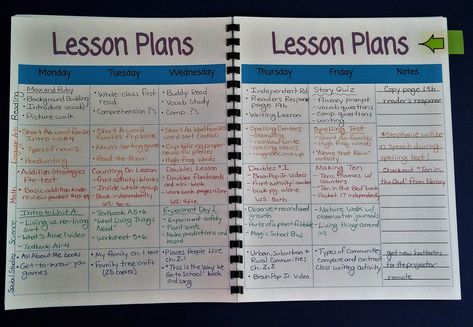
Principals Weigh In: Should Teachers Be Required to Submit Weekly Lesson Plans?

Introduction

The debate surrounding the necessity of teachers submitting weekly lesson plans has been a topic of interest for educators and administrators alike. Some argue that it helps keep both students and teachers organized, while others claim it only adds to the workload without contributing significantly to student success. In light of these varying opinions, we have sought input from school principals to better understand where they stand on this issue.

Pros of Requiring Weekly Lesson Plans

1. Ensures Consistency and Structure: Principals who support the submission of weekly lesson plans argue that it helps maintain consistency and structure throughout the school. Teachers are more likely to stay on track with their curriculum, ensuring the lessons meet state standards and goals.

2. Enhances Teacher Collaboration: Supporters believe that sharing lesson plans can lead to increased collaboration between teachers, as they can learn from each other’s approaches and borrow or adapt ideas they find useful.

3. Boosts Accountability: Requiring submission of lesson plans keeps teachers accountable for their teaching methods and ensures they are adequately preparing for each class.

4. Aids in Principal Evaluations: For principals, having a written record of a teacher’s planned lessons makes it easier to evaluate their teaching performance and offer constructive feedback.

Cons of Requiring Weekly Lesson Plans

1. Increases Workload: Opponents argue that submitting weekly lesson plans adds to the already heavy workload of many teachers, taking away precious time from more crucial tasks such as grading assignments and communicating with parents.

2. Discourages Spontaneity: Some educators believe that requiring weekly lesson plans stifle creativity and adaptability, as it discourages teachers from deviating from pre-planned activities in response to student interests or challenges that may arise during a given week.

3. Encourages “Cookie-Cutter” Teaching: Critics suggest that mandated lesson plans may push teachers towards a standardized teaching style, rather than embracing their unique skills and approaches.

4. Reduces Trust: Some principals feel that regularly requiring written lesson plans implies a lack of trust in their teachers, which may inadvertently undermine the teacher-principal relationship.

Conclusion

The question of whether teachers should be required to submit weekly lesson plans reveals deep-rooted differences in educational philosophy and purpose. As illustrated by the range of opinions among school principals, there is no one-size-fits-all answer to this complex issue. Ultimately, each school’s administration must weigh the pros and cons to determine the best approach for their unique learning environment.

Amazing Ways That Principals Celebrate Teachers

Introduction:

Every year, principals around the world look for unique and creative ways to celebrate and appreciate the teachers in their schools. Teachers play a vital role in shaping the future of the students, and it is essential to recognize their hard work and dedication. Here are some of the amazing ways that principals celebrate teachers.

1. Surprise Breakfast or Lunch

One way that principals love to celebrate their teachers is by organizing a surprise breakfast or lunch for them. This gesture not only allows the staff to have a delicious meal together but also gives them some time to relax and socialize during their busy day.

2. Personalized Notes or Letters

Sometimes, a simple handwritten note from the principal can make a teacher’s day. By writing personalized notes expressing gratitude for their hard work and dedication, principals show that they truly value each and every teacher at their school.

3. Team-Building Activities

Arranging fun team-building activities is another fantastic way for principals to celebrate teachers. These activities can range from scavenger hunts to escape rooms and provide an opportunity for both teachers and administrators to bond outside of the workplace.

4. Spotlighting Successes

Principals can use school assemblies or faculty meetings as an opportunity to spotlight teachers’ achievements and successes throughout the year, whether it be personal or professional milestones or accomplishments within the classroom.

5. Professional Development Support

Offering opportunities for professional development demonstrates that a principal values their teacher’s growth and expertise. By providing support and resources for further education, workshops, or conferences, teachers are continually motivated and appreciated in their roles.

6. Public Recognition

Social media has become a powerful tool to connect communities. Sharing stories of exceptional performance by teachers on these platforms is a great way for principals to acknowledge their hard work publicly.

7. Tokens of Appreciation

Small tokens of appreciation such as gift cards, flowers, or personalized mementos show teachers that the principal recognizes their contributions. These thoughtful gestures often mean more than any tangible gift.

8. Celebrate Teachers’ Day

Principals can help make Teachers’ Day extra special by hosting events like talent shows, inviting guest speakers to honor teachers, or organizing a festive party to celebrate their dedication and commitment to their profession.

Conclusion:

Teachers play a crucial role in the intellectual and emotional development of students. No gesture is too small when it comes to showing gratitude for their tireless efforts and dedication. Principals play a significant part in fostering an environment where teachers feel appreciated and valued. Through these amazing ways, principals can celebrate their teachers, creating thriving school communities that nurture lifelong learners.

5 Classroom Management Strategies You Can Use As a Principal

Introduction

As a principal, one of your primary responsibilities is to create a positive learning environment for students and teachers alike. A key component of this environment is effective classroom management. In this article, we will explore five classroom management strategies that you, as a principal, can implement to help support your teachers and improve the overall school climate.

1. Set Clear Expectations and Consistent School-wide Policies

One of the most important things you can do as a principal is to establish clear expectations and consistent policies for behavior across the entire school. This includes creating and communicating rules, rewards, and consequences for students and staff alike. By promoting consistency across classrooms, you not only make it easier for teachers to align their own classroom management practices with the school’s policies but also create a predictable learning environment where students understand what is expected of them.

2. Support Teachers through Professional Development

A well-trained and knowledgeable teaching staff plays an indispensable role in effective classroom management. Invest in professional development opportunities for your teachers that focus on best practices for managing classrooms, managing challenging behavior, and using positive reinforcement strategies. Regular training sessions will help your staff feel more confident, competent, and empowered in their ability to maintain control of their classrooms.

3. Foster Strong Communication between School Staff

Open lines of communication between all members of the school community are essential when it comes to maintaining order and organization. Encourage regular meetings among teachers where they can share their successes, challenges, and strategies with one another. Similarly, support easy access to yourself as the principal by making yourself available for questions or concerns from both teachers and staff.

4. Involve Parents in Classroom Management Efforts

Parents play a crucial role in establishing an effective classroom management plan. Establishing strong relationships with parents can help to maintain open lines of communication regarding student behavior both at home and at school. Invite parents to be actively involved in discipline policies through avenues like parent-teacher conferences, behavior agreements, and volunteering opportunities. By fostering these relationships with parents, you strengthen the essential partnership needed to promote positive student behavior.

5. Take a Proactive Approach to Identifying and Addressing Issues

Effective classroom management starts with proactive measures to identify potential problems and address them before they grow into larger concerns. Collect data on behavior patterns, academic performance, and attendance trends to identify areas that may require additional support or intervention. Likewise, establish visible supervision in high-traffic areas by school staff members to maintain order and create a positive school atmosphere.

Conclusion

By adopting these five classroom management strategies as a principal, you’ll take significant strides towards creating a harmonious, positive learning environment in your school. Proper classroom management leads to increased student achievement, improved teacher job satisfaction, and greater community engagement. Invest in your students, teachers, and wider school community by making effective classroom management policies a top priority for your school leadership team.

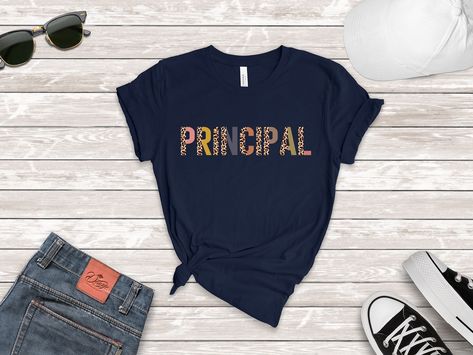
12 Must-Have Principal T-Shirts That Suit Every Administrator

In the world of education, administrators often hold essential roles in maintaining order and ensuring that their schools function smoothly. One of the ways they can demonstrate their dedication and support is by choosing to wear T-shirts with catchy slogans or logos. Here are 12 must-have principal T-shirts that suit every type of administrator.

1. “I’m Not Bossy, I’m The Principal” – An excellent choice for an administrator who exudes confidence in their leadership skills. This shirt boldly states your authority without coming across as too overbearing.

2. “Keep Calm and Let The Principal Handle It” – A friendly reminder that you’re in control and equipped to handle any situation that comes your way. This shirt promotes a sense of calmness amid potential school chaos.

3. “Principal Life: Less Sleep, More Coffee” – For those early morning risers and caffeine addicts, this shirt not only highlights your love for coffee but also acknowledges the long hours that come with being a devoted administrator.

4. “Superhero By Day, Principal By Night” – Showcase your commitment to the school by wearing this T-shirt that portrays you as a tireless superhero working for the betterment of your students.

5. “Educated, Dedicated, Motivated: That’s a Principal!” – Send a positive message to both students and staff by displaying these three key attributes of an excellent leader in education on your T-shirt.

6. “Warning: Principal Off Duty” – Give everyone a little chuckle with this light-hearted T-shirt that hints at the idea of some downtime – a rare occurrence in an administrator’s life!

7. “What happens in my office stays in my office” — Reassure both students and staff with this shirt that emphasizes confidentiality and approachability in your role as a principal.

8. “Making A Difference One Student At A Time” — Express your dedication to changing lives through education by wearing this T-shirt that highlights the significance of each and every student.

9. “The Principal Is Always Right” – A playful T-shirt that supports your authority and decision-making capabilities, while adding a touch of humor.

10. “I Survived Another School Year” – Celebrate the end of a challenging school year with this shirt, worn with pride knowing you made it through all the highs and lows.

11. “Best. Principal. Ever.” – Show your confidence and passion for your role with this bold statement T-shirt that exemplifies your excellence in education.

12. “Fearless Leader In Training” – Perfect for a new or aspiring administrator, this shirt embodies a courageous attitude to tackle the challenges of being a principal.

In conclusion, these 12 must-have principal T-shirts are not only fun and fashionable but can also send positive messages about leadership qualities and dedication to education. Embrace your role as an administrator by choosing one (or more!) of these T-shirts, and proudly display your commitment to your school community.

Principal Life Hack: How to Build a Capsule Wardrobe

Introduction

A capsule wardrobe is a collection of essential, versatile clothing items that can be mixed and matched to create a variety of outfits. Building a capsule wardrobe not only simplifies your daily routine but also promotes minimalist and sustainable living. In this article, we will cover the steps to build the perfect capsule wardrobe for your needs.

1. Evaluate Your Lifestyle & Style Preferences

Begin by assessing your lifestyle and personal style. Consider your daily activities, work environment, social life, and even the climate in your region. This will help you understand what type of clothes you need for your day-to-day life.

2. Declutter Your Current Wardrobe

Go through your current wardrobe and separate items into four categories: keep, repair, donate, and discard. Remove items that no longer fit or those you haven’t worn in over a year.

3. Identify Your Base Colors & Accent Colors

Choose two to three base colors that you can easily combine with other pieces. Common base colors include black, white, navy blue, and gray. Next, select two or three accent colors that resonate with your personal preferences. These could be more vibrant shades to complement the base colors.

4. Choose Quality Over Quantity

Invest in high-quality clothing made from durable materials that won’t wear out quickly. Good-quality garments may have a higher price tag initially but will save you money in the long run as they require less frequent replacement.

5. Pick Versatile Clothing Pieces

Opt for garments that can be dressed up or down depending on the occasion and coordinate well with other pieces in your collection. For example, a classic white shirt can be styled with jeans for casual outings or paired with a blazer for work events.

6. Aim for 30-40 Pieces per Season

A typical capsule wardrobe consists of 30-40 items (including clothing, shoes, and accessories) that can be used interchangeably to create numerous outfit combinations. Adjust this number based on your preferences and lifestyle.

7. Create a Capsule Wardrobe Checklist

Make a list of essential items to include in your capsule wardrobe. Typical examples are:

Tops: Basic T-shirts, blouses, button-down shirts, and sweaters

– Bottoms: Jeans, dress pants, skirts, and shorts

– Outerwear: Coats, jackets, and blazers

– Dresses: Casual and formal options

– Footwear: Sneakers, flats, boots, and sandals

– Accessories: Belts, scarves, hats, and bags

8. Shop Intentionally & Mindfully

When shopping for new clothing items to fill gaps in your capsule wardrobe, consider the garment’s fit, fabric quality, and how well it will mix with your existing collection.

9. Store Off-Season Items

To keep your wardrobe clutter-free, store off-season clothing pieces in a separate location or container. Rotate these items as the seasons change.

10. Fine-Tune & Maintain Your Capsule Wardrobe

As you live with your new capsule wardrobe, take note of items that get the most use and those that sit unworn. As time goes by, refine your collection to meet your evolving style and lifestyle needs.

Conclusion

Building a capsule wardrobe is an excellent way to simplify your life while cultivating a more intentional approach to fashion consumption. By implementing these steps, you will be on the way to a stylish wardrobe that serves you well in every aspect of your life.

How School Leaders Can Define a School Brand (and Why You Need One)

Introduction

A strong school brand has become essential in today’s highly competitive education landscape. It enables schools to compete for resources, attract talented students and educators, and strengthen community relationships. But how can school leaders define their school’s brand? And more importantly, why is it necessary to have one? In this article, we will explore the importance of a school brand and provide actionable strategies for building one.

The Importance of a School Brand

1. Differentiation: A unique and well-defined brand identity sets your school apart from other educational institutions. It highlights your school’s strengths and unique selling points, enabling parents and students to better understand the value your institution offers.

2. Recognition: A strong brand identity helps create top-of-mind awareness among target audiences. This ensures that when parents and students think about education, they think of your school first.

3. Trust Building: A consistent and professional brand image instills trust in your school. When stakeholders feel connected to your brand emotionally, they are more likely to support you in various ways, whether as parents enrolling their children or educators choosing to work at your institution.

4. Community-building: A well-defined school brand fosters a sense of unity among staff, students, and parents. This not only increases involvement in school activities but also enhances the overall educational experience for everyone involved.

How School Leaders Can Define a School Brand

1. Identify Your Unique Value Proposition (UVP): Begin by identifying what sets your institution apart from others. What are your key strengths – cutting-edge curriculum, dedicated faculty, or state-of-the-art facilities? Highlight these strengths to attract stakeholders who share similar values and aspirations.

2. Develop a Clear Mission Statement: Your mission statement should encapsulate the core essence of your brand while outlining your long-term objectives. Draft a clear and concise mission statement that communicates what your school stands for and its overall purpose. Make sure it resonates with your target audience.

3. Craft a Distinctive Visual Identity: A strong visual identity helps create strong associations between your brand and target audience. Work with a professional designer to create a logo, color palette, and typography that accurately represent your school’s personality and values.

4. Leverage Digital Media: Utilize digital channels, such as social media, email marketing, and your school website to showcase your brand and communicate with your audience. Well-curated content strengthens the perception of your school as an industry leader that consistently delivers on its promises.

5. Foster a Culture Aligned with Your Brand: Encourage staff and students to embrace the school’s brand values as part of their everyday interactions. This creates consistency across all touchpoints and helps stakeholders feel connected to the institution at every level.

Conclusion

Creating a strong school brand is vital for a successful educational institution in today’s competitive environment. By defining their unique value proposition, crafting a clear mission statement, designing a distinctive visual identity, leveraging digital channels, and fostering a brand-aligned culture, school leaders can build lasting bonds with students, staff, and the community at large – ultimately resulting in better educational outcomes and long-term success.