Social Studies Education

This Presidents’ Day, Celebrate by Experimenting With Coins

Introduction

As we honor the leaders of our nation’s past and present on Presidents’ Day, why not celebrate in a fun and educational way? In the spirit of George Washington (whose face adorns the American quarter) and Abraham Lincoln (gracing the penny), let’s delve into some engaging coin-based experiments. These activities will not only deepen your understanding of coins but also provide an enjoyable and memorable way to commemorate this holiday.

Experiment 1: Density Investigation

Discover the densities of various coins using a simple water displacement method. All you need are a graduated cylinder, water, and your coins.

Procedure:

1. Fill your graduated cylinder with a specific amount of water. Record the initial water level.

2. Drop in the coin and observe the water level change.

3. Calculate the volume difference to find the coin’s volume.

4. Weigh the coin using an electronic scale or balance.

5. Compute the coin’s density using its mass (weight) divided by its volume.

Repeat this process for different coins and compare their densities. You may be surprised by what you find!

Experiment 2: Coin Battery

Did you know that certain coins can generate electricity when combined with other materials? Create your own coin battery using quarters, pennies, aluminum foil, vinegar-soaked paper towels, and a voltmeter.

Procedure:

1. Cut out circular pieces of aluminum foil to match a quarter’s size.

2. Soak paper towels in vinegar and cut them slightly smaller than a penny’s diameter.

3. Create layers as follows: penny > vinegar-soaked towel > aluminum foil > quarter

4. Continue layering until you have built up multiple layers (about 5-10).

5. Attach one end of your voltmeter to the top penny and another end to the bottom quarter.

6. Measure or notice any voltage generated.

The combination of vinegar and the different metals creates a chemical reaction that produces a small electric charge. Experiment with the number of layers and see the difference in voltage output.

Experiment 3: Coin Cleaning

Have you ever wondered how to bring back the shine in old, dirty coins? Try experimenting with different cleaning solutions to see which work best.

Procedure:

1. Gather your old coins and note each coin’s initial condition.

2. Segregate coins by type and try cleaning them with various household cleaners, such as warm soapy water, vinegar, ketchup, or baking soda.

3. After applying the chosen cleaner, observe each coin’s change, if any. Remember not to scrub too hard to avoid scratching the coin’s surface or diminishing its value.

4. Record the results and compare the effectiveness of each cleaning method.

Note: Avoid using this method on valuable or collectible coins, as it may devalue them.

Conclusion

Celebrate Presidents’ Day by experimenting with coins that feature some of our country’s most influential leaders. These hands-on activities not only teach you about coins themselves but also enable you to explore fascinating scientific principles ranging from density to electricity generation to chemical reactions. This Presidents’ Day, make learning fun by diving into the world of coins!

12 Amazing Vietnam War Teaching Resources From PBS LearningMedia

Introduction:

The Vietnam War remains an essential subject in history curricula around the world. In order to engage students and promote deeper understanding of this complex and consequential era, it is imperative to have enriching teaching resources at hand. PBS LearningMedia offers an impressive collection of educational materials that provides unique insights into the Vietnam War. In this article, we will explore 12 amazing resources from PBS LearningMedia that can greatly aid educators in teaching about the Vietnam War.

1. The Vietnam War: A Film by Ken Burns and Lynn Novick

This comprehensive documentary series provides an in-depth look at the Vietnam War from diverse perspectives. It includes interviews with veterans, civilians, and experts, exploring the war’s effects on American society and culture.

2. TeachBoldly: Vietnam War Perspectives

This resource offers a variety of primary sources, including letters, photographs, interviews, and newsreels, to encourage critical thinking and reflection about different perspectives on the war.

3. The Draft and the Vietnam Generation

This interactive lesson explores the draft system during the Vietnam War and its impact on both those who served and those who resisted.

4. Inside Look: Childhood During the Vietnam War

Explore life for children during wartime through personal narratives and photographs. This resource gives students a glimpse into how war affects families and innocent bystanders.

5. Veterans Speak: The Myths of the Vietnam War

Debunk some common myths about the war through interviews with veterans who share their personal experiences and perspectives on misconceptions surrounding their service.

6. Music as Protest: The Case of the Vietnam War

Discover how music became a powerful form of protest during the war period by assessing songs from various genres that reflected social unrest and political dissent.

7. Women During Wartime

Learn about the diverse roles women played during the Vietnam War, both on the home front and overseas, and how they made a difference in the lives of countless people.

8. The Impact of War on Vietnamese Citizens

This resource offers valuable insights into the hardships encountered by Vietnamese citizens during the war and how they managed to rebuild their lives afterward.

9. Reporting Vietnam: Truth-Telling and Journalism during Wartime

Examine the role journalists played in providing accurate information about the war and assess the influence their reporting had on public perception.

10. The Power of Street Art: How Art Became an Emblem for Vietnam’s Voicing

Discover how street art became a symbol of resistance, political commentary, and catharsis for the people of Vietnam during this tumultuous time.

11. The Legacy of Agent Orange

Unravel the lingering effects of chemical warfare used in Vietnam, most notably Agent Orange, and its impact on soldiers, civilians, and veterans’ families.

12. Moving On: Poetry from Vietnam War Veterans

Encourage understanding and empathy through powerful poems written by Vietnam War veterans who recount their experiences and emotions as they grapple with the aftermath of their service.

Conclusion:

These 12 exceptional resources from PBS LearningMedia offer a diverse range of materials that can enrich lessons about the Vietnam War. Educators looking to engage students in critical thinking about this complex period in history can rely on these dynamic resources to provide comprehensive perspectives and deeper understanding.

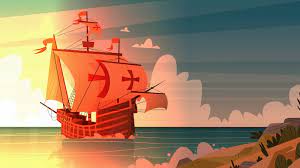
OPINION: Stop Celebrating Columbus Day in Schools

In recent years, the debate surrounding Columbus Day has come to the forefront as growing awareness about the negative impacts of the historic figure have shed light on why celebrating this national holiday might not be such a wise idea. This is especially true when it comes to our education system. While commemorative events and holidays can provide valuable learning opportunities for students, in the case of Columbus Day, continuing to celebrate it in schools perpetuates a harmful historical legacy that negatively impacts our society today.

First and foremost, it is important to acknowledge that exploring the complexities of historical figures is a crucial aspect of education. However, there is a stark difference between open discussions of these controversial pasts and outrightly celebrating them. In the case of Christopher Columbus, celebrating him as a heroic figure who made great strides for humanity presents an inaccurate narrative that bears significant consequences.

The consequences relate to the seemingly innocuous foundations upon which America was built. By venerating Columbus’ “discovery” of America, we dismiss the truth that he never actually stepped foot onto what is now mainland United States. Instead, he merely stumbled upon and subsequently colonized Indigenous lands in North America, South America, and throughout the Caribbean.

Columbus Day lends an unwarranted legitimacy to acts of violence and subjugation carried out by Christopher Columbus and his crew against Indigenous peoples. His so-called “discovery” eventuated in widespread enslavement and massacre alongside devastating outcomes from colonization efforts. This dark history remains interconnected with pressing social issues faced by Indigenous people today.

Moreover, the celebration of Columbus aboard an inaccurate narrative only contributes to perpetuating Eurocentric perspectives on history. We must strive for more critical and honest teaching approaches instead—one that includes various perspectives from diverse cultures that make up our country’s cultural tapestry.

By ceasing to celebrate Columbus Day in schools, educators have an opportunity to engage students in a more nuanced understanding of history—one that incorporates the tangled, troubling past that shaped our modern world. To replace Columbus Day, many individuals and educators advocate for celebrating Indigenous Peoples’ Day. This alternative would provide students opportunities to learn about Indigenous histories and cultures that have been historically marginalized or erased.

In conclusion, it is time to reevaluate our school curriculums and put an end to celebrating Columbus Day throughout our educational system. Acknowledging the atrocities committed, reframing our understanding of history, and offering space for a broader range of perspectives can lead to a more compassionate and enlightened society for all.

Bring More Kindness to Your Classroom With These Free SEL Resources

In today’s fast-paced, competitive world, the importance of cultivating kindness and empathy in our classrooms cannot be overstated. Social Emotional Learning (SEL) resources have increasingly grown popular as educators worldwide recognize the need for a more holistic approach to childhood development. A classroom environment that emphasizes kindness contributes to the emotional well-being of students and fosters the essential skills required for their future success. Here, we present a curated list of free SEL resources designed to help you bring more kindness to your classroom.

1. Kindness.org

Kindness.org, a nonprofit organization dedicated to spreading acts of kindness and compassion around the world, offers an array of free digital resources for educators. Their tried-and-tested activities are age-appropriate and have been designed to engage students meaningfully. An extensive library of videos, activities, and lesson plans can be filtered by topic or age group, making it convenient for educators to incorporate these resources into their existing curriculums.

2. The Random Acts of Kindness Foundation

The Random Acts of Kindness Foundation has developed a comprehensive collection of free curricular materials for K-12 teachers focused on infusing kindness into everyday practice. With an extensive array of lesson plans, activities, worksheets, videos, and posters that can be customized to fit any grade level or subject area, this resource bank is perfect for integrating elements of SEL into traditional subjects like math, science, or language arts.

3. Greater Good in Education

Housed at the Greater Good Science Center at the University of California, Berkeley, Greater Good in Education offers free evidence-based strategies for nurturing students’ social-emotional well-being and ethical development. Their online platform features research-backed practices that are designed to promote kindness in diverse learning environments while addressing core components of SEL such as self-awareness, empathy, motivation, and social awareness.

4. Sesame Workshop

With their long-standing commitment to the emotional development of young children, Sesame Workshop offers a wealth of free resources through their website. You can find multimedia materials designed to help educators and parents nurture students’ social-emotional skills, resilience, kindness, and empathy. Their free printable activity sheets and digital tools will be an excellent addition to any early childhood classroom.

5. Everfi

Everfi is an online platform that provides free digital courses focused on critical skills like SEL, financial literacy, and career readiness. With age-appropriate content, games, case studies, and quizzes aimed at K-12 students, teachers have access to engaging materials that can potentially excite learners about social-emotional development while enhancing classroom curriculums.

In conclusion, incorporating kindness and empathy into your classroom’s culture doesn’t have to be difficult or costly. With these free SEL resources mentioned above, educators can seamlessly integrate social-emotional learning into existing lesson plans and activities. By fostering a kinder learning environment, we can produce well-rounded citizens equipped with the necessary skills to navigate life’s challenges while contributing positively to the world around them.

7 Social-Emotional Lessons To Help Little Kids Manage Big Feelings

Introduction

Navigating the world of emotions can be challenging for little kids, but it’s essential to teach them how to manage their big feelings in a healthy way. Social-emotional learning (SEL) is an important aspect of early childhood education, as it helps children develop crucial skills, such as empathy, self-awareness, and self-regulation. Here are seven essential social-emotional lessons to help your little ones express and handle their emotions effectively.

1. Identifying Emotions

Teaching your child the vocabulary to talk about their feelings is an essential first step in helping them manage their emotions. Use everyday situations to guide your child into recognizing and naming their feelings, such as happy, sad, angry, frustrated, or worried. When they can articulate their emotions, it becomes easier for them to express and process them.

2. Responding to Emotions

Teach your child appropriate ways of responding to different emotions they may encounter. For example, if they’re feeling upset or frustrated, encourage them to take deep breaths or count backward from 10 before reacting. This will help them develop skills in self-regulation and prevent impulsive responses that may lead to aggression or unhealthy coping habits.

3. Active Listening

Show your child how to listen carefully and empathize with others by modeling active listening behaviors. Pay attention when they speak about their feelings and engage in comforting or validating talk afterward. This skill will allow your child to better understand and respond to the emotions of others around them.

4. Empathy

Introduce empathy by teaching your kids how to recognize and understand the feelings of others. Help them practice putting themselves in someone else’s shoes by asking questions like: “How do you think that person is feeling?” Developing empathy will enable your child to build better relationships with their peers and form healthy connections throughout life.

5. Sharing

Teaching your child the importance of sharing can help foster a sense of community and generosity. Encourage them to share their toys, snacks, and experiences with friends. This will not only make for a happier playtime, but also help your child understand the benefits of cooperation and reciprocity.

6. Conflict Resolution

Inevitably, conflicts will arise among friends or siblings. Help your child navigate these challenges by teaching them strategies for peaceful conflict resolution, such as communication, compromise, and seeking an adult’s help when necessary. By learning how to settle disputes calmly and fairly, your child will improve their interpersonal skills.

7. Expressing Gratitude

Lastly, teach your child the importance of gratitude. Encourage them to regularly express thanks for the things they have and appreciate the people in their lives. This attitude will contribute to increased feelings of happiness and a healthier perspective on life.

Conclusion

Empowering your little ones with these social-emotional lessons will lay the groundwork for their emotional development and resilience throughout life. By nurturing their emotional intelligence from a young age, you can ensure that they grow into well-rounded adults capable of handling life’s many challenges and forming genuine connections with others.

Lesson Plans on World War II

If you have been following my blogs over the years, you know that I spent 4 years as a Social Studies Teacher and 3 years as an Assistant Professor of Social Studies Education. As a classroom teacher, one of my favorite units to teach was World War II, the war to end all wars. However, it took a lot of time and energy to prepare to teach the unit. If you are a history teacher looking to cut down on your prep time, here is an excellent collection of lesson plans on WWII, created and curated by PBS. Together, this assorted collection of lesson plans form the perfect unit plan on WWII.