Social Studies Education

Global Collaboration and Cultural Exchange Programs

In 2025, social studies education has become increasingly globalized, with a strong emphasis on international collaboration and cultural exchange. Schools are leveraging technology to create virtual classrooms that connect students from different parts of the world, fostering a truly global perspective.

These collaborative programs go beyond simple video conferencing. Students engage in long-term projects with peers from other countries, working together to solve global challenges or compare local issues. For instance, students might collaborate on a project comparing water conservation efforts in their respective regions or analyzing the impact of social media on youth political engagement across different cultures.

Virtual exchange programs have become commonplace, allowing students to “attend” classes in other countries for short periods. This immersive experience provides insights into different educational systems and cultural perspectives on historical and social issues.

Language learning is often integrated into these global collaborations, with students practicing language skills in real-world contexts. This approach not only improves language proficiency but also deepens cultural understanding.

Schools are also emphasizing the development of intercultural competence as a key skill. Students learn to navigate cultural differences, recognize and challenge their own biases, and develop empathy for diverse perspectives.

These global collaborations extend to teacher training as well. Educators participate in international professional development programs, sharing best practices and gaining new perspectives on teaching social studies.

While technology facilitates much of this global interaction, there’s also a renewed emphasis on in-person exchange programs, with schools and governments investing in opportunities for students to study abroad or participate in international conferences.

This trend is preparing students to be global citizens, equipped with the skills and perspectives needed to navigate an increasingly interconnected world.

Personalized Learning Paths in Social Studies

Personalized learning has taken center stage in social studies education by 2025. Leveraging advanced AI and machine learning algorithms, educational platforms now offer tailored learning experiences that cater to individual student interests, learning styles, and pace.

These personalized systems assess each student’s strengths, weaknesses, and interests in various aspects of social studies. Based on this data, they create customized learning paths that might emphasize certain historical periods, geographical regions, or social issues that resonate with the student.

Adaptive learning technologies provide real-time feedback and adjust the difficulty level of content and assignments based on student performance. This ensures that each student is appropriately challenged and engaged, preventing both boredom and frustration.

The personalization extends to assessment methods as well. Students can choose from various ways to demonstrate their knowledge – be it through traditional essays, multimedia presentations, or even virtual reality projects. This flexibility allows students to showcase their understanding in ways that best suit their skills and learning preferences.

Teachers in this new paradigm take on the role of facilitators and mentors. They use data from these personalized learning systems to identify areas where students need additional support or enrichment. This allows for more targeted and effective interventions.

While personalization offers many benefits, educators are also mindful of ensuring that students still gain a broad, well-rounded understanding of social studies. The challenge lies in balancing individualized learning with the need for a shared base of knowledge and collaborative learning experiences.

This trend is transforming social studies education into a more engaging, relevant, and effective experience for each student, potentially leading to improved outcomes and a lifelong interest in social sciences.

Interdisciplinary Approach: Blending Social Studies with STEM

The year 2025 sees a significant shift towards an interdisciplinary approach in social studies education, with a particular emphasis on integrating STEM (Science, Technology, Engineering, and Mathematics) concepts. This trend recognizes the interconnected nature of global challenges and the need for holistic problem-solving skills.

Social studies classes now regularly incorporate elements of environmental science when discussing climate change and its social impacts. Students learn about the technological advancements that have shaped societies throughout history, understanding the interplay between scientific progress and social change.

Mathematical concepts are applied to understand economic theories and analyze historical data. For instance, students might use statistical models to study population growth patterns or economic trends. Engineering principles are explored in the context of urban planning and infrastructure development across different civilizations.

This interdisciplinary approach extends to project-based learning. Students engage in complex projects that require them to apply knowledge from multiple disciplines. For example, they might design sustainable cities, considering both social and environmental factors, or develop technology-based solutions to address social issues in their communities.

The integration of STEM into social studies also helps in developing critical thinking and analytical skills. Students learn to approach social issues with a scientific mindset, formulating hypotheses, gathering data, and drawing evidence-based conclusions.

This trend is preparing students for a future where the lines between disciplines are increasingly blurred, equipping them with the versatile skill set needed to address complex global challenges.

Data Literacy: A Core Component of Social Studies

In 2025, data literacy has become a fundamental aspect of social studies education. With the increasing importance of big data in shaping our understanding of society, economics, and politics, educators are now emphasizing the skills needed to interpret, analyze, and critically evaluate data.

Social studies curricula now include modules on data visualization, statistical analysis, and the ethical use of data. Students learn to create and interpret graphs, charts, and infographics, applying these skills to real-world social and political issues.

This focus on data literacy extends to teaching critical thinking about data sources. Students are taught to question the origin, reliability, and potential biases in data sets. They learn about the importance of context in data interpretation and the dangers of misrepresenting statistical information.

Practical applications include analyzing demographic trends, studying economic indicators, and examining polling data in political science units. Students engage in projects where they collect and analyze their own data on local community issues, fostering a sense of civic engagement.

The integration of data literacy in social studies also addresses the growing concern about misinformation and “fake news.” Students are equipped with the tools to fact-check claims and understand how data can be manipulated to support different narratives.

As data continues to play a crucial role in decision-making processes across various sectors, this trend ensures that future citizens are prepared to engage critically with data-driven information in their personal and professional lives.

The Rise of Virtual Reality in Social Studies Classrooms

In 2025, virtual reality (VR) is revolutionizing social studies education. Students now have the opportunity to “travel” through time and space, experiencing historical events and diverse cultures firsthand. This immersive technology allows for a deeper understanding of complex social and historical concepts.

VR field trips have become commonplace, with students exploring ancient civilizations, walking through significant historical sites, and even participating in simulated historical events. This hands-on approach not only increases engagement but also improves retention of information.

Moreover, VR is being used to develop empathy and cultural awareness. Students can experience life in different societies, fostering a more nuanced understanding of global issues and diverse perspectives. This technology is particularly effective in teaching about social justice issues, allowing students to see the world through others’ eyes.

However, educators are also grappling with the challenges of integrating VR effectively. There’s a focus on developing pedagogical strategies that balance virtual experiences with traditional learning methods. Schools are investing in VR equipment and training teachers to use this technology effectively.

As VR becomes more sophisticated, it’s expected to play an even larger role in social studies education, potentially reshaping how we teach and learn about our world and its history.

Humanities Social Sciences Free Teaching Resources

Access to educational resources is a fundamental aspect of fostering growth and understanding in the field of humanities and social sciences. As academic disciplines that explore human society and social relationships, humanities and social sciences encompass a wide spectrum of subjects, including history, geography, politics, psychology, sociology, anthropology, and more. To support educators and students alike, an array of free teaching resources is available online. This article highlights some of the most valuable repositories and tools where individuals can find free materials to aid in the teaching and learning of these subjects.
One standout resource is the edX platform. Offering courses from universities all around the world, edX has a broad selection in humanities and social sciences. Though some courses may require payment for certification, the materials themselves—the video lessons and readings—are available free of charge.
Another invaluable resource is the OpenStax initiative by Rice University. OpenStax provides free, peer-reviewed, open-source textbooks which can serve as primary or supplementary reading material for courses across various disciplines within the humanities and social sciences.
The Library of Congress also offers a rich repository with its Teachers section. Within this resource are lesson plans, primary documents, and activities centered on history and culture that can easily be integrated into classroom curriculums.
Project Gutenberg is an archive that offers over 60,000 free eBooks, among which are many classics relevant to humanities courses. Here educators can find works of literature that have entered the public domain.
The Smithsonian Learning Lab is another powerful tool that holds millions of digital resources from across the Smithsonian’s museums, research centers, libraries, archives, and more. These resources include written texts, art pieces, recordings, and historical items—perfect for crafting engaging lessons in cultural studies.
For psychology and sociology instructors looking for specialized content to encourage critical thinking among their students, the Social Science Research Network (SSRN) distributes thousands of scholarly papers for free. The content focuses heavily on contemporary research across social science fields.
Moreover, teachinghistory.org is supported by the U.S. Department of Education and offers resources specifically designed for K-12 teachers who focus on American history education. These materials include teaching guides, primary source documents, professional development tools, and more for enriching history lessons.
Lastly, MERLOT II (Multimedia Educational Resource for Learning and Online Teaching) is a program run by California State University which provides access to curated online learning materials in various languages across numerous disciplines.
In conclusion, there exists a wealth of free teaching resources dedicated to aiding educators in their quest to impart knowledge in humanities and social sciences. These platforms not only provide cost-effective options but also offer diverse methods by which students might explore these disciplines deeply—encouraging both academic success and personal growth through exploration of human society past and present.

Womens History Month Activities for Kids

Engaging children in Women’s History Month is a fantastic way to educate them about the vital contributions women have made to society. Here are a range of activities tailored for kids that combine education and fun during this important month:
1. Biography Time: Encourage children to read the biographies of influential women. From world leaders like Eleanor Roosevelt to pioneers in science like Marie Curie, these stories can be both inspiring and educational.
2. Create a Timeline: Have kids create a timeline that marks significant events in women’s history. This activity will help them understand the progress made over the years and recognize key milestones.
3. Role Play: Let the children dress up as influential women and present a short bio to others. Role-playing can boost kids’ public speaking skills and confidence while they learn about history.
4. Art Projects: Choose an art form—like painting or sculpture—that was popularized or revolutionized by women. Kids can try their hand at this art style, which will help them appreciate the contributions of women artists.
5. Visit Museums: If possible, take children to museums with exhibits highlighting women’s accomplishments, which can provide a more interactive learning experience.
6. Movie Day: There are many kid-friendly movies and documentaries that feature the stories of notable women throughout history. Watching and discussing these films can be an engaging way for kids to learn.
7. Story Time with Women Authors: Read books written by or about significant female figures in history, which can range from Amelia Earhart to Malala Yousafzai.
8. Interview a Woman in the Community: Have kids prepare questions and interview a woman in their community, such as a local business owner, educator, or public servant, to learn about her experiences and achievements first-hand.
9. Crafting Women’s History Month Badges: Children can craft badges featuring famous quotes from historical women or symbols associated with women’s right movements.
By participating in these activities, not only do children gain knowledge about Women’s History Month, but also they learn to appreciate the diverse roles and achievements of women in shaping our world. These activities can spark conversations at home and in classrooms fostering an understanding of gender equality from an early age.

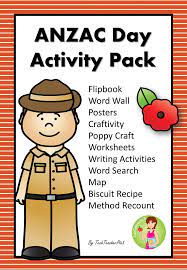
Anzac Day Activities and Resources

Anzac Day, which falls on April 25th every year, is a significant day in Australia and New Zealand. It is a day to honor the members of the Australian and New Zealand Army Corps (ANZAC) who served and died in all wars, conflicts, and peacekeeping operations. Here are some activities and resources that can help commemorate this important day.
1. Dawn Service: Attending a dawn service is a traditional way to honor the ANZACs. These services are held in various locations around both countries, often starting around the time of the original Gallipoli landing — just before dawn.
2. Anzac Day Parade: After the Dawn Service, many places also hold an Anzac Day parade featuring veterans, servicemembers, and sometimes their families and descendants.
3. Bake Anzac Biscuits: Baking Anzac biscuits is not only an educational activity for children but also a nod to history. These biscuits were originally made to be sent to the ANZACs serving abroad because they didn’t spoil easily.
4. Craft Poppy Wreaths: Making poppy wreaths can be an activity for schools or families. Poppies have become a symbol of remembrance and can be laid at local memorials or used in home decorations.
5. Educational Resources:
– Books: There are many books available that discuss the history of Anzac Day suitable for various age groups.
– Online Resources: Websites like the Australian War Memorial (awm.gov.au) offer extensive archives and educational materials.
– Documentaries and Films: Watching historical documentaries or films can be a way to understand the sacrifices made by ANZAC troops.
6. Anzac Day Commemorative Services Elsewhere: For those abroad, many embassies host commemorative services which can be attended by expatriates and locals alike.
7. Museum Visits: Many museums in Australia and New Zealand have exhibitions relating to the ANZACs where people can learn about individual stories, historical events, and view artifacts from wartime.
8. School Programs: Schools often have special programs or assemblies on Anzac Day that might include guest speakers such as veterans or current servicemembers.
9. Local Library Events: Libraries may hold storytelling sessions for children with Anzac-themed books or display wartime letters and diaries from their archives.
10. Social Media: Sharing stories or supportive messages on social media platforms using hashtags like AnzacDay or LestWeForget can also be a means of participating in the commemoration digitally.
Using these activities and resources, individuals and communities can mark Anzac Day with both reflective remembrance rituals and educational enrichment experiences, ensuring that the legacy of these brave servicemen and women continues on through new generations.

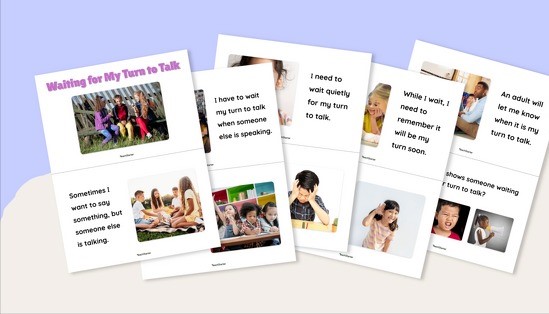
25 Social Stories Use Mainstream Classroom

The use of “Social Stories” has emerged as an innovative educational strategy to help students with Autism Spectrum Disorder (ASD) navigate social interactions and understand complex social cues. However, their utility extends beyond special education settings and can be beneficial in mainstream classrooms too. Here are 25 ways Social Stories can be used:

1. Enhancing Empathy: Social stories can illustrate different perspectives and feelings that friends might experience, promoting empathy among students.

2. Explaining Classroom Rules: Simplified narratives can clarify classroom rules for all students, ensuring everyone understands expected behaviors.

3. Promoting Inclusion: Stories about diversity and acceptance encourage inclusion for students of all abilities and backgrounds.

4. Improving Transitions: Moving between activities can be difficult; social stories can prep students for changes in routine.

5. Preparing for Substitutes: A story explaining the arrival of a substitute teacher can ease anxiety some students may feel.

6. Encouraging Sharing: Sharing toys or materials is a common issue; social narratives can teach the benefits and logistics of sharing.

7. Facilitating Group Work: Stories about collaboration can prep students on how to work effectively with peers on group projects.

8. Teaching Conflict Resolution: Scenarios presented in social stories can demonstrate peaceful ways to resolve conflicts.

9. Modeling Good Listening Skills: Social stories can highlight the importance of listening skills during class.

10. Understanding Nonverbal Cues: Stories can be used to explain body language and facial expressions typical in communication.

11. Managing Emotions: They’re great tools for helping children recognize and cope with various emotions such as frustration or excitement.

12. Explaining School Events: Describing events like fire drills or assemblies helps prepare students for these occurrences.

13. Encouraging Hygiene Practices: Handwashing or personal space stories can promote health and safety within the classroom.

14. Building Friendships: Narratives focusing on making friends support social relationship building among classmates.

15. Teaching Problem-Solving Skills: Students learn to approach problems and find solutions through structured story scenarios.

16. Understanding Time Management: Illustrations showing time-related concepts help students grasp punctuality and patience.

17. Promoting Respectful Behavior: Through stories, children learn the importance of treating others with respect.

18. Improving Attention During Lessons: Social stories related to attentiveness show how staying focused contributes to learning success.

19. Encouraging Positive Play: Stories model positive play behaviors during recess or free play moments.

20. Navigating Cafeteria Etiquette: A story explaining cafeteria behavior teaches everything from queuing to table manners.

21. Promoting Responsibility: Children learn about responsibilities through examples like taking care of personal belongings or classroom duties.

22. Understanding Cultural Differences: Educational narratives present different cultures, fostering a multicultural appreciation among students.

23. Supporting New Learning Challenges: As new topics are introduced, social stories set up expectations and simplify complex ideas.

24. Normalizing Mistakes: By sharing tales of errors made by others and subsequent lessons learned, children understand that making mistakes is okay.

25. Celebrating Achievements: Highlighting individual or group achievements in stories fosters a sense of pride and motivation in learning environments.

Incorporating Social Stories into mainstream classrooms is not just a tool for easing the academic journey for students with ASD; it fortifies the learning experiences for all children by nurturing an environment filled with understanding, compassion, and cooperation—all foundational elements for effective education in a diverse world.

Social-Emotional Learning During Distance Learning (Social Stories Included)

In the age of distance learning, educators and parents alike are questing for effective strategies to support children’s social and emotional development. One such strategy that has gained traction is Social-Emotional Learning (SEL), which refers to the process through which individuals acquire and effectively apply the knowledge, attitudes, and skills necessary to manage emotions, feel and show empathy for others, establish positive relationships, and make responsible decisions.

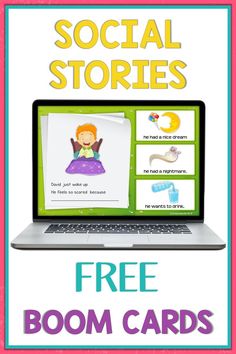
The shift to online education has challenged conventional SEL approaches, necessitating innovative techniques to engage students. This is where social stories can play a pivotal role. Social stories are short narratives designed to teach individuals, particularly those with developmental challenges, how to navigate social situations. However, their benefits extend far beyond this demographic. Amidst the impersonal nature of digital classrooms, these stories provide a framework for understanding and articulating feelings and behaviors that correspond with remote interactions.

 The Impact of SEL on Distance Learning

During remote education, students may experience heightened feelings of isolation and anxiety. SEL can help mitigate these impacts by promoting understanding and compassion among peers. Developing self-awareness and self-management skills allows students to better cope with the pressures of home learning environments.

SEL also empowers students to stay connected virtually. By fostering relationship skills through activities like peer collaboration projects or guided discussions in online forums, children can maintain social connections crucial for their emotional growth.

 Utilizing Social Stories for SEL in Online Classrooms

Social stories offer a narrative structure that makes abstract emotions more tangible for children. Here’s an example of how a social story could be implemented within distance learning settings:

Title: “The Whispering Chat Box”

Story Content:

– Illustrates the importance of taking turns while communicating online.

– Shows characters experiencing various feelings when messages are ignored or talked over.

– Ends with tips on using polite conversation starters and waiting patiently for responses in virtual settings.

Implementation:

1.Teachers can read the story during an online class session while screen-sharing illustrations.

2.Engage students in a discussion about times they have felt similar emotions during virtual classes.

3.Collaborate on a chart listing ways students can support each other’s contributions in class.

Conclusion

SEL is a vital component of child development, even more so in the realm of distance learning where physical distancing can exasperate emotional disconnects between students. Integrating social stories into SEL activities not only helps in making interactions meaningful but also offers a guiding light for behaviors that foster regard for others’ feelings – something deeply needed in our increasingly virtual world.

By implementing SEL practices through creative storytelling online, educators not only support academic achievements but also cultivate a generation who are empathetic collaborators ready to thrive in any setting — physical or digital.