Special Education

Helping Children with Emotional and Behavioral Difficulties (EBD)

Introduction

Children with Emotional and Behavioral Difficulties (EBD) experience challenges in adapting to social, emotional, and behavioral expectations. These difficulties can impact their overall well-being, academic achievements, and interpersonal relationships. It is crucial to provide nurturing environments and support to help these children develop necessary skills for success. This article delves into strategies that parents, caregivers, teachers, and mental health professionals can use to assist children with EBD.

Understanding EBD

Emotional and Behavioral Difficulties (EBD) can manifest in various forms such as aggressive behavior, impulsivity, withdrawal, anxiety, or depressive symptoms. These difficulties may arise due to genetic factors, psychological disorders, or traumatic experiences. Accurate diagnosis and intervention are imperative for their effective management.

Strategies for Helping Children with EBD

1.Providing a stable and structured environment: A predictable environment with clear expectations helps children feel secure and confident. Establishing daily routines, teaching behavioral boundaries, and being consistent in consequences can contribute to a more structured environment.

2.Foster emotional regulation skills: Teach children with EBD to recognize and express their emotions appropriately. Provide them with tools such as deep breathing exercises or mindfulness techniques to cope with overwhelming feelings.

3.Implement positive behavior support (PBS): PBS focuses on reinforcing desirable behaviors by offering praise or rewards while avoiding negative reinforcement of unwanted behaviors.

4.Collaborate with professionals: Work closely with mental health professionals like psychologists or pediatricians to design customized interventions tailored to the child’s needs.

5.Encourage social skills development: Regularly engaging children in age-appropriate group activities can enhance their social skills. Playdates or enrolling them in clubs can enable them to learn cooperation and empathy while reducing social isolation.

6.Promote problem-solving skills: Help children learn how to address problems by teaching them logical thinking processes and breaking down tasks into manageable steps.

7.Foster resilience and self-esteem: Encourage children to recognize their strengths and achievements. Support them in overcoming everyday challenges to develop a sense of self-worth and resiliency.

8.Maintain open communication: Openly discussing the child’s emotional, social, or behavioral concerns can empower them in understanding their predispositions and seeking necessary support.

Conclusion

Helping children with Emotional and Behavioral Difficulties (EBD) involves a multi-faceted approach that extends beyond the home environment. It includes support from parents, teachers, mental health professionals, and the wider community. By fostering stability, emotional regulation, social skills development, and self-esteem, we can support EBD children in overcoming their hurdles and achieving success both academically and socially.


10 Inclusion-Based Activities for Students

Introduction:

Inclusion is an important aspect of education that promotes diversity and ensures that every student feels welcome and included in the learning environment. Educators must incorporate inclusion-based activities into their lesson plans to foster a sense of belonging among students. Here is a list of ten inclusion-based activities that can help to create an inclusive classroom experience for students.

1.Circle Time:

Circle time is a group activity where students gather in a circle, and each person takes turns sharing their thoughts, feelings, or experiences. This activity enables everyone in the class to speak and listen, promoting empathy and understanding among diverse students.

2.Collaborative Jigsaw:

Divide the class into groups of four or five students. Assign different parts of a lesson or project to each group. Once the groups have completed their work, they take turns presenting their sections to the whole class. This activity encourages teamwork and appreciation for the skills and expertise of others.

3.Buddy System:

Pair up students with different backgrounds, interests, or abilities, encouraging them to work together on various tasks and assignments. This interaction helps break down barriers and fosters meaningful connections among diverse learners.

4.Interest Surveys:

Distribute personal interest surveys at the beginning of the school year to gain insight into student hobbies, languages spoken at home, cultural backgrounds, etc. Use this information to design lessons and group activities that celebrate diversity within your classroom.

5.Show and Tell:

Organize a ‘Show and Tell’ day where students bring in an item that represents their family heritage or culture, such as traditional clothing, recipes, or artifacts. This activity gives everyone a chance to learn about the rich histories of their classmates while promoting cultural acceptance.

6.Bias Awareness Games:

Use games like ‘Guess Who’ or ‘Fact or Fiction’ to encourage discussions about stereotypes and biases among students. These conversations can help create awareness about the importance of avoiding assumptions and embracing diversity.

7.Global Pen Pals:

Pair your students with pen pals from different countries or cultural backgrounds. This correspondence can help teach students about other cultures, languages, and perspectives, fostering understanding and empathy across various regions.

8.Community Service Projects:

Organize a community service project that involves working with people from diverse backgrounds, such as a neighborhood clean-up or volunteering at a local non-profit organization. This experience can help build connections between your students and the larger community they belong to.

9.Multicultural Book Clubs:

Create a multicultural book club that encourages students to read about and discuss characters from various cultural backgrounds. This activity can foster empathy and understanding while increasing reading skills.

10.Inclusive Classroom Decorations:

Decorate your classroom with educational materials, posters, and artwork that reflect the diverse cultures, religions, and languages of your students. This promotes an inclusive environment where everyone feels represented and valued.

Conclusion:

Fostering an inclusive learning environment is crucial to ensuring that all students feel valued and respected. By implementing these ten inclusion-based activities in your classroom, you can create a more welcoming space for your diverse learners while promoting understanding and unity among them.

30 Special SEL Books For Middle School Readers

Introduction:

Social and Emotional Learning (SEL) has become an essential aspect of a child’s overall growth and development, especially during their formative middle school years. SEL-themed books help students learn more about empathy, self-awareness, decision-making, and communication. These life skills go beyond the confines of a classroom, allowing them to navigate life with confidence and emotional intelligence. Here are 30 special SEL books for middle school readers that teachers and parents can consider for their adolescent readers.

1.Wonder by R.J. Palacio

2.Out of My Mind by Sharon M. Draper

3.The Giver by Lois Lowry

4.Mockingbird by Kathryn Erskine

5.Bridge to Terabithia by Katherine Paterson

6.Inside Out & Back Again by Thanhha Lai

7.Hatchet by Gary Paulsen

8.Stargirl by Jerry Spinelli

9.Rules by Cynthia Lord

10.Because of Mr. Terupt by Rob Buyea

11.The Absolutely True Diary of a Part-Time Indian by Sherman Alexie

12.The One and Only Ivan by Katherine Applegate

13.The Hundred Dresses by Eleanor Estes

14.Esperanza Rising by Pam Muñoz Ryan

15.Walk Two Moons by Sharon Creech

16.Freak the Mighty by Rodman Philbrick

17.Catherine, Called Birdy by Karen Cushman

18.The Crossover by Kwame Alexander

19.Touching Spirit Bear by Ben Mikaelsen

20.Holes by Louis Sachar

21.Turtle in Paradise by Jennifer L Holm

22- Gracefully Grayson – Ami Polonsky

23- Save Me a Seat – Sarah Weeks & Gita Varadarajan

24- Brown Girl Dreaming – Jacqueline Woodson

25- Listen, Slowly – Thanhha Lai

26- The Stars Beneath Our Feet – David Barclay Moore

27- Restart – Gordon Korman

28- Front Desk – Kelly Yang

29- Harbor Me – Jacqueline Woodson

30- Ghost – Jason Reynolds

Conclusion:

Incorporating Social and Emotional Learning themes into middle school reading lists can be a powerful tool to enhance students’ interpersonal skills and emotional intelligence. These 30 special SEL books provide enjoyable stories, relatable characters, and valuable life lessons that will resonate with middle school readers. Encourage your students or children to explore these books, which not only entertain but also inspire personal growth and compassion.

Teacher Helpline: How Can I Help to Refocus a Student With ADHD?

Introduction:

ADHD (Attention Deficit Hyperactivity Disorder) is a common neurological condition that affects millions of children worldwide. Students with ADHD often struggle with issues such as inattention, impulsivity, and hyperactivity. As an educator, it becomes important to provide support and guidance to these students to help them refocus and achieve academic success. In this article, we will discuss strategies and techniques educators can use to refocus students with ADHD in the classroom.

1. Create a Structured Environment:

A structured and organized environment is essential for students with ADHD. Ensure that your classroom is well-organized, clean, and free from unnecessary distractions. Establish clear routines, rules, and expectations that are consistently enforced, as consistency can help create a sense of predictability and security for these students.

2. Break Tasks into Manageable Chunks:

Students with ADHD often become overwhelmed by large tasks or assignments. Break up activities or assignments into smaller pieces or steps that are easier for the student to manage. Establish clear goals for each step and provide regular feedback and praise on their progress.

3. Use Visual Aids:

Visual aids such as charts, lists, or schedules can be extremely helpful for students with ADHD. These tools can help them keep track of assignments, manage their time more effectively, and maintain focus on the task at hand.

4. Implement Time Management Strategies:

Time management can be particularly challenging for students with ADHD. Teach them effective time management skills such as prioritizing tasks, setting goals, estimating time needed for each task, and using timers or alarms to manage deadlines.

5. Offer Regular Movement Breaks:

For students with ADHD who exhibit hyperactivity symptoms, offering regular opportunities for movement breaks can help them refocus their energy on academic tasks. Encourage these students to take short breaks from seated activities by incorporating physical movement throughout the day, such as stretching or walking around the classroom.

6. Use Positive Reinforcement and Praise:

Positive reinforcement and praise can be highly effective in motivating students with ADHD. Acknowledge their achievements, no matter how small, and provide specific feedback on what they have done well. This can help boost self-esteem and encourage continued effort.

7. Develop a Quiet Space for Focus:

A designated quiet space within the classroom can be helpful for students with ADHD who need to work in a distraction-free environment. The space should be free from stimulation, such as noise, visuals, or movement, to maximize focus.

8. Modify Assessments and Assignments:

Collaborate with your school’s Special Education Team to develop appropriate modifications or accommodations for assessments and assignments. These may include extra time on tests, reduced workload, alternative formats, or the use of technology.

Conclusion:

Supporting students with ADHD requires patience, empathy, and an understanding of their unique needs. By implementing these strategies and techniques in your classroom, you can help refocus students with ADHD and ensure that they are given the opportunity to succeed academically.

What is Inclusion in Education?

Introduction:

Inclusion, a widely discussed and essential concept in education, aims at providing equal opportunities to all students. This approach transcends learning boundaries, encourages better social development, and ensures that every student has access to quality education, irrespective of their background or ability. Understanding its significance, this article delves deep into the concept of inclusion in education and its various aspects.

The Importance of Inclusion:

Inclusive education is paramount in creating a positive, engaging learning environment where each student feels valued and respected. This inclusive approach involves removing barriers and promoting inclusivity by accommodating the specific needs of every student. It fosters a sense of belongingness among students and reduces the discrimination that may arise owing to differences such as disabilities, ethnicity, socio-economic status, gender identity, or cultural background.

Key Principles of Inclusion in Education:

1. Diversity: Diversity is at the core of inclusive education. It embraces the uniqueness of each student and values this variety as a source of potential learning for everyone involved. By celebrating and supporting diversity, schools provide an environment that fosters understanding and respect for different backgrounds.

2. Accessibility: Inclusive education requires the adaptation or modification of the physical environment as well as educational resources to cater to diverse needs. This includes making buildings wheelchair-friendly, using alternative formats for course materials, or offering additional support for students with sensory impairments.

3. Participation: Encouraging all students to partake actively in learning experiences ensures they feel like valued members of the community. Designing activities that engage every student – regardless of their needs or abilities – allows them to collaborate with their peers and develop essential life skills.

4. Individualized Support: Providing targeted support that accounts for individual differences enables students to thrive within an inclusive learning environment. For instance, offering specialized teaching strategies or specific accommodations such as extended time on tests can make a significant difference in a student’s academic progress.

5. Collaboration: Effective inclusion entails collaboration between teachers, administrators, support staff, parents, and community members. By fostering an open and cooperative dialogue between these stakeholders, inclusive education can be implemented successfully and holistically.

Benefits of Inclusion in Education:

Inclusion benefits not only students with special needs but the entire school community. Some of these benefits include:

1. Improved academic outcomes: Research suggests that inclusive education can significantly enhance learning outcomes for students with disabilities as well as their peers.

2. Enhanced social and emotional development: Inclusion fosters empathy, understanding, and respect for differences among students.

3. Higher self-esteem: When students feel valued and included, they are more likely to develop a positive perception of themselves.

4. Better preparation for adulthood: An inclusive environment equips students with skills that contribute to their success in the real world.

Challenges and Solutions:

Implementing inclusive education is not without its challenges. One significant obstacle is the lack of funding and resources necessary for successful inclusive practices. Governments and policymakers must prioritize funding to provide appropriate resources for schools adopting inclusive approaches.

Another challenge is resistance from educators or parents who may be skeptical of inclusion’s potential impact on academic progress. Professional development opportunities, teacher training programs, and increased parent awareness can mitigate these concerns.

Conclusion:

Ultimately, inclusion is a fundamental aspect of education that aims at fostering equity and providing opportunities for every student to succeed in a diverse learning environment. By embracing diversity, offering accessibility, ensuring participation, providing individualized support, and facilitating collaboration among stakeholders, we can create holistic educational experiences that benefit all students, setting them up for future success.

10 Things to Know about Parents of Children with Special Needs

1. Parenting a child with special needs requires tremendous patience and understanding: Having a child with special needs brings unique challenges to the family dynamic, but these parents are resilient and adaptive in order to meet their child’s unique requirements.

2. They educate themselves constantly: Parents of children with special needs are always learning about their child’s condition, therapies, and resources that can provide support. They become experts not only in their child’s specific challenges but also in navigating complex healthcare systems.

3. Judgments and unsolicited advice are unwelcome: Parents of children with special needs are often bombarded with judgmental comments and unsolicited advice. What they need most is empathy and understanding, rather than someone who thinks they know better.

4. Support networks are a lifeline: The importance of a strong support network cannot be understated for these parents. A well-connected community – whether it’s friends, family, or specialized support groups – is crucial for emotional reassurance and practical assistance.

5. There is no one-size-fits-all approach to parenting a child with special needs: Each child is unique, and so are their special requirements. Parents of children with special needs tailor their parenting styles to suit their child’s individual strengths and struggles.

6. Celebrating small victories means everything: For families with children who have developmental challenges, every new skill or milestone achieved may come after countless hours of therapy and effort. They learn to take joy in small successes, cherishing each step forward.

7. Self-care is important but not always easy: Caring for a child with special needs can be emotionally and physically draining. Recognizing the importance of self-care allows parents to maintain stamina as they continue fighting for their child’s well-being – but finding the time for it can be difficult.

8. Education advocacy becomes second nature: Securing appropriate resources and accommodations for their child in the educational system can be an uphill battle. Parents become tireless advocates, ensuring that their child is given every opportunity to succeed.

9. Financial stress is common: Soaring healthcare, therapy, and special education costs can cause immense financial strain on families with children who have special needs. Many parents work extra jobs or forego personal luxuries to cover these expenses and ensure their child gets the best care.

10. Love knows no bounds: Parents of children with special needs demonstrate unconditional love and unwavering dedication, regardless of how difficult the circumstances may be. The bond they share with their child is strengthened through their experiences and becomes a crucial source of strength for both parent and child.

4 Free Staff Lounge Posters to Uplift Teachers

As educators, teachers play a crucial role in shaping the lives of future generations. The ongoing demands of school life – combined with the challenges of constantly adapting, mentoring and fostering creativity – can sometimes be overwhelming. To help uplift and inspire the dedicated teaching community, we have created a list of four free staff lounge posters that provide motivation, encouragement and positive vibes.

1. “Education Is the Most Powerful Weapon to Change the World” – Nelson Mandela

This powerful quote by Nelson Mandela beautifully encapsulates the significance of education in societal transformation. By showcasing this poster in the staff lounge, teachers will be reminded of their role as agents of change who work tirelessly to improve the future for their students. Download this inspiring poster here: [insert link]

2. “Teaching Creates All Other Professions” – Unknown

This thought-provoking quote brings attention to the fact that every profession has its roots in education provided by teachers. With this poster on display, educators will be reminded that their influences on students ripple across various industries and sectors. Recognize their immense impact by displaying this motivating poster in your staff lounge: [insert link]

3. “A Good Teacher Can Inspire Hope, Ignite Imagination and Instill Love for Learning” – Brad Henry

Capturing the essence of what it means to be a great teacher, this quote emphasizes that it’s not merely about imparting knowledge but also about sparking curiosity and love for learning. This stunning poster serves as a daily reminder to teachers about their vital job: [insert link]

4. “The Influence of a Good Teacher Can Never Be Erased” – Unknown

The impact of good teachers goes beyond test scores and curriculum requirements; they can shape students’ lives and foster personal growth through the years. Placing this lovely affirmation in your staff lounge will serve as an encouraging reminder to all educators about their lasting impact: [insert link]

Posters are simple yet powerful tools that can help create a positive and supportive atmosphere in staff lounges. By displaying these four inspiring quotes, you’ll not only be helping to brighten the teachers’ lounge but also providing a reminder of the importance of their roles as educators and mentors.

Exploring the Possibilities: What Can I Do With a Master’s Degree in Special Education?

Introduction

A Master’s degree in special education is a valuable qualification for those interested in working with individuals who have diverse learning needs. This advanced degree prepares graduates to address complex challenges faced by students with disabilities and design effective educational strategies to help them succeed. If you are thinking about pursuing a Master’s in special education, you might be wondering about the career prospects. Here, we will explore various opportunities and roles available to individuals with such a degree.

1. Special Education Teacher

One of the most common career paths for those with a Master’s degree in special education is becoming a special education teacher. Working in public or private schools, these professionals support students with various disabilities ranging from mild to severe. A Master’s degree equips educators with advanced knowledge and techniques to address learning challenges, promote inclusion, and ensure that their students receive tailored support as per their individual needs.

2. Educational Diagnostician

Another exciting opportunity available for individuals with a Master’s degree in special education is working as an educational diagnostician. In this role, professionals assess and evaluate the unique needs of students with disabilities. They often collaborate with parents, teachers, and other professionals to develop an individualized education plan (IEP) designed to help students achieve academic success.

3. Special Education Consultant

Some who hold a Master’s degree in special education may choose to become consultants, offering guidance and support to schools on how best to address the needs of students with disabilities. These consultants may also work with businesses or nonprofit organizations that serve individuals with disabilities or create educational resources for teachers and other professionals.

4. Instructional Coordinator

Instructional coordinators collaborate closely with school leadership teams to develop curricula, select educational materials, review teaching methods, and organize staff training workshops tailored to special education needs. A Master’s degree in special education provides graduates with the in-depth knowledge required to make informed decisions about curricula and instructional strategies that will benefit students with disabilities.

5. Special Education Advocate

As a special education advocate, individuals work on behalf of families and students with disabilities to ensure they receive appropriate services. This role may involve negotiating with schools to secure better support and accommodations, assisting families during IEP meetings, or advocating for policy changes on a broader scale. A Master’s degree in special education equips graduates with the expertise needed to navigate complex legal guidelines and regulations surrounding special education rights.

6. College or University Professor

Some individuals with a Master’s degree in special education might choose to pursue roles in higher education, teaching undergraduate or graduate-level courses in the field. As a professor, you have the opportunity to shape the next generation of special educators by sharing your experience and knowledge.

Conclusion

As you can see, the possibilities are vast when it comes to what you can do with a Master’s degree in special education. Ultimately, your career path will depend on your personal interests and passions. Whether you want to work directly with students as a special education teacher or provide support at a higher level as a consultant or instructional coordinator, this advanced degree primes you for success and impact within a rewarding field.

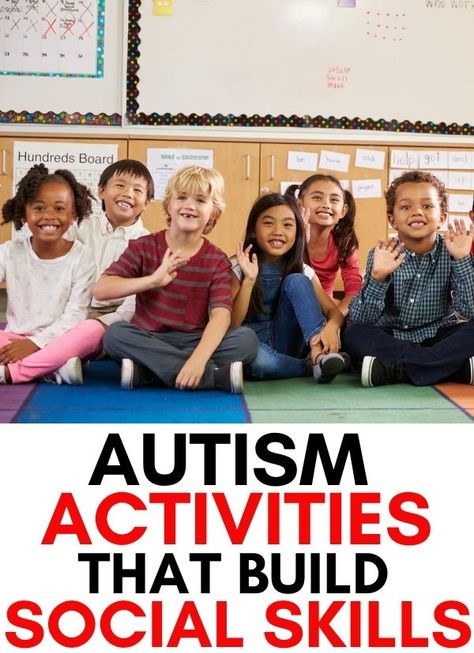
Teacher Helpline: How to Build Social Skills for Students With Autism

Introduction:

Autism spectrum disorder (ASD) is a neurological and developmental disorder that affects how individuals perceive, process, and interact with the world around them. Building social skills for students with autism can be challenging but is crucial to enhancing their quality of life and increasing their opportunities for personal growth and development. In this article, we’ll explore guidelines and strategies that educators can utilize to help students with ASD improve their social skills.

1. Create a safe and structured learning environment:

To provide an optimal learning environment, it is essential to establish structure and routines in the classroom. Offer visual aids like daily schedules, timers, clear labels, and visual cues to assist students in anticipating events and activities. A stable, predictable environment tailored to the unique needs of each student helps promote self-confidence and social interaction.

2. Use social stories:

Social stories are short narratives that describe everyday situations, usually including illustrations or photographs. They can be customized to clarify specific social norms or expected behaviors for individuals with ASD. By utilizing these visual tools, educators can teach students how to understand social cues, read body language, and respond appropriately in various scenarios.

3. Role-play different scenarios:

Another effective way of teaching social skills is through role-play activities. Guide students through different situations where they can practice interacting with peers or teachers by assuming various roles. This strategy allows them to rehearse difficult interactions in a safe space while receiving feedback from educators.

4. Encourage peer mentoring:

Involve typically-developing peers both in role-play exercises and regular classroom activities to provide models of appropriate behavior for children with autism. Participating peers should be empathetic, patient, and good communicators.

5. Reinforce positive behavior:

Recognize improvements in social skills by offering praise, tokens of appreciation, or even tangible rewards when students demonstrate desired behaviors. This reinforcement helps motivate students towards achieving their social goals.

6. Teach emotional regulation:

Educate students to recognize and manage their emotions by providing clear examples of different feelings like happiness, anger, or frustration. Offer strategies for coping with strong emotions, such as taking deep breaths, counting to 10, and self-calming techniques.

7. Collaborate with other professionals:

Engage in on-going collaboration and communication with other educational professionals such as special education teachers, speech therapists, occupational therapists, and school counselors who can contribute valuable perspectives and resources to the development of a social skills curriculum tailored for students with autism.

Conclusion:

Building social skills for students with autism is an integral part of their education and personal growth. By applying these guidelines and strategies in the classroom, teachers can help create an inclusive learning environment that encourages communication and collaboration. By nurturing these abilities alongside academic progress, educators can help enhance the lives of students on the autism spectrum.

9 Ways to Keep Students With Disabilities Safe From Bullying

Introduction:

Bullying has been an ongoing issue in schools across the world. It is especially concerning for students with disabilities, who often face unique challenges and may not have the same resources to defend themselves. This article aims to explore nine effective ways to protect students with disabilities from bullying and create a safer, more inclusive environment in schools.

1. Educate and Raise Awareness:

Create an environment that fosters understanding and empathy by educating staff, students, and parents about disabilities and their impact on individuals. Teach everyone to recognize the various forms of bullying and promote empathy towards students with disabilities. Encourage open discussions on the topic within classrooms or host external seminars.

2. Develop Policies and Procedures:

Establishing clear anti-bullying policies will set expectations for appropriate behavior at school. Clearly outline consequences for violations of the policy, investigations methods, and reporting instances of bullying. Additionally, create specific guidelines that address bullying targeted toward students with disabilities.

3. Encourage Peer Support:

Promote a sense of community by encouraging friendships between students with and without disabilities. Provide opportunities for peer mentorship programs or support groups where they can share experiences and build connections, reducing isolation.

4. Empower Students With Disabilities:

Teach self-advocacy skills to students with disabilities so they feel confident in raising concerns about bullying incidents. Incorporate lessons on conflict resolution and encourage them to seek help when needed from trusted adults such as teachers, counselors, or special education coordinators.

5. Train School Staff:

Train teachers, administrators, and support staff on disability awareness and the challenges faced by students with disabilities related to bullying. Equip them with effective strategies for recognizing, reporting, and addressing bullying incidents in school settings.

6. Implement Inclusive Practices:

Create a genuinely inclusive environment by integrating social skills training into the curriculum for all students (not just those with disabilities). Develop classroom practices that include empathy, communication, and problem-solving skills.

7. Monitor School Spaces:

Regularly monitor high-risk spaces like hallways, playgrounds, and cafeterias to identify and address any potential incidents of bullying. Utilize a combination of physical supervision and electronic monitoring systems to ensure thorough coverage of the school premises.

8. Engage Parents and Families:

Work closely with parents and families of students with disabilities to understand their concerns and share strategies for addressing bullying. Establish open lines of communication to report incidents and keep them informed of any actions taken.

9. Evaluate and Adapt:

Continually assess the effectiveness of your bullying prevention strategies through surveys, focus groups, or other evaluation methods. Be open to making adjustments based on the feedback received to create an inclusive and safe school environment for all students.

Conclusion:

Protecting students with disabilities from bullying requires a comprehensive approach that combines education, policy development, staff training, and ongoing evaluation. By implementing these nine strategies in schools, we can create an environment where all students feel safe, valued, and free from the threat of bullying.