Teacher Education

Free Poster: 25 Things to Say Instead of “Good Job”

Introduction:

The way we praise and encourage children can have a profound impact on their mindset, confidence, and willingness to take on challenges. Traditional praises like “Good job” can often become repetitive and lose their intended effect over time. Rather than falling back on this familiar phrase, consider using more engaging and meaningful alternatives. We’ve created a free poster that includes 25 things you can say to children instead of “Good Job.” Read on to learn more!

1. Keep up the good work!

2. I appreciate your effort.

3. You really worked hard on this.

4. I love how you approached the problem.

5. Fantastic thinking!

6. That’s a great improvement!

7. You handled that situation really well.

8. Your creativity shines through!

9. I’m proud of your progress.

10. Your persistence paid off!

By using these phrases, adults can foster a growth mindset in children by acknowledging their efforts, improvements, and thought processes rather than just the end result.

11. That was a courageous attempt!

12. It’s amazing to watch your skills develop.

13. You’ve mastered that concept really well.

14. Great teamwork!

15. Your enthusiasm is infectious!

16. What an innovative idea!

17. I’m impressed by your attention to detail.

18. It’s awesome how committed you were to finishing that task.

19. You’ve grown so much in this area.

20. Nice strategy!

These acknowledgements focus on skill development, innovation, teamwork, and strategies, celebrating accomplishments while encouraging further growth.

21. I see how much time you invested in this.

22. Well done for staying focused throughout the process.

23. You really listened and understood our direction well!

24. Way to go for stepping outside your comfort zone!

25. You put a lot of thought into this!

Download and print our free poster to have these encouraging phrases available at hand. As you try these alternatives, you’ll likely notice more genuine engagement from children and a more positive response to feedback.

In conclusion, making a conscious effort to diversify our language when praising and encouraging children can lead to numerous benefits. As we shift our focus to their effort, growth, and thought process instead of simply saying “Good job,” we lay the foundation for a healthier mindset, successful skill development, resilience, and improved confidence. It’s a small change that can make a significant difference in the lives of those we teach and mentor.

Don’t forget to download your free poster here: [Insert link]

10 Creative Writing Activities to Help Students Tell Their Story

1. Storytelling Marathon

A storytelling marathon is a unique activity that challenges students to collaborate and create a continuous story. Students are given a prompt, and each student contributes a sentence or two to continue the plot. This exercise encourages teamwork, quick thinking, and helps students practice fluency in their writing.

2. Random Writing Prompts

Have students draw random writing prompts from a hat or jar. These prompts can vary from situations to character traits to quirky phrases. Students must then use these prompts as inspiration for their stories, exploring new characters, settings, and themes.

3. Picture Prompts

Provide students with an intriguing image and ask them to write a story based on what they see. Encourage them to use the image as a catalyst for their imagination, delving into the world behind the scene. This activity promotes creative thinking and descriptive language skills.

4. Round-robin Storytelling

Divide the students into groups and give each group a stack of index cards with different story elements like characters, settings, and plot points. The first student in each group starts by writing an opening sentence using one of these elements. The card then goes to the next student who has to continue the story using a different element from their card, taking turns until the story concludes.

5. Poetry Collage

Students can create visual poetry by cutting out words and phrases from magazines or newspapers and arranging them into interesting combinations that tell a story or evoke emotions. This activity promotes experimentation with language and poetry while also allowing students to explore the connection between text and visuals.

6. Character Interviews

Students create a list of interview questions for one of their characters in their original story project or a character from existing literature. This activity encourages students to delve deeper into character development, whilst creating backstories that enrich their narrative.

7. Fictional News Articles

Challenge students to become journalists and write “news articles” set in the worlds of their stories. This exercise allows students to explore and expand on the plot and setting of their stories while practicing journalistic writing techniques.

8. Storyboarding

Using images or drawings, students construct a visual representation of their stories. This helps the students plan their narrative structure, organize ideas, and improve pacing. It can also aid them in identifying gaps in their story that need filling.

9. Alternate Endings

Students rewrite the conclusion of an existing story or create different endings for their narrative project. This activity encourages critical thinking and creativity, as it pushes students to explore alternative resolutions for their stories and understand how this can impact character development and theme.

10. Creative Writing Challenges

Assign specific creative challenges that force students to experiment with different writing styles or literary techniques. For example, writing a scene without using any adjectives, creating a story from multiple perspectives, rewriting a story from a different genre, etc. This activity helps students expand their understanding of various writing styles and narrative conventions while challenging them to stretch outside of their comfort zone.

These 10 creative writing activities provide opportunities for your students to hone their storytelling skills, dive into character development, explore new ideas, and experiment with different writing styles. By incorporating these activities into your lesson plans, you’ll not only boost student engagement but also inspire young writers to unleash their creativity and share their unique stories with the world.

Teachers, Can We All Agree to Do Some Things Badly?

Introductory Paragraph:

The world of education is a competitive one, with educators constantly striving for perfection in every aspect of their jobs. With the pressure to excel, teachers often feel compelled to push themselves to tackle every task flawlessly. However, the reality is that no one can be perfect at everything. It is time for teachers to embrace their imperfections and accept that sometimes, it’s okay to do some things badly.

Body:

1. The pursuit of perfectionism in education

In a world where teachers are judged by their students’ success rates and standardized test scores, it’s no surprise that many educators have succumbed to the pressures of perfectionism. Classroom culture often encourages competition among peers, leading teachers to constantly compare themselves with others. Instead, teachers should focus on embracing their unique strengths and talents while acknowledging their limitations.

2. Why doing some things badly is necessary

Acknowledging that not everything can be done perfectly will create a healthier work environment for both teachers and students alike. By accepting their flaws, teachers can allocate time and energy to areas where they excel and have a greater impact on their students’ growth. Additionally, this mindset will help prevent burnout by allowing educators to prioritize tasks according to their personal strengths and needs.

3. Creating a culture of growth and learning

Allowing oneself to do some things badly is not a sign of failure; rather, it is an opportunity for growth and learning. Viewing weaknesses as opportunities for improvement can help create a more supportive educational environment where both teachers and students can thrive.

4. Imparting resilience in students

By setting an example of embracing imperfection, teachers can positively influence their students’ mindsets as well. Students who see their role models struggle with certain tasks but continue growing regardless will likely develop resilience in the face of challenges themselves.

5. Fostering collaboration among educators

When teachers are encouraged to share their professional struggles openly, it paves the way for increased collaboration and support among peers. Colleagues can offer guidance, insights, and resources to help each other in areas where they might be struggling or feeling less confident.

Conclusion:

The pursuit of perfectionism in education can be detrimental to both teachers and students. It’s crucial for educators to recognize their limitations, accept that some tasks may be done badly, and prioritize their personal strengths. By doing so, teachers can create supportive environments conducive to growth and learning, positively impacting both their own well-being and that of their students. Let’s embrace our imperfections in a quest for continuous improvement and cultivate a resilient spirit that promotes collaboration in the educational community.

18 of the Cutest Sticker Sets for Teachers

Introduction:

Teachers hold a significant role in shaping the future, and it’s important to make learning fun and engaging. One of the most delightful ways to liven up the classroom is by using cute sticker sets. These are perfect for rewards, incentives, and livening up schoolwork. In this article, we will share 18 of the cutest sticker sets that teachers can use to brighten their students’ day.

1. Adorable Animal Stickers:

Combining both learning and fun, this sticker set offers a variety of cute animals that children would love to see on their assignments or reward charts.

2. Inspirational Quote Stickers:

Words are powerful; this sticker set features motivational messages to keep students encouraged and enthusiastic about learning.

3. Emoticon Stickers:

Expressing emotions is an excellent way to engage with young learners. This emoticon sticker set includes a wide range of emotions, making it suitable for any situation in the classroom.

4. Superhero Stickers:

Let your students feel like superheroes with these empowering and vibrant superhero-themed stickers that spark creativity and boost confidence.

5. STEM Education Stickers:

Spark interest in science, technology, engineering, and math with this educational STEM-centric sticker set that is both cute and informative.

6. Space-Themed Sticker Sets:

Ignite students’ curiosity about space with these adorable space-themed stickers featuring planets, stars, astronauts, and more.

7. Fruit & Vegetable Stickers:

Healthy eating habits are essential; encourage your students with these fun fruit and vegetable stickers that promote good nutrition.

8. Eco-Friendly Earth Day Stickers:

Teach your students to care for our planet using these lovely environment-friendly stickers that will remind them how precious Earth is.

9. Alphabet Letter Stickers:

Reinforce letter recognition using these colorful alphabet sticker sets designed in fun fonts kids will love.

10. Seasonal Holiday Stickers:

Celebrate the holidays with these festive sticker sets perfect for marking special occasions and decorating schoolwork throughout the year.

11. Multicultural Kids Stickers:

Promote inclusivity and embrace diversity with these delightful multicultural kids stickers that celebrate children from different backgrounds.

12. Sports-Themed Stickers:

Engage your athletic students with these sports-themed stickers perfect for incorporating physical activity into learning.

13. Growth Mindset Stickers:

Help your students develop a positive attitude towards learning and self-improvement with these growth mindset stickers that convey a message of perseverance.

14. Ocean Adventure Stickers:

Dive into learning with these colorful ocean-themed stickers featuring various sea creatures, making it perfect for aquatic lessons and activities.

15. Dinosaur Sticker Sets:

Spark imagination and curiosity about ancient history with these enchanting dinosaur sticker sets ideal for young paleontologists in your classroom.

16. Puzzle Piece Stickers:

Enhance collaboration among students by using puzzle piece stickers that encourage teamwork and show how everyone’s contribution is essential.

17. Reading Buddy Stickers:

Encourage students to read more by using reading buddy stickers as a reward when they reach a specific milestone in their reading journey.

18. Star Student Stickers:

Recognize your students’ achievements and create a sense of pride with these star student sticker sets designed to celebrate each child’s success.

Conclusion:

Sticker sets are an essential tool for engaging students in their educational journey. These 18 cute sticker sets are perfect for teachers who want to embrace fun, creativity, and encouragement in their classrooms. Try some of these unique stickers to add an extra spark to your teaching methods today!

How to Survive an Impossible Work Day as a Teacher

Introduction:

Teaching is a rewarding yet challenging profession. Every so often, educators face an impossible workday where everything seems to go wrong. From classroom chaos to back-to-back meetings, these daunting days can leave even the most seasoned teacher feeling overwhelmed. In this article, we will explore various tips and strategies that can help teachers survive and thrive during those seemingly impossible workdays.

1. Prioritize your tasks

Start your day by setting realistic expectations for what you can accomplish. Make a to-do list and prioritize your tasks based on urgency and importance. Tackle high-priority tasks first and work your way down the list. This strategy will help you maintain focus and stay organized throughout your day.

2. Delegate when possible

As a teacher, it’s essential to recognize that you can’t do everything yourself. If you have more responsibilities than you can manage, consider delegating tasks to other staff members or even students. Collaboration lightens the load and promotes teamwork in the school environment.

3. Take regular breaks

Taking short breaks throughout the day allows your mind and body to recharge and refocus. A five-minute pause between classes or a quick walk during lunch can help reduce stress levels and boost your mood.

4. Stay positive and practice self-compassion

Remind yourself that bad days happen, and it’s essential not to be too hard on yourself during these challenging times. Practice kindness towards yourself and try focusing on the positives rather than dwelling on the negatives.

5. Stay hydrated and fuelled

Make sure you are drinking enough water throughout the day, as dehydration can worsen feelings of stress and fatigue. Additionally, pack healthy snacks to provide nourishment during long days to ensure optimal performance.

6. Seek support from colleagues

Reach out to fellow teachers for advice or share experiences with them when facing difficult situations at work. Having a support network can boost your morale and provide new perspectives on how to handle tough days.

7. Establish a healthy work-life balance

Ensure you maintain a healthy balance between your professional and personal life. Set boundaries by unplugging from work during your off-hours and dedicating time to your hobbies, exercise, and spending time with loved ones.

8. Reflect, learn, and adapt

Use challenging workdays as an opportunity to learn and grow as a professional. Reflect on what might have contributed to the chaos and identify areas where you can improve or adapt your strategies for future success.

Conclusion:

Surviving an impossible workday as a teacher is about staying organized, confident, and grounded. Implementing these tips will undoubtedly help you overcome the challenges you face in your daily teaching journey. Remember, teaching is a noble profession that leaves lasting impacts on students’ lives – so keep pushing forward through those tough days knowing that you’re making a positive difference.

Why Teaching High School is the Best Job Ever

Introduction

Teaching high school students can be challenging, exciting, and rewarding all at once. As a high school teacher, you are responsible for shaping the minds of future leaders in various industries. But why is teaching high school the best job ever? This article explores the unparalleled satisfaction and benefits that come with educating young minds at this formative stage of their lives.

1. Positive Impact on Students’ Lives

High school teachers play a significant role in molding their students’ perspectives on life. They have the ability to inspire, nurture talent, and help students realize their full potential. Through sharing knowledge and experience, they effectively change lives, preparing students for success in college, their careers, and adult life.

2. Intellectual Stimulation

Teaching is an intellectually stimulating profession since educators have to remain current with latest knowledge and ideas to cultivate well-rounded students effectively. High school teachers continuously learn as they research topics to present engaging lessons that challenge their students’ critical thinking skills.

3. Variety of Subjects

There is no monotony in teaching high school because educators have opportunities to teach a wide range of subjects such as Math, English Literature, Science or History. This variety keeps the job interesting and helps maintain a teacher’s enthusiasm for both subject matter and teaching methodology.

4. Creative License

Teachers at the high school level enjoy creative freedom when it comes to lesson planning and execution. Customizing lessons based on personal teaching styles and strategies brings out creativity while ensuring each student is engaged in the learning process actively.

5. Personal Growth

Teaching is not just about impacting lives; it also provides an opportunity for personal growth. Through classroom interactions and feedback from students, teachers constantly hone their communication skills, sensitivity to diversity, conflict resolution tactics, leadership abilities, empathy, and adaptability – attributes that enrich one’s life personally and professionally.

6. Job Stability

Teaching remains one of the most stable career paths today, with a constant demand for qualified educators to nurture future generations. High schools are always on the lookout for passionate and committed teachers, ensuring job security in the education industry.

7. Flexible Scheduling and Vacations

In addition to regular holidays, teaching high school offers extended vacation periods such as summer breaks, giving teachers more opportunity to relax, travel, or pursue other interests.

8. Sense of Community

Being a high school teacher allows you to be part of an essential community system where collaboration between colleagues fosters a strong bond and sense of belonging. Attending sporting events, club meetings, and school functions creates opportunities for lasting connections that extend beyond the classroom.

Conclusion

Teaching high school may not be the easiest job in the world, but its rewards far outweigh its challenges. Through intellectual stimulation, impacting lives, personal growth opportunities and inherent job stability that comes with the profession, it is clear why teaching high school remains one of the best jobs ever.

15 Top-Rated Rolling Bags for Teachers

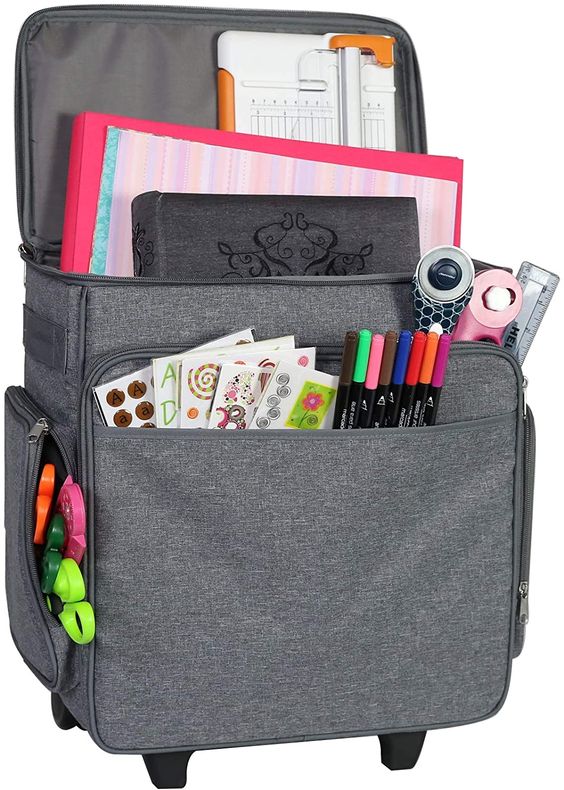
Whether you’re a veteran teacher or just starting your career, having the right equipment is essential to make your day-to-day tasks more manageable. With a top-rated rolling bag, you can efficiently carry all of the supplies you need while saving your strength for the classroom. In this article, we will present 15 of the best rolling bags available to help you keep teaching stress-free and organized.

1. Olympia Luggage Rolling Shopper Tote – Durable and efficient, this tote offers ample storage space and a retractable handle for ease of use.

2. AmazonBasics Rolling Laptop Case – With designated compartments for all of your devices, this case ensures safe transportation for your electronics.

3. Solo New York Bryant Rolling Laptop Bag – A sophisticated choice with a padded laptop compartment and plenty of additional pockets for organization.

4. J World New York Sundance Laptop Rolling Backpack – Featuring generous storage space and smooth-rolling wheels, this backpack makes transporting your materials a breeze.

5. Rockland Double Handle Rolling Tote – Combining style and efficiency, this tote keeps everything in its place with multiple pockets and compartments.

6. Kipling Alcatraz Wheeled Laptop Backpack – Water-resistant material helps protect your belongings in inclement weather, while large compartments easily hold all of your essentials.

7. High Sierra Freewheel Wheeled Laptop Backpack – Designed for comfort and durability, this backpack provides adjustable shoulder straps and built-in padding.

8. Samsonite Xenon 3.0 Spinner Mobile Office – Boasting an easy-roll design, this Samsonite bag has a sophisticated design, perfect for professional educators.

9. Aimee Kestenberg Isla Women’s Laptop & Tablet Rolling Tote – Exude elegance with this stylish rolling tote designed specifically for women.

10. HOMFA Travel Luggage Cart Foldable Heavy-Duty Organizer Roller Bag – Durable and foldable, this rolling bag is perfect for teachers who need to switch between classrooms throughout the day.

11. DELSEY Paris Rolling Tote – This chic rolling bag not only looks good but also offers anti-theft features and exceptional space to keep your belongings secure.

12. Targus Metro Rolling Laptop Case – A professional-looking option designed with organizational pockets for easy access to essentials.

13. Mancini Leather Goods Wheeled Catalog Case – This luxurious leather rolling bag ensures both style and functionality for teachers.

14. McKlein USA Chicago 17″ Detachable-Wheeled Laptop Overnighter – Featuring a removable laptop sleeve and ample space for overnight travel, this option is perfect for educators on the go.

15. Wenger SwissGear Potomac Rolling Laptop Bag – Complete with a five-stage telescoping handle and multiple storage compartments, this bag is a top choice for many teachers seeking organization and convenience.

When selecting a rolling bag, consider factors such as size, durability, organizational features, and style. Choosing a high-quality option will help ensure that your days are spent focusing on students rather than struggling with an overloaded bag. With one of these top-rated rolling bags in tow, you’ll be well-prepared for whatever your teaching career brings your way.

Dear Students, Thank You for Teaching Me This Year

As the school year draws to a close, I find myself reflecting on all the memories and lessons that have been shared in the classroom. What strikes me most is the profound impact you, my dear students, have had on my life. This letter is a heartfelt ‘thank you’ for everything you’ve taught me this year.

Every day, as I entered our classroom, I was greeted by your eager faces, alert minds, and contagious enthusiasm. You continuously reminded me about the joy of learning – not just about the subjects we covered, but more importantly about the world around us and the people within it.

It was your unwavering curiosity that pushed me to become a better educator. Time and time again, you posed questions that made me stop to reconsider my own assumptions and beliefs. Your open-mindedness helped me view traditional topics from new angles and allowed me to grow not only as a teacher but as a lifelong learner.

You also highlighted the importance of fostering an inclusive and respectful learning environment. Each of you brought unique perspectives and backgrounds to our shared space. By engaging in difficult conversations with empathy and understanding, you served as inspiring models for your peers – and for me.

As members of our class community, you consistently demonstrated kindness and support for one another. I watched as friendships were forged and bonds were formed that transcended age, race, and socio-economic backgrounds. It was in these moments of connection that I saw just how important it is to build bridges between others – valuing their experiences, ideas, and feelings.

And let’s not forget those times when things didn’t go quite as planned. Those setbacks might have stung at first, yet through them, I witnessed your resiliency shine through. As long as you learned from those experiences, growth was inevitable. Your ability to recover from challenges while remaining perseverant taught me patience and reinforced the importance of cultivating grit in our students.

Finally, thank you for allowing me to see the power and impact of creative expression. Whether it was through poetry, artwork, or performance, you boldly shared your hearts and souls with those around you. By doing so, you reminded me that creativity has the power to heal, transform, and empower – a potent lesson for us all.

So, dear students, as we close this chapter and embark on new adventures, I want you to know that you’ve had a profound effect on my life. Your courageous spirits and bright minds have left an indelible mark on my heart, and for that, I am truly grateful. May our shared experiences continue to inspire growth and learning within each of us as we move onward together.

Fondly,

Your Teacher

The 10 Best Laptops for Teachers

In today’s digital age, having a reliable and powerful laptop is essential for teachers. Whether it’s creating engaging presentations, managing class schedules or just staying organized, a top-notch laptop is indispensable. To help you choose the best one that fits your needs and budget, we have compiled a list of the 10 best laptops for teachers.

1. Apple MacBook Air – The Apple MacBook Air is an ideal choice for teachers who prefer a sleek design and user-friendly operating system. Its long battery life, lightweight design, and powerful processor make it perfect for all teaching tasks.

2. Dell XPS 13 – Known for its high performance, compact design, and outstanding display quality, the Dell XPS 13 is perfect for teachers who want a Windows-based laptop with excellent performance.

3. HP Spectre x360 – This convertible laptop offers the best of both worlds: the functionality of a full-fledged laptop and versatility of a tablet. Its touchscreen capabilities and Intel Core i7 processor make it one of the top choices for educators.

4. Lenovo ThinkPad T480 – With its exceptional durability, advanced security features, and top-of-the-line performance, the Lenovo ThinkPad T480 is ideal for teachers who need a laptop that can handle heavy multitasking without compromising on battery life.

5. ASUS ZenBook 14 – The ASUS ZenBook 14 provides powerful performance in an ultra-portable package. Its slim bezels allow for a larger screen size while keeping its compact dimensions intact, making it perfect for teachers on-the-go.

6. Acer Swift 3 – This affordable laptop doesn’t compromise on performance or features. With its long battery life, lightweight design, and sturdy build quality, the Acer Swift 3 offers excellent value for money – making it an attractive option for budget-conscious educators.

7. Microsoft Surface Laptop 3 – This lightweight laptop is perfect for teachers who prioritize portability and performance. Its high-quality touchscreen display, responsive keyboard, and sleek design make it a popular choice among educators.

8. Google Pixelbook Go – For those who prefer a Chromebook experience, the Google Pixelbook Go offers impressive battery life and a comfortable keyboard. Its lightweight design and seamless integration with Google services make it a go-to choice for teachers who rely heavily on Google Workspace.

9. HP Pavilion x360 – This 2-in-1 laptop provides versatility for teachers who need both a laptop and tablet in one device. With its powerful performance, vibrant touchscreen display, and ample storage, the HP Pavilion x360 is perfect for educators who want a versatile device.

10. ASUS VivoBook S15 – With its slim profile, trendy design, and powerful hardware components, the ASUS VivoBook S15 is ideal for teachers who want a laptop that doesn’t skimp on style or performance.

In conclusion, choosing the right laptop depends on personal preference, budget, and specific requirements. With this list of the 10 best laptops for teachers, we hope you can find the perfect device to enhance your teaching experience and make your job easier in the ever-evolving world of education technology.

7 Simple Ways to Sneak Mindfulness Into Your Teaching Day

In today’s fast-paced and technology-driven society, practicing mindfulness is more important than ever. As educators, we have the unique opportunity to instill the principles of mindfulness in our students while incorporating these practices into our teaching day. Here are seven simple ways to sneak mindfulness into your teaching routine:

1. Start with a mindful morning routine

Begin your day with a mindful morning routine. This could include meditation, journaling, or simply sitting quietly for a few moments to clear your mind. By starting each day with intention and focus, you’ll be better prepared to manage stress and be present for your students.

2. Incorporate mindful transitions

Between classes or activities, take time to pause and reset with mindful transitions. Encourage students to take several deep breaths as they settle into their desks or line up for lunch. These brief moments of mindfulness allow everyone to refocus and stay grounded throughout the day.

3. Practice active listening

When speaking with students or colleagues, practice active listening by giving them your full attention and resisting the urge to multitask. By truly hearing what others are saying, you model mindfulness for your students and foster a culture of understanding and respect.

4. Incorporate brief meditation exercises

Make time for short meditation exercises during class. These can be as simple as one-minute breathing exercises to help students (and you) relax and refocus on the task at hand.

5. Use visual cues for mindfulness reminders

Place visual reminders around your room to encourage mindfulness practice throughout the day. Posters with calming images or inspiring quotes can help remind both you and your students to maintain focus and stay present.

6. Create a quiet space for reflection

Create a designated quiet space in your classroom where students can go when they need a moment of calm or solitude. This space can be equipped with cushions, soft lighting, or nature sounds – anything that promotes relaxation and mindful reflection.

7. End the day with reflection

As your teaching day draws to a close, make a habit of reflecting on the day’s events and your interactions with students. What went well? What could have gone better? By taking the time to reflect and learn from each day, you’ll continue to grow as an educator and deepen your mindfulness practice.

By incorporating these seven simple strategies into your teaching routine, you’ll create a more mindful and focused environment for yourself and your students. Practicing mindfulness in education not only leads to greater personal well-being but contributes to the development of compassionate, resilient, and engaged learners.