Teacher Education

Teachers Reveal the Expectations They Refuse to Care About Anymore

Over the years, educators have been subjected to various expectations and pressures, many of which do not have a significant impact on student learning and development. It is becoming increasingly difficult for teachers to cater to these expectations while still providing quality education. However, many teachers have taken a stand and started focusing only on aspects essential for their students’ growth.

Here are some expectations that teachers reveal they refuse to care about anymore:

1. Zero Tolerance Policies

Many schools have adopted zero tolerance policies regarding issues such as dress code violations, tardiness, and minor rule infractions. Teachers increasingly recognize that these strict policies don’t create an encouraging learning environment. Instead, there is a growing consensus that addressing issues with empathy and understanding is a more effective approach.

2. Standardized Testing

While standardized tests aim to assess academic knowledge and provide schools with valuable data, they can also put undue stress on both educators and students. Consequently, some teachers now advocate for a more comprehensive assessment of students’ abilities rather than solely relying on standardized tests.

3. Keeping Up with Educational Trends

The world of education continually evolves, with new pedagogical approaches emerging at break-neck speed. Many feel that spending too much time keeping up with trends can take away from the focus on their students’ individual needs. Therefore, while being aware of improvements in educational practices is essential, many teachers refuse to hop onto every new trend.

4. Immaculate Lesson Plans

Though well-prepared lesson plans play a critical role in effective teaching, some educators have reached the point where they prioritize practicality over perfection. The emphasis has shifted towards adapting lessons according to students’ needs rather than focusing on meeting every so-called “ideal” criteria in a lesson plan.

5. Excessive Homework

Many teachers are beginning to question the value of assigning excessive homework as it can contribute to student burnout and disengagement. Instead, they concentrate on making sure that the homework assigned is meaningful and supports the students’ learning process.

6. Maintaining a “Pinterest-Worthy” Classroom

In the era of social media, there can be pressure to maintain picture-perfect classrooms. Many teachers have decided to prioritize functionality over aesthetics in their classrooms, striving to create an environment conducive to learning with the resources they have.

7. Judging a Teacher’s Worth by Student Results Alone

While student performance is critical, many educators believe that it shouldn’t be the sole measurement of a teacher’s success. A greater emphasis on student growth and positive teacher-student relationships is crucial for long-term success in education.

By refusing to care about these expectations anymore, teachers are redefining their priorities and shifting focus towards more meaningful aspects of the teaching profession. Fostering genuine connections and understanding individual students’ needs will ultimately lead to a more nurturing and effective learning environment for all.

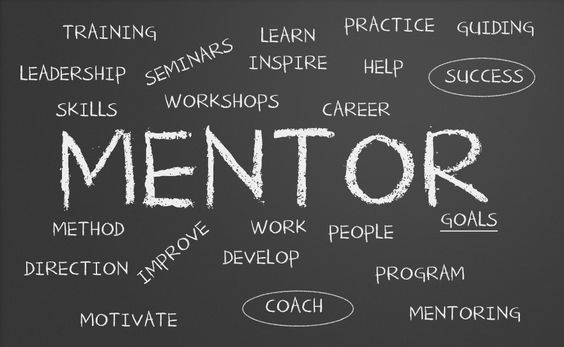
How to Be (or Find) a Truly Great Teaching Mentor

A truly great teaching mentor can be a game changer in the professional development of an educator. The right mentor can not only provide invaluable advice and guidance, but also inspire confidence, creativity, and passion in their mentees. Whether you aspire to become a great teaching mentor or are on the hunt for one, here are some tips to help you on your journey.

1. Embody the qualities of an effective teacher

In order to become a great mentor (or identify one), it’s important to first be an effective teacher. Mentors should possess strong pedagogical skills, high emotional intelligence, excellent communication abilities, and a deep understanding of various learning styles and methodologies.

2. Commit to fostering a growth mindset

A great teaching mentor is committed to nurturing a growth mindset in their mentee. They encourage their mentee to embrace challenges, learn from mistakes, and constantly strive for improvement. In order to do this effectively, mentors themselves must model a growth mindset by continuously seeking out professional development opportunities.

3. Cultivate strong listening skills

Active listening is crucial for any productive mentoring relationship. A good mentor should be able to listen carefully, empathize with their mentee’s concerns, and offer targeted guidance without imposing their own opinions or solutions on the mentee.

4. Develop trust and rapport

Just as with any relationship, trust and rapport are key components in a successful mentoring partnership. A great teaching mentor builds trust by being reliable, confidential, and genuinely invested in their mentee’s success. Creating an open and welcoming atmosphere allows the mentee to feel comfortable expressing their thoughts and concerns.

5. Offer constructive feedback

Effective feedback is essential for progress in any profession, including teaching. A good mentor knows how to provide specific, constructive feedback that empowers their mentee without undermining their confidence. This might include identifying areas for growth as well as highlighting the mentee’s strengths.

6. Encourage reflection and self-evaluation

A great teaching mentor can guide their mentee in strengthening their self-reflective skills to enhance their professional growth. By facilitating regular reflection and self-evaluation, mentors can help their mentees better understand their teaching practice and make informed decisions on how to improve.

7. Be flexible and adaptable

Each mentoring relationship is unique, as are the needs of different mentees. A flexible mentor is able to discern what works best for each individual and adapt their approach accordingly. This may involve using various strategies, adjusting the pacing of progress, or exploring alternative solutions to challenges.

8. Connect with professional networks

One of the most valuable resources that a great teaching mentor can provide is access to a network of experienced educators. This support network can offer diverse perspectives, resources, and advice to help both mentors and mentees thrive in their profession.

In conclusion, becoming or finding a truly great teaching mentor involves a combination of personal qualities, pedagogical skills, dedication to continuous improvement, and a genuine desire to support others in their professional journey. Investing time and energy into your own development as a mentor or seeking out the right mentor for you will undoubtedly prove fruitful in fostering a successful and rewarding career.

5 Quick, Fun, and Easy Valentine’s Day Activities to Try in the Classroom

1. Valentine’s Day Card Exchange

A simple yet heartwarming activity for the classroom is organizing a card exchange. Have students create handmade cards for their fellow classmates and make sure everyone receives a little love. To add a twist, turn this into a secret admirer game where students have to guess who wrote them a Valentine’s card.

2. Heart-Shaped Origami

Teach your students the art of origami by creating heart-shaped masterpieces. Provide colorful paper and step-by-step instructions on how to fold hearts. This not only sparks creativity but also teaches students the value of patience and following directions. Students can even write messages inside the hearts before folding them!

3. Valentine’s Day Bingo

Combine learning and fun with a Valentine’s Day-themed bingo game! Create custom bingo cards featuring love-related words or pictures and distribute among the students. Use heart-shaped tokens or stickers as markers during gameplay. As numbers are called out, students will learn new terms related to Valentine’s Day while enjoying a friendly competition.

4. Secret Compliment Bag

Boost your students’ self-esteem by setting up a secret compliment bag in the classroom. Each student decorates a paper bag with their name on it, then classmates write kind words and compliments to fill each others’ bags anonymously. At the end of the day, every student will get to take home their personalized secret compliment bag containing positive affirmations from their peers.

5. Love Potion Science Experiment

Bring some excitement into your science lesson by conducting a love potion experiment! Combine vinegar, baking soda, and food coloring in a container to create an overflowing foamy reaction as an example of how different components can come together as one—just like love! Engage your students in conversation about chemical reactions as they observe this captivating experiment.

These five quick, fun, and easy Valentine’s Day activities are perfect for engaging your students in a day of heartfelt learning and entertainment. Integrating these Valentine’s themed activities into the classroom helps teach kindness, creativity, and valuable lesson concepts — while making lasting memories for every student.

Why Teachers Need to Spend More Time Supporting Each Other

In the ever-evolving world of education, teaching has become an increasingly complex and demanding profession. With new challenges arising daily, teachers face mounting pressures to effectively educate their students while also managing personal and professional responsibilities. It is more crucial now than ever for teachers to support one another in their collective mission to shape the minds of future generations. This article explores some of the key reasons why teachers need to spend more time supporting each other.

1. Increased Collaboration

When teachers collaborate effectively, they can share ideas, strategies, and resources. This enables them to complement each other’s strengths and weaknesses, allowing for a more holistic approach to education. By working together and learning from one another, educators can develop innovative solutions to enhance their students’ learning experiences.

2. Peer-to-Peer Mentorship

No matter how experienced or accomplished a teacher may be, there’s always room for improvement. Peer mentorship offers an invaluable opportunity for educators to learn from one another’s experiences, best practices, and unique perspectives on teaching. By creating a culture of open dialogue and continuous improvement among colleagues, teachers can elevate the quality of their classroom instruction.

3. Emotional Support

Teaching can be an emotionally taxing profession. Between managing classroom dynamics, addressing individual student needs, and navigating administrative pressures, it’s not uncommon for educators to occasionally feel overwhelmed or burnt out. Establishing a strong support network within the school can help alleviate some of this emotional burden by fostering camaraderie among colleagues and providing outlets for stress relief.

4. Personal Growth

By spending time supporting each other, teachers can engage in meaningful discussions that promote personal growth and professional development. These conversations can lead to breakthrough insights about teaching methods or critical self-reflections on individual teaching styles, ultimately improving their overall effectiveness as educators.

5. Greater Job Satisfaction

A supportive work environment is vital for overall job satisfaction. When teachers feel valued by their peers, they are more motivated to perform their best work, and the entire school community benefits as a result. Developing strong interpersonal relationships among colleagues can lead to higher teacher retention rates and an overall healthier school culture.

In conclusion, teachers need to prioritize supporting each other through collaboration, mentorship, emotional encouragement, personal growth, and job satisfaction initiatives. By doing so, educators can create a more nurturing and effective learning environment for their students while improving their own professional well-being. Schools must actively foster a culture of support and open dialogue among teachers to ensure the highest quality education for every student.

When is the Best Time to Find a Teaching Job?

Introduction

The teaching profession is highly rewarding and fulfilling. However, like any other career path, timing is crucial in securing a teaching position. Knowing the best time to find a teaching job can increase your chances of landing your dream role. In this article, we will explore the timeline of the hiring process in schools and determine when to start searching for a new teaching job.

Peak Hiring Season

For many schools, the peak hiring season falls between April and June. This period is ideal for finding a teaching job because school administrations are aware of their staffing needs for the upcoming academic year and have budgets approved for new hires. Additionally, teachers who plan to retire or resign typically submit their resignation letters during this time, leaving more open positions available for potential candidates.

Begin Your Search Early

While the peak hiring season occurs in spring, it’s advisable to begin your job search early in the year, around January or February. By starting early, you can get a head start on preparing your resume and gathering necessary documents, such as certifications and recommendations. You also have more time to research schools you are interested in and tailor your application materials accordingly.

Job Opportunities During Fall and Winter

Although spring is considered the best time to find a teaching job, there will still be openings throughout fall and winter due to last-minute resignations, unexpected budget changes, or unanticipated enrollment fluctuations. While job availability may be lower during these months, competition for these positions may also be less intense.

Consider Long-Term Substitute Positions

If you haven’t found a position by late summer or early fall, consider applying for long-term substitute assignments. These positions can last several weeks or months and often lead to full-time teaching opportunities if an opening arises within the school during your tenure as a substitute.

Teaching Abroad

If you’re open to working internationally, teaching overseas holds different timelines than domestic schools. International teaching job fairs usually take place between January and March, with hiring occurring from February through May. International schools follow a different academic calendar, so adapt your search accordingly if you’re interested in broadening your horizons.

Conclusion

While the best time to find a teaching job is typically between April and June, it’s important to note that opportunities arise throughout the year. By beginning your search early and remaining open to various types of positions, you can increase your chances of landing a fantastic teaching role that suits your skills and preferences. Stay flexible, persistent, and proactive in your job search, and remember that securing the perfect teaching position is an investment in your future career success.

In Times of Crisis, Teachers Are the Heroes We Need

Introduction

Every society bears witness to hardships and adversities, some greater than others. It is during these trying times that the real heroes emerge from the shadows, displaying unwavering commitment towards our collective welfare. Among these beacons of hope stand our teachers who continuously prove that education has the power to guide us through any crisis.

The Unseen Valor

Teachers are no strangers to challenges. Amidst budget cuts, overcrowded classrooms, and inadequate resources, these educators strive to provide the best possible learning experience for their students. What may appear to be a simple task from the sidelines unfolds into a constant battle, as they strive for equity in access to quality education for each child.

A Natural Disaster’s Silver Lining

In recent memory, numerous natural disasters have put entire regions in a state of despair. Earthquakes, hurricanes, and floods devastate communities and leave a long-lasting imprint on those affected. Amidst these catastrophes, teachers have stepped up as heroes, transforming schools into shelters for displaced families and providing solace to those in distress.

As infrastructure crumbles around them, educators adapt swiftly – preparing creative lesson plans, employing alternative teaching methods and using whatever resources are available. They not only ensure that learning continues unabated but also restore a sense of normalcy and routine for their traumatised students.

The Pandemic Heroics

Today’s global pandemic has struck fear across communities worldwide. As schools shuttered their doors at an unprecedented scale, teachers rose to the occasion yet again. Displaying exemplary courage and determination amidst chaos, they navigated uncharted territory and embraced remote learning.

They expanded their skills overnight – mastering new digital platforms and adjusting their instructional styles to engage students online. These tireless efforts kept homebound learners connected amidst social isolation and nurtured their academic growth despite a rapidly changing world.

A Lifelong Impact on Students

Though the crises may differ, each of these instances has emphasised the tenacity and dedication of our teachers. By shouldering the responsibility to continue education in the darkest of times, they impart the most important lesson that extends beyond the confines of a classroom – resilience.

These moments leave a lasting mark on young minds – instilling in them the values of compassion, adaptability, and knowledge in navigating life’s challenges. Through their unwavering resolve to educate, our teachers shape a generation equipped to face any obstacle that may come its way.

Conclusion

In these difficult junctures, educators reaffirm their value not just as purveyors of knowledge but also as extraordinary pillars of support within our communities. Time and time again, they valiantly step up as unsung heroes to protect and guide both our present and our future. In times of crisis, there can be no doubt that teachers are indeed the heroes we need.

15 Would You Rather Questions for Teachers

Introduction:

Would you rather questions are a great way to break the ice during meetings, professional development, or other gatherings of teachers. They can inspire friendly debate, spark fun conversation, and help you get to know your fellow educators. Here are 15 creative and thought-provoking would you rather questions you can use in your next teacher gathering.

1. Would you rather teach only math and science courses for the rest of your career or only teach language arts and social studies?

2. Would you rather grade essays for an entire weekend or do lesson planning for the upcoming month in one sitting?

3. Would you rather have no classroom technology (e.g., computers, tablets, smartboards) or have no physical teaching resources (e.g., books, posters, desk supplies)?

4. Would you rather have a classroom with oversized windows and abundant natural light but no air conditioning, or a classroom without windows but equipped with air conditioning?

5. Would you rather spend your summer break immersed in professional development workshops or devote it to planning a detailed curriculum for the upcoming academic year?

6. Would you rather write individualized notes to each student’s family every week or record a daily vlog of your teaching experiences?

7. Would you rather teach only one class of exceptionally motivated students who ask challenging questions or teach multiple classes of varying ability levels and interests?

8. Would you rather receive an increased salary with limited prep time during the workday or have ample prep time during the workday but with a lower salary?

9. Would you rather organize a large-scale, immersive educational field trip for your students or create an elaborate, year-long project-based learning experience?

10. Would you rather have mandatory collaboration with a challenging colleague every week or limited communication with other staff members throughout the school year?

11. Would you rather witness an unforgettable “aha” moment in one student’s learning or help a group of students make moderate but steady progress throughout the year?

12. Would you rather be known as a demanding teacher who prepares students for success in future education or as a lighthearted teacher who fosters a love of learning by making coursework fun and engaging?

13. Would you rather spend an extra hour before school each day mentoring struggling students or spend that time after school participating in an extracurricular program?

14. Would you rather teach in a highly structured, traditional school setting with abundant resources or in an experimental, progressive setting with limited resources but creative freedom?

15. Finally, would you rather have your students perform exceptionally well on standardized tests but fail to make emotional connections with them or have heartwarming and lasting relationships with your students without significant test score improvement?

Conclusion:

These 15 would you rather questions can be conversation-starters at icebreakers at your next gathering of teachers. Let the debates begin, and enjoy the chance to learn more about your colleagues’ preferences and opinions on various educational scenarios.

10 Things Teachers Think During Staff Meetings (But Don’t Say

Every teacher has sat through staff meetings that seem to go on forever. Whether it’s discussing mundane administrative tasks or brainstorming teaching strategies, there are often thoughts that cross their minds but don’t necessarily get shared aloud. Here’s a peek into those unspoken musings.

1. “Why is this meeting so long?”

It’s no secret that staff meetings can drag on for hours. Teachers often wonder why there isn’t a more efficient way to share information or if all these discussions could have been condensed into an email.

2. “Can we discuss something relevant to my subject or grade level?”

During staff meetings, educators often wish they could contribute more to the conversation by discussing topics that specifically impact their subject area or grade level. A one-size-fits-all approach doesn’t always lead to productive discussions.

3. “I really need to grade those exams.”

While sitting in lengthy staff meetings, teachers may be reminded of the growing piles of ungraded tests and assignments awaiting their attention back in the classroom.

4. “Why didn’t anyone tell me what we were discussing beforehand?”

Sometimes, teachers find themselves attending meetings without a clear understanding of what’s on the agenda. This can lead to frustration, as they aren’t able to mentally prepare or contribute meaningfully to the conversation.

5. “There have to be snacks, right?”

Teachers may secretly hope for refreshments at staff meetings, knowing that a little food can go a long way in boosting morale and fostering camaraderie among colleagues.

6. “Not another PowerPoint presentation…”

While PowerPoint presentations can be useful tools for sharing information, teachers might grimace at the thought of sitting through yet another lengthy slide show full of text and graphs they’ve likely seen before.

7. “I wonder what my students are up to.”

During staff meetings, teachers’ thoughts often turn toward their students—whether they’re worrying about their progress, contemplating lesson plans, or simply missing the classroom environment.

8. “This could have been an email.”

In some cases, staff meetings may cover only a few key points that could have been communicated just as effectively through email. Teachers can’t help but wonder if a simple email would’ve saved them time and energy.

9. “Why are we still talking about this?”

Teachers may find themselves questioning the need for lengthy debates or repetitive discussions on a topic that seems to have been exhausted.

10. “I really need to use the restroom, but I don’t want to miss anything important.”

Finally, one of the most common thoughts during staff meetings is the inevitable call of nature. Teachers often feel torn between stepping out for a quick break and potentially missing out on crucial information.

These inner thoughts may be universal to teachers during staff meetings, but they typically go unspoken in favor of maintaining a professional atmosphere. Nevertheless, it’s worth considering how to streamline meetings and address educators’ concerns in order to promote a more effective and enjoyable experience for all involved.

Teachers Share the Funniest Things That Have Ever Happened at a Staff Meeting

Introduction:

Staff meetings are an essential part of the educational process, where teachers come together to collaborate, plan, and improve their skills. However, humor has a way of slipping into even the most professional settings, leading to some hilarious moments behind closed doors. We’ve gathered some of the funniest stories from teachers who couldn’t help but share their unexpected laughs during staff meetings.

1. The Coffee Catastrophe

One teacher shared a story about their principal conducting a coffee demonstration as an analogy for inter-departmental collaboration. The principal filled a coffee pot with water and placed it atop a portable burner meant for science labs. What should have been a simple metaphor turned into chaos when the plastic components of the coffee pot melted onto the burner, filling the room with smoke and triggering the fire alarm.

2. Mascot Missteps

During a staff meeting discussing school pride initiatives, one teacher proposed the idea of having teachers dress up as the school mascot at sporting events. The idea quickly gained approval and excitement until one faculty member realized they had forgotten to order the appropriate costume size for some of their more vertically-challenged colleagues. The result was an oversized mascot uniform that left everyone in stitches as they imagined petite teachers attempting to navigate their way through events.

3. PowerPoint Pandemonium

A faculty member was presenting a slideshow full of charts and graphs outlining student performance goals during their monthly staff meeting. As they clicked through each slide, they accidentally pressed the “View Show” button on their keyboard, activating a screen saver featuring hundreds of bouncing PowerPoint logos that made everything on screen impossible to read. The meeting swiftly devolved into hysterics as faculty members attempted in vain to find focus amidst the chaos.

4. Silent Songbirds

As a team-building exercise during an evening staff retreat, one school’s administration decided to incorporate karaoke into the festivities. Despite initial enthusiasm, the activity fell flat when it was discovered that the microphones weren’t functioning. Undeterred, the teachers confessed their love for the activity and continued to mime exaggerated performances on stage while music played in the background.

5. Surprise Visitors

A tense staff meeting addressing budget concerns was lightened up considerably when two deer appeared outside the conference room window. The deer began to playfully chase each other around the school grounds, captivating everyone in attendance. The impromptu wildlife show provided a welcome moment of levity during an otherwise serious meeting.

Conclusion:

While it’s important for teachers to maintain professionalism and stay focused during staff meetings, it’s impossible to ignore that humor has a unique ability to bring people together and relieve stress. These stories of funny moments from behind the classroom are not only entertaining but also highlight the importance of laughter in even the most serious environments.

Teachers Share the Things They Never Said

Introduction:

Teachers hold a unique and valuable position in society, guiding and shaping the futures of countless students. However, there are some thoughts and experiences that teachers often keep to themselves, for various reasons. In this article, we explore the things that teachers never said – those unspoken truths, frustrations, and moments of vulnerability that occur behind the closed doors of the classroom.

Unspoken Truths:

1. The Emotional Weight: Teachers rarely speak of the emotional burden they carry. Whether it’s concern for a troubled student or disappointment when a class doesn’t meet expectations, these feelings can weigh heavily on a teacher’s mind and heart.

2. Diverse Learning Needs: It can be challenging to meet the diverse needs of all students in a classroom. Teachers sometimes feel stretched thin as they attempt to balance individualized instruction with group lessons and activities.

3. Classroom Management Struggles: Some teachers are hesitant to admit when they struggle with maintaining classroom order and discipline, fearing it may reflect poorly on their teaching abilities. However, many teachers experience these struggles at some point in their careers.

Frustrations:

1. Lack of Support: Teachers may not always feel supported by administrators or colleagues, making their job more difficult. Long hours, limited resources, and a lack of appreciation can lead to burnout and resentment among educators.

2. Parental Involvement: Though teachers may not say it out loud, some parents can be overly critical or demanding when it comes to their child’s educational experience. This can place additional stress on teachers who are already juggling multiple responsibilities.

3. Standardized Testing: The pressure associated with standardized testing is something many teachers dislike discussing openly. They may feel that these tests stifle creativity and discount the additional efforts taken to provide a well-rounded education for their students.

Moments of Vulnerability:

1. Self-Doubt: Like anyone else, teachers can feel moments of doubt in their own abilities. They might wonder if they’re truly making a difference or if they’ve made the right career choice.

2. Battling Exhaustion: Teachers invest a significant amount of time and energy into their work, often sacrificing personal time. This can lead to exhaustion and physical fatigue, which they may not openly admit to others.

3. Sharing Personal Struggles: Teachers may not always share their personal struggles with colleagues or administrators. From financial issues to health concerns, these unspoken challenges can impact their ability to perform at their best.

Conclusion:

Teachers carry an immense responsibility as they shape the lives and futures of their students. By acknowledging and understanding the things they never say, we can better support these dedicated professionals in their mission to educate and inspire our youth. Let’s work together to ensure that teachers feel valued, heard, and supported – because a healthy classroom environment begins with a supported teacher.