Uncategorized

Teaching Students About Gold Karats

Gold has mesmerized humanity for centuries due to its extraordinary color, unmatched malleability, and inherent value. One essential concept that students need to understand when learning about gold is the karat system, which determines gold purity. In this article, we’ll explain the gold karat system in-depth and offer tips for teaching students about it.

What is a Karat?

A karat (abbreviated as “K” or “kt”) is a unit of measurement denoting the purity of gold in an alloy. Pure gold is classified as 24-karat gold, meaning it contains no other metals. However, pure gold is soft and not suitable for making jewelry or products that require durability. To increase its strength and resilience, gold is often mixed with other metals, creating an alloy.

Understanding Gold Karats

The karat system divides pure gold into 24 equal parts. Therefore, the purity of a gold item can be quantified based on how many parts consist of pure gold compared to the total number of parts within the alloy:

1. 18K Gold: Contains 18 parts pure gold and 6 parts other metals (75% pure)

2. 14K Gold: Contains 14 parts pure gold and 10 parts other metals (58.5% pure)

3. 10K Gold: Contains 10 parts pure gold and 14 parts other metals (41.7% pure)

Teaching Techniques

1. Use visual aids – Display images or provide physical samples of various karat jewelry items to help students visualize and distinguish the differences between different karats.

2. Make comparisons – Encourage students to compare and contrast different gold karats with real-world items, such as coins or jewelry. This can help them better understand the subtle differences in appearance, weight, and value.

3. Incorporate math – Integrating math problems into your lesson plan can help students learn how to calculate the percentage of gold content using the karat system.

4. Interactive activities – Encourage students to form small groups and discuss various aspects of gold karats, such as different types of alloys, uses for specific karats, or the factors that influence gold prices.

5. Highlight historical context – Teach students how the gold karat system originated and developed over time. This can help them gain a better appreciation for its significance in various cultures and societies.

Conclusion

Teaching students about gold karats may seem like a daunting task at first, but by breaking down the concept into simple parts, utilizing engaging teaching techniques, and offering real-world examples, they will be better equipped to understand and appreciate this crucial aspect of gold’s properties. With a solid foundation in place, students will be well-prepared for further exploration into the world of gold and its many uses.

7 Lessons I Learned Turning Classic Literature Into a Student Musical

As the curtains closed and the applause roared, I knew that the months of hard work our students had put into turning classic literature into a musical had paid off. It was no easy feat, but I learned several invaluable lessons along the way. Here are seven key takeaways from my experience:

1. Know and understand your source material

To create a successful adaptation, it’s crucial to become intimately familiar with the original work. Deeply understanding characters, plot structure, themes, and motifs will enable you to mold the classic literature around key aspects that resonate with today’s audiences.

2. Collaborate with others

Enlisting the help of co-writers, lyricists, composers, and students themselves illuminated perspectives that I hadn’t considered previously. Welcoming input ensured that our adaptation was well-rounded and truly took advantage of unique insights.

3. Make necessary changes while staying true to the heart of the story

When adapting a classic work, it’s essential to balance maintaining the original spirit of the story with incorporating fresh elements that breathe new life into it. Chose key scenes to maintain, while giving yourself creative liberty to invent memorable moments specifically for your musical.

4. Be prepared for challenges in the rehearsal process

Creating a student musical is an adventure filled with unanticipated hurdles. Always have backup plans available for those inevitable hiccups — whether finding a last-minute replacement for an actor or reworking a difficult song.

5. Keep up motivation and morale

Encouraging enthusiasm among students is key to maintaining high-energy performances during long rehearsal hours. Celebrate milestones as they occur and remind students of their progress toward their ultimate goal: an unforgettable performance.

6. Encourage every student’s strengths

When casting roles and delegating tasks, recognize each student’s unique skill set and nurture their talents accordingly. This will ensure each individual takes ownership of their role and contributes positively to the overall production.

7. Reflect on and learn from the experience

Once the curtain has closed and the applause dies down, take time to consider what you’ve gained, reflect on areas for improvement, and use this knowledge as a foundation for even greater creative projects in the future.

In conclusion, transforming a classic work of literature into a student musical can be an immensely rewarding endeavor. By embracing challenges with openness, collaboration, and determination, you’ll create an unforgettable production that not only entertains but also imparts life-long lessons to its performers.

Win Everything You Need to Start a Classroom Garden!

Are you an educator with green fingers and a passion for teaching students about the environment, sustainability, and the joy of growing their own food? If so, this is your chance to win everything you need to start a classroom garden!

A classroom garden is an incredible hands-on learning experience that not only teaches children valuable life skills but also fosters an appreciation for nature. Students can learn about various plants, their growth cycles, and how to care for them. In addition, gardening as a group can promote teamwork and collaboration among young minds.

To help create this nurturing environment, we’ve partnered with leading gardening and educational stores to offer lucky educators the chance to win the ultimate classroom garden kit. Here’s what’s included:

1. Seeds galore: Your garden will be brimming with life thanks to our generous seed collection. From vegetables and herbs to flowers that attract pollinators, there’s something for everyone.

2. Gardening tools: With kid-friendly gloves, shovels, rakes, and watering cans, each student can contribute with proper equipment.

3. Planting containers: For classrooms without outdoor access or limited space, we’re providing a variety of planting containers to make your garden possible anywhere.

4. Composting system: Learn the importance of recycling organic waste by incorporating an efficient composting system into your classroom garden.

5. Interactive lesson plans: To complement your gardening activities, you’ll receive engaging lesson plans covering topics like plant biology and sustainable agriculture.

6. Expert guidance: To make your gardening journey smooth sailing, expert horticulturists will be available for ongoing support and advice.

Entering this giveaway is simple! Follow these steps:

1. Visit our contest webpage (link shared below)

2. Fill out the entry form with your contact information

3. Describe in 200 words or less why you believe having a classroom garden would benefit your students

4. Hit submit, and you’re in!

The contest is open to all educators in applicable regions, from preschools to high schools. The entry deadline is (DATE). Winners will be announced shortly after the deadline, so keep an eye on your email inbox to find out if you’ve won.

Don’t miss this incredible opportunity to start a classroom garden and pave the way for a greener, more sustainable future for your students. Good luck!

Do We Put Too Much Emphasis on Memorizing Multiplication Facts?

Introduction:

In the age of advanced technology and problem-solving skills taking center stage, one might wonder if there is still a need for memorizing multiplication facts. Traditionally, learning multiplication tables has been a fundamental part of early mathematics education. However, it is essential to evaluate if an excessive focus on rote memorization stifles creativity and individual learning styles.

The Importance of Multiplication Facts:

Memorizing multiplication facts has long been considered a foundation in math education. It lays the groundwork for complex arithmetic operations such as division, fractions, and algebra. Mastering this basic skill enables children to answer problems quickly and confidently. Completing tasks swiftly often boosts self-esteem and encourages students to tackle more challenging mathematical concepts.

Criticism of Emphasizing Rote Memorization:

In recent years, several educators and researchers have criticized the excessive emphasis on rote memorization in mathematics education. Critics argue that this approach overlooks individual learning styles and fosters a shallow understanding of mathematical concepts. Moreover, the constant repetition may cause disinterest among students, leading to disengagement from math altogether.

Furthermore, with technology playing an increasingly significant role in daily life, easy access to calculators and devices may render memorization less crucial. Critics argue that time spent teaching multiplication tables through memorization should be better invested in developing critical thinking and broader problem-solving skills.

The Balance Between Memorization and Problem Solving:

While there is merit to both sides of the argument, finding a balance between memorization and problem-solving skills seems to be the most effective method. It is necessary to maintain the understanding that multiplication facts serve as building blocks for more advanced mathematical concepts.

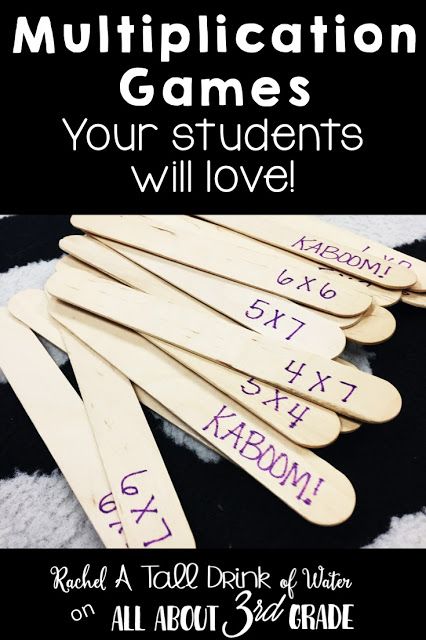
Engaging students through hands-on activities or using technology can reinforce their learning without relying solely on traditional methods of memorization. By incorporating games or interactive applications into the curriculum, educators can cater to various learning styles while still instilling essential multiplication skills. This approach can strike a balance between mastering basic arithmetic and fostering creativity and critical thinking abilities.

Conclusion:

In conclusion, while the importance of multiplication tables cannot be entirely disregarded from the curriculum, it is crucial to strike a balance between rote memorization and individualized learning methods. Ensuring that education remains engaging and relevant in the technological age requires innovative approaches that cater to diverse learning abilities while still emphasizing the fundamentals of math education. Incorporating problem-solving skills and creative methods alongside traditional techniques can lead to a more comprehensive and deeper understanding of mathematics for future generations.

15 Reasons Your Classroom Needs Carpet Spots (Also, Deal Alert!)

Introduction:

Carpet spots are a fantastic addition to any classroom and offer numerous benefits. They provide teachers with a simple and effective method of managing their students, organizing activities and ensuring cleanliness in the space. If you’re on the fence about incorporating carpet spots into your classroom, let’s dive into the top 15 reasons why you need them! Plus, be on the lookout for a special deal alert at the end of this article!

1. Visual Organization:

Carpet spots offer an excellent visual organization system for your students. They can easily see where they are supposed to sit or gather for different classroom activities.

2. Personal Space:

In crowded classrooms, it’s essential for students to have their own personal space. Carpet spots provide designated areas for each student, ensuring they have room to learn comfortably.

3. Enhances Student Focus:

By offering a designated area for each student, carpet spots help minimize distractions and allow them to concentrate better.

4. Facilitates Group Work:

Carpet spots make it easy to divide your students into groups for collaborative activities or discussions.

5. Time Saver:

No more wasting time figuring out seating arrangements! Students will know exactly where to go when entering the classroom.

6. Versatility:

Whether you’re using them for circle time, group work or individual assignments, carpet spots are versatile and adapt to various teaching situations.

7. Durable & Easy to Clean:

Made from high-quality materials, carpet spots are long-lasting and easy to clean—ideal for busy classrooms.

8. Cost-Effective:

By opting for carpet spots instead of separate chairs or desks, teachers can save money and resources while still providing a comfortable learning environment.

9. Perfect Fit for Different Age Groups:

Suitable for all ages, carpet spots accommodate young students in preschool up to older children in primary school classrooms.

10. Enhances Participation:

Carpet spots encourage students to participate more actively in classroom activities as they feel more secure in their designated areas.

11. Classroom Aesthetics:

Available in various colors and shapes, carpet spots can add a pop of color and personality to your classroom environment.

12. Encourages Safe Play:

During playtime, carpet spots can serve as boundaries for safe play zones, reducing the likelihood of accidents.

13. Noise Reduction:

Thick carpet material minimizes noise levels in the classroom, creating a calmer atmosphere for both teachers and students.

14. Seating Chart Flexibility:

Rearrange your carpet spots with ease to experiment with different seating charts and find the perfect configuration for your class.

15. Easy Storage:

Lightweight and transportable, carpet spots can be quickly moved and stored away when not in use.

Deal Alert!

Now that you’re convinced of the benefits carpet spots can bring to your classroom, why not take advantage of this amazing deal? Get 20% off your next purchase of premium carpet spots by using the promo code: CLASSROOM20SPOTS at checkout!

In Conclusion:

Carpet spots are valuable tools that offer a wide range of benefits for both teachers and students. By incorporating them into your classroom routine, you’ll promote organization, focus, collaboration, and comfort for all involved. Don’t forget to snag this great deal on high-quality carpet spots! Happy teaching!

We Love These Real-World Teachers’ Lounges (Can We Get One at Our School?)

Introduction:

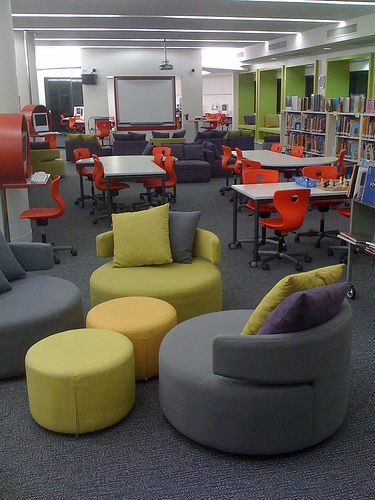
In recent years, the importance of teacher well-being and self-care has gained attention. One place where these can be fostered is in the teachers’ lounge. A well-designed teachers’ lounge can serve as a sanctuary for educators to unwind, recharge, and connect with colleagues between the demanding tasks and responsibilities they handle daily. We have compiled a list of some real-world teachers’ lounges that have caught our attention and admiration. Let’s explore these inspiring spaces and see if we can bring them to our own schools.

1. The Zen-Inspired Lounge:

Located in a progressive school in California, this Zen-inspired teachers’ lounge features an open-concept design with floor-to-ceiling windows that invite ample natural light, creating a calming atmosphere. A variety of seating options, including couches, bean bags, and traditional chairs, allow teachers to find their own comfortable spot. The space also includes an indoor garden and meditation corner that allows educators to practice mindfulness during their breaks.

2. Rustic Meets Modern Lounge:

A school in the Midwest transformed its old storage room into an inviting rustic-meets-modern lounge for teachers. The room features exposed brick walls with contemporary art pieces, combining classic charm and modern elegance. Comfortable sofas, high-speed Wi-Fi, a well-stocked mini-library, and a coffee bar make it an ideal space to relax or catch up on work during downtime.

3. The “Living Room” Lounge:

A private school on the East Coast has designed its lounge to resemble a cozy living room. The space is furnished with plush sofas, rocking chairs, and soft area rugs. A stone fireplace serves as the room’s focal point, providing warmth during colder months. The inclusion of board games, books, and puzzles encourage teachers to engage with one another while they recharge.

4. Fun and Fitness Lounge:

Recognizing the importance of physical activity, a school in the South has converted an unused room into a fun and fitness-focused teachers’ lounge. The space includes an array of exercise equipment, such as yoga mats, stationary bikes, and treadmills. Using their breaks to engage in physical activity helps encourage overall wellness among educators, reducing stress and boosting creativity.

5. Artistic Expression Lounge:

An arts-focused school in the Pacific Northwest has included art in the design of its teachers’ lounge. The walls showcase rotating exhibits of student artwork, while easels and art supplies are readily available for impromptu creative sessions. This colorful, dynamic space inspires creativity while fostering a strong sense of community between educators and students.

Conclusion:

The teachers’ lounges showcased above are prime examples of how schools can creatively transform unused or underutilized spaces into havens for educators to recharge, connect with colleagues, and find inspiration. Bringing elements from these lounges into our own schools can have a significantly positive impact on teacher well-being and contribute to fostering a positive school environment. So let’s get inspired and start transforming our teachers’ lounges into spaces that nourish the minds and souls of our dedicated educators!

Sweet! We’re Loving This Easy, Flexible Cupcake Rubric for Assessing All Kinds of Subjects

Introduction:

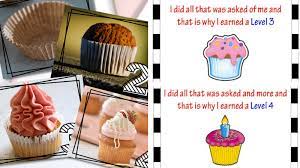
A new, engaging rubric is taking the world of education by storm; it’s called the Cupcake Rubric! This ingenious method assesses a wide range of subjects while keeping students excited about learning. The Cupcake Rubric incorporates flexibility and the concept of assessment as sweet and inviting as a cupcake – perfect for a world where teaching involves diverse strategies and approaches.

The Birth of the Cupcake Rubric:

The Cupcake Rubric springs from traditional teaching tools that assess students’ knowledge and skills. However, unlike its ancestors that proved rigid and confined to specific subjects, this innovative approach brings excitement back into the evaluation process through its adaptability. The Cupcake Rubric transforms assessments from mundane tasks into enjoyable activities that facilitate learning for both educators and students alike.

Building Blocks of the Cupcake Rubric:

Much like a cupcake, this rubric comprises distinct layers, each playing an essential role in making it delightful. Here are the main components of the Cupcake Rubric:

1. Base layer (Subject content): The base represents subject-specific knowledge that every student should possess. It includes facts, concepts, principles, and theories relevant to the particular subject.

2. Icing layer (Skills): The icing signifies skills that learners must develop alongside their subject expertise. Examples include critical thinking, problem-solving, creativity, communication, leadership, and teamwork.

3. Protective wrapper (Emotional wellbeing): The wrapper represents emotional wellbeing by ensuring students feel supported and have access to resources they might need during their education journey.

4. Toppings (Individual strengths): Sprinkles or toppings represent personal accomplishments and individual strengths, which are often overlooked in traditional methods but essential in holistic development.

Assessing Subjects with the Cupcake Rubric:

This rubric allows educators to assess various subjects effortlessly. For instance, when evaluating a math student, the base layer (mathematical content) would involve evaluating the learner’s understanding of algebraic concepts or geometry. The icing layer (skills) tests problem-solving abilities and critical thinking. Additionally, the protective wrapper identifies individual strengths and emotional wellbeing, while the toppings highlight the unique talents and achievements of each student.

Expanding Learning Horizons with the Cupcake Rubric:

Given its inherent flexibility, the Cupcake Rubric encourages innovative teaching by letting educators tailor learning experiences that encompass subject-specific knowledge, skills, and assessment strategies. It supports differentiation among students since they can focus on their individual strengths and receive personalized feedback.

Conclusion:

Flexible and adaptable, the Cupcake Rubric has revolutionized assessments within educational settings. Not only does it maintain academic rigor but also encourages creativity by helping students become well-rounded individuals ready to take on real-world challenges. Moreover, this approach ensures that assessments are no longer confined to dreary activities but are now more meaningful and enjoyable for both teachers and learners. Sweet indeed!

Teaching Students About Mahesh Babu

Mahesh Babu, a renowned Indian actor, philanthropist, and producer, has become an influential figure in the world of Indian cinema. His inspiring life story, unique acting style, and dedication to social causes make him an appropriate subject matter for students of various ages. This article aims to incorporate Mahesh Babu’s journey into teaching curriculums and inspire students to learn about his life, career, and contributions.

1. Early Life and Education

Introducing students to Mahesh Babu’s early life is a great way to help them understand the importance of family values and persistence. Teachers can discuss his upbringing in a film family, mentioning his father Krishna Ghattamaneni, a legendary actor in Telugu cinema. Educators can also highlight Mahesh’s academic background and early career steps, such as acting in films as a child artist before transitioning to lead roles.

2. Acting Career and Contributions

Mahesh Babu’s vast experience across various film genres makes it an interesting topic for discussion. Educators can introduce students to his blockbuster hits such as ‘Pokiri,’ ‘Dookudu,’ ‘Businessman,’ ‘Srimanthudu’ and ‘Bharat Ane Nenu,’ emphasizing the diverse characters he’s portrayed on-screen. By analyzing his filmography and using excerpts from his movies in class, teachers can expose students to different aspects of Indian cinema.

3. Philanthropy and Social Causes

Mahesh Babu is also celebrated for his humanitarian work, supporting numerous charities and foundations involving health care, education, disaster relief, and more. His philanthropic efforts provide excellent examples for educators to teach social responsibility and empathy. Teachers may plan activities that involve researching these causes or even setting up small fundraisers or awareness campaigns inspired by Mahesh Babu’s initiatives.

4. Overcoming Struggles and Achieving Personal Success

Through Mahesh Babu’s career, he has faced various challenges and setbacks. Discussing these moments with students can teach the importance of resilience and perseverance in achieving success. Educators may want to highlight his journey, including the period when his movies did not perform well, motivating him to make a strong comeback, further proving the significance of hard work and commitment.

5. Impact on Indian Culture and Cinema

Drawing connections between Mahesh Babu’s career and its impact on Indian culture can help students appreciate the effects of influential figures like him. Teachers can guide discussions that focus on how his work in cinema has elevated Telugu films within the Indian film industry and inspired various budding actors and filmmakers.

Teaching Students About Reaction Science

Introduction

Reaction science is an essential part of the chemistry curriculum. It encompasses the study of chemical reactions and their practical applications, allowing students to understand the transformation of molecules and harness them in new and exciting ways. Teaching this subject effectively requires a blend of theoretical knowledge and hands-on experimentation, coupled with a passion for helping students discover the wonders of chemical reactions. In this article, we will explore various techniques and approaches for teaching students about reaction science and how to inspire their curiosity.

1. Start with the basics

Before diving into complex chemical reactions, it’s crucial to ensure that students have a strong background in fundamental concepts such as atoms, molecules, and bonds. Spend time reviewing periodic table trends, bonding, and molecular structure to provide a solid foundation for further learning.

2. Use visual aids

Vibrant and engaging visuals can make a significant difference when teaching reaction science. Utilize colorful infographics, presentations, or videos to illustrate concepts such as reaction types, energy changes, and rates of reaction. These tools will help make abstract ideas more tangible for students.

3. Encourage hands-on learning

Nothing is more effective for grasping reaction science than carrying out experiments themselves. Design safe and exciting laboratory experiments that allow students to observe chemical reactions firsthand. Incorporate various types of reactions—such as synthesis, decomposition, single-replacement, double-replacement, or combustion—to expose learners to different processes.

4. Connect theory with real-world applications

Explain the practical implications of reaction science by discussing how it applies to everyday life and industries. For example, touch on the importance of pharmaceutical synthesis in creating medications or how proper understanding of combustion reactions can help create more efficient engines.

5. Promote critical thinking through analysis

After performing experiments or learning about specific reactions or concepts, encourage students to analyze their results or findings critically. Pose open-ended questions or discussion prompts that allow learners to think deeply about what they have observed and relate it back to previously learned material.

6. Utilize technology to enhance learning

Incorporate online tools, simulations, and virtual labs to create an interactive learning environment where students can explore reaction science in depth. Platforms such as PhET Interactive Simulations or ChemCollective Virtual Labs offer extensive resources for teachers and students alike.

7. Encourage collaboration and teamwork

Reaction science can be a complex subject, but when students work together in their understanding and problem-solving process, they can reinforce their understanding through peer discussions. Group projects or experiments create opportunities for learners to collaborate, communicate, and share findings with one another.

Conclusion

Teaching students about reaction science is a rewarding experience that involves the careful cultivation of foundational knowledge, experimentation, and real-world connections. Employing creative teaching strategies such as visualization, hands-on experiments, technology integration, and teamwork lays the groundwork for an engaging classroom environment where students can develop their passion for chemistry. By fostering curiosity and critical thinking skills in our future scientists, we are paving the way for a world that continues evolving through the wonders of chemical reactions.


Teaching Students About Al Capone High School

Introduction

The story of Al Capone, the infamous American gangster, is one that many students find fascinating. At the heart of his reign as a crime lord was his notorious high school, Al Capone High School. Integrating this part of history into modern education offers a unique learning experience that can engage and captivate students. This article delves into the importance of teaching students about Al Capone High School and offers tips for educators who wish to explore this intriguing topic.

The Importance of Studying Al Capone High School

1. Understanding a crucial period in American History: By studying Al Capone High School, students can gain insights into the Prohibition era, a transformative time in American history. Exploring this topic allows them to understand the social, economic, and political implications that led to significant changes in the United States.

2. Unveiling the complex nature of organized crime: Teaching about Al Capone’s empire helps students comprehend the intricacies of organized crime networks and their impact on society. This understanding is necessary for forming an educated opinion on contemporary issues related to crime and law enforcement.

3. Enhancing critical thinking skills: Analyzing Al Capone’s rise to power and his criminal activities offers students opportunities to sharpen their critical thinking skills. They can learn how to interpret historical evidence, challenge assumptions, and make well-informed decisions.

Tips for Educators Teaching about Al Capone High School

1. Provide accurate historical context: Start by providing students with accurate background information about the Prohibition era and the societal factors that contributed to the development of organized crime in America. Encourage them to investigate primary sources like newspapers, photographs, and government documents from that time.

2. Encourage class discussions: Stimulate thought-provoking discussions among students by posing questions that go beyond a surface-level understanding of the topic. For instance, students can debate the ethical implications of Capone’s activities, discussing questions like, “Was Al Capone a criminal mastermind or a product of his environment?”

3. Implement project-based learning: Organize group projects that allow students to delve deeper into specific aspects of Al Capone High School, such as the role of speakeasies, the rise of the Mafia, or the impacts of Prohibition on American society. This fosters collaboration and creativity while providing students with a comprehensive understanding of the subject.

4. Connect to modern-day issues: Draw parallels between Al Capone’s era and present-day challenges related to organized crime and law enforcement. This helps students recognize the relevance of historical study in addressing contemporary issues.

Conclusion

Teaching students about Al Capone High School offers a unique educational experience that not only piques their interest but also helps them develop valuable critical thinking skills. By blending history, sociology, and ethical analysis, educators can create a captivating lesson plan that is both informative and engaging.