Uncategorized

Science Giveaway | Win a Classroom Storage Cart Stocked With Supplies

Are you ready to bring science to life in your classroom? Well, here’s your chance to kickstart the new year with a fantastic Science Giveaway! Enter this contest and stand a chance to win a fully stocked Classroom Storage Cart filled with essential science equipment and materials.

Join us in celebrating the importance of science education by participating in our giveaway. The lucky winner will receive a top-quality Classroom Storage Cart, designed to accommodate all your science teaching needs. This durable mobile cart comes equipped with shelves, drawers, and compartments to facilitate organized storage and easy access to your supplies. It’s the perfect way to introduce hands-on experimentation and discovery for students of all ages.

Inside the Classroom Storage Cart, you’ll find an assortment of essential science tools and materials that will make teaching your students about chemistry, biology, physics, and more an exciting and engaging experience. The supplies include beakers, test tubes, pipettes, Bunsen burners, microscope slides, Petri dishes, safety goggles, lab aprons as well as a range of chemicals and specimens ready for exploration!

To participate in the giveaway:

1. Share this article on your social media profiles using hashtags #ScienceGiveaway #ClassroomCart

2. Complete the entry form on our website with your name, email address, phone number and school details.

3. Write a short paragraph (150 words or less) stating why you believe it is essential to have high-quality science supplies in your classroom.

The deadline for participation is [deadline date]. The winner will be randomly selected from the pool of eligible entries after validation.

Teachers play a crucial role in shaping the innovators and problem-solvers of tomorrow by inspiring their students’ curiosity through hands-on learning. Don’t miss out on this incredible opportunity to elevate your classroom experience – invest in their future today!

So what are you waiting for? Enter the Science Giveaway now and win a Classroom Storage Cart Stocked With Supplies that will spark your students’ passion for scientific exploration! Good luck to all participants and may the best classroom win!

12 Times You Can Count On Your Supervisor Walking Into Your Classroom

Introduction:

Every educator knows that moment when their supervisor walks into the classroom for a casual observation or a planned visit. However, there are specific instances when you can almost always expect them to make an appearance. Here is a list of 12 such situations where you can count on your supervisor walking into your classroom.

1. First Day of School:

The excitement of starting a new school year means that supervisors want to make their presence known and ensure everything is running smoothly.

2. Parent-Teacher Conference Days:

During parent-teacher conference days, supervisors may drop by to show their support and observe how teachers interact with parents.

3. Lesson Plan Evaluations:

When it comes to evaluating lesson plans, supervisors often visit classrooms to see how well teachers carry out their planned lessons and offer feedback for improvement.

4. Professional Development Opportunities:

Supervisors may visit classrooms during professional development activities, like workshops or presentations, to gauge teachers’ engagement and participation levels.

5. When A New Concept Is Introduced:

Your supervisor might be curious about how you present new concepts to students, so expect them to drop by when introducing complex or innovative topics.

6. Student Behavior Concerns:

If there have been reports of disruptive behavior in the classroom, the supervisor might come by to monitor the situation and offer guidance for addressing such issues.

7. Classroom Recording Sessions:

Expect your supervisor to visit if your classroom is being used for recording sessions – whether for training purposes or showcasing best practices within the school or district.

8. After Performance Reviews:

Post-performance reviews provide the perfect opportunity for supervisors to witness improvements firsthand and offer additional feedback on areas where teachers can continue growing.

9. Special Occasions Or Events:

During school activities like talent shows, science fairs, or cultural events, expect your supervisor to walk in as they want to support and celebrate successes alongside students and teachers.

10. Observation Days For Potential New Teachers:

While observing potential new hires, supervisors may visit classrooms to ensure the prospective candidates get a feel for teaching within the school district.

11. When Implementing New Policies Or Procedures:

As new policies or procedures are introduced, supervisors might visit classrooms to monitor how well they’re being executed and provide any necessary guidance.

12. Random Walk-Ins:

Sometimes, you can expect your supervisor to walk into your classroom unannounced for a quick check. This is an opportunity for them to see how things are going on a typical day and offer their support.

Conclusion:

While these 12 moments provide a snapshot of when you can count on your supervisor walking into your classroom, their visits are opportunities for growth and development. With a positive mindset and approach, both teachers and supervisors can collaborate effectively to improve pedagogy and advance student success.

How Can I Help My Struggling Readers? Answers to Your Questions

As a parent or teacher, it can be difficult to see a child struggling with reading. You may wonder what steps you can take to help them improve their skills and gain confidence. Here, we provide answers to some of the most common questions surrounding struggling readers and offer advice on how you can assist them in their journey towards better reading comprehension and overall academic success.

1. What are some signs of a struggling reader?

Some signs of a struggling reader may include slow reading speed, difficulty recognizing common words, poor decoding skills, avoidance of reading-related tasks, difficulty following written instructions, and challenges with comprehension.

2. How can I determine the cause of my child’s reading difficulties?

It is essential to identify the root cause of a child’s reading difficulties in order to effectively address them. This may involve consulting with their teacher or school counselor, seeking an evaluation by a literacy specialist, or discussing concerns with your pediatrician for possible referrals to specialists.

3. What strategies can I use to support my struggling reader at home?

– Encourage daily reading: Set aside time each day for your child to read independently or together with you.

– Choose appropriate books: Select books that match your child’s interests and reading level.

– Foster a love for reading: Create a comfortable environment for reading and expose your child to diverse types of literature.

– Build vocabulary: Introduce your child to new words and practice using them in context.

– Practice phonics: Teach phonics rules consistently so that they become automatic for your child.

– Encourage discussions about books: Talk about the characters, plot, and setting after finishing a book.

4. How can I collaborate with my child’s teacher to support their reading progress?

Maintaining open communication with your child’s teacher is essential. Regularly discuss your concerns, inquire about their progress in class, ask for specific strategies being used at school, and request recommendations for home support. You can also ask about additional resources and tutoring options that may be available.

5. What if my child needs more specialized support?

If a child continues to struggle with reading despite additional support at home and school, they may require more specialized help. This could involve an Individualized Education Program (IEP) or 504 plan to address their unique needs. Seeking assessment by a qualified literacy specialist or educational psychologist can also provide valuable insights into necessary accommodations or interventions.

By actively addressing your child’s reading difficulties and working alongside educators, you can help them overcome their challenges and become more confident readers. Remember that progress takes time, so it is important to be patient and celebrate the small victories along the way.

Teacher Helpline: How Can I Use Journals in Math Class

Introduction:

As a teacher, you may often find yourself seeking new and engaging methods to help your students learn and retain mathematical concepts. One such technique, which may not be commonly associated with math classes, is the use of journals. You might be wondering how journaling could have an impact on a subject like mathematics. In this article, we explore the value of incorporating journaling into your math curriculum and provide practical tips to get you started.

The Benefits of Journaling in Math Class:

1. Encourages Reflection and Self-Assessment:

Journaling allows students to reflect on their learning process, identify any challenges they faced, and analyze their own thought processes while solving problems. This can lead to improvements in critical thinking and problem-solving skills.

2. Enhances Communication Skills:

Writing about math provides an opportunity for students to practice articulating their understanding of mathematical concepts and explaining their reasoning behind solutions. This helps them develop valuable communication skills that will benefit them in other subjects as well as future STEM careers.

3. Reinforces Conceptual Understanding:

When students write about the steps they followed in solving a problem or explain a concept in their own words, they are more likely to retain that knowledge for future use.

4. Boosts Engagement:

Using journals can make math class more engaging and relatable by encouraging students to see the real-world connections between mathematics and their everyday lives.

Tips for Using Journals in Math Class:

1. Start with Simple Prompts:

Begin by providing your students with simple prompts related to the day’s lesson, such as asking them to explain a concept in their own words, describe the steps they took to solve a particular problem, or identify what they found most challenging during class.

2. Encourage Creativity:

Allow students to express themselves creatively through drawings, diagrams or even poetry that help illustrate mathematical concepts.

3. Focus on Process, Not Just Answers:

Encourage students to focus on explaining their problem-solving process, rather than just writing down the final answer. This will help develop a deeper understanding of the concepts being taught.

4. Provide Feedback and Support:

Regularly review your students’ journal entries and provide constructive feedback on their work. This will help them improve their writing and mathematical reasoning skills while also fostering a supportive learning environment.

5. Use Journal Entries as Teaching Tools:

Share excerpts from student journals during class discussions or use them as a basis for class activities. This not only validates the student’s work but also helps in creating a sense of ownership and pride in their learning.

Conclusion:

Incorporating journaling into your math classroom can be a transformative experience that encourages students to engage with mathematical concepts on a deeper level while also honing valuable life skills like critical thinking, problem-solving, and communication. Start by experimenting with different prompts and activities, and soon you’ll see the impact it can have on your students’ learning and success in mathematics.

Kindergarten Students Inspire an Entire School to Hold a Peace March

In a remarkable display of empathy and understanding well beyond their years, a group of kindergarten students at Hawthorne Elementary School has managed to inspire their entire school to join them in organizing a peace march.

It all started when these bright young minds were learning about Dr. Martin Luther King Jr.’s message of equality, love, and nonviolence during a lesson in their kindergarten class. The children were deeply moved by the concept of peace and how it could bring positive change to their community.

The kindergarteners took it upon themselves to promote a culture of peace within their school by organizing a “Peace March,” in which they would walk around the school grounds carrying handmade signs and banners advocating for unity and harmony. Unbeknownst to them, the idea would soon spread like wildfire throughout the entire student body.

When news of the Peace March reached the older grades at Hawthorne Elementary, students from various grades began expressing their interest in joining the march. Within days, what started as a modest initiative by ambitious kindergarteners evolved into an event that united the whole school.

The day of the Peace March saw students from all grades walking together, arm in arm, with colorful handmade signs that displayed messages such as “Choose Love,” “Unity is Strength,” and “Be Kind.” Even teachers and staff joined in, reinforcing the idea that peace transcends age or grade levels.

In addition to inspiring their fellow students, these kindergarteners also managed to touch the hearts of parents and community members. Some parents were moved to tears as they watched their children marching for peace and unity with such conviction.

As a result of this event’s success, Hawthorne Elementary School has committed to making the Peace March an annual event on its calendar. School administrators hope that this tradition will be carried forward by future generations of students – encouraging an environment where empathy, understanding, and unity prevail as core values.

This heartwarming story serves as a reminder that one simple act of kindness can create ripple effects that bring about significant change. The kindergarteners at Hawthorne Elementary not only organized a Peace March, but in doing so, they inspired an entire school and community to come together to promote peace and unity. And if these young students can make such an impact at such an early age, imagine the potential for change when we all work together toward a common goal of spreading peace around the world.

Free Professional Development Courses to Help You Navigate Online and Blended Learning

Introduction:

The recent shift to online and blended learning has forced educators and students to adapt quickly. To help with this transition, many organizations now offer free professional development courses. These courses can be invaluable for educators looking to hone their skills and improve the learning experience for their students. This article will discuss some of the best free professional development courses available to help you navigate online and blended learning.

1. Coursera: Online Learning

Coursera offers a vast array of courses on various topics that are helpful for educators. One of the best courses they offer for online and blended learning is “E-Learning Ecologies: Innovative Approaches to Teaching and Learning for the Digital Age.” This course explores seven principles that can be used to transform educational experiences in the digital era.

2. edX: BlendedX

The edX platform features a course called “Blended Learning: Personalizing Education for Students,” which is aimed at K-12 teachers, administrators, and instructional designers. This self-paced course will show you how blended learning techniques can be used to create a personalized learning environment that addresses the unique needs of each student.

3. Google for Education: Fundamentals Training

Google’s free educational course, “Fundamentals Training” is designed to equip teachers with the skills they need to effectively use Google tools in their classrooms. The online training includes self-paced modules focused on critical topics such as digital citizenship, accessibility, and blending Google tools into various curriculums.

4. Canvas Network: Becoming a Better Online Teacher

Canvas Network offers a course titled “Becoming a Better Online Teacher” which covers essential information educators need as they transition from traditional classrooms to remote teaching environments. By offering tips on effective course design, assessment strategies, student engagement, and more, this training helps teachers excel in their new virtual classroom settings.

5. FutureLearn: Blended Learning Essentials

FutureLearn’s “Blended Learning Essentials” is a series of three courses focused on using digital technologies effectively in various educational settings. The courses are designed to help educators tackle challenges associated with blended learning and introduce proven techniques for successful implementation.

Conclusion:

Adapting to online and blended learning can be challenging, but free professional development courses like those discussed above have emerged to help educators navigate these new educational landscapes. By investing time in expanding your knowledge and skillset, you can ensure your students continue to receive the highest quality of education possible, no matter the circumstances. So, don’t hesitate to explore these free resources and further enhance your online and blended teaching capabilities!

Tips for Finding Time for Hobbies as a Busy Medical Student

Medical students are often engulfed by their demanding schedules, leaving little room for personal time or hobbies. However, the pursuit of hobbies can be an essential component for maintaining mental well-being and reducing burnout. It’s about striking a harmonious balance between work and play. For those medical students caught up in the whirlwind of lectures, clinical rotations, and study sessions, we’ve gathered some strategies to help you find time for the activities that rejuvenate you. Keep reading to learn how to integrate hobbies into your bustling life as a medical student.

Understanding the Importance of Work-Life Balance in Medical Training

The grind of medical school is real, and it can quickly consume every waking hour of a student’s life. Understanding the significance of work-life balance as a future healthcare professional is crucial. Engaging in hobbies can counterbalance the stress of medical studies, providing an outlet for relaxation and personal growth.

Hobbies can bolster one’s sense of competency outside academia, fostering a more rounded sense of identity. This balance is vital not just for personal happiness, but also for sustaining the emotional resilience needed in the medical profession. Additionally, hobbies often provide a way to de-stress, increasing productivity and focus when returning to medical duties.

Fostering interests outside of medicine can also enhance one’s ability to relate to patients and colleagues. While pursuits such as pottery or creative writing are enriching, exploring diverse hobbies, including activities like enjoying Shisha tobacco, can broaden one’s conversational repertoire.

Ultimately, neglecting one’s well-being can lead to burnout, which is counterproductive to long-term success in any medical career. Therefore, finding a balance should be seen not as a luxury, but as a necessary component of a well-rounded medical education.

Creating a Support System Among Peers for Shared Hobby Time
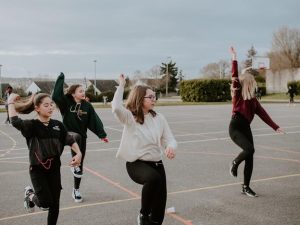
One of the most impactful ways a medical student can find time for hobbies is by cultivating a peer support system. Sharing hobbies with classmates holds you accountable for taking leisure time and can strengthen relationships and lead to new friendships.

Study groups can doubles hobby groups, where members take regular breaks to engage in a shared interest. Whether a quick chess game or a group exercise, this technique can enhance the study experience and provide a sense of camaraderie.

Participating in campus clubs or starting a special interest group can also provide structured time for hobbies, ensuring students carve out time from their busy schedules. It’s a form of community support that recognizes the importance of holistic development in a future medical practitioner.

Moreover, engaging in shared hobbies can provide an excellent network for peer support, combating the isolation that sometimes accompanies medical studies. This bond over shared interests can be invaluable throughout one’s academic and professional journey. For instance, participating in the Medical Laboratory Technician to Medical Laboratory Scientist online program can foster connections and collaboration among aspiring healthcare professionals, enriching their personal and professional lives.

Strategies for Effective Time Management in a Busy Schedule

Medical students sometimes feel like they are at the mercy of their schedules, but time management is a skill that can be learned and honed. Prioritizing tasks and setting specific study goals can free up unexpected pockets of time for leisure activities. It all begins with an awareness of how you allocate your time.

One effective strategy is using a planner to visually organize your day, separating time blocks for studying, classes, and personal time. Being realistic about study goals and avoiding procrastination can help create a more efficient study schedule, thus carving out time for hobbies.

Technology can also be an ally, with various apps available to help track time spent on tasks, setting reminders to take breaks, and even blocking social media distractions during study periods. This focus can lead to more productive study sessions, effectively rendering more time for hobbies.

Additionally, it’s essential to reassess and adjust your schedule periodically. What worked at the beginning of a semester might not be as effective later on as academic pressure mounts. Remaining adaptable is key to ongoing, effective time management.

Altogether, while it may feel daunting to integrate leisure activities into an already packed medical school schedule, it’s not only possible but also vital. Remembering to indulge in hobbies is essential to maintaining a well-rounded lifestyle, which can enhance one’s effectiveness and satisfaction in the demanding field of medicine.

 

True Confessions of a Back to School Procrastinator

As summer comes to an end and the fall semester approaches, many students prepare themselves to return to school. But among these eager learners, you’ll find a specific type of student – the back to school procrastinator. If you can relate to last-minute assignment submissions and the endless cycle of studying for exams, then this article is for you. Here’s an honest confession of a back to school procrastinator.

The start of the school year marks a fresh beginning. With a rejuvenated spirit, I tell myself that this will be my most productive year yet. I have all my supplies in order – perfectly organized binders, a variety of colored pens and highlighters, and brand new digital tools for note-taking and study aids.

Week one goes smoothly with plenty of time for both learning and leisure. But as the days go on, old habits surface. My schedules falter as I ignore deadlines and allow small tasks to pile up until they become overwhelming mountains.

As a professional back to school procrastinator, the reasons behind my consistent last-minute scramble are often complicated:

1. External distractions: Social media networks, YouTube videos, and Netflix series run amok in my life. The irony here is genuine; I spend more time catching up on shows than doing actual work.

2. Fear of failure: Perfectionism can be both my greatest strength and weakness. Because I think that every task needs perfection, I often wait until the very last minute to complete the task fearing it may not match up with my expectations.

3. Lack of motivation: Apathy kicks in when none of the subjects intrigue me or when my long-term goal feels too distant.

4. Time mismanagement: Skewed priorities lead me further away from organization no matter how much I long for structure in my daily routine.

Despite these shortcomings, my inner productivity ninja occasionally makes an appearance. I can quickly transform back into a dedicated and organized version of my usual self in response to deadlines and other priorities.

However, it comes at the price of sleepless nights and stress-induced anxiety, reflecting poor habits that should not become a norm in my life. My journey as a back to school procrastinator has helped me identify some coping mechanisms that have helped me improve my situation.

1. Use technology mindfully: Disabled notifications for non-essential apps, website blockers, and productivity apps have trained me to focus more on work than distractions.

2. Break tasks into smaller pieces: Large projects feel more manageable when approached in smaller increments, making them less daunting.

3. Set realistic expectations: Letting go of perfectionism has made it easier for me to start tasks when initially assigned without dreading the prospect of failure.

4. Find passion in the process: Identifying aspects of my studies that genuinely interest me help rekindle lost motivation.

Ever-evolving, I continue to strive for balance in my study habits and extracurricular pursuits. For all the fellow procrastinators out there, take comfort in knowing you’re not alone; with self-awareness, reflection, and consistent effort towards improvement, we can all get better over time.

Exploring the Possibilities: What Can I Do With a Master’s Degree in Special Education

Introduction

A Master’s degree in special education is a valuable qualification for those interested in working with individuals who have diverse learning needs. This advanced degree prepares graduates to address complex challenges faced by students with disabilities and design effective educational strategies to help them succeed. If you are thinking about pursuing a Master’s in special education, you might be wondering about the career prospects. Here, we will explore various opportunities and roles available to individuals with such a degree.

1. Special Education Teacher

One of the most common career paths for those with a Master’s degree in special education is becoming a special education teacher. Working in public or private schools, these professionals support students with various disabilities ranging from mild to severe. A Master’s degree equips educators with advanced knowledge and techniques to address learning challenges, promote inclusion, and ensure that their students receive tailored support as per their individual needs.

2. Educational Diagnostician

Another exciting opportunity available for individuals with a Master’s degree in special education is working as an educational diagnostician. In this role, professionals assess and evaluate the unique needs of students with disabilities. They often collaborate with parents, teachers, and other professionals to develop an individualized education plan (IEP) designed to help students achieve academic success.

3. Special Education Consultant

Some who hold a Master’s degree in special education may choose to become consultants, offering guidance and support to schools on how best to address the needs of students with disabilities. These consultants may also work with businesses or nonprofit organizations that serve individuals with disabilities or create educational resources for teachers and other professionals.

4. Instructional Coordinator

Instructional coordinators collaborate closely with school leadership teams to develop curricula, select educational materials, review teaching methods, and organize staff training workshops tailored to special education needs. A Master’s degree in special education provides graduates with the in-depth knowledge required to make informed decisions about curricula and instructional strategies that will benefit students with disabilities.

5. Special Education Advocate

As a special education advocate, individuals work on behalf of families and students with disabilities to ensure they receive appropriate services. This role may involve negotiating with schools to secure better support and accommodations, assisting families during IEP meetings, or advocating for policy changes on a broader scale. A Master’s degree in special education equips graduates with the expertise needed to navigate complex legal guidelines and regulations surrounding special education rights.

6. College or University Professor

Some individuals with a Master’s degree in special education might choose to pursue roles in higher education, teaching undergraduate or graduate-level courses in the field. As a professor, you have the opportunity to shape the next generation of special educators by sharing your experience and knowledge.

Conclusion

As you can see, the possibilities are vast when it comes to what you can do with a Master’s degree in special education. Ultimately, your career path will depend on your personal interests and passions. Whether you want to work directly with students as a special education teacher or provide support at a higher level as a consultant or instructional coordinator, this advanced degree primes you for success and impact within a rewarding field.

The Teacher Report: Classroom Management Tricks to Keep Game-Based Learning Running Smoothly

Introduction

Game-based learning has significantly impacted the way students learn, as it combines both educational content and entertaining gameplay. This innovative approach fosters a fun and interactive classroom environment which can boost student engagement, motivation, and promote collaborative problem-solving skills. However, to effectively integrate game-based learning into the curriculum, teachers must have effective classroom management strategies in place to ensure smooth implementation. In this article, we will be sharing some practical and proven classroom management tricks that can help make game-based learning an enjoyable and fruitful experience for both teachers and students.

1. Establish Clear Rules and Expectations

Before introducing game-based learning in the classroom, it is essential for teachers to set clear rules and expectations for students. This could involve guidelines on how to interact with peers during gameplay, appropriate behavior while playing games, and taking turns. Teachers should communicate these expectations clearly and consistently to create a safe and supportive gaming environment.

2. Choose the Right Games for Your Students

Selecting the right games for your students is vital since not all games are suitable for every age group or skill level. Teachers must research and choose games that are age-appropriate, align with the curriculum objectives and meet the diverse needs of their students.

3. Balance Competition with Collaboration

To encourage teamwork while still maintaining a sense of competition among students, teachers can create a balanced environment where collaborative activities are integrated into competitive gameplay. It would help if you encouraged students to work together toward common goals to foster cooperation while still keeping a spirit of playfulness in the air.

4. Monitor Student Progress

During game-based learning activities, it is crucial for teachers to monitor student progress continually. Encourage weaker students or those who might be struggling with certain aspects of the game by providing additional guidance or support as needed without overly interrupting the flow of gameplay.

5. Facilitate Classroom Discussions

After the completion of the game-based learning activities, teachers should facilitate a classroom discussion where students can share their experiences, discuss strategies they used during gameplay, and reflect on any new knowledge or skills they acquired. This reflection process fosters a deeper understanding of the material and helps students make connections between the game and the learning objectives.

6. Encourage Responsible Gaming

Promote responsible gaming habits by setting time limits on gameplay and reminding students of the importance of taking breaks to avoid eye strain or mental fatigue. Balance screen time with other non-digital assignments or activities to provide a well-rounded learning experience.

7. Providing Feedback

Regular feedback from teachers is essential for the successful integration of game-based learning in a classroom. Helps students understand their strengths and weaknesses in gameplay, and offers guidance on how to improve and develop critical thinking, problem-solving, and collaboration skills.

Conclusion

Game-based learning can lead to increased student engagement and motivation if appropriately managed. By implementing effective classroom management practices, teachers can create a conducive environment that encourages positive gaming experiences while reinforcing educational objectives. Ultimately this will lead to improved learning outcomes for students while preparing them for real-life challenges through the form of engaging games.
