
Introduction:
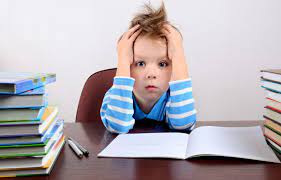
In today’s fast-paced and demanding society, stress and anxiety have become increasingly prevalent among children. While some level of stress is normal and even healthy, excessive amounts can interfere with a child’s emotional well-being, academic performance, and overall development. In this article, we will discuss the various factors contributing to children’s stress and anxiety, how to recognize signs and symptoms, and provide practical solutions for parents and caregivers.
Factors Contributing to Children’s Stress and Anxiety:
1. Academic Demands: High expectations from parents, teachers, and even peers can create immense pressure for children to excel academically.
2. Overscheduling: Extracurricular activities are undoubtedly beneficial for children; however, an excessive or poorly balanced schedule can lead to burnout.
3. Family Issues: Parental discord or martial issues can create an unstable environment making children feel insecure and anxious.
4. Social Pressures: The desire to fit in with peers or experiencing bullying or exclusion can contribute significantly to a child’s anxiety levels.
5. Media Exposure: Constant exposure to news stories about tragedies or natural disasters may lead some children to develop fears or heightened anxiety.
Recognizing Signs of Stress and Anxiety in Children:
1. Mood changes: Look out for signs of irritability, emotional outbursts, or persistent sadness.
2. Sleep disturbances: Trouble falling asleep or staying asleep, nightmares, or excessive sleepiness may indicate increased stress.
3. Physical complaints: Frequent headaches, stomachaches, or complaints about feeling unwell could be manifestations of anxiety.
4. Social withdrawal: A sudden tendency to avoid friends or not wanting to participate in activities they once enjoyed might be a sign of underlying stress.
5. Declining academic performance: A sudden drop in grades or disinterest in schoolwork could indicate that a child is struggling to cope with anxiety.
Practical Solutions for Parents and Caregivers:
1. Encourage open communication: Foster a safe, non-judgmental environment for your child to express their feelings and concerns.
2. Establish a routine: Consistent daily routines can help provide a sense of stability and predictability for children.
3. Encourage relaxation techniques: Teach your child deep breathing exercises or mindfulness practices to help reduce anxiety levels.
4. Monitor media exposure: Limiting exposure to negative news stories or distressing content can help reduce anxiety triggers.
5. Seek professional help if needed: If your child’s stress and anxiety seem overwhelming or persistent, consider seeking the help of a mental health professional specializing in pediatrics.
Conclusion:
As parents and caregivers, it’s essential to be vigilant of the signs and symptoms of stress and anxiety in children. Providing a supportive environment, ensuring balanced schedules, and addressing any underlying issues are crucial steps towards helping children manage their emotions effectively. Remember, early intervention is vital for fostering emotional resilience and promoting healthy development in the long run.