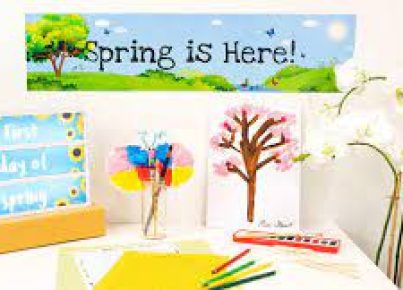
Classroom posters are not just decorative elements; they are important educational tools that can have a significant impact on students’ learning experiences. For teachers, choosing the right posters is about more than just aesthetics—it is about enriching the learning environment with useful information and inspiring imagery that can aid in teaching and engaging students.
One of the primary functions of classroom posters is to reinforce key concepts. By displaying visual aids related to the curriculum, such as multiplication tables, grammar rules, or historical timelines, teachers provide students with constant reminders of the subject matter. These reminders can help students retain information and provide a quick reference during lessons or independent study times.
Another important aspect of classroom posters is motivation. Posters featuring inspirational quotes from famous scientists, writers, or historical figures can serve to encourage students to persevere in their studies. Similarly, artwork that represents success, diversity, and creativity can foster an environment where students feel inspired to work hard and pursue their dreams.
Classroom posters also play a role in setting the tone for the classroom environment. For example, rules and procedures displayed on the wall remind students of expectations and help maintain order. Posters that celebrate diversity and inclusivity can help create a welcoming atmosphere for all students.
For educators looking to integrate posters into their classrooms effectively, here are some tips:
1. Align Posters with Educational Goals: Choose posters that support your curriculum and educational objectives. This ensures that the posters act as an extension of your teaching efforts.
2. Keep it Fresh: Regularly update or rotate your posters to keep the classroom environment dynamic and prevent student desensitization to the materials.
3. Encourage Student Involvement: Involve students in selecting or creating classroom posters. This gives them a sense of ownership over their learning space.
4. Maintain Relevance: Ensure that content on classroom posters is current and culturally appropriate, reflecting both modern society and historical contexts.
5. Balance Text and Imagery: Find a balance between text-heavy and visually oriented posters so that all types of learners can benefit from these resources.
In summary, classroom posters represent an intersection between art and education—they enhance the aesthetics of a learning space while also providing valuable learning aids to help facilitate instruction and bolster student engagement. Carefully selected, they can serve as powerful tools for reinforcing lessons, motivating students, shaping classroom culture, and creating an enriching educational atmosphere.