Introduction
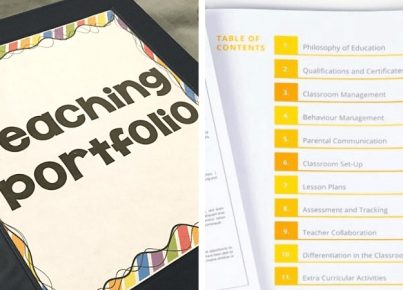
A professional development portfolio, also known as a career or professional portfolio, is a dynamic collection of documents and artifacts that demonstrate your skills, experiences, knowledge, and achievements throughout your professional journey. It serves as a tool to showcase your accomplishments, highlight your expertise, and increase your marketability in a highly competitive job market. In this article, we will discuss the benefits of creating a professional development portfolio and provide essential steps in order to build an effective one.
Benefits of Creating a Professional Development Portfolio
1.Career advancement: A well-crafted portfolio can strengthen your candidature during job interviews and enhance your chances of landing your dream job.
2.Skill assessment: A portfolio allows you to evaluate your skills objectively, identify areas for improvement, and align them with current and future career goals.
3.Marketability: Showcasing a diverse range of skills and experiences can help you stand out among other candidates as well as attract new clients if you are self-employed.
4.Reflection: Regularly updating your portfolio encourages self-reflection on your achievements, professional growth, and career objectives.
5.Networking: Having an online portfolio can make networking easier by providing an accessible platform for employers or potential clients to discover you.
Steps to Building Your Professional Development Portfolio
1.Determine the purpose: Decide the specific goal(s) for creating the portfolio; it could be job-related or serve as an assessment tool to track career progress.
2.Collect the relevant documents and artifacts: Gather all pertinent information such as education certificates, work samples, project summaries, client testimonials or recommendations, industry awards or accolades, presentations made at seminars or workshops, and any other evidence that reflects your proficiencies in key areas.
3.Create an organized structure: Categorize all material by sector (education/training/work), skillset (hard/soft skills), or chronological order (if portraying career development). This arrangement should be clear and logically flow from one section to another.
4.Highlight your accomplishments: Focus on presenting achievements that illustrate your competence in specific domains and results obtained through applied skills. Include relevant metrics, such as KPIs, to quantify your success, if possible.
5.Emphasize your unique selling proposition (USP): Identify what differentiates you from other professionals and showcase it in your portfolio. This could be an exceptional skill set, innovative projects, or notable industry knowledge or experience.
6.Design an appealing layout: Opt for a visually pleasing template or design that is clean, professional, and easy to navigate. Pay special attention to typography, colors, and visual elements to maintain a cohesive look.
7.Collect testimonials: Reach out to mentors, supervisors, colleagues, or clients for recommendations or endorsements that validate your skills and emphasize your achievements in a professional context.
8.Go digital: Making your portfolio available online helps increase visibility and accessibility while providing the opportunity to include multimedia content such as images, videos, or presentations.
9.Update regularly: Keep your portfolio current by continuously updating it with new projects, achievements, or expanded skill sets.
10.Review and get feedback: Ask for feedback from trusted mentors or peers to ensure that you have effectively communicated your strengths, values, and goals through the documents and artifacts in the portfolio.
Conclusion
A substantial professional development portfolio is an invaluable asset that can elevate your career prospects exponentially. Taking the time to compile a curated showcase of your accomplishments can pay significant dividends in advancing your professional journey and establishing yourself as an expert in the field.