
In an era of rapid technological advancement and global competition, creativity and innovation have become indispensable soft skills for professionals across all industries. The ability to generate novel ideas, think outside the box, and implement innovative solutions is increasingly valued in a digital-first world where disruption is the norm.
One of the key trends in fostering creativity and innovation is the focus on design thinking methodologies. This human-centered approach to problem-solving emphasizes empathy, experimentation, and iterative prototyping. Professionals are learning to apply design thinking principles to a wide range of challenges, from product development to organizational change management.
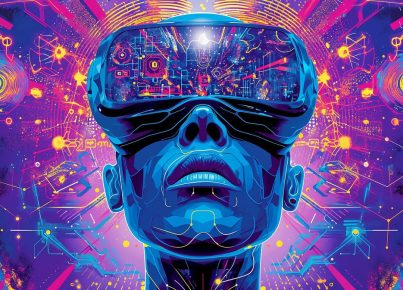
Another emerging trend is the integration of digital tools and platforms to enhance creative processes. Virtual reality and augmented reality technologies are being used to visualize and prototype ideas in immersive environments. Collaborative platforms are enabling real-time co-creation across distributed teams. AI-powered tools are being leveraged to generate ideas and explore new possibilities that humans might not have considered.
The concept of “innovation ecosystems” is also gaining traction. Organizations are recognizing that innovation often happens at the intersection of different disciplines and industries. As a result, professionals are being encouraged to build diverse networks, engage in cross-sector collaborations, and participate in open innovation initiatives. This trend is driving a need for skills in networking, interdisciplinary communication, and collaborative problem-solving.
Another important aspect of creativity and innovation in the digital age is the ability to rapidly test and iterate on ideas. The lean startup methodology, originally developed for tech startups, is now being applied more broadly across industries. Professionals are learning to create minimum viable products, gather user feedback quickly, and pivot based on market responses.
The trend towards data-driven innovation is also shaping creativity skills. Professionals are learning to leverage big data and analytics to inform their creative processes, identify unmet needs, and validate innovative ideas. This includes skills in data visualization, pattern recognition, and the ability to translate data insights into creative solutions.
As we look to the future, creativity and innovation skills are likely to become even more critical. The pace of change is expected to accelerate, driven by factors such as artificial intelligence, climate change, and shifting global demographics. Professionals who can continuously generate fresh ideas, adapt to new paradigms, and drive innovation will be best positioned for success in the evolving world of work.