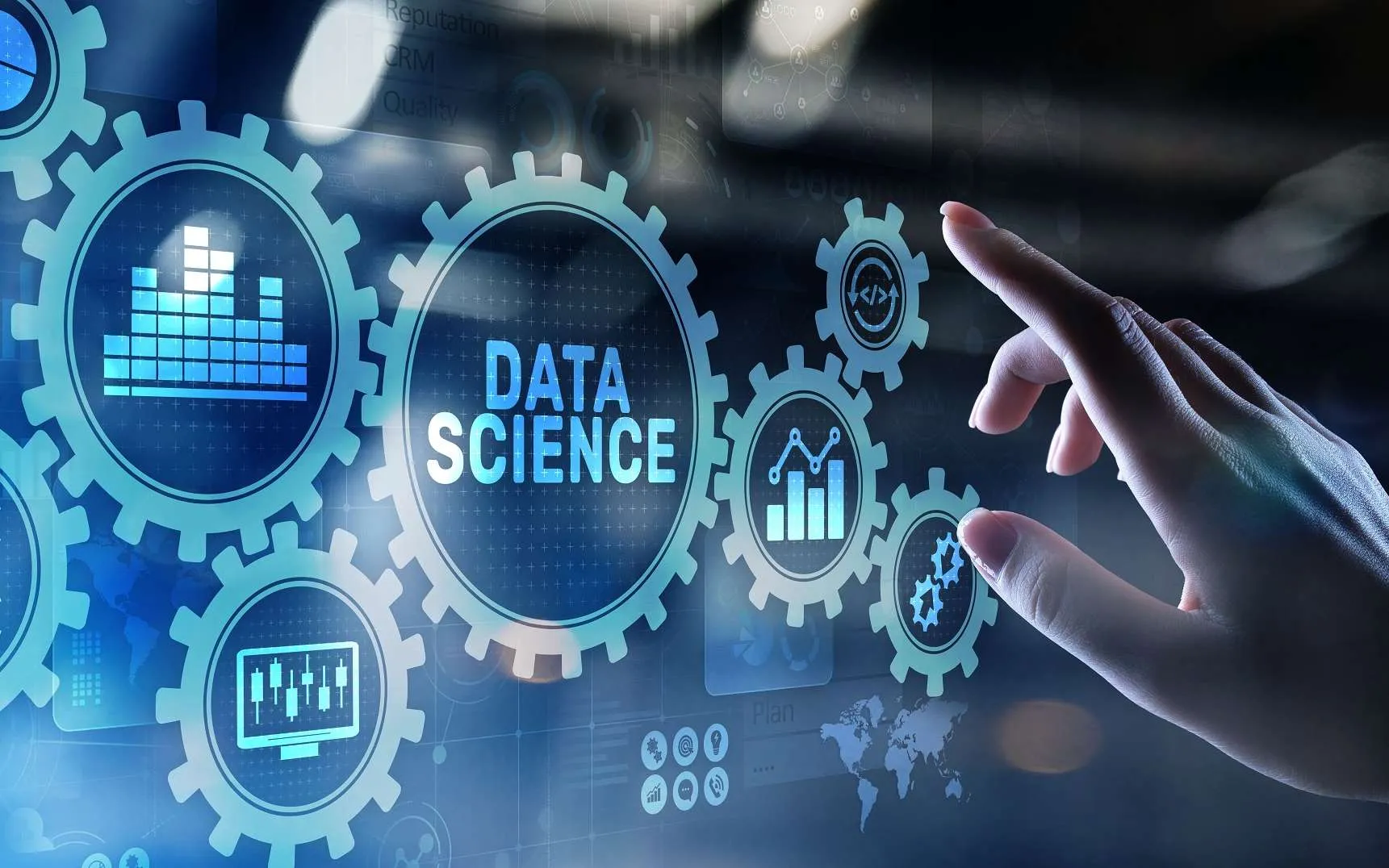

The exponential growth of data in our digital age has led to a significant trend in STEM education: the integration of data science and big data analytics across STEM disciplines. This trend reflects the increasing importance of data literacy and analytical skills in both STEM careers and everyday life.
Data science education goes beyond teaching students how to work with spreadsheets or create simple graphs. It involves understanding complex statistical concepts, learning programming languages commonly used in data analysis (such as Python or R), and developing skills in data visualization and interpretation.
Many schools are now introducing basic data science concepts as early as elementary school, often through engaging, real-world projects. For example, students might collect and analyze data on their own daily activities, local weather patterns, or school lunch preferences. As students progress, they tackle more complex data sets and analytical techniques.
In high school and higher education, data science is being integrated across STEM subjects. Biology students might analyze genomic data sets, physics students could work with data from particle accelerators, and environmental science students might use big data to study climate patterns. This integration helps students understand how data analysis is used in various STEM fields and prepares them for the data-driven nature of modern scientific research.
The trend also extends to teaching students about the ethical implications of big data and artificial intelligence. This includes discussions about data privacy, bias in algorithms, and the societal impacts of data-driven decision making.
Moreover, there’s an increasing focus on teaching students how to communicate data-driven insights effectively. This involves not just creating visualizations, but also crafting narratives that explain the significance of data findings to both technical and non-technical audiences.
As data continues to play an increasingly central role in science, technology, and society at large, we can expect to see data science becoming an even more integral part of STEM education. The goal is to create a generation of STEM professionals who are not only technically proficient but also data-literate, capable of navigating and leveraging the vast amounts of data available in our digital world.
These trends collectively represent a shift towards a more integrated, hands-on, and technologically enhanced approach to STEM education. As they continue to evolve, they promise to create more engaging, effective, and equitable STEM learning experiences, better preparing students for the challenges and opportunities of our rapidly changing world.