
“`html
Dyscalculia, often referred to as ‘math dyslexia,’ is a specific learning disability that affects a person’s ability to understand and manipulate numbers. For high school students grappling with dyscalculia, math classes can feel like an insurmountable hurdle. The good news? There are numerous dyscalculia accommodations that can help these students not only navigate their math coursework but also thrive in it.
Understanding Dyscalculia: A Brief Overview
Dyscalculia affects approximately 3-6% of the population, making it one of the most common learning disabilities. This condition can manifest in various ways, including difficulty with number sense, problems with calculations, and challenges in recalling math facts. Students with dyscalculia may struggle to understand mathematical concepts, leading to anxiety around math-related tasks.
Recognizing and addressing dyscalculia is crucial for educators, especially in high school where math becomes increasingly complex and abstract. Without appropriate support, students with dyscalculia can feel discouraged, leading to a lack of confidence and a negative attitude towards mathematics. Thus, effective accommodations can play a pivotal role in their educational journey.
Key Dyscalculia Accommodations for High School Math
When it comes to supporting high school students with dyscalculia, tailored accommodations can make a significant impact. Here are some practical insights into effective strategies:
- Extended Time on Tests: Allowing extra time for students to complete math assessments can alleviate pressure and give them a chance to process information and work through problems at their own pace.
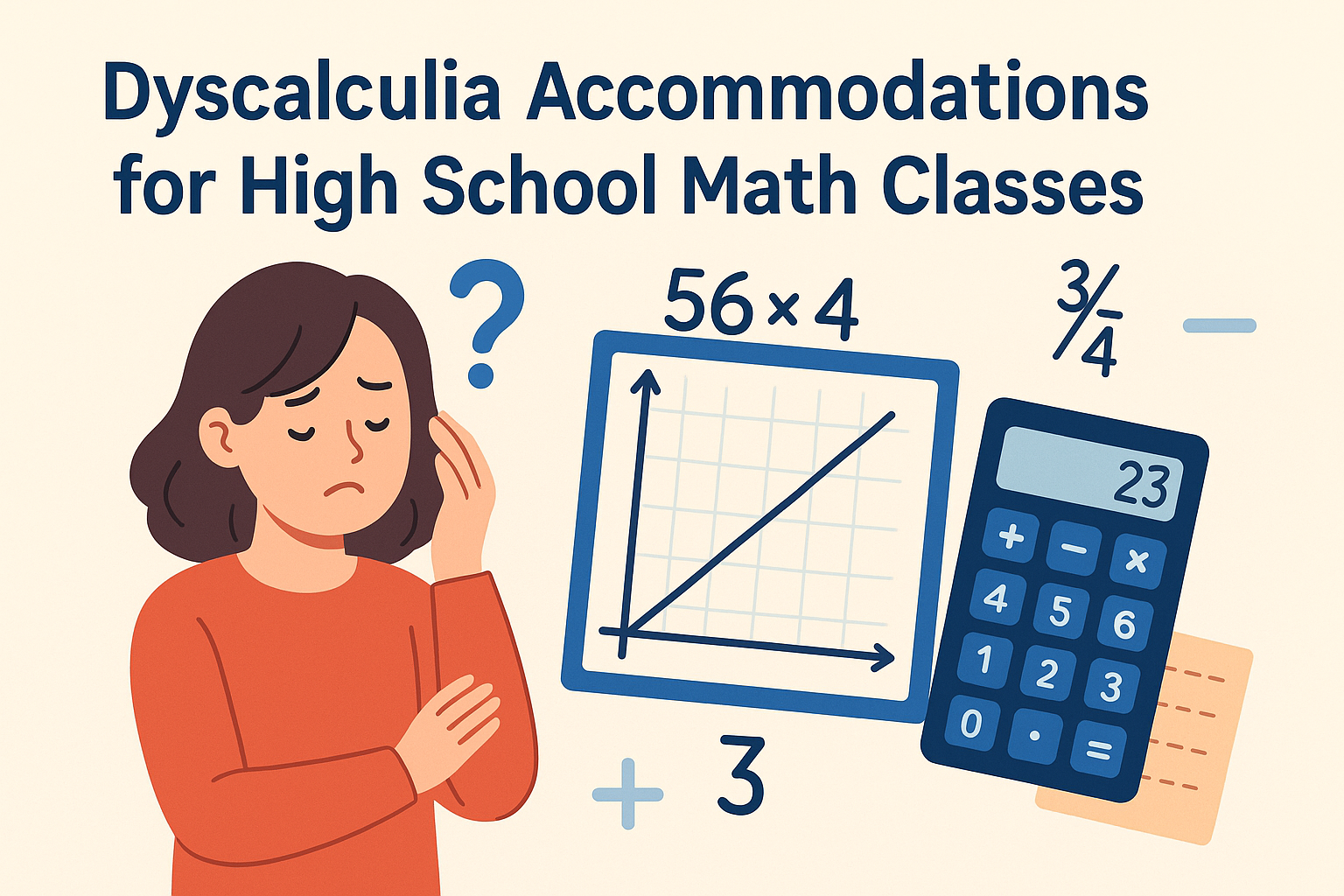
- Use of Calculators: Permitting the use of calculators during tests and assignments can help students focus on understanding concepts rather than getting bogged down by computation errors.
- Visual Aids: Incorporating charts, diagrams, and other visual tools can help students better grasp abstract concepts. Visual representations can make mathematical ideas more concrete.
- Step-by-Step Instruction: Breaking down assignments into smaller, manageable steps can help students focus on one aspect of a problem at a time, reducing overwhelm.
- Alternative Assessment Methods: Allowing students to demonstrate their understanding through projects, oral presentations, or visual representations instead of traditional tests can often reveal their true grasp of the material.
- Access to Additional Resources: Providing students with access to online tutorials, math software, and manipulatives can enhance their learning experience and offer alternative methods for understanding math concepts.
The Role of Teachers in Implementing Accommodations
Teachers play a vital role in ensuring that dyscalculia accommodations are not just recognized but effectively implemented in the classroom. Awareness and sensitivity to the needs of students struggling with dyscalculia can foster a supportive learning environment. Here are some ways educators can help:
First, teachers should be proactive in assessing the needs of their students. This starts with open communication: discussing with students their specific challenges in math and what accommodations they believe would be beneficial. This dialogue can empower students and make them feel more involved in their education.
Moreover, professional development opportunities related to dyscalculia can equip teachers with strategies and tools to better support their students. Training sessions on recognizing signs of dyscalculia, understanding its impact, and implementing effective accommodations can lead to improved outcomes in the classroom. (See: Understanding dyscalculia from NIH.)
Collaborating with Parents and Specialists
Collaboration between educators, parents, and specialists is crucial in supporting students with dyscalculia. Parents can provide valuable insights into their children’s learning needs and challenges, as they observe their struggles at home. Regular communication between teachers and parents can facilitate a unified approach to accommodations.
Additionally, involving educational specialists—like school psychologists or special education teachers—can provide further support. These professionals can offer assessments and recommendations tailored to the student’s unique learning profile, ensuring that the accommodations align with the best practices for dyscalculia intervention.
Creating an Inclusive Classroom Environment
An inclusive classroom environment is essential for students with dyscalculia. When students perceive their classroom as a safe and supportive space, they’re more likely to engage with the material and ask for help when they need it. Here are a few ways to cultivate inclusivity:
- Positive Reinforcement: Celebrate small victories and progress in math, no matter how minor they may seem. Positive reinforcement can boost students’ self-esteem and motivation.
- Peer Support: Encourage collaborative learning by pairing students with peers who can help explain concepts in relatable terms. Peer tutoring can also provide additional avenues for understanding.
- Flexible Grouping: Use flexible grouping strategies that allow students to work with varying partners or groups, fostering a sense of community and collaboration.
- Mindfulness Practices: Incorporating mindfulness exercises can help reduce anxiety associated with math, enabling students to approach their work with a clearer mind.
Current Relevance and Future Directions
As awareness of dyscalculia grows, so does the responsibility of educational institutions to provide adequate support. With advancements in educational technology, there are even more opportunities to enhance learning for students with dyscalculia. Interactive math programs and apps designed specifically for students with learning disabilities can offer personalized learning experiences that adapt to their needs.
Moreover, ongoing research into the neurological aspects of dyscalculia may lead to more effective interventions and teaching methods. As educators and researchers continue to explore this learning disability, the focus on providing tailored dyscalculia accommodations in high school math classes will only become more critical.
Real-Life Success Stories
Students with dyscalculia can and do succeed, often with the right support and accommodations. For instance, a student named Sarah struggled with basic math concepts throughout her early school years. With the help of her teachers, she was granted access to calculators and received step-by-step instructions during complex problems. Over time, Sarah not only improved her math skills but also discovered an affinity for statistics, where her analytical skills flourished.
Another inspiring example is James, who initially faced significant challenges in algebra. His school implemented project-based assessments as a form of evaluation, allowing him to showcase his understanding through creative presentations rather than traditional tests. This approach transformed his perspective and helped him gain confidence in his mathematical abilities.
These stories highlight the importance of personalized accommodations and how they can lead to unexpected strengths and interests in students with dyscalculia. (See: CDC on learning disabilities.)
Statistics About Dyscalculia and Education
Understanding the prevalence and impact of dyscalculia can provide further context for the need for accommodations. Research shows that students with dyscalculia are more likely to struggle academically, with many falling below grade level in math. In fact, studies indicate that up to 50% of students with dyscalculia may drop out of school due to their challenges with mathematics.
Additionally, findings from the National Center for Learning Disabilities emphasize that students with specific learning disabilities, including dyscalculia, often score significantly lower on standardized math assessments than their peers without learning disabilities. These statistics underline the necessity for targeted dyscalculia accommodations, as these students represent a substantial portion of the educational population.
Frequently Asked Questions About Dyscalculia Accommodations
What are the most common accommodations for students with dyscalculia?
The most common accommodations include extended time on tests, the use of calculators, visual aids, step-by-step instructions, alternative assessment methods, and access to additional resources like tutoring or educational software.
How can parents advocate for accommodations for their child?
Parents should approach teachers and school administrators with specific requests for accommodations based on their child’s unique needs. Providing examples of effective strategies that have worked in the past can also help in this advocacy.
Are dyscalculia accommodations only useful in high school?
No, accommodations can be beneficial at any educational level. The specific strategies may vary depending on the age and developmental stage of the student, but the principles of support and understanding remain crucial in all educational contexts.
Can accommodations help students with dyscalculia succeed in math?
Yes, the right accommodations can significantly improve a student’s performance and confidence in math. By addressing their unique challenges, students with dyscalculia can develop a better understanding of mathematical concepts and achieve academic success.
How can technology assist in providing accommodations for dyscalculia?
Technology offers a range of tools designed to assist students with dyscalculia, including educational apps that provide interactive learning experiences, online tutorials, and software that helps visualize mathematical concepts. These resources can complement traditional teaching methods and enhance understanding. (See: Dyscalculia overview from DO-IT.)
Additional Strategies for Supporting Students with Dyscalculia
Besides the accommodations mentioned, several additional strategies can be employed to further support students with dyscalculia. These can enhance learning and provide different avenues for understanding math concepts.
- Multi-Sensory Approaches: Integrating multi-sensory techniques can provide students with various ways to engage with math content. For example, using manipulatives like blocks or counters can help visualize numbers and operations in a tangible way.
- Math Games: Incorporating math games into lessons can make learning fun and engaging. Games that focus on number recognition, basic operations, and problem-solving can reinforce concepts in a low-pressure environment.
- Frequent Check-Ins: Regular check-ins with students can help gauge their understanding and provide immediate support if they are struggling. Creating a culture where students feel comfortable asking questions can lead to greater learning outcomes.
- Customizable Learning Plans: Developing individualized learning plans that cater to the specific needs and goals of each student can offer a structured approach to learning math. These plans can outline specific accommodations and learning strategies tailored to the student’s strengths and weaknesses.
The Importance of Advocacy and Awareness
Raising awareness about dyscalculia is essential for creating a supportive educational environment. Advocacy efforts can help reduce the stigma associated with learning disabilities and promote understanding among peers, teachers, and parents. Schools can organize workshops and informational sessions that focus on dyscalculia, empowering educators and families to recognize symptoms and seek the necessary supports for affected students.
Furthermore, students themselves can be encouraged to advocate for their needs. Teaching self-advocacy skills allows students with dyscalculia to articulate their challenges and request necessary accommodations confidently. This empowerment is key in fostering independence and resilience as they navigate their education.
Conclusion: Empowering Students with Dyscalculia
In high school, where math concepts can become increasingly challenging, providing appropriate dyscalculia accommodations is crucial to empowering students with this learning disability. By understanding their unique needs and implementing effective strategies, educators can help these students not only improve their math skills but also build confidence and resilience.
Ultimately, when students with dyscalculia receive the support they need, they can transform their relationship with mathematics from one of anxiety and frustration to one of understanding and success. Let’s continue to advocate for these accommodations in every high school math classroom, ensuring that every student has a fair chance to succeed.
“`
Trending Now
Frequently Asked Questions
What are some common accommodations for students with dyscalculia?
Common accommodations for students with dyscalculia include extended time on tests, the use of calculators, and the incorporation of visual aids like charts and diagrams. These strategies help students manage their learning challenges and improve their understanding of mathematical concepts.
How can teachers support students with dyscalculia in math class?
Teachers can support students with dyscalculia by implementing tailored accommodations such as allowing extra time for assignments, using calculators, and providing visual aids. Creating a supportive and understanding environment is crucial to helping these students thrive in math classes.
What is dyscalculia and how does it affect learning?
Dyscalculia, often called 'math dyslexia,' is a specific learning disability that impacts a person's ability to understand and manipulate numbers. It can lead to difficulties in number sense, calculations, and recalling math facts, which may cause anxiety around math tasks.
Why is it important to recognize dyscalculia in high school students?
Recognizing dyscalculia in high school students is essential because math concepts become more complex and abstract. Early identification allows for timely accommodations, helping students build confidence and a positive attitude towards mathematics, ultimately improving their academic performance.
What strategies can help students with dyscalculia excel in math?
Strategies to help students with dyscalculia excel in math include providing extended time on tests, allowing the use of calculators, and using visual aids. These accommodations can significantly enhance their understanding and help them navigate math challenges more effectively.
Agree or disagree? Drop a comment and tell us what you think.