

“`html
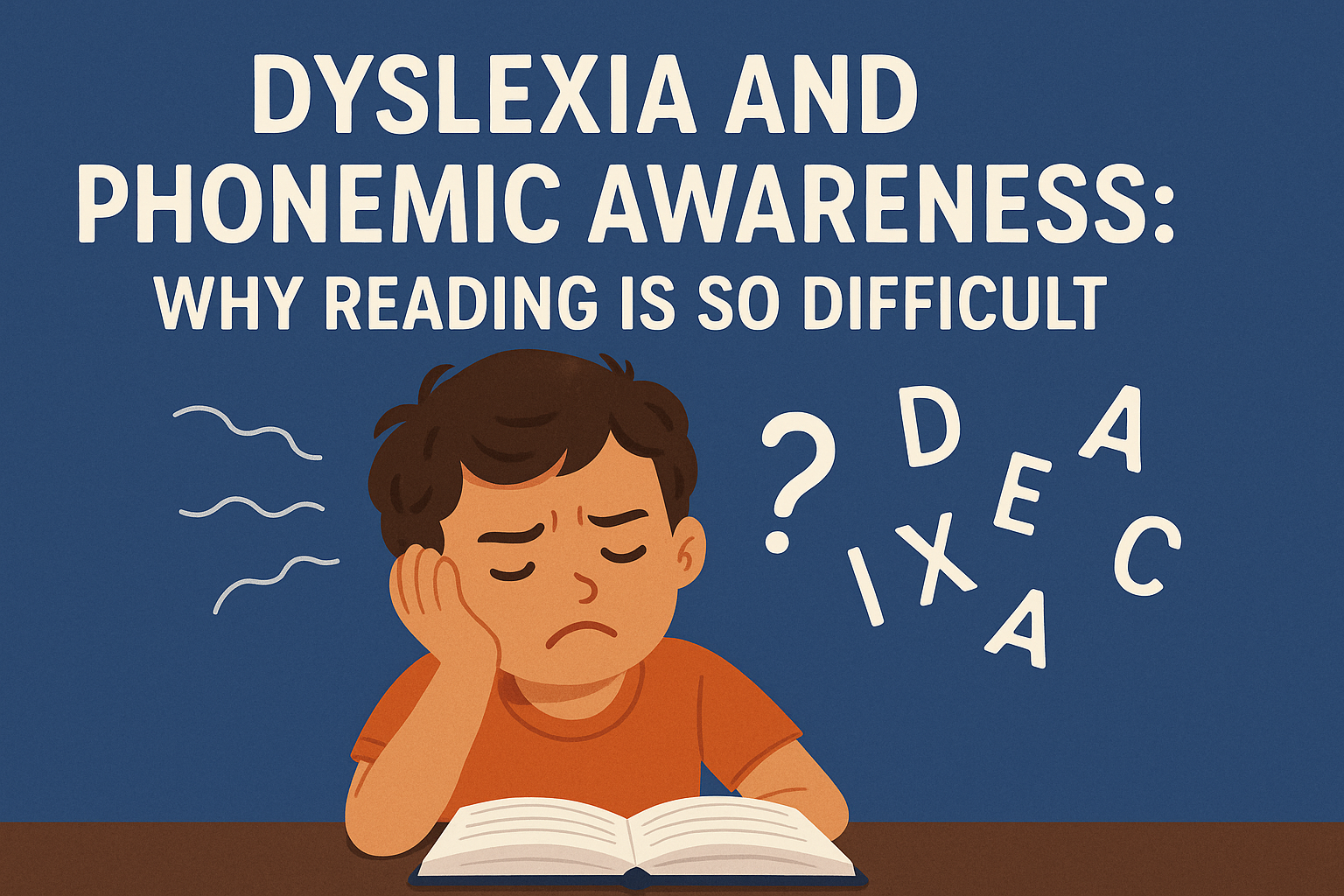
Dyslexia is a complex learning disability that affects millions of individuals worldwide, making reading a daunting task. One of the primary reasons behind this difficulty lies in a person’s dyslexia phonemic awareness. But what exactly does that mean, and how does it influence the ability to read? In this article, we will explore the intricate relationship between dyslexia, phonemic awareness, and effective reading strategies.
What is Dyslexia?
Dyslexia is primarily characterized by difficulties in reading, which often stem from problems with phonological processing—the ability to recognize and manipulate the sounds in spoken words. According to the International Dyslexia Association, around 15-20% of the population exhibits symptoms of dyslexia. This means that in a classroom of 25 students, three to five may struggle with reading and writing more than their peers.
Although dyslexia is commonly associated with reversals of letters (like ‘b’ and ‘d’), it encompasses various challenges, including difficulty with spelling, decoding words, and reading fluency. Many individuals with dyslexia are of average or above-average intelligence, which can make their reading issues seem puzzling to those around them. The disconnect between cognitive abilities and reading skills is often rooted in phonemic awareness.
Understanding Phonemic Awareness
Phonemic awareness is the ability to hear, identify, and manipulate individual sounds—phonemes—in spoken words. It’s a crucial skill for developing reading proficiency. For example, the word ‘cat’ has three phonemes: /k/, /æ/, and /t/. Mastering phonemic awareness enables individuals to recognize the relationships between sounds and their corresponding letters, preparing them for the decoding process required for reading.
Research shows a strong correlation between phonemic awareness and reading success. According to a study published in the Journal of Learning Disabilities, children with better phonemic awareness skills tend to be more proficient readers. In contrast, those with poor phonemic awareness are more likely to struggle with reading and may develop a lifelong aversion to it.
Why Phonemic Awareness Matters for Those with Dyslexia
For individuals with dyslexia, phonemic awareness is not just another educational hurdle; it’s often the root cause of their reading difficulties. Many dyslexic students struggle to connect sounds with letters, hindering their ability to decode words. This disconnect makes it challenging to spell correctly, understand text, and ultimately engage with reading.
One study conducted by researchers at Yale University found that children with dyslexia often exhibit less sensitivity to phonemes compared to their non-dyslexic peers. This lack of awareness means they might not hear the subtle differences between similar sounds, leading to confusion and mistakes while reading.
Moreover, phonemic awareness isn’t limited to recognizing initial sounds. Advanced phonemic awareness—such as blending and segmenting sounds—is vital for developing effective decoding strategies. Without these skills, dyslexic individuals may find themselves trapped in a cycle of frustration and failure.
Signs of Dyslexia Phonemic Awareness Issues
Recognizing the signs of phonemic awareness issues can be critical for early intervention. Common indicators include: (See: National Institutes of Health on dyslexia.)
- Difficulty rhyming words.
- Frequent mistakes when reading aloud.
- Challenges in spelling, often mixing up sounds.
- Struggles with learning new vocabulary.
- Difficulty following multi-step instructions.
- Reluctance to read or participate in reading-related activities.
If these signs are present, especially in children, it’s essential to seek assessment from a qualified professional. Early detection can lead to timely intervention, which can significantly improve reading outcomes.
Strategies to Enhance Phonemic Awareness
Improving dyslexia phonemic awareness can dramatically alter an individual’s reading experience. Here are some effective strategies to help develop phonemic awareness:
1. Multi-Sensory Instruction
Multi-sensory teaching methods engage various senses to reinforce learning. For instance, using tactile materials like sandpaper letters or textured surfaces can help students connect sounds with letters. Similarly, incorporating visual aids, such as pictures or symbols, can enhance their understanding of phonemes.
2. Phonics Programs
Structured phonics programs focus explicitly on the relationship between phonemes and letters. Programs like Orton-Gillingham and Wilson Reading System cater to dyslexic learners by providing systematic, explicit instruction in phonics. These programs often include practice in decoding as well as comprehension strategies.
3. Rhythm and Rhyme Activities
Incorporating music, rhythm, and rhyme can make learning phonemic awareness more enjoyable. Singing songs or clapping along to the beat while emphasizing sounds helps children become more aware of phonemic structures. Activities like “sound sorting,” where students categorize words based on their initial sounds, can also reinforce these concepts.
4. Reading Aloud
Reading aloud to students not only models fluent reading but also exposes them to new vocabulary and phonemic patterns. Asking questions about the text encourages active engagement and helps develop their comprehension skills. Encourage students to predict what might happen next in the story, which requires them to think about phonemes and word structures.
Current Relevance of Dyslexia Phonemic Awareness
Understanding the importance of phonemic awareness in dyslexia isn’t just an academic exercise; it has real-world implications. In an increasingly literate society, the ability to read proficiently is vital for success in education and the workforce. Therefore, addressing phonemic awareness issues early on can change lives.
Additionally, with advancements in educational technology, interventions have become more accessible. Apps and software designed to improve phonemic awareness skills are emerging, providing resources that allow learners to practice in engaging ways. For instance, interactive games that focus on sound manipulation can help reinforce phonemic awareness in a fun and rewarding manner.
Moreover, awareness campaigns and advocacy efforts continue to play a crucial role in supporting individuals with dyslexia. Organizations such as the Dyslexia Foundation are working tirelessly to raise awareness about the challenges faced by dyslexic individuals and promote effective strategies for intervention.
The Impact of Family and Community Support
The role of family and community in supporting individuals with dyslexia cannot be overstated. Families can create a rich language environment at home by reading together, discussing books, and encouraging storytelling. Simple activities like playing word games or engaging in conversations about everyday experiences can significantly enhance phonemic awareness. (See: World Health Organization fact sheet.)
Community resources also play a vital role. Libraries often host reading programs and workshops specifically designed for children with dyslexia. Local support groups can provide families with guidance, resources, and a sense of community. When individuals with dyslexia feel supported both at home and in their communities, they are more likely to build confidence and improve their reading skills.
Statistics and Research Findings
A deeper look into statistics reveals the widespread effects of dyslexia on individuals and families. According to the National Center for Learning Disabilities, students with dyslexia are 2-3 times more likely to drop out of high school than their peers without learning disabilities. This statistic highlights the importance of early identification and intervention, particularly in enhancing phonemic awareness. effective classroom strategies offers useful background here.
Furthermore, a study by the National Institute of Child Health and Human Development indicated that children who received early phonemic awareness training scored significantly higher on reading comprehension tests compared to those who did not. These findings underscore the effectiveness of targeted phonemic awareness strategies in improving literacy outcomes.
Expert Perspectives on Dyslexia Phonemic Awareness
Experts in the field of education and psychology emphasize the necessity of addressing phonemic awareness in dyslexia interventions. Dr. Sally Shaywitz, a leading researcher on dyslexia, notes that “dyslexia is not a reflection of intelligence; it is an unexpected difficulty in learning to read.” She advocates for early screening and intervention as crucial measures to support children with dyslexia.
Moreover, educators specializing in special education stress the importance of personalized learning approaches. They recommend that teachers assess each student’s unique strengths and weaknesses, tailoring instruction to meet individual needs. This student-centered approach can significantly enhance phonemic awareness and reading skills.
Frequently Asked Questions (FAQ)
What is the difference between phonemic awareness and phonological awareness?
Phonological awareness is an umbrella term that includes the ability to recognize and work with sounds at different levels, such as words, syllables, and phonemes. Phonemic awareness is a specific type of phonological awareness that focuses solely on individual phonemes. Both are critical for reading development, but phonemic awareness is considered essential for decoding words.
Can phonemic awareness be taught to adults with dyslexia?
Yes, phonemic awareness can be taught to individuals of all ages, including adults. While it may take longer to develop these skills in older learners, targeted instruction can lead to improvements in reading abilities. Many adult education programs offer classes focused on phonemic awareness and literacy skills.
How long does it take to improve phonemic awareness?
The duration of improvement varies based on individual needs and the intensity of instruction. Some learners may show progress within a few weeks of targeted intervention, while others may require several months of consistent practice. Regular assessments can help track progress and adjust instruction as needed.
Are there specific resources for enhancing phonemic awareness?
Yes, there are numerous resources available, including books, online games, and educational software specifically designed to improve phonemic awareness skills. Teachers and parents can find a wealth of materials tailored for different age groups and learning styles to support their needs.
What role do schools play in supporting dyslexic students’ phonemic awareness?
Schools have a crucial role in identifying and supporting students with dyslexia. Implementing screening programs can help identify children at risk early on. Additionally, schools can provide specialized instruction, use evidence-based teaching methods, and offer professional development for teachers on dyslexia and phonemic awareness strategies. Creating an inclusive and supportive environment can greatly enhance the learning experience for dyslexic students.
Are there differences in phonemic awareness development between children with and without dyslexia?
Yes, research indicates that children with dyslexia often show delays in developing phonemic awareness compared to their peers. While typically developing children may naturally acquire these skills through exposure to language and reading, dyslexic children benefit from explicit instruction and practice in phonemic awareness to help bridge the gap and enhance their reading abilities.
How can technology assist in improving phonemic awareness?
Technology can play a significant role in enhancing phonemic awareness through interactive learning tools. Educational apps that offer phonics games, sound recognition exercises, and engaging storybooks can provide students with individualized practice opportunities. Such tools can make learning more fun and tailored to each child’s specific needs, allowing them to progress at their own pace.
The Path Forward
In summary, dyslexia phonemic awareness is a fundamental concept that underpins the reading challenges faced by many individuals. By recognizing the importance of phonemic awareness and implementing effective strategies, educators, parents, and dyslexic learners can work together to enhance reading proficiency. Early intervention and tailored instruction can lead to significant improvements in reading abilities, ultimately empowering dyslexic individuals to thrive academically and beyond.
As we continue to advance our understanding of dyslexia and phonemic awareness, it’s critical to foster an environment that promotes acceptance and support. Everyone deserves the chance to read—and with the right tools and knowledge, those with dyslexia can overcome their challenges and enjoy the world of literature.
“`
Trending Now
- this guide on iep accommodations for students with dyslexia and reading challenges
- our breakdown of transitioning from iep to 504 plan in high school: what to know
- this guide on how ieps support english language learners with disabilities
- our breakdown of iep goals for improving executive function skills
- Understanding Your Child’s IEP: A Parent’s…
Frequently Asked Questions
What is the relationship between dyslexia and phonemic awareness?
Dyslexia is closely linked to phonemic awareness, which is the ability to recognize and manipulate sounds in spoken words. Difficulties in phonemic awareness can lead to challenges in reading, making it hard for individuals with dyslexia to decode words effectively. There’s a fuller look at support options at Roberts Academy.
How does phonemic awareness affect reading skills?
Phonemic awareness is crucial for developing reading skills. It allows individuals to understand the relationship between sounds and letters, facilitating the decoding process necessary for reading. A strong phonemic awareness can significantly enhance reading proficiency.
What are common signs of dyslexia in children?
Common signs of dyslexia in children include difficulties with spelling, decoding words, reading fluency, and often reversing letters. Children with dyslexia may also struggle with phonological processing despite having average or above-average intelligence.
Can phonemic awareness be improved in individuals with dyslexia?
Yes, phonemic awareness can be improved through targeted interventions and strategies. Programs focusing on phonics and sound manipulation can help individuals with dyslexia enhance their phonemic awareness, leading to better reading skills.
What percentage of the population is affected by dyslexia?
Approximately 15-20% of the population exhibits symptoms of dyslexia. This means that in a classroom of 25 students, about three to five may experience significant challenges with reading and writing compared to their peers.
What did we miss? Let us know in the comments and join the conversation.



