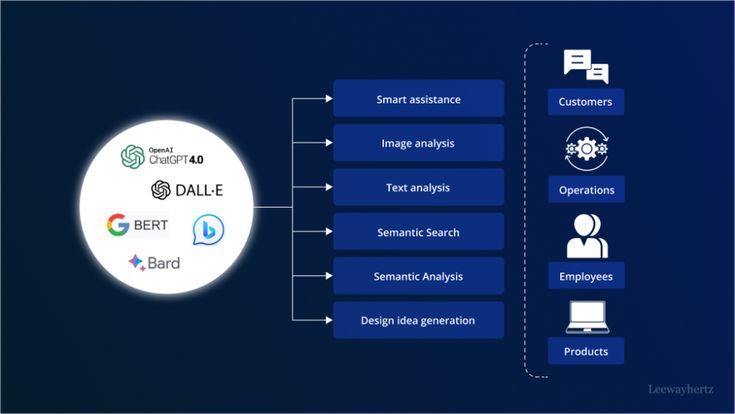

In the era of artificial intelligence, AI-generated content has become a ubiquitous presence in our digital lives. From automated news articles to personalized marketing messages, AI-generated content has revolutionized the way we communicate and consume information. However, with the rise of AI-generated content, concerns about quality and relevance have also emerged. To ensure that AI-generated content is effective and trustworthy, it is crucial to focus on ensuring its quality and relevance.
The Importance of Quality
Quality is a critical aspect of AI-generated content. Poorly written or inaccurate content can harm the credibility of a brand, organization, or individual, potentially leading to lost trust and damaged reputations. AI-generated content must be well-researched, concise, and free from errors in grammar, syntax, and fact-checking. Moreover, it should be engaging and relevant to the target audience, ensuring that it resonates and resonates with the intended audience.
The Importance of Relevance
Relevance is another crucial aspect of AI-generated content. Content that is not relevant to the target audience can be perceived as irrelevant, boring, or even annoying. AI-generated content must be tailored to the audience’s interests, needs, and preferences, ensuring that it resonates with them. This can be achieved through personalization, sentiment analysis, and understanding of the audience’s pain points.
Best Practices for Ensuring Quality and Relevance
To ensure quality and relevance in AI-generated content, organizations can follow the following best practices:
1.Incorporate human oversight: Human editors and reviewers should review AI-generated content to ensure accuracy, relevance, and quality.
2.Use high-quality data sources: AI-generated content should be based on high-quality data sources, ensuring accuracy and relevance.
3.Incorporate personalization: Personalization can help ensure that AI-generated content resonates with the target audience.
4.Monitor and analyze performance: Monitor and analyze the performance of AI-generated content to identify areas for improvement and adjust accordingly.
5.Continuous learning and improvement: Continuously update and refine AI algorithms to ensure that they learn from their mistakes and improve over time.
Conclusion
In conclusion, ensuring quality and relevance in AI-generated content is crucial for effective communication and trust-building. By incorporating human oversight, high-quality data sources, personalization, monitoring, and continuous learning, organizations can create AI-generated content that resonates with their target audience and builds trust with their audience.