Introduction
In today’s competitive world, developing exceptional thinking skills from an early age is of paramount importance. Fostering young children’s thinking skills not only promotes their intellectual growth but also aids in shaping well-rounded individuals who can thrive in any given situation. This article aims to provide parents and educators with essential tips for nurturing thinking skills in young children.
The Importance of Fostering Thinking Skills
Thinking skills enable children to make sense of the world around them, solve problems, and make informed decisions. They are crucial for success in both academic and social contexts. Furthermore, strong thinking skills foster resilience and adaptability, equipping children to navigate an ever-changing world effectively.
Ways to Foster Thinking Skills in Young Children
1.Encourage Curiosity
A child’s natural curiosity is a fertile ground for developing thinking skills. Instead of immediately answering their questions, prompt them to explore possible explanations or solutions by asking open-ended questions like “What do you think?”, “How do you think that works?”, or “Why do you think that happened?”
2.Promote Problem-Solving Skills
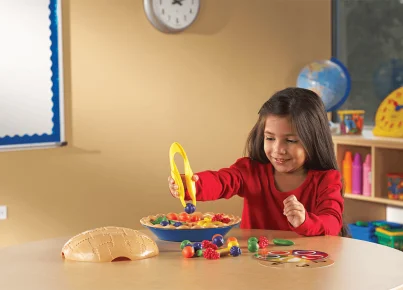
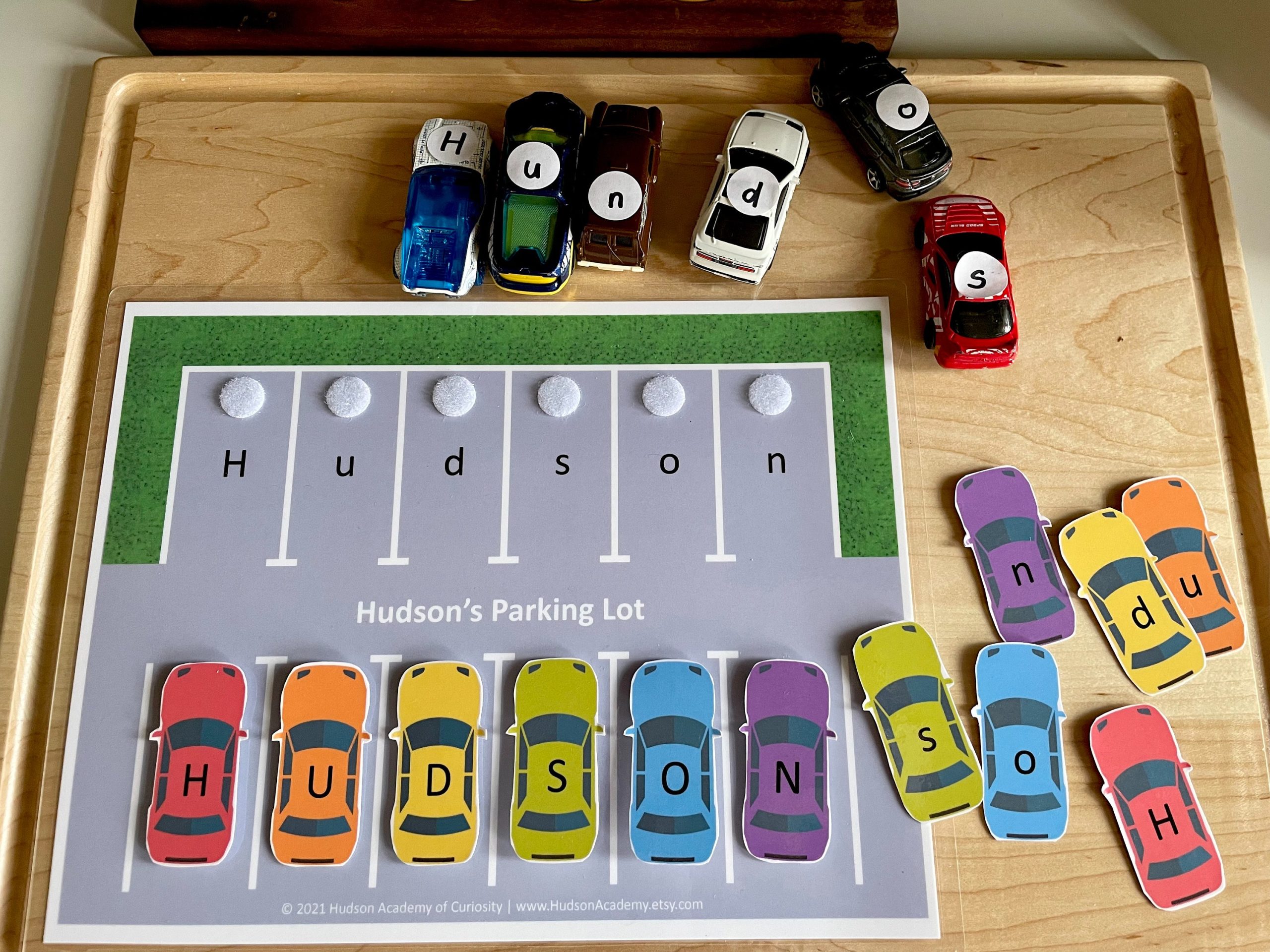
Introduce age-appropriate problem-solving activities such as puzzles, riddles, or brainteasers. These activities help develop critical thinking, creativity, and perseverance in young children. Moreover, encourage teamwork and collaborative problem-solving efforts through group activities.
3.Emphasize Reading and Storytelling
Reading books together with your child not only fosters language skills but also strengthens cognitive abilities. Asking thought-provoking questions about the story can help develop analytical thinking and comprehension skills. Storytelling also encourages creativity and imaginative abilities.
4.Create Opportunities for Play
Play is a vital method through which children learn about themselves and their environment naturally. Encourage them to take part in unstructured play where they can explore various ideas and invent new games. Lego blocks, art materials, and dramatic play props are excellent tools to stimulate creativity and cognitive development.
5.Teach Effective Decision-Making
Include children in simple decision-making processes and explain the rationale behind your choices. Ask them for opinions and offer various alternatives before reaching a final decision. This approach teaches them the importance of considering multiple options when making decisions.
6.Cultivate Emotional Intelligence
Help children identify, express, and manage their emotions by engaging in meaningful conversations about feelings. Fostering emotional intelligence aids in developing empathy, self-awareness, and social skills – all crucial aspects of high-level thinking.
7.Be a Role Model
Children learn best by observing the adults in their lives. Demonstrate strong thinking skills by sharing your thought process out loud during problem-solving or decision-making situations. By showcasing critical thinking abilities, you provide an excellent model for your child to emulate.
Conclusion
Fostering young children’s thinking skills is a crucial aspect of their holistic development. With careful guidance from parents and educators, children can enhance their cognitive abilities, equipping themselves with the tools necessary to reach their full potential. It’s never too early to start nurturing these invaluable skills that will serve them well throughout life.