
“`html
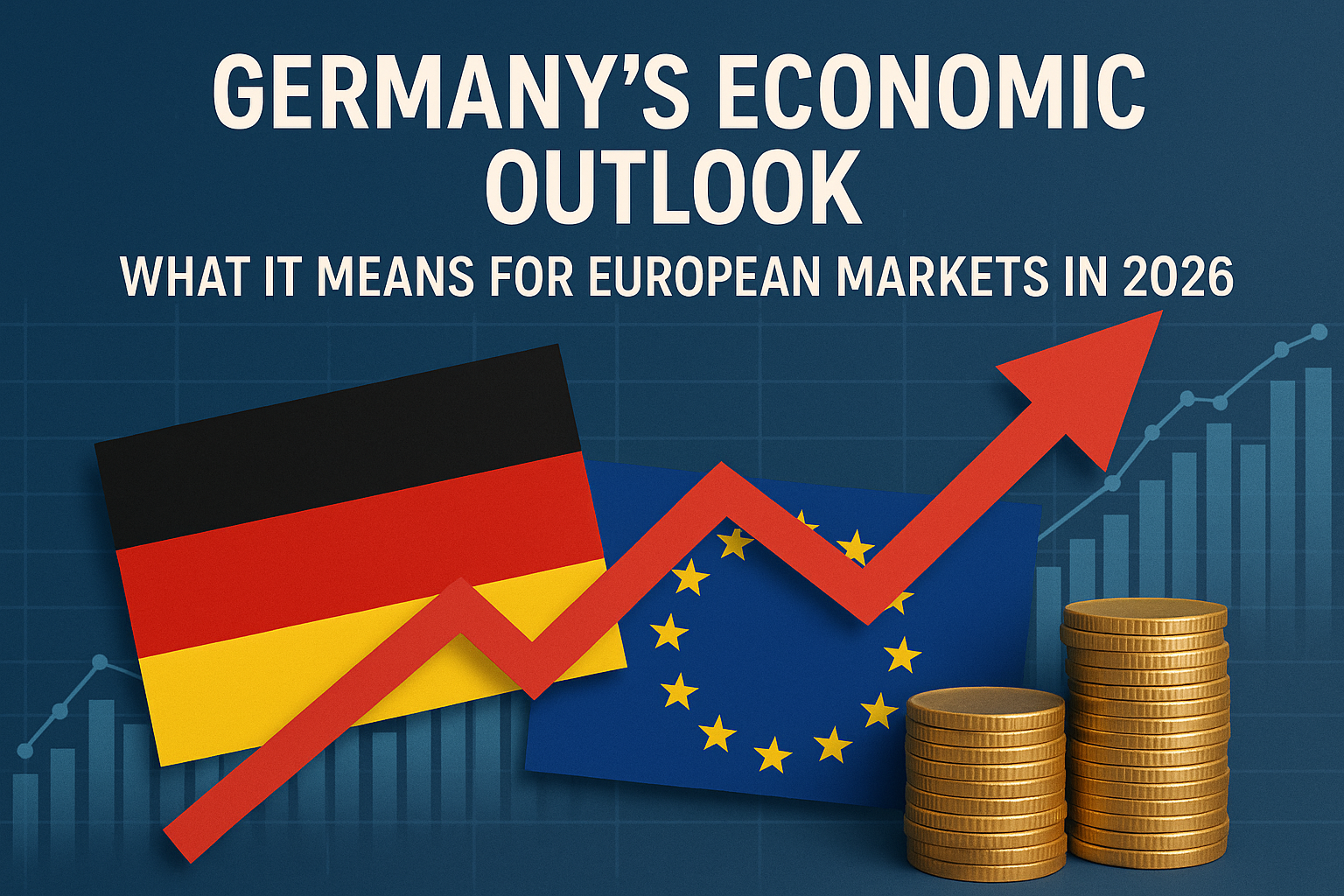
The economic fabric of Europe is tightly woven with Germany at its center. As the continent’s largest economy, Germany’s growth prospects carry significant weight, influencing everything from trade policies to investment strategies. Recently, Germany’s economic outlook has taken a hit, with projections indicating a meager GDP growth of just +0.5% for 2026, primarily due to geopolitical tensions stemming from the war in Iran and ongoing inflationary pressures. This article examines the Germany economic outlook impact on Europe, focusing on the implications for European markets and economies.
The Current State of Germany’s Economy
Germany’s economy has long been viewed as a robust engine driving European growth. However, recent forecasts from various economic institutes and government groups paint a more sobering picture. The outlook for 2026 now ranges from +0.4% to +1.0%, indicating a significant downturn compared to previous expectations. This downgraded growth forecast arises from multiple factors, including the ripple effects of the conflict in Iran.
Persistent inflation is another crucial aspect of Germany’s economic landscape. Currently, inflation rates are projected to hover between +2.2% and +3.0% in 2026, above the European Central Bank’s target of around 2%. This inflationary pressure is squeezing households and prompting policymakers to grapple with the implications of rising prices. The combination of sluggish growth and sustained inflation raises urgent questions about the future of not only the German economy but also the broader European economic outlook.
The Ripple Effect on European Markets
Germany’s status as the world’s third-largest economy means that its economic health is inextricably linked to the stability of European markets. When Germany sneezes, Europe catches a cold, as the saying goes. A downgraded GDP growth forecast can lead to a loss of investor confidence across the region. It may also result in tighter monetary policies as central banks attempt to combat inflation while supporting growth.
The interdependence of European economies means that Germany’s challenges can have reverberating effects. Neighboring countries that traditionally rely on German exports may find themselves facing similar headwinds. For example, countries like the Netherlands and France could experience decreases in trade volumes, leading to slower economic growth. Moreover, investor sentiment in these countries may shift as they reassess their exposure to the German market, potentially leading to capital flight or reduced investment inflows.
The Geopolitical Context: War in Iran
Adding another layer of complexity is the ongoing conflict in Iran. Tensions in the region can impact global oil prices, which in turn affect inflation rates across Europe. Higher energy prices can exacerbate the inflationary pressures already felt in Germany, making it even more challenging for policymakers to strike a balance between stimulating growth and curbing inflation.
Furthermore, the geopolitical ramifications of the war extend beyond just economic indicators. They can also influence political stability across Europe. As countries grapple with the implications of rising energy costs, public sentiment towards government policies may shift. For instance, in Germany, there could be increased pressure on Chancellor Olaf Scholz’s administration to implement measures to alleviate the cost-of-living crisis, potentially leading to political instability.
The Cost-of-Living Crisis and Its Implications
The combination of stagnant growth and high inflation creates a perfect storm for households across Europe. Many families are already feeling the pinch from rising prices, which are further pressured by external factors like global supply chain disruptions and the war in Iran. As inflation remains stickier than expected, it can lead to a cost-of-living crisis that transcends borders. (See: Germany's economic outlook and growth.)
This crisis isn’t merely an economic issue; it’s a social one. Increased financial strain can lead to unrest and dissatisfaction among the populace, which can, in turn, affect political landscapes. As people push back against rising costs, governments may need to reconsider their fiscal policies, creating a feedback loop that could lead to further instability.
The Role of Policymakers in Addressing Economic Challenges
Given the intertwined nature of the European economies, policymakers must be proactive in addressing the issues stemming from Germany’s economic outlook. This involves not just reacting to current conditions but also anticipating future challenges that may arise from the ongoing geopolitical tensions. Coordinated efforts among European nations will be crucial in ensuring stability during these turbulent times.
One potential strategy could be the implementation of fiscal stimulus measures aimed at supporting households and businesses alike. By temporarily easing the financial burden, governments may help stabilize consumer confidence and spending, which is vital for economic recovery. Additionally, investments in renewable energy and technology could help European nations reduce their dependence on external oil supplies, thus insulating themselves from the effects of geopolitical conflicts.
What Investors Should Watch For
For investors, the outlook for Germany’s economy signals a need for vigilance. Understanding the Germany economic outlook impact on Europe can help guide investment decisions. As economic conditions shift, investors may want to consider diversifying their portfolios to account for potential downturns in traditionally stable markets.
Investors should pay close attention to the following key indicators:
- GDP Growth Rates: As forecasts continue to be downgraded, staying informed about estimates will be crucial.
- Inflation Rates: Persistent inflation can erode purchasing power, affecting consumer spending and overall economic health.
- Geopolitical Developments: Any escalation in the conflict in Iran may lead to significant shifts in global markets.
- Policy Responses: Watching how governments respond to these economic challenges can provide insights into potential market movements.
By keeping these factors in mind, investors can better navigate the complexities of the European economic landscape and make informed decisions that align with their risk tolerance and financial goals.
Future Projections and Considerations
Looking ahead, there are numerous uncertainties that could shape Germany’s economic outlook and its repercussions for Europe. While current projections indicate sluggish growth and high inflation, the potential for change remains. Economic recovery can be influenced by various factors, including international relations, technological advancements, and shifts in consumer behavior.
As the European Union continues to grapple with the repercussions of the pandemic, the importance of unity and collaboration cannot be overstated. European nations must work together to mitigate the impacts of external shocks, bolster economic resilience, and ensure a sustainable future. This cooperation could prove vital in navigating the challenges posed by Germany’s economic outlook as well as the ongoing complexities stemming from geopolitical tensions. (See: impact of inflation on households.)
Germany’s Economic Impact on Key Sectors Across Europe
The influence of Germany’s economic health extends to several key sectors across Europe. For instance, the automotive industry, a cornerstone of Germany’s economy, has substantial ties with manufacturers in neighboring countries. A slowdown in German automobile production could lead to decreased demand for parts and components from suppliers in countries like Poland and Slovakia, putting jobs and economic stability in those regions at risk.
Additionally, the machinery and manufacturing sectors in Germany contribute significantly to exports. Countries like Italy and Spain, which rely on German machinery for their own industrial processes, could find their production capabilities hindered if Germany’s economic woes persist. This interconnectedness means that a downturn in Germany can create a domino effect, leading to reduced growth in various sectors throughout Europe.
The Social Implications of Economic Downturns
Economic downturns can have profound social implications, especially in a continent as diverse as Europe. The widening gap between economically stronger countries like Germany and those still recovering from past crises may lead to increased tensions. Countries that feel left behind may push for more radical policies or express discontent through political movements. Social unrest could rise if citizens perceive that their needs are being overlooked in favor of maintaining stability in larger economies.
Moreover, the youth in Europe may find themselves particularly affected by Germany’s economic challenges. With high unemployment rates already an issue in several countries, a stagnating German economy could exacerbate job scarcity, forcing young professionals to seek opportunities abroad. This brain drain can further erode the economic potential of countries already struggling to recover from previous downturns.
FAQs About Germany’s Economic Outlook and Its Impact on Europe
What are the main factors influencing Germany’s economic outlook?
Germany’s economic outlook is influenced by various factors including geopolitical tensions, domestic inflation rates, global supply chain disruptions, and consumer confidence. The ongoing war in Iran and its impact on energy prices also play a significant role.
How does Germany’s economy affect neighboring countries?
Germany, being the largest economy in Europe, significantly impacts neighboring countries through trade relationships, investment flows, and supply chain interdependencies. A slowdown in Germany can reduce demand for exports from these nations, leading to slower growth.
What are the potential consequences of sustained inflation in Germany?
Sustained inflation can erode purchasing power, limit consumer spending, and create uncertainty in investment. This can lead to economic stagnation not just in Germany but throughout Europe, as consumer confidence wanes and spending declines. (See: Germany's economic challenges and forecasts.)
How can policymakers in Europe mitigate the negative impacts of Germany’s economic outlook?
Policymakers can implement fiscal stimulus measures, promote cross-border collaboration, and invest in workforce development to bolster economic stability. Coordinated monetary policies may also help manage inflation and encourage growth across the region.
What role does the European Central Bank play in addressing economic challenges in Germany?
The European Central Bank (ECB) plays a crucial role by setting interest rates and implementing monetary policies that can influence inflation and economic growth. Its actions can help stabilize the economy in Germany, impacting the broader European market as a result.
The Future of Germany’s Economic Policies and their European Impact
As Germany grapples with its economic challenges, the direction of its policies will be pivotal not only for itself but for Europe as a whole. The potential shift towards more sustainable and inclusive economic practices could reshape the future. For example, investing in green technologies and sustainable infrastructure may not only address domestic concerns but also create cross-border opportunities for collaboration.
Germany’s leadership in addressing climate change could serve as a catalyst for economic transformation within Europe, aligning with the European Green Deal. A cooperative approach focusing on renewable energy, innovation, and sustainable practices could bolster resilience against future economic shocks while also aiding in the recovery from current challenges.
Concluding Remarks on Germany’s Economic Outlook
In summary, the intricate tapestry of Germany’s economy is fundamental to understanding the broader European economic landscape. With growth projections downgraded and inflationary pressures mounting, understanding the Germany economic outlook impact on Europe is essential for policymakers, investors, and citizens alike. As we move into 2026, vigilance, cooperation, and adaptability will be key in overcoming the hurdles and securing a prosperous future for the continent.
“`
Trending Now
Frequently Asked Questions
What is Germany's economic outlook for 2026?
Germany's economic outlook for 2026 projects a GDP growth of only +0.5%, with estimates ranging from +0.4% to +1.0%. This downturn is attributed to geopolitical tensions, particularly the war in Iran, and ongoing inflationary pressures affecting consumer spending and investment.
How does Germany's economy affect European markets?
Germany, as Europe's largest economy, significantly influences European markets. A slowdown in Germany's growth can lead to decreased investor confidence across the region, impacting trade policies and investment strategies in neighboring countries.
What are the main challenges facing Germany's economy in 2026?
The main challenges for Germany's economy in 2026 include persistent inflation projected between +2.2% and +3.0%, geopolitical tensions from the Iran conflict, and a substantial reduction in expected GDP growth, which may strain household budgets and economic stability.
What factors are contributing to Germany's economic slowdown?
Germany's economic slowdown is primarily driven by geopolitical tensions, especially related to the conflict in Iran, and persistent inflation that exceeds the European Central Bank's target. These factors create uncertainty and dampen economic growth prospects.
What implications does Germany's economic situation have for Europe?
Germany's economic challenges have significant implications for Europe, including potential declines in investment and economic confidence across the continent. A struggling German economy can lead to tighter monetary policies and affect overall European economic health.
What’s your take on this? Share your thoughts in the comments below — we read every one.