
“`html
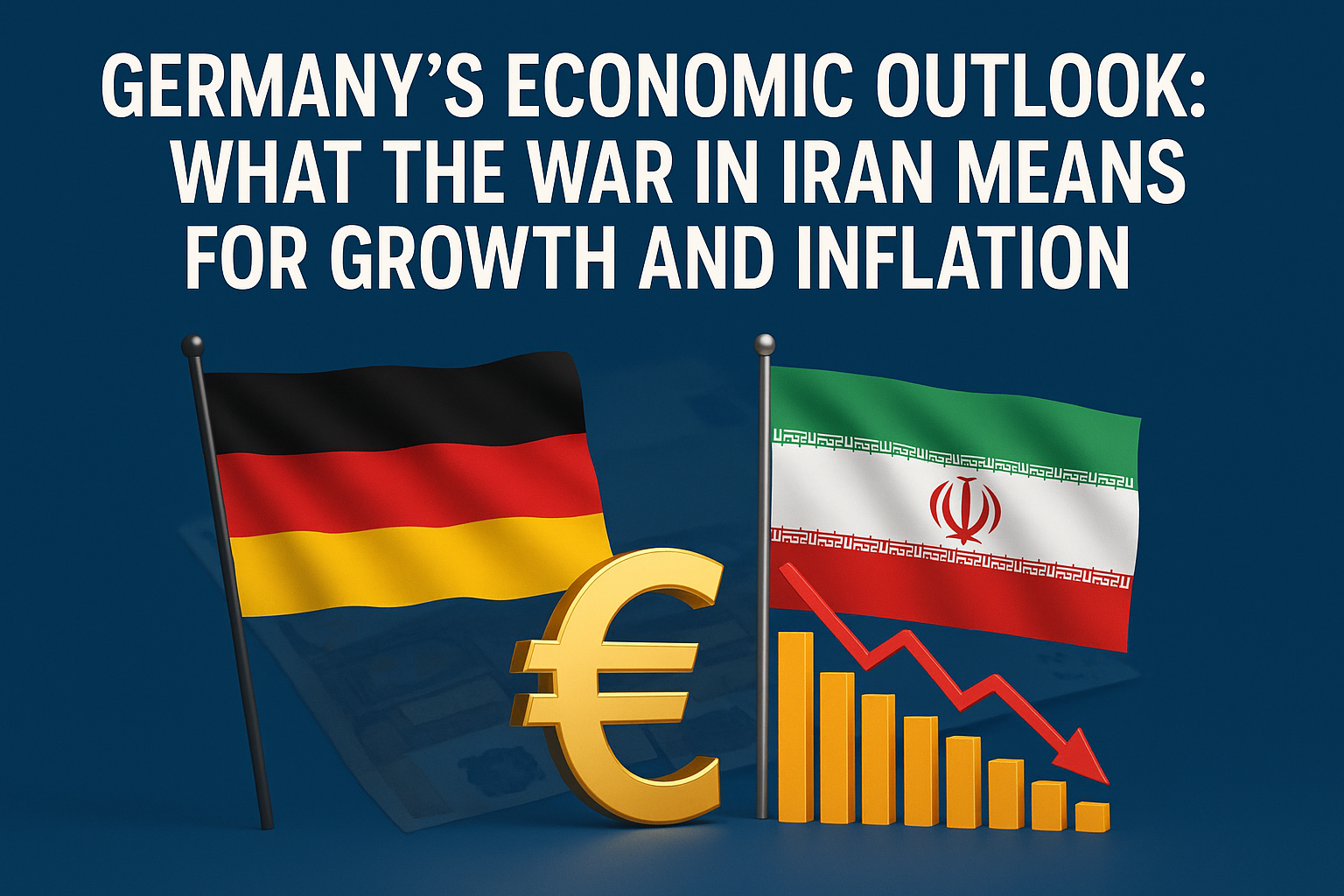
The recent adjustments to Germany’s economic outlook reveal a stark picture of a country grappling with multiple challenges. As the world’s third-largest economy, any shift in its growth forecast sends ripples through the global market. Recent reports indicate that GDP growth for 2026 is now expected to hover around a meager +0.5%. This projection stems primarily from the ongoing geopolitical tensions, specifically the ramifications of the war in Iran, alongside persistent inflation that continues to strain households across the nation.
Understanding the Context: The War in Iran and Its Economic Impact
The conflict in Iran is causing unease not only in the Middle East but also in Europe, particularly in Germany. The war has disrupted trade routes, led to higher energy prices, and intensified inflationary pressures. As a leading exporter, Germany is intricately linked to global supply chains, and any disruption can have significant consequences. Analysts suggest that as this conflict lingers, uncertainties surrounding energy supplies and market stability are likely to exacerbate the already fragile economic landscape.
In recent weeks, the ongoing military operations have prompted conversations around energy independence and security throughout Europe. Germany, still recovering from the energy shocks of the previous year, faces the daunting task of balancing economic growth with energy needs. As the conflict escalates, the pressure could build on Germany’s manufacturing sector, which relies heavily on stable energy supplies.
Economic Forecasts: A Closer Look
Economic forecasts from various institutes and government organizations have adjusted their projections downwards significantly. With growth expectations for 2026 now ranging from +0.4% to +1.0%, the consensus indicates a cautious approach moving forward into 2024 and beyond. The estimated growth rate of +0.5% starkly contrasts with the robust growth rates Germany enjoyed in the past. Economists argue that this trend reflects a broader economic malaise that is being felt across the Eurozone, raising alarms about the potential for recession.
The anticipated growth of merely half a percentage point raises serious questions about the state of the German economy and its ability to rebound. With major sectors like automotive and machinery showing signs of stagnation, the need for innovative solutions and strategic investment becomes critical if Germany hopes to maintain its status as an economic powerhouse.
Inflation: The Unyielding Beast
Compounding the problem of sluggish growth is the issue of inflation, which remains stubbornly elevated. Current projections suggest inflation rates may stabilize around +2.2% to +3.0% by 2026. For the average household, this prolongs a sense of financial anxiety, as costs for essentials like food, housing, and energy continue to rise. This persistent inflation undermines consumer confidence, thereby stifling spending, a key driver of economic growth.
The effects of high inflation are pervasive. Families are finding it increasingly difficult to balance their budgets, leading to a decrease in disposable income. This situation is exacerbated by the rising costs of energy and housing, which have a direct impact on the quality of life for Germany’s citizens. As a result, many households are forced to cut back on discretionary spending, further dampening economic activity.
The Cost-of-Living Crisis: A Growing Concern
The combination of stagnant growth and high inflation has resulted in a cost-of-living crisis that cannot be ignored. Surveys indicate that many Germans are experiencing heightened levels of financial stress, with some families struggling to make ends meet. This crisis has a ripple effect on consumer sentiment, leading to reduced spending and investment in the economy. (See: Germany's economic challenges amid conflict.)
Policymakers in Germany face the challenging task of addressing these issues without stifling the economic recovery. The government is under pressure to implement policies that will support households while simultaneously fostering an environment conducive to growth. Measures such as subsidies for energy costs or tax relief for low-income families are being discussed, but the effectiveness of these policies remains to be seen.
Geopolitical Uncertainty and Its Broader Implications
The geopolitical landscape is increasingly intertwined with economic performance. Germany’s reliance on global supply chains makes it particularly susceptible to international conflicts. As the war in Iran continues to evolve, Germany must navigate not only its domestic economic challenges but also the implications of its foreign policy decisions.
Germany’s economic outlook is also impacted by its relationships with key partners in the EU and beyond. The interconnected nature of modern economies means that instability in one region can have far-reaching consequences. For instance, if energy prices continue to soar due to the Iranian conflict, it may prompt other nations to reconsider their energy policies, which could lead to a collective economic slowdown in Europe.
Future Prospects: Navigating Uncertainty
The path forward for Germany looks complicated. As the country grapples with the dual challenges of weak growth and persistent inflation, experts emphasize the importance of adaptive economic strategies. Investing in renewable energy, enhancing technological innovation, and diversifying trade partnerships are critical areas that Germany could focus on to boost its economic resilience.
Furthermore, fostering a conducive climate for small and medium enterprises (SMEs) could spur job creation and stimulate economic activity. These companies are often the backbone of the German economy and can play a vital role in driving growth in local communities.
Ultimately, the success of Germany’s recovery will largely depend on its ability to balance these various elements amidst external pressures. As the country faces an uncertain economic future, maintaining a flexible policy approach and being proactive in addressing geopolitical challenges will be paramount.
Germany’s Economic Recovery Strategies
Given the current economic climate, Germany’s approach to recovery will require a multi-faceted strategy. Policy measures focusing on innovation and sustainability can create new avenues for growth. Transitioning to a green economy not only aligns with global climate goals but also positions Germany as a leader in emerging markets, such as renewable energy technologies and electric vehicles.
According to recent statistics, Germany has increased its investment in renewable energy by over 60% since 2020, which reflects a commitment to reducing its carbon footprint and enhancing energy security. This transition not only addresses the immediate energy crisis but also lays the groundwork for long-term growth and job creation in green sectors. (See: European economy and energy prices.)
Challenges Facing the Manufacturing Sector
The manufacturing sector, a critical component of Germany’s economy, is facing unique challenges as it navigates through the current malaise. With supply chain disruptions and rising material costs, manufacturers are often caught between the need to maintain profitability and the pressure to keep prices low. A recent survey by the German Engineering Association revealed that over 40% of manufacturers anticipate production cuts due to rising costs and demand uncertainties.
To counteract these issues, manufacturers are increasingly investing in automation and digitalization. By adopting advanced technologies such as AI and IoT, companies can enhance efficiency and reduce dependency on traditional labor models. This transformation is necessary but may also require significant investment and a shift in workforce training to prepare employees for new roles in this evolving landscape.
Expert Perspectives: What Economists Are Saying
Economists are offering a range of perspectives on Germany’s economic outlook. Some advocate for a cautious approach, warning against rapid policy changes that could lead to further instability. Others argue that bold action is essential to break the cycle of stagnation. Dr. Anna Schmidt, a leading economist at the Institute for Economic Research, states, “Germany must embrace innovation and flexibility in its economic policies. Incremental changes will not suffice in a rapidly changing global landscape.”
Another prominent economist, Prof. Hans Müller, highlights the importance of international cooperation. “Germany should strengthen its ties within the European Union and look for new markets beyond its traditional partners. Diversifying trade relationships can help mitigate risks associated with geopolitical tensions,” he asserts.
Germany’s Trade Relationships: A Critical Analysis
Germany’s trade relationships play a crucial role in its economic outlook. As one of the world’s leading exporters, accounting for nearly 50% of its GDP, the stability of these partnerships directly influences economic performance. In recent years, Germany has worked to diversify its trade agreements to reduce reliance on traditional markets, such as the United States and China.
For instance, recent trade agreements with countries in Southeast Asia and Africa are part of a strategic move to open new markets for German goods. These partnerships are expected to provide opportunities for growth, particularly in high-demand sectors like technology and automotive. A report by the German Federal Statistical Office indicates that exports to these regions have grown by nearly 15% over the past two years, demonstrating the potential of these emerging markets.
FAQ: Common Questions About Germany’s Economic Outlook
What is the current GDP growth forecast for Germany?
As of recent assessments, Germany’s GDP growth for 2026 is projected to be around +0.5%, a significant decrease from previous growth rates.
How is the war in Iran affecting Germany’s economy?
The conflict has led to higher energy prices and disrupted supply chains, causing inflation and economic uncertainty in Germany. (See: Germany's inflation and energy crisis.)
What measures is the German government considering to combat inflation?
The government is exploring various policies, including subsidies for energy costs and tax relief for low-income households, to alleviate financial pressures on citizens.
What are the main challenges facing Germany’s manufacturing sector?
The manufacturing sector is dealing with supply chain disruptions, rising material costs, and the need for technological investment to remain competitive.
How can Germany ensure long-term economic stability?
Investing in renewable energy, fostering innovation, and diversifying international trade partnerships are critical strategies to enhance Germany’s economic resilience.
What steps is Germany taking to increase trade with emerging markets?
Germany is actively pursuing trade agreements with countries in Southeast Asia and Africa while focusing on sectors with high growth potential, such as technology and automotive.
In conclusion, the latest forecasts for the Germany economic outlook illustrate a complex interplay of factors that could hinder growth and exacerbate inflation. The consequences of the war in Iran, coupled with domestic economic struggles, suggest a challenging road ahead. Policymakers will need to act decisively and thoughtfully to navigate through this storm, ensuring that the impacts on households and businesses are minimized as much as possible.
“`
Trending Now
Frequently Asked Questions
What is Germany's economic outlook for 2026?
Germany's economic outlook for 2026 is projected to hover around a meager +0.5% GDP growth. This adjustment reflects ongoing geopolitical tensions, particularly the war in Iran, along with persistent inflation impacting households.
How is the war in Iran affecting Germany's economy?
The war in Iran is causing disruptions in trade routes and driving up energy prices, which intensifies inflationary pressures in Germany. As a major exporter, these factors significantly impact Germany's economic stability and growth.
What challenges does Germany face due to inflation?
Germany is grappling with persistent inflation that strains households and affects consumer spending. The rising costs, exacerbated by geopolitical tensions, pose significant challenges to economic recovery and growth.
What are the implications of energy prices on Germany's manufacturing sector?
Germany's manufacturing sector, heavily reliant on stable energy supplies, faces increased pressure due to rising energy prices linked to the war in Iran. This instability could hinder production and economic growth.
What are the growth expectations for Germany in the coming years?
Growth expectations for Germany in the near future are cautious, with projections for 2026 ranging from +0.4% to +1.0%. Analysts suggest a careful approach is necessary as the country navigates ongoing geopolitical and economic challenges.
What’s your take on this? Share your thoughts in the comments below — we read every one.