A exciting trend in Genius Hour is the move towards global collaboration, breaking down the walls of the traditional classroom and connecting students with peers and experts worldwide. This shift is not only broadening the scope of Genius Hour projects but also fostering cultural understanding and global citizenship.
One of the primary drivers of this trend is the widespread availability of video conferencing tools. Platforms like Zoom, Google Meet, and Skype for Education are being used to facilitate virtual meetings between students and experts in various fields. This allows students to gain insights directly from professionals, researchers, and thought leaders related to their Genius Hour topics, regardless of geographical boundaries.
International student partnerships are becoming increasingly common in Genius Hour programs. Schools are forming alliances with counterparts in other countries, allowing students to collaborate on projects that have global significance. For instance, students might work together on environmental issues, cultural exchange initiatives, or comparative studies of local customs and traditions.
Online platforms dedicated to educational collaboration are playing a crucial role in this trend. Websites like ePals and iEARN provide safe, structured environments for students to connect with peers around the world. These platforms often offer project ideas and frameworks that make it easy for teachers to incorporate global collaboration into their Genius Hour programs.
The rise of massive open online courses (MOOCs) is another factor contributing to the globalization of Genius Hour. Students can now access courses from top universities worldwide, allowing them to dive deep into specialized topics that might not be available in their local curriculum. This opens up new possibilities for Genius Hour projects and helps students connect with a global community of learners sharing similar interests.
Social media is being leveraged to create global networks around Genius Hour projects. Hashtags like #GeniusHour and #20TimeProject are used to share ideas, seek advice, and showcase projects to a worldwide audience. This not only provides inspiration but also creates opportunities for unexpected collaborations.
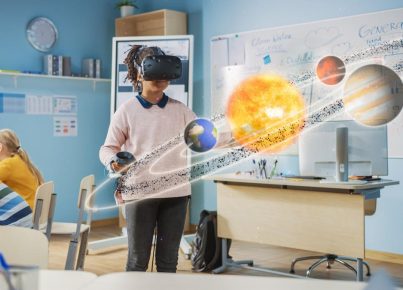
Virtual field trips are becoming an integral part of globally-oriented Genius Hour projects. Using tools like Google Expeditions or 360-degree videos, students can explore locations relevant to their projects from anywhere in the world. This immersive experience enhances understanding and provides context that was previously difficult to achieve without physical travel.
As we move forward, we can expect to see even more innovative approaches to global collaboration in Genius Hour. From AI-powered language translation tools that break down language barriers to virtual reality spaces where students can collaborate in shared digital environments, the potential for global learning experiences is boundless.